Key Takeaways
- An average return of 757% on food gardening investment was recorded in 2021.
- The U.S. organic seed market is projected to surpass $3.82 billion by 2034, growing at an 11.21% CAGR.
- Healthy soil texture and structure are crucial for a successful garden, according to Mathieu Ngouajio of USDA’s NIFA.
- 71% of Americans planned to grow a food garden in 2025, indicating widespread interest.
- Organic gardening improves soil life and plant health by feeding the soil, not just the plants.
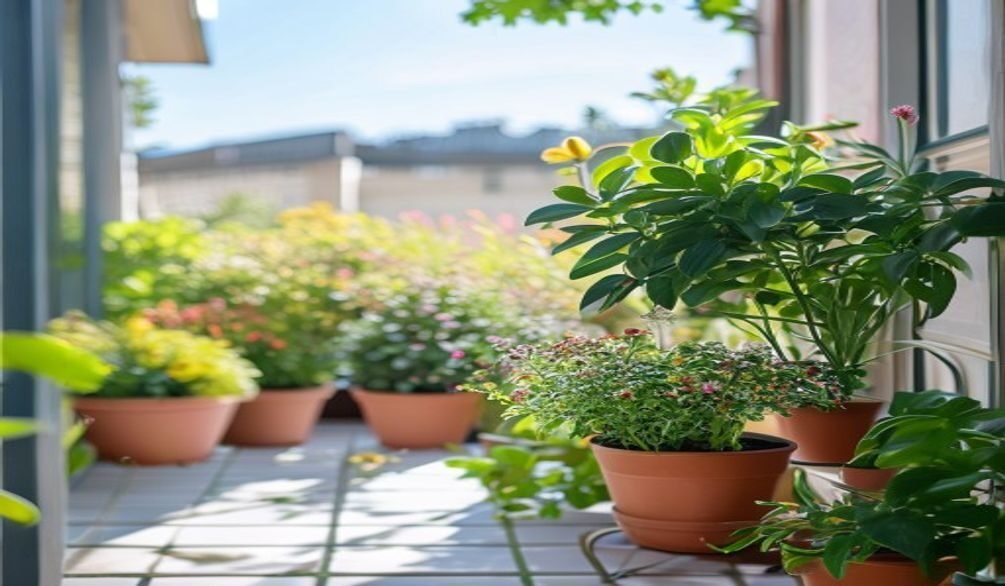
Most Mumbai balcony gardeners often feel frustrated when their carefully tended plants struggle, despite all their efforts. It’s a common scenario across India, but learning **organic gardening simple steps** can turn that frustration into flourishing success. This guide will walk you through practical, natural methods to help your plants thrive without relying on harsh chemicals.
Quick Answer: Organic gardening involves nurturing plants using natural methods without synthetic chemicals, focusing on healthy soil, natural pest control, and sustainable practices for thriving plants and a balanced ecosystem.
What are the basic steps of organic gardening?
The basic steps of organic gardening involve building healthy soil, choosing the right plants, using natural pest control, and practicing water conservation. These **organic gardening simple steps** lay the groundwork for a thriving, chemical-free garden. In fact, 55% of American households are engaged in gardening activities, according to the National Gardening Association (2021), highlighting a widespread interest in home growing.
Starting an organic garden for beginners doesn’t have to be overwhelming. It’s all about creating a balanced ecosystem where plants can flourish naturally. You’ll focus on nurturing the soil first, because as Cindy Conner, author of *Grow a Sustainable Diet*, puts it, “Our most important job as vegetable gardeners is to feed and sustain soil life… If we do this, our plants will thrive.” This means less worrying about synthetic fertilizers and more about what’s happening beneath the surface.
Here’s a breakdown of the core actions you’ll take:
- Assess Your Space: Look at your balcony or terrace. How much sun does it get? This dictates what you can grow. For example, sun-loving bhindi or lal mirch needs at least 6 hours, while pudina can handle partial shade.
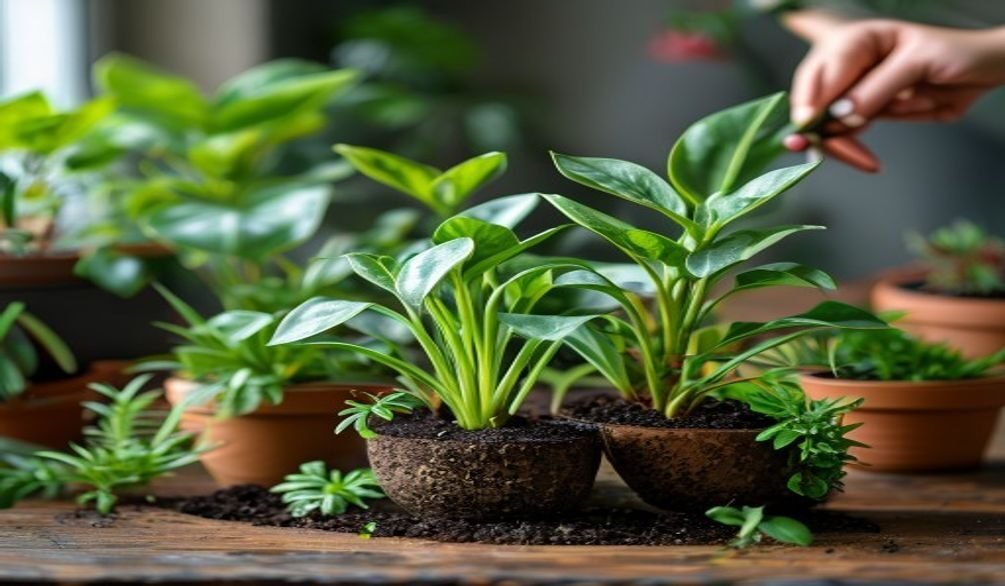
- Build Healthy Soil: This is arguably the most crucial step. You’ll want a rich, living soil mix full of organic matter. We’ll dive deeper into this soon.
- Choose Suitable Plants: Select plants that thrive in your local climate and are resistant to common pests. For instance, in Bangalore’s mild climate, you can grow a wide variety, but Delhi’s harsh summers require more heat-tolerant options.
- Water Wisely: Don’t just water on a schedule. In my 10 years of experience with Indian balcony gardens, watering on a fixed schedule is one of the worst habits an Indian gardener can have. Soil dries at completely different rates in summer versus monsoon, morning versus afternoon sun, terracotta versus plastic pots. Always check the soil with your finger, never follow a calendar.
- Practice Natural Pest Control: Forget chemical sprays. You’ll learn to manage pests using eco-friendly methods, like introducing beneficial insects or using neem oil.
- Compost: Turn your kitchen scraps and garden waste into valuable soil amendments. It’s a fantastic way to recycle and enrich your garden.
- Mulch: Cover your soil with organic materials to conserve moisture, suppress weeds, and regulate soil temperature. Shredded leaves or straw work wonders.
- Rotate Crops: If you’re growing in beds, change what you plant in each spot every season. This helps prevent nutrient depletion and reduces disease buildup.
- Encourage Biodiversity: Welcome beneficial insects, birds, and even local lizards to your garden. They help maintain a natural balance.
- Observe and Adapt: Your garden will teach you the most. Pay attention to what works and what doesn’t, and be ready to adjust your methods.
How do you prepare soil for organic gardening?
Preparing soil for organic gardening means focusing on enriching it with organic matter to create a living, fertile environment for your plants. A successful garden begins with healthy soil texture and structure, according to Mathieu Ngouajio, national program leader for organic agriculture at USDA’s National Institute of Food and Agriculture (NIFA). You’re not just providing a medium for roots; you’re building a thriving ecosystem.
For us urban gardeners, especially those dealing with pots and raised beds in cities like Pune, getting the soil right is non-negotiable. You can’t just dig up garden soil from somewhere and expect it to work; it’s often too heavy or lacking in nutrients.
Here’s how to prepare your soil:
- Start with a Good Base: If you’re using containers, begin with a high-quality potting mix. Avoid generic “garden soil” that might be too dense. Look for mixes specifically formulated for containers at your local nursery or online on Ugaoo.
- Add Compost: This is your garden’s gold. Compost improves soil structure, aeration, drainage, and nutrient retention. Aim for at least 30-50% compost in your initial mix for raised beds, or blend it generously into your potting mix. You can buy good quality compost at nurseries for around ₹200-300 for a 5kg bag, or better yet, make your own from kitchen scraps.
- Incorporate Organic Amendments:
- Vermicompost: Worm castings are packed with nutrients.
- Neem Cake: This acts as a slow-release fertilizer and helps deter soil-borne pests.
- Bone Meal/Rock Phosphate: For phosphorus, which is great for flowering and fruiting plants like Cherry tomatoes or capsicum.
- Cow Dung Manure: Well-rotted cow dung is an excellent source of nitrogen and organic matter.
- Check Drainage: Good drainage is key, especially in pots. If water sits on top, your plants will suffer. Add perlite or coarse sand to your mix if it feels too heavy. I once lost a container plant during monsoon because I assumed the rain was enough. The balcony roof blocked all the rain, and the soil was bone dry while the ground around it was soaked. Container plants on covered balconies still need watering!
- Test Your Soil (Optional but Recommended): For more serious gardeners, a soil test can tell you about pH and nutrient levels. This helps you tailor amendments more precisely. Though, for most home gardeners, just focusing on consistent organic matter addition works wonders.
A good soil mix for **organic gardening simple steps** should feel light and crumbly, not hard and compacted. It should drain well but still retain some moisture.
What are the 7 principles of organic gardening?
The 7 principles of organic gardening guide you in cultivating a garden that respects and works with nature, rather than against it. These principles, often adapted from organic farming standards, emphasize sustainability and ecological balance. They’re not just rules; they’re a philosophy for how you interact with your garden.
Let’s break them down:
- Principle of Health: This means nourishing the soil, plants, animals, and humans as one interconnected system. Healthy soil leads to healthy plants, which in turn produce nutritious food for us. It’s about preventing disease and promoting well-being from the ground up.
- Principle of Ecology: Organic gardening operates within living ecological systems and cycles. You’re aiming to mimic natural processes, like nutrient cycling and pest-predator relationships. This is why encouraging beneficial insects and composting are so important.
- Principle of Fairness: This principle emphasizes equity and respect for all living things. It extends to fair relationships with the environment and natural resources, ensuring that practices are sustainable for future generations.
- Principle of Care: Organic gardening is practiced in a responsible and precautionary manner to protect the health and well-being of current and future generations and the environment. This means avoiding practices that could harm the ecosystem in the long run.
- Biodiversity: Encouraging a variety of plants, insects, and microorganisms creates a resilient garden. Companion planting, where you grow different plants together to benefit each other (like planting marigolds near vegetables to deter pests), is a great example of this.
- Sustainability: This means using resources wisely and minimizing waste. Composting, rainwater harvesting, and choosing local, open-pollinated seeds all contribute to a more sustainable garden.
- No Synthetic Chemicals: This is perhaps the most well-known principle. You avoid all synthetic pesticides, herbicides, and fertilizers, relying instead on natural methods. This protects the environment, beneficial insects, and your family’s health.
Adhering to these principles ensures your **organic gardening simple steps** are always aligned with nature’s wisdom.
What are organic pest control methods?
Organic pest control methods focus on prevention and natural solutions to manage garden invaders without resorting to harmful synthetic chemicals. You’re essentially creating an environment where pests are less likely to thrive, and natural predators can do their job. This approach is fundamental to **organic gardening simple steps**.
Here are some effective organic pest control methods:
- Hand-Picking: For larger pests like caterpillars or snails, simply picking them off your plants by hand is incredibly effective. Do this in the early morning or evening.
- Beneficial Insects: Attract natural predators like ladybugs, lacewings, and parasitic wasps. These helpful insects feast on common pests like aphids and mites. Planting flowers like calendula or cosmos can draw them in.
- Neem Oil: A natural pesticide derived from the neem tree, it disrupts insect growth and acts as a repellent. Mix it with water and a tiny bit of mild soap, then spray on affected plants, especially the undersides of leaves. It’s great for managing mealybugs on tulsi or aphids on dhania.
- Companion Planting: Grow specific plants together that deter pests. For example, planting pudina near cabbage can deter flea beetles, and garlic or onions can repel aphids.
- Crop Rotation: Changing the location of your crops each season helps break pest cycles. Many pests specialize in certain plants, and if their food source isn’t there next season, their population declines.
- Good Garden Hygiene: Remove diseased plant parts promptly and clean up fallen leaves or fruit. Pests and diseases can overwinter in plant debris.
- Physical Barriers: Use row covers or netting to protect young plants from flying insects. For tiny seedlings, I’ve even used old plastic bottles with the bottoms cut off as mini cloches to keep away early pests.
How do you choose the right plants for organic gardening?
Choosing the right plants for organic gardening involves selecting varieties that are well-suited to your local climate, soil conditions, and resistant to common pests and diseases. This thoughtful selection is a critical part of making **organic gardening simple steps** successful, especially for those of us with limited space on a balcony or terrace.
Here’s how to make smart choices:
- Know Your Climate Zone: Understand your region’s average temperatures, rainfall, and humidity. For instance, growing exotic temperate vegetables in Indian summer heat (40°C+) in Delhi is often an uphill battle. Stick to what thrives naturally in your area.
- Consider Sun Exposure: How much direct sunlight does your garden spot get?
- Full Sun (6+ hours): Most vegetables like tomatoes (Pusa Ruby is a good container variety), bhindi, brinjal, and lal mirch.
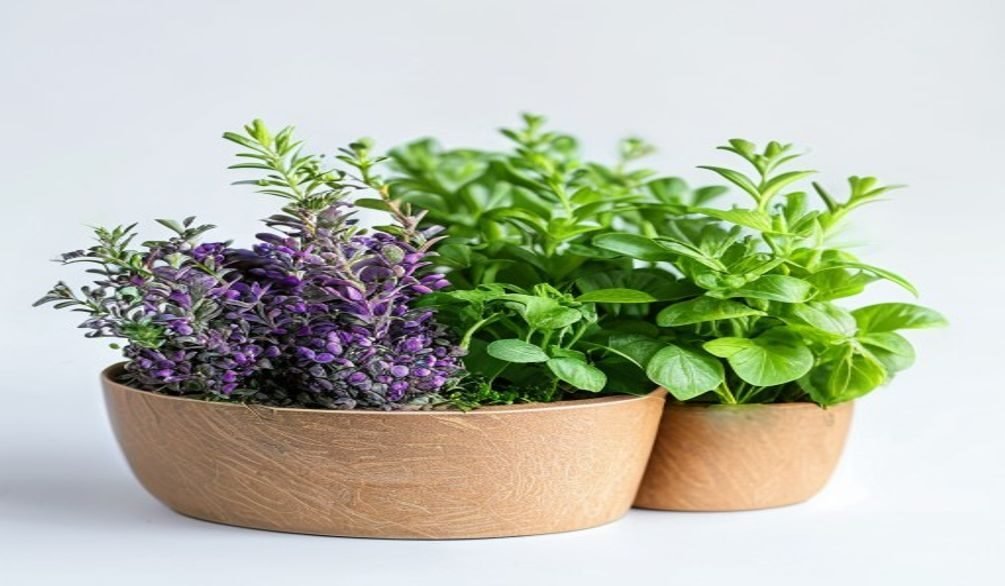
- Partial Sun (3-6 hours): Herbs like pudina, dhania, and some leafy greens like palak.
- Shade (less than 3 hours): Very few edibles thrive, but some ornamental ferns or shade-loving flowers might work.
- Choose Disease-Resistant Varieties: Many seed packets or nursery tags will mention if a plant is disease-resistant. This gives you a head start against common issues.
- Opt for Open-Pollinated or Heirloom Seeds: These varieties often have a richer genetic history and adapt better to local conditions over time. Plus, you can save seeds from them for future plantings, which is a very sustainable practice. The U.S. organic seed market was valued at $1.32 billion in 2024 and is projected to surpass $3.82 billion by 2034, according to a market analysis report (2024), showing a clear trend towards quality, sustainable seeds.
- Start with Easy-to-Grow Plants: For beginners, don’t try to grow everything at once. Start with plants like fenugreek (methi), spinach (palak), radishes, or cherry tomatoes. They are forgiving and give quick results, boosting your confidence.
- Source Locally: Buy seedlings or seeds from local nurseries where the plants are already acclimatized to your region. A nursery in Mumbai will likely sell plants better suited for Mumbai’s humidity than one in Delhi.
I once tried growing capsicum from seeds in December in Delhi. Germination was 90% but the plants stalled at 4 inches for 6 weeks because the soil temperature was too low for root activity. Adding a seedling heat mat finally got them to hit 12 inches in the next 3 weeks. It just goes to show you how important it is to match plant needs to your local conditions!
What are the benefits of organic gardening for you and the environment?
Organic gardening offers a wealth of benefits, from providing healthier food for you to significantly improving the environment. It’s a win-win situation, enhancing your well-being while promoting ecological balance. Yes, organic gardening emphasizes sustainability by avoiding synthetic fertilizers and pesticides, reducing the carbon footprint, and promoting biodiversity, as noted by USDA’s NIFA (2024).
Let’s look at the advantages:
| Benefit for You | Benefit for the Environment |
|---|---|
| Healthier, Tastier Food: Your produce is free from synthetic pesticides and chemicals. Many people find organic vegetables and fruits taste better, too! | Reduced Chemical Runoff: No synthetic chemicals mean no harmful substances polluting waterways or affecting wildlife. |
| Increased Food Security: Growing your own food means less reliance on external supply chains. Plus, 71% of Americans reported plans to grow a food garden in 2025, according to the National Gardening Association (2021). | Improved Soil Health: Organic practices build living soil rich in microorganisms, leading to better water retention and nutrient cycling. |
| Cost Savings: While initial setup might have some costs, an average return on food gardening investment was 757% in 2021, showing significant long-term savings. | Enhanced Biodiversity: Attracting beneficial insects, birds, and pollinators creates a more resilient and balanced ecosystem. |
| Physical and Mental Well-being: Gardening is a great form of exercise and stress relief. Connecting with nature has proven psychological benefits. | Lower Carbon Footprint: Reduced need for industrial fertilizers and pesticides means less energy consumption and fewer emissions. |
| Educational Experience: It’s a fantastic way to teach children about where food comes from and the importance of environmental stewardship. | Water Conservation: Practices like mulching and improving soil organic matter reduce the need for frequent watering. |
When you embrace **organic gardening simple steps**, you’re not just growing plants; you’re cultivating a healthier lifestyle and contributing to a more sustainable planet. It’s a powerful act of improving a piece of the world, as William Longgood once put it.
How can you maintain a thriving organic garden long-term?
Maintaining a thriving organic garden long-term requires consistent care, observation, and a commitment to nurturing the soil and ecosystem. It’s not a one-time project; it’s an ongoing relationship with your plants and the environment. These **organic gardening simple steps** are about building resilience and ensuring your garden continues to give back season after season.
Here’s how to keep your garden flourishing:
- Regular Soil Enrichment: Keep feeding your soil! Top-dress your beds and pots with compost or vermicompost every few months. This continuously replenishes nutrients and supports microbial life.
- Mulch, Mulch, Mulch: Maintain a consistent layer of organic mulch like straw, shredded leaves, or wood chips. This helps regulate soil temperature, conserves moisture, and suppresses weeds, reducing your workload significantly.
- Practice Crop Rotation: If you have enough space, rotate your crops annually. This prevents the buildup of specific pests and diseases associated with certain plant families and helps balance soil nutrient demands.
- Observe Your Plants Closely: Regularly inspect your plants for signs of stress, nutrient deficiencies, or early pest infestations. Catching issues early makes them much easier to manage organically. Look for discolored leaves, stunted growth, or unusual spots.
- Water Smartly: As I’ve learned from years of Indian balcony gardening, don’t follow a rigid watering schedule. Always check the soil moisture with your finger. Water deeply when needed, especially during pre-monsoon heat, but avoid overwatering, particularly during monsoon.
- Prune and Deadhead: Regularly remove spent flowers (deadheading) to encourage more blooms and prune dead or diseased branches to maintain plant health and air circulation. For fruit trees, targeted pruning can lead to bigger yields.
- Encourage Beneficials: Continue planting flowers that attract pollinators and beneficial insects. Provide a small water source, like a shallow dish with pebbles, to support them.
- Keep a Garden Journal: Note down what you planted, when, what thrived, what struggled, and what pest issues you faced. This is invaluable learning for future seasons.
Long-term organic gardening is a journey of continuous learning and adaptation. You’ll find that the more you work with nature, the more rewarding your garden becomes.
Frequently asked questions
What are the 10 steps of organic farming?
The 10 steps of organic farming broadly include selecting suitable land, building soil health with organic matter, choosing organic seeds, using crop rotation, practicing natural pest control, managing weeds organically, conserving water, promoting biodiversity, keeping records, and adhering to organic standards. These steps are designed to create a sustainable and ecologically balanced agricultural system.
What are the 7 principles of organic gardening?
The 7 principles of organic gardening are Health, Ecology, Fairness, Care, Biodiversity, Sustainability, and the avoidance of synthetic chemicals. These principles guide gardeners to work in harmony with natural systems, promoting the well-being of all living organisms and the environment.
What are the basic steps of organic gardening?
The basic steps of organic gardening involve assessing your site, building healthy soil, choosing appropriate plants, watering wisely, practicing natural pest control, composting, mulching, rotating crops, encouraging biodiversity, and observing your garden. Over 18.3 million U.S. households started gardening in 2021, according to the National Gardening Association (2021), indicating a growing interest in these foundational practices.
What are the 5 main principles of organic gardening?
While often expanded to seven, the five core principles of organic gardening typically focus on soil health, biodiversity, natural pest and disease management, water conservation, and the absolute avoidance of synthetic chemicals. These foundational ideas are what make **organic gardening simple steps** effective and eco-friendly.
How do you start an organic garden for beginners?
To start an organic garden for beginners, begin by choosing a sunny spot, preparing your soil with plenty of compost, selecting easy-to-grow plants suited to your climate, and planning for natural pest prevention. The average return on food gardening investment was 757% in 2021, according to the National Gardening Association (2021), highlighting the significant benefits of starting your own garden.
Embracing **organic gardening simple steps** is a rewarding journey that transforms your balcony or terrace into a vibrant, productive space. By focusing on healthy soil, natural pest control, and sustainable practices, you’ll not only grow delicious, chemical-free food but also contribute to a healthier environment. So, get your hands dirty, observe your plants, and watch your garden flourish – you’re building a little piece of nature right at home!