Key Takeaways
- Gardeners spent a record $79.0 billion on gardening in 2025, according to Axiom (2025).
- The average household spent $740 on gardening in 2025, a record high, according to Axiom (2025).
- 63.6% of gardeners plan to expand their gardens in 2026, according to the Axiom 2026 Gardening Outlook Study (2026).
- Helleborus ‘Endless’ won the 2025 Professional’s Choice Green Thumb Award, according to the National Garden Bureau (2025).
- Short-toothed mountain mint was named the Perennial Plant of the Year for 2025, according to the Perennial Plant Association (2025).
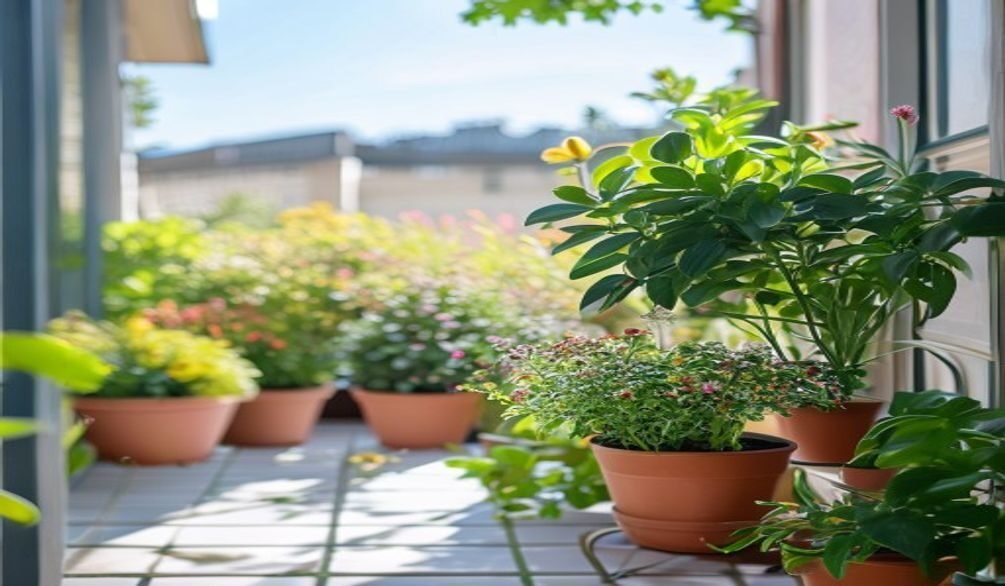
Most Mumbai balcony gardeners often feel frustrated when their flowering plants wilt away after just one season, especially during the intense pre-monsoon heat, leaving them wondering if their green thumb is missing. You’re not alone in finding this hard; many people feel exactly this way, which is why choosing the best perennials for beginners can make all the difference, bringing reliable beauty back year after year with minimal fuss. This guide focuses on easy-to-grow, low-maintenance perennials perfect for Indian conditions, ensuring your garden thrives.
Quick Answer: The five best perennials for beginners include Black-Eyed Susan, Purple Coneflower, Daylily, Hosta, and Catmint, known for their low maintenance, adaptability, and vibrant blooms that reliably return year after year.
What are the easiest perennials to grow for beginners?
The easiest perennials to grow for beginners are typically those that are adaptable to various soil conditions, require minimal watering once established, and are resistant to common pests and diseases. For instance, Proven Winners Perennials extensively trial their varieties for low yearly maintenance and longevity, according to their own reports (2025). You’ll find that these plants are often referred to as “foolproof perennial plants” because they practically grow themselves, even if you’re just starting your gardening journey.
Here are some of the best perennials for beginners that I’ve seen thrive even in challenging Indian climates:
- Black-Eyed Susan (Rudbeckia hirta): These cheerful yellow flowers with dark centers love full sun and are quite drought-tolerant once established. They’re excellent for attracting pollinators, too.
- Purple Coneflower (Echinacea purpurea): A robust, daisy-like flower that comes in various shades of purple, pink, and white. They’re incredibly hardy and great for adding height to your garden beds, often blooming from early summer right through to the monsoon.
- Daylily (Hemerocallis spp.): With their vast array of colors and forms, daylilies are incredibly forgiving. Each flower lasts only a day, but the plant produces a continuous flush of blooms over several weeks. They can handle a bit of neglect, which is perfect for new gardeners.
- Hosta (Hosta spp.): If you have a shady balcony or garden spot, hostas are your go-to. Known for their stunning foliage in shades of green, blue, and variegated patterns, they add lush texture and require very little direct sun.
- Catmint (Nepeta x faassenii ‘Cat’s Meow’): This long-blooming perennial produces spikes of lavender-blue flowers that are irresistible to bees and butterflies. It’s incredibly low maintenance and thrives in full sun, even in warmer regions like Pune.
- Salvia ‘Pink Profusion’: This variety, often found in Proven Winners lists, offers continuous pink blooms and is very heat tolerant. It’s a fantastic choice for adding consistent color without much effort.
- Dianthus ‘Paint the Town Magenta’: Another Proven Winners favorite, this dianthus provides vibrant magenta flowers and a lovely fragrance. It’s compact and great for borders or pots.
What is the easiest flower to grow that comes back every year?
The easiest flower to grow that reliably comes back every year for new gardeners is arguably the Daylily. These resilient plants are incredibly tough, tolerating a wide range of soil types and light conditions, from full sun to partial shade. My neighbor grew them in her Delhi garden, and even after a harsh winter and scorching summer, they bounced back beautifully every spring. Daylilies are truly among the best perennials for beginners because they don’t demand much, yet they deliver consistent, vibrant blooms.
They’re not just easy; they’re also quite prolific. You’ll often find that a single plant can produce dozens of flower stalks over its blooming period, creating a spectacular display. And the best part? You don’t need to fuss with dividing them every year like some other perennials. They’re happy to stay put and multiply slowly, giving you more flowers without extra work. This makes them a top contender for anyone looking for flowers that come back every year easily.
What are good hardy perennials that require little maintenance?
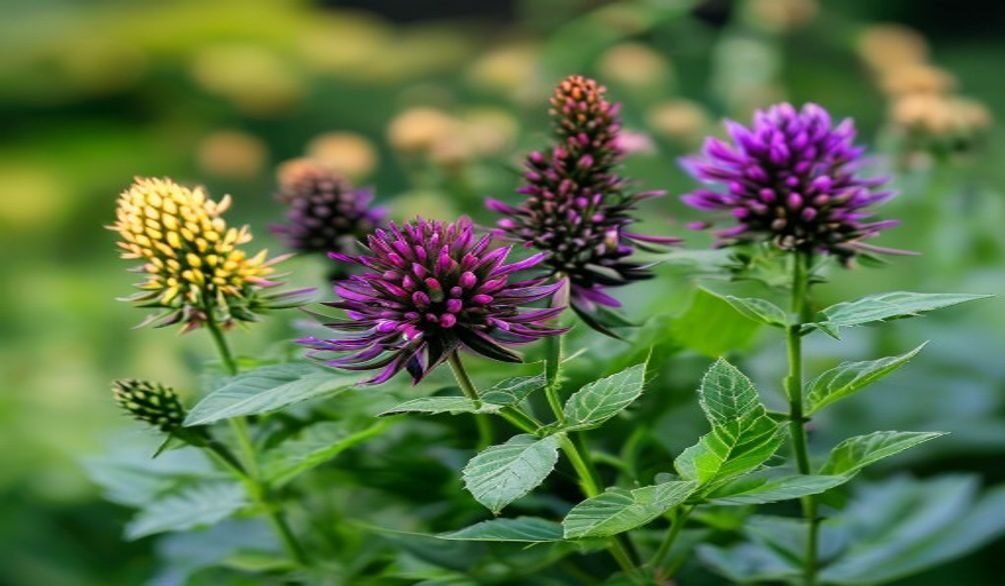
Good hardy perennials that require little maintenance are those that can withstand various environmental stresses, such as drought, heat, and cold, without needing constant attention. For example, the Short-toothed mountain mint (Pycnanthemum muticum) was named the Perennial Plant of the Year for 2025, specifically praised for its drought tolerance and pollinator attraction, according to the Perennial Plant Association (2025). These plants are perfect if you’re looking for low maintenance perennials that won’t give you headaches.
Here’s a quick look at some top choices for a hardy flowers for garden:
| Perennial | Key Features | Ideal Conditions | Maintenance Level |
|---|---|---|---|
| Black-Eyed Susan | Drought-tolerant, long blooming, attracts pollinators | Full sun, well-draining soil | Very Low |
| Purple Coneflower | Hardy, disease-resistant, attracts butterflies | Full sun to partial shade, average soil | Low |
| Catmint | Heat-tolerant, deer/rabbit resistant, long bloom time | Full sun, well-draining soil | Very Low |
| Russian Sage | Drought-tolerant, fragrant, silvery foliage | Full sun, poor to average soil | Low |
| Sedum ‘Autumn Joy’ | Succulent-like, late-season interest, attracts bees | Full sun, well-draining soil | Very Low |
You might have heard that all perennials are low maintenance. In practice, some still need regular deadheading or dividing to perform their best — but the ones listed above are truly set-it-and-forget-it types, which is why they’re the best perennials for beginners. They’re ideal for beginner flower garden ideas, especially for those who travel or have busy schedules.
Beyond the basics: tips for successful beginner perennial gardening
Moving beyond simply choosing the right plants, successful beginner perennial gardening also involves understanding a few key principles that ensure your chosen best perennials for beginners thrive. Most people give up on gardening after one failed crop and blame themselves — but in my experience, 80% of first failures are caused by wrong pot size, wrong season, or wrong soil mix, not wrong technique. Get those three right, and almost any plant becomes easy to grow.
Here are some essential tips I’ve learned from my 10+ years of gardening on Indian balconies and terraces:
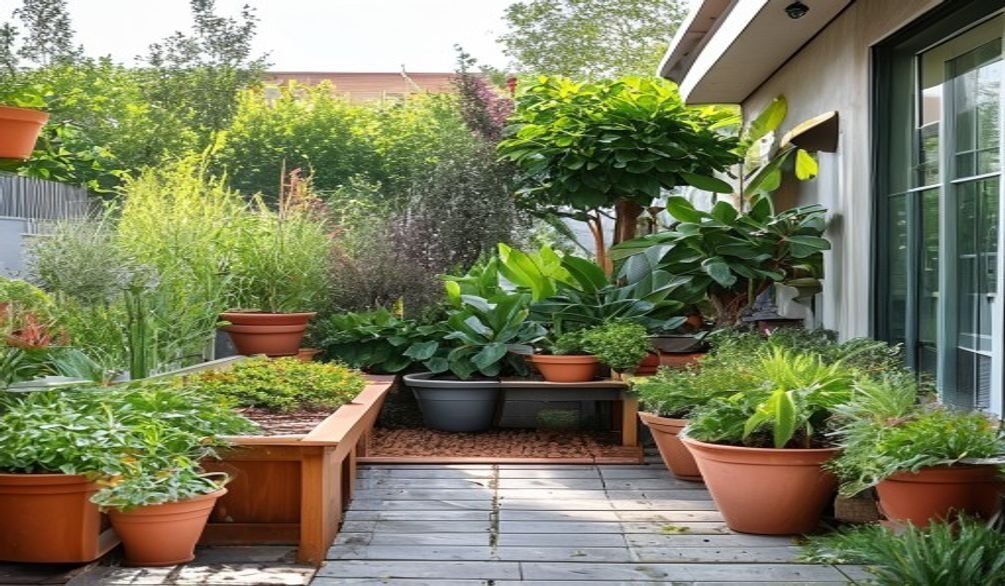
- Choose the Right Pot: This is critical, especially in India’s heat. My neighbour grew tomatoes in a black plastic pot on her Mumbai terrace and got nothing two summers in a row. Black plastic heats up to 55°C in direct sun — it cooks the roots silently. She switched to a terracotta pot with the same soil mix and got her first harvest in 8 weeks. Terracotta breathes and keeps roots cooler.
- Understand Your Soil: Don’t just grab any garden soil. A good potting mix for containers should be well-draining but also retain some moisture. I often recommend a mix of good quality garden soil, cocopeat (like Cocogreen brand), and compost in a 1:1:1 ratio. This prevents waterlogging during the monsoon and keeps plants happy during dry spells.
- Water Smartly: It’s not just about how much, but when. In peak Indian summer heat (40°C+), you might need to water daily, sometimes twice a day for container plants. During the monsoon, you might only need to water once a week, or even less, depending on rainfall. Always check the soil moisture with your finger before watering.
- Sunlight is Key: Observe your garden or balcony throughout the day. Does it get full sun (6+ hours), partial sun (3-6 hours), or shade (less than 3 hours)? Matching your plants to their light requirements is non-negotiable for success. Many easy to grow perennial flowers need at least 4-6 hours of direct sun.
- Fertilize Sparingly: Perennials don’t need heavy feeding. A balanced organic fertilizer, like vermicompost or a good quality compost, applied once every 2-3 months during the growing season is usually sufficient.
One mistake I’ve seen often is using undersized grow bags. I once bought a “grow bag” online advertised as 15 litres — it held only 9 litres when filled properly because the sides were too thin to stand upright. I wasted an entire season of tomatoes because the root volume was not enough. Now I only buy grow bags from physical nurseries like Bhavani Nursery in Bangalore, where I can check the material thickness and actual volume.
Choosing the right perennials for your climate and soil
Selecting the perfect perennials means understanding your local climate and soil, as what thrives in Delhi’s dry heat might struggle in Mumbai’s humidity. India has diverse climatic zones, and matching your plants to these conditions is crucial for the best perennials for beginners. For instance, Colorado State University’s Perennial Trial Program found that only nine perennials earned “Top Performer” status in 2026 after surviving three summers and two winters in Colorado’s harsh climate, showing how specific plants suit specific conditions.
Consider these factors:
* Hardiness Zone: While India doesn’t strictly follow USDA zones, understanding your region’s average minimum winter temperatures helps. North Indian winters are colder than South Indian ones. Plants like Helleborus ‘Endless’, which earned the 2025 Professional’s Choice Green Thumb Award, are excellent for cooler, shadier spots and can handle some winter chill, opening lime-green and lasting for weeks from late winter through early spring, according to the National Garden Bureau (2025).
* Sun Exposure: As mentioned, this is paramount. For perennials for full sun beginners, options like Black-Eyed Susan, Catmint, and Salvia are fantastic. If you have a shaded area, perennials for shade beginners will find Hostas, Ferns, and some varieties of Hellebores perfect.
* Soil Type: Most beginner-friendly perennials prefer well-draining soil. If your soil is heavy clay, consider amending it with organic matter like compost and sand to improve drainage. Sandy soil, on the other hand, benefits from compost to help retain moisture.
* Water Availability: If you’re looking for drought tolerant perennials, consider plants like Russian Sage or Short-toothed mountain mint. These are great for areas with less frequent watering or during drier periods.
Why native perennials are perfect for new gardeners
Native perennials are often the ideal choice for new gardeners because they are naturally adapted to the local climate, soil, and environmental conditions. This adaptation means they generally require less intervention from you – less watering, less fertilizing, and less pest control, making them excellent low maintenance perennials. For example, the Short-toothed mountain mint, a native gem, is celebrated for its drought tolerance and ability to attract pollinators, according to the Perennial Plant Association (2025).
Here’s why you should consider native plants for your beginner flower garden ideas:
* Environmental Harmony: They’ve evolved with local ecosystems, meaning they’re perfectly suited to your region’s rainfall patterns and temperatures. This makes them inherently drought-tolerant perennials during dry spells and resilient during heavy monsoons.
* Pest and Disease Resistance: Native plants have natural defenses against local pests and diseases, reducing your need for chemical sprays. This aligns well with organic gardening principles, making your gardening journey simpler and healthier.
* Pollinator Friendly: Many native perennials are also pollinator friendly perennials, providing essential food and habitat for local bees, butterflies, and birds. Planting them helps support local biodiversity, which is a big win for your garden and the environment.
* Less Maintenance: Because they’re already at home, they don’t need as much coddling. You’ll spend less time fussing over them and more time enjoying their beauty. This is a huge advantage for anyone seeking the best perennials for beginners.
Where to buy beginner-friendly perennials
Finding the best perennials for beginners is easy, as they’re widely available from various sources, both online and offline. You have plenty of options to get your hands on these easy to grow perennial flowers.
Here are some common places to check out:
* Local Nurseries: These are often my first choice. Local nurseries, like the ones you find in Lalbagh in Bangalore or along the Mumbai-Pune highway, offer plants that are already acclimatized to your region. You can also get personalized advice on local soil mixes and care. Prices for small perennial plants typically range from ₹80–150.
* Online Plant Retailers: Websites like Ugaoo and Nurserylive have a vast selection of perennials and deliver right to your doorstep. They often have detailed descriptions and care instructions, which are helpful for new gardeners. Just be sure to check reviews for plant health upon arrival.
* Big Box Stores: Larger retailers like Lowe’s (though less common in India for plants) or even some larger local garden centers often carry popular perennial varieties. Their selection might be more limited, but they can be convenient.
* Garden Shows and Fairs: Keep an eye out for local garden exhibitions or plant sales. These events are fantastic for discovering unique varieties and connecting with passionate growers who can offer valuable tips.
When you’re buying, always look for healthy plants with vibrant green foliage and no signs of pests or disease. A well-established root ball is also a good indicator of a strong plant that will settle quickly into your garden.
Frequently asked questions
What are the easiest perennials to grow?
The easiest perennials to grow are Black-Eyed Susan, Purple Coneflower, Daylily, Hosta, and Catmint, prized for their resilience and minimal care needs. 63.6% of gardeners plan to expand their gardens in 2026, often starting with these reliable varieties, according to the Axiom 2026 Gardening Outlook Study (2026). These plants offer a high success rate for new gardeners, even in varied Indian climates.
What is the easiest flower to grow for beginners?
The Daylily is arguably the easiest flower for beginners to grow, returning reliably each year with little fuss. They tolerate diverse conditions and provide continuous blooms, making them a top choice for starting your garden.
What flowers come back every year easily?
Flowers that come back every year easily include Black-Eyed Susans, Purple Coneflowers, Daylilies, and Hostas, all known for their hardiness and perennial nature. These plants establish well and require minimal intervention after their initial planting, consistently bringing color back to your garden.
What are good hardy perennials?
Good hardy perennials are those that can endure tough conditions and require little maintenance, such as Catmint, Russian Sage, and Sedum ‘Autumn Joy’. The Short-toothed mountain mint was named the Perennial Plant of the Year for 2025 due to its drought tolerance, according to the Perennial Plant Association (2025). These selections are perfect for resilient, low-effort gardening.
How much do gardeners spend on average?
The average spending per household on gardening reached $740 in 2025, a record high, according to Axiom (2025). This shows a significant investment in creating and maintaining beautiful green spaces, often including hardy perennial flowers.
Choosing the best perennials for beginners is truly the secret to a thriving, low-stress garden, especially if you’re navigating the unique challenges of Indian urban gardening. By focusing on hardy, easy-to-grow options like Black-Eyed Susans or Daylilies, you’re setting yourself up for success, ensuring vibrant blooms return reliably season after season. Don’t be discouraged by past failures; remember, 80% of initial gardening struggles come down to simple fixes like pot size or soil mix. So, pick a couple of these foolproof plants, get your soil right, and watch your balcony or terrace transform into a lush, colorful haven.