Key Takeaways
- The U.S. gardening market was valued at $22 billion in 2025, according to industry reports (2025).
- 60% of nut growers identified navel orangeworm as their most troublesome pest in 2025, according to industry surveys (2025).
- Hand-picking pests is effective for larger insects like the Colorado potato beetle, according to Illinois Extension (2025).
- The plant disease diagnostics market is expected to grow to $0.82 billion in 2026, representing a 7.6% CAGR, according to market projections (2026).
- Neem oil is a natural treatment for various pests including aphids and spider mites, based on common gardening practices.
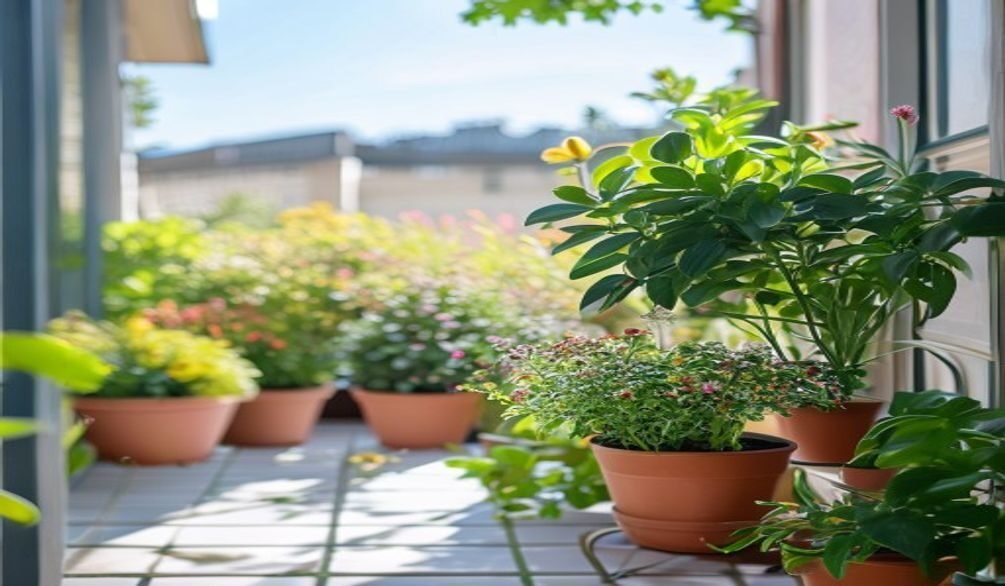
Every Indian gardener has faced that disheartening moment: you step onto your balcony, ready to admire your thriving pudina or lal mirch, only to spot tiny holes, sticky leaves, or worse, actual critters munching away. It’s frustrating, isn’t it? But don’t worry, you’re not alone in finding this hard. The good news is, with a bit of observation and the right knowledge, you can absolutely identify and fix plant pests effectively, keeping your green friends healthy and happy.
Quick Answer: To identify plant pests, look for visible insects, unusual spots, holes, webbing, or distorted growth on leaves, stems, and soil. Fix them using methods like hand-picking, insecticidal soap, neem oil, sticky traps, or beneficial insects for effective control.
What are the most common plant pests?
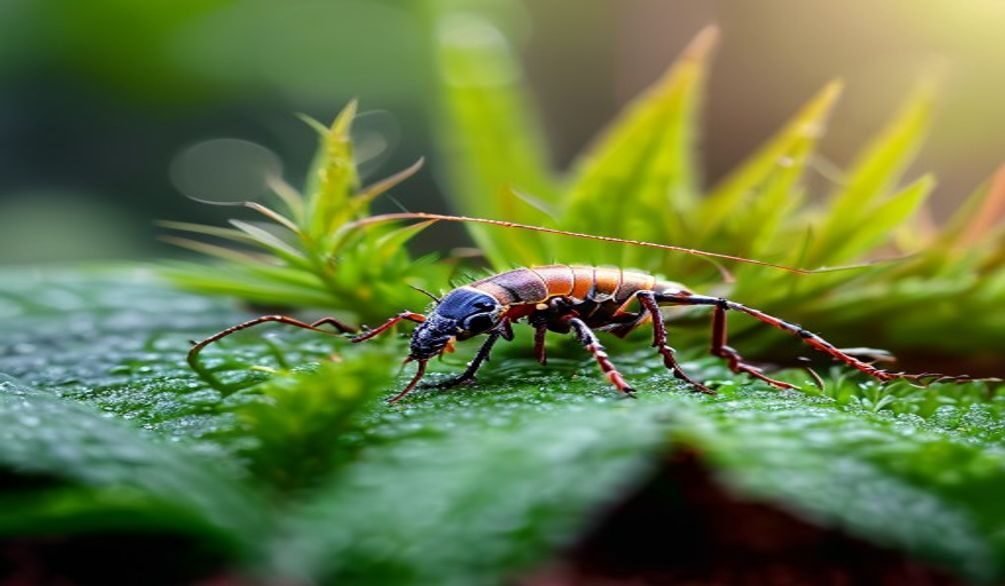
The most common plant pests you’ll encounter in Indian gardens, especially on balconies and terraces, are aphids, spider mites, mealybugs, whiteflies, and fungus gnats. For instance, 60% of nut growers reported that navel orangeworm was their most troublesome pest in 2025, with 64% identifying it as their top concern for 2026, according to industry surveys (2025). These tiny invaders can wreak havoc if left unchecked, but knowing who you’re up against is half the battle.
Let’s break down some of the usual suspects you’ll want to learn to identify and fix plant pests for:
- Aphids: These small, soft-bodied insects cluster on new growth and the undersides of leaves, sucking out plant sap. They come in green, black, yellow, or pink. You’ll often see sticky honeydew left behind, which can lead to sooty mold.
- Spider Mites: Super tiny and often red or brown, these pests are hard to see with the naked eye. Look for fine webbing on leaves and stems, especially on plants like hibiscus or marigolds, and tiny yellow or brown stippling on foliage.
- Mealybugs: These look like small, white, cottony masses in leaf axils or on stems. They’re sap-suckers too, and their waxy coating makes them a bit trickier to tackle. I’ve seen these devastate citrus plants in Pune terrace gardens.
- Whiteflies: Small, white, moth-like insects that fly up in a cloud when disturbed. They also feed on sap, causing leaves to yellow and wilt.
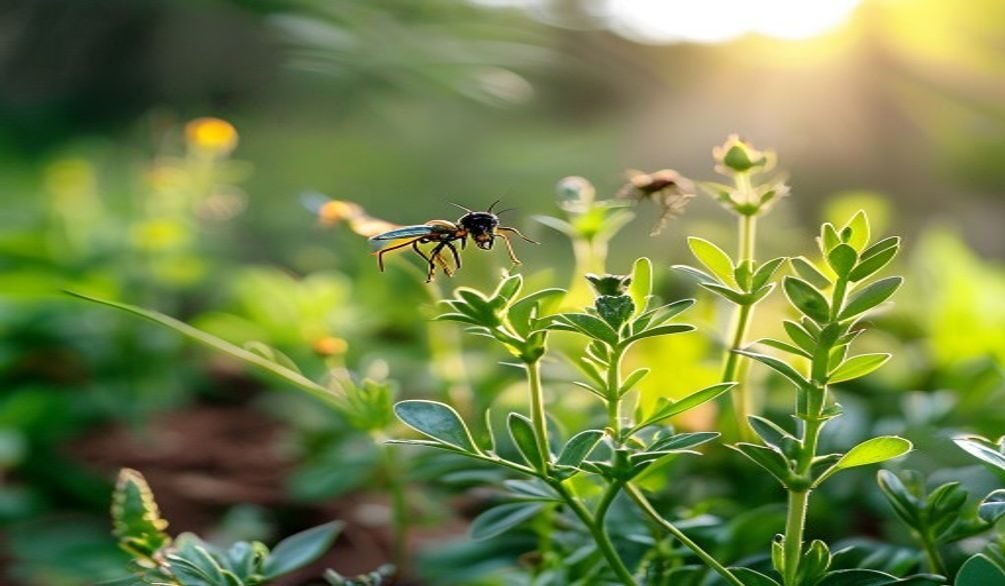
- Fungus Gnats: If you see tiny, dark, mosquito-like flies buzzing around your potted plants, especially after watering, you’ve got fungus gnats. Their larvae feed on fungus in damp soil, and in major infestations, they can damage plant roots, according to Darryl Cheng of House Plant Journal (2026).
Understanding these common garden pests identification cues is crucial for timely intervention.
How do you identify tiny bugs on your plants?
Identifying tiny bugs on your plants involves a keen eye and knowing where to look for specific signs of damage. Most people feel exactly this way when starting out; it’s like learning a new language of plant distress. To effectively identify and fix plant pests, you need to be a detective in your own garden.
Here’s a quick guide to houseplant pest identification:
- Inspect regularly: Make it a habit to check your plants daily, especially the undersides of leaves and new growth. Early detection is key.
- Look for visible insects: Sometimes, they’re just there. Aphids might be clustered on a rose bud, or whiteflies will flutter up as you brush past your tulsi plant.
- Examine leaf damage: Are there tiny holes, chewed edges, or yellow/brown spots? Stippling (tiny dots) often points to spider mites. Distorted or curled leaves can indicate aphid activity.
- Check for webbing: Fine, delicate webbing between leaves or on stems is a tell-tale sign of spider mites.
- Spot sticky residue or sooty mold: If your plant feels sticky, that’s honeydew, a sugary excretion from sap-sucking pests like aphids or mealybugs. Sooty mold, a black fungus, often grows on this honeydew.
- Scrutinize the soil surface: Fungus gnats will be present as tiny flies, while their larvae might be harder to spot, but you’ll see the adults.
A magnifying glass can be a huge help for those really tiny culprits. I always keep one handy for my chilli plants; it makes a big difference when trying to spot early signs of spider mites.
How do you get rid of plant pests naturally?
You can get rid of plant pests naturally using a variety of organic pest management methods that are safe for your plants, your family, and the environment. Mechanical control methods can be rapidly effective and well-suited for minor pest concerns, according to Illinois Extension (2025). When I first started gardening, I thought I needed harsh chemicals for everything, but quickly learned that natural pest control remedies are incredibly powerful.
Here are some of my go-to natural strategies to identify and fix plant pests:
- Hand-picking: For larger pests like tomato hornworms or Japanese beetles, simply picking them off and dropping them into soapy water works wonders. It’s a bit gross, but very effective!
- Strong Water Spray: A forceful jet of water can dislodge many soft-bodied pests like aphids and whiteflies. Just be gentle enough not to damage your plant. Do this in the morning so the leaves can dry.
- Insecticidal Soap: This is a classic for a reason. Mix 1-2 teaspoons of mild liquid soap (like dish soap, but avoid those with degreasers) with a litre of water. Spray thoroughly, coating the undersides of leaves where pests often hide. It suffocates pests like aphids, spider mites, and mealybugs.
- Neem Oil Spray: Neem oil, readily available at local nurseries for ₹80-150, is a fantastic organic solution. Mix 5ml of cold-pressed neem oil with 1 litre of water and a few drops of mild soap as an emulsifier. Spray every 5-7 days for active infestations. It disrupts insect feeding and reproduction, making it great for spider mites treatment and getting rid of aphids.
- Rubbing Alcohol: For mealybugs and scale on indoor plants, dab a cotton swab dipped in rubbing alcohol directly onto the pests. It dissolves their waxy coating. I’ve used this many times on my philodendrons.
- Beneficial Insects: Introducing natural predators like ladybugs (for aphids) or lacewings can be a fantastic biological control method, especially for larger garden spaces.
The truth is, while many people jump straight to sprays, sometimes the simplest solution is the best. Eliot claims that a healthy plant, living in healthy soil, doesn’t need pest eradication because pests don’t attack healthy plants, as quoted by Dan Barber on QuoteFancy. This really resonates with my experience; healthy plants are just more resilient.
What are the black bugs on my plants?
Black bugs on your plants are most commonly black aphids, but they could also be fungus gnats, thrips, or even tiny black beetles. If you see clusters of small, pear-shaped black insects on new growth or flower buds, you’re almost certainly dealing with black aphids, which are common garden pests identification culprits.
Here’s how to differentiate and what to do:
| Pest Type | Appearance/Location | Damage Signs | Natural Fix |
|---|---|---|---|
| Black Aphids | Small, black, pear-shaped, clustered on new shoots/undersides of leaves. | Sticky honeydew, sooty mold, distorted new growth. | Insecticidal soap, neem oil, strong water spray. |
| Fungus Gnats (Adults) | Tiny, dark, mosquito-like flies, hovering around soil surface. | Larvae can damage roots if infestation is severe. | Yellow sticky traps, let soil dry out, Bacillus thuringiensis (Bt). |
| Thrips | Slender, black or dark brown, often found in flower buds or on leaf undersides. | Silvery streaks on leaves, distorted flowers, tiny black specks (excrement). | Neem oil, insecticidal soap, sticky traps. |
The key is observation. Are they flying? Are they stuck in clusters? Do they leave a sticky residue? Answering these questions helps you quickly identify and fix plant pests.
What are the white fuzzy things on my plants?
Those white fuzzy things on your plants are almost certainly mealybugs, which are notorious for hiding in crevices and leaf axils. They’re sap-sucking insects covered in a white, waxy, cotton-like substance that protects them from predators and sprays.
Mealybugs on plants can be quite persistent, but here’s how to manage them:
- Physical Removal: For small infestations, dip a cotton swab in rubbing alcohol and gently wipe away the mealybugs. The alcohol dissolves their waxy coating. I’ve found this incredibly effective for my indoor hibiscus plants.
- Pruning: If a stem or leaf is heavily infested, it’s often best to prune it off entirely and dispose of it away from your garden.
- Insecticidal Soap/Neem Oil: Thoroughly spray the affected plant with insecticidal soap or neem oil, ensuring you get into all the nooks and crannies. You might need to reapply every 5-7 days for a few weeks to break their life cycle.
- Isolation: If it’s a houseplant, isolate it immediately to prevent the mealybugs from spreading to other plants.
Mealybugs are tough, but consistent effort pays off. Don’t get discouraged if you don’t see results overnight.
How do you get rid of plant pests quickly?
To get rid of plant pests quickly, you’ll need a combination of immediate action and consistent follow-up, often starting with physical removal and targeted sprays. For minor concerns, mechanical control methods are often the fastest, according to Illinois Extension (2025). This is where you bring out the big guns of quick pest removal.
Here’s my approach when I need to identify and fix plant pests fast:
- Isolate Affected Plants: First, move any infested plants away from healthy ones to prevent spread. This is crucial for houseplant pest identification and containment.
- Blast with Water: For aphids, whiteflies, or spider mites, a strong jet of water from your hose can knock off a significant number of pests instantly. Do this outdoors if possible.
- Apply Insecticidal Soap: Prepare an insecticidal soap solution and spray the entire plant, focusing on the undersides of leaves. This provides immediate contact kill for many soft-bodied pests.
- Use Neem Oil: For a broader and more residual effect, a neem oil spray can work quickly to deter feeding and disrupt pest life cycles. It’s excellent for spider mites treatment and fungus gnats removal.
- Deploy Yellow Sticky Traps: These are great for catching adult flying pests like whiteflies, thrips, and fungus gnats, reducing their numbers rapidly. You can find them at any local nursery for about ₹50-₹100 for a pack.
- Rubbing Alcohol Swabs: For individual mealybugs or scale, dabbing them directly with rubbing alcohol on a cotton swab is a fast way to eliminate them on contact.
Honestly, the fastest fix is usually a multi-pronged attack. You might have heard that “just one spray will do it,” but in practice, you often need to combine physical removal with a natural spray and repeat it a few times to truly break the pest cycle. I once lost a whole tray of bhindi seedlings because I didn’t act quickly enough on a spider mite infestation, thinking one spray would be enough. The lesson learned was that persistence with the methods is key.
Preventative measures to avoid plant pests
Preventative measures are your best defense against plant pests, focusing on healthy plant culture and proactive monitoring. A healthy plant, living in healthy soil, doesn’t need pest eradication, because pests don’t attack healthy plants, as noted by Dan Barber, quoting Eliot. It’s about creating an environment where pests aren’t welcome in the first place, making it easier to identify and fix plant pests if they do appear.
Here are some key preventative steps:
- Inspect New Plants: Always check new plants thoroughly for any signs of pests before introducing them to your existing collection. Isolate them for a week or two if you’re unsure.
- Maintain Plant Health: Healthy plants are more resistant to pests. Ensure proper watering (I’ve learned that container plants on covered balconies still need watering in monsoon, as a July incident taught me when my plant died from drought!), adequate light, and appropriate nutrients. For instance, too much nitrogen can lead to lush, soft growth that aphids love.
- Good Air Circulation: Proper spacing between plants helps prevent fungal diseases and makes it harder for pests to jump from one plant to another. This is especially important in humid Mumbai weather.
- Cleanliness: Remove fallen leaves, spent flowers, and weeds regularly. These can harbor pests and diseases. Keep your gardening tools clean too!
- Quarantine Sick Plants: If a plant shows signs of distress or pests, move it away from others immediately.
- “Location matters more than difficulty rating.” Everyone tells beginners to start with easy plants — but easy is relative to your specific balcony conditions. A north-facing balcony in Bangalore and a south-facing terrace in Delhi need completely different starter plants. This is a crucial, often overlooked point for avoiding stress on plants, which attracts pests.
- Use Quality Potting Mix: A good quality, well-draining potting mix reduces the chances of fungus gnats, as they thrive in constantly damp, organic-rich soil.
These proactive steps significantly reduce your chances of needing emergency plant disease diagnosis.
Frequently asked questions
What are the signs of common garden pests identification?
Common garden pest identification signs include visible insects, holes or chewed leaves, yellowing or stippled foliage, sticky residue (honeydew), or fine webbing. For example, spider mites often leave tiny yellow dots and fine webs, according to C-I-L® Lawn and Garden (undated). Regularly inspecting the undersides of leaves and new growth is the best way to catch issues early.
How do you get rid of aphids on plants?
You can get rid of aphids on plants by blasting them with a strong stream of water, applying insecticidal soap, or using neem oil spray. Aphids are soft-bodied and easily dislodged or suffocated by these methods, as widely recommended by horticultural experts. For persistent infestations, repeat applications every few days are often necessary.
What is the best spider mites treatment?
The best spider mites treatment involves consistent use of neem oil spray, insecticidal soap, or a strong water spray, along with increasing humidity around the plant. Spider mites thrive in dry conditions, so misting plants can help deter them, according to many gardening guides. Removing heavily infested leaves also reduces their population quickly.
How do i identify and fix plant pests like mealybugs?
To identify and fix plant pests like mealybugs, look for white, cottony masses in leaf axils or on stems. Fix them by dabbing them directly with a cotton swab dipped in rubbing alcohol, or by thoroughly spraying the plant with insecticidal soap or neem oil. Isolation of the infested plant is also crucial to prevent spread.
What are natural pest control remedies for indoor plants?
Natural pest control remedies for indoor plants include hand-picking, insecticidal soap, neem oil, yellow sticky traps, and wiping leaves with a damp cloth. These methods are effective for common indoor plant pests like mealybugs, spider mites, and fungus gnats, ensuring your home remains free of harsh chemicals. Bacillus thuringiensis (Bt) can also control fungus gnat larvae when sprinkled in the soil, as noted by Darryl Cheng of House Plant Journal (2026).
Dealing with plant pests can feel like an uphill battle, but with the right knowledge and consistent effort, you can absolutely identify and fix plant pests in your garden. Remember, a healthy plant is your best defense, so focus on good cultural practices like proper watering, light, and nutrition. Don’t be afraid to get up close and personal with your plants; early detection and natural remedies are powerful tools in your gardening arsenal. Keep observing, keep learning, and your plants will thank you for it!