Key Takeaways
- 47.6% of gardeners spent more time gardening in 2025, according to Axiom (2025).
- 78% of U.S. gardeners adopted container gardening post-2020, as noted by Katie Tamony of Monrovia (2025).
- Overwatering is a leading cause of plant failure, often mimicking underwatering symptoms like wilting, according to Epic Gardening (2020).
- Amending soil with organic matter improves drainage and nutrient retention, preventing stunted growth and deficiencies, according to Gardenary (2020).
- Knowing local frost dates is crucial to avoid planting tender plants too early and losing them to cold snaps.
Most Mumbai balcony gardeners lose their tomato plants every May — not from pests, but from the scorching 40°C heat before the monsoon arrives, a classic example of **gardening beginner mistakes**. It’s frustrating to put in effort only to see your plants wilt away, but many of these setbacks are entirely preventable. This guide will help you navigate common pitfalls and cultivate a thriving garden right from the start.
Quick Answer: To avoid beginner gardening mistakes, prioritize proper watering, improve soil quality with organic matter, select suitable plants, plant at the right time, and ensure adequate spacing. Start small and research your local climate.
What are the most common beginner gardening mistakes?
The most common **gardening beginner mistakes** often revolve around incorrect watering, poor soil preparation, choosing the wrong plants for your climate, and improper planting times. Many new gardeners, myself included, have faced the disappointment of plants wilting or failing to thrive, and these issues are usually the culprits. For instance, 49.5% of gardeners spent more money gardening in 2025, an 11.5% increase from 2024, yet many still struggle with these fundamental errors, according to Axiom (2025).
It’s easy to get excited and buy a beautiful plant at a local nursery like Bhavani Nursery in Pune, only to realize it needs full sun when your balcony gets only morning light. Or, you might overwater your tulsi plant, thinking more is better, when in reality, its roots are suffocating. Overwatering, in particular, can be deceptive because the symptoms—wilting and yellowing leaves—often mimic those of underwatering, leading to even more watering and a worse problem, as noted by Epic Gardening (2020).
Here’s a quick rundown of typical beginner errors:
- Overwatering or Underwatering: This is probably the number one killer. Getting the balance right is tough, especially during the Indian summer heat or the monsoon.
- Ignoring Soil Quality: Planting in poor, unamended soil is like building a house on sand. Your plants won’t get the nutrients or drainage they need.
- Wrong Plant Choice: Trying to grow a cool-weather crop like broccoli in Mumbai’s humidity is a recipe for disaster.
- Incorrect Planting Time: Putting out tender seedlings like lal mirch too early in Delhi’s spring means they’ll get shocked by unexpected cold snaps.
- Overcrowding: Plants need space to grow! Jamming too many dhania plants into a small pot leads to competition for resources and stunted growth.
- Lack of Planning: Impulse buys at the hardware store or online on Ugaoo often lead to plants that don’t fit your space or climate, wasting effort and money.
How do you keep a beginner plant alive?
Keeping a beginner plant alive boils down to understanding its basic needs for light, water, and good soil, and avoiding common **gardening beginner mistakes**. You’ll want to provide consistent care without overdoing it. Gen Y (66.7%) and Gen Z (63.8%) spent more time gardening in 2025, showing a growing interest in nurturing plants, according to Axiom (2025).
Start by picking plants that are known for their hardiness and suitability for your local climate. For example, pudina or methi are incredibly forgiving and grow well in most Indian conditions. Once you have your plant, ensure it gets the right amount of sunlight—check the plant tag! Then, focus on proper watering. Instead of watering on a schedule, feel the soil. If the top inch or two is dry, it’s time to water.
Quick tip: In my 10 years of experience with balcony gardens, I’ve found terracotta pots outperform plastic for most Indian balcony plants. Yes, they dry faster and cost more (a good 10-inch pot might be ₹150-₹250), but the breathability prevents root rot, which is the number one killer of container plants in India’s humid monsoon months. It’s a small investment that makes a huge difference in avoiding those frustrating **gardening beginner mistakes**.
What should a beginner gardener plant first?
Beginner gardeners should start with easy-to-grow, resilient plants that provide quick rewards, which helps build confidence and avoids early **gardening beginner mistakes**. Herbs and leafy greens are fantastic choices. Nicole from Gardenary recommends starting with herbs and leafy greens, a strategy that has helped thousands of beginner gardeners find success (2020).
Think about plants that don’t demand too much fuss. Here are some top recommendations for Indian conditions:
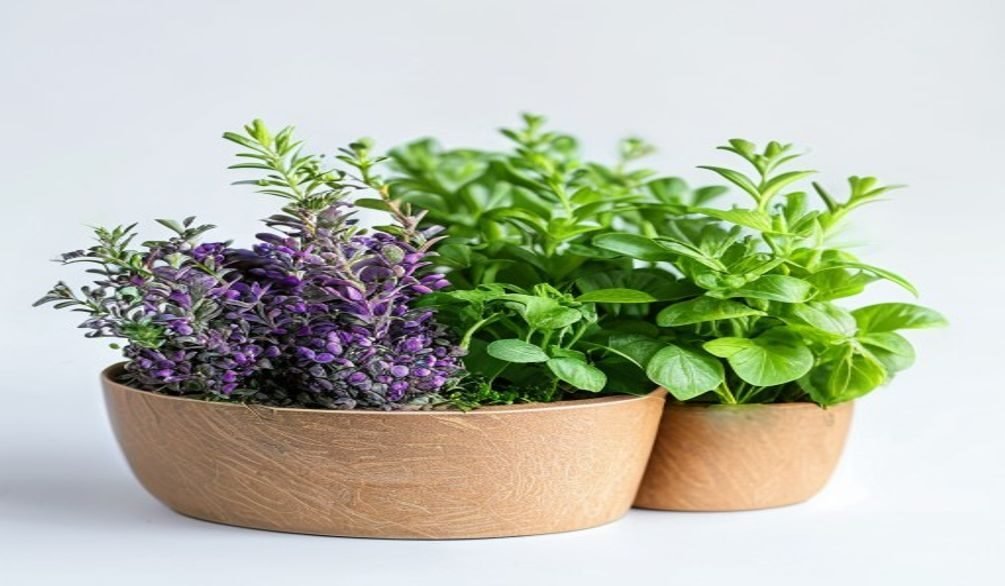
- Pudina (Mint): Grows vigorously, even in partial shade. Just keep it in its own pot because it spreads like crazy!
- Dhania (Coriander): Loves cooler weather. You can sow seeds directly and get fresh leaves in a few weeks.
- Tulsi (Holy Basil): Very hardy, thrives in sunlight, and has cultural significance. It’s quite forgiving if you forget to water occasionally.
- Bhindi (Okra): A warm-weather crop that produces pods quickly once established. Just make sure it gets plenty of sun.
- Cherry Tomatoes: Varieties like Pusa Ruby or Roma are often more manageable in containers than larger varieties.
These plants are relatively forgiving of slight watering inconsistencies or less-than-perfect soil, making them ideal for new gardeners.
How do i start a garden for beginners?
Starting a garden for beginners involves a few key steps: planning, choosing the right location and containers, preparing your soil, and selecting appropriate plants. Don’t jump into buying everything you see; thoughtful preparation prevents many **gardening beginner mistakes**. 63.6% of gardeners plan to plant more and expand their gardens in 2026, so getting the foundation right is more important than ever, according to Axiom (2025).
Here’s how to begin:
- Assess Your Space: How much sunlight does your balcony or terrace get? Is it morning sun, afternoon sun, or full day? This dictates what you can grow.
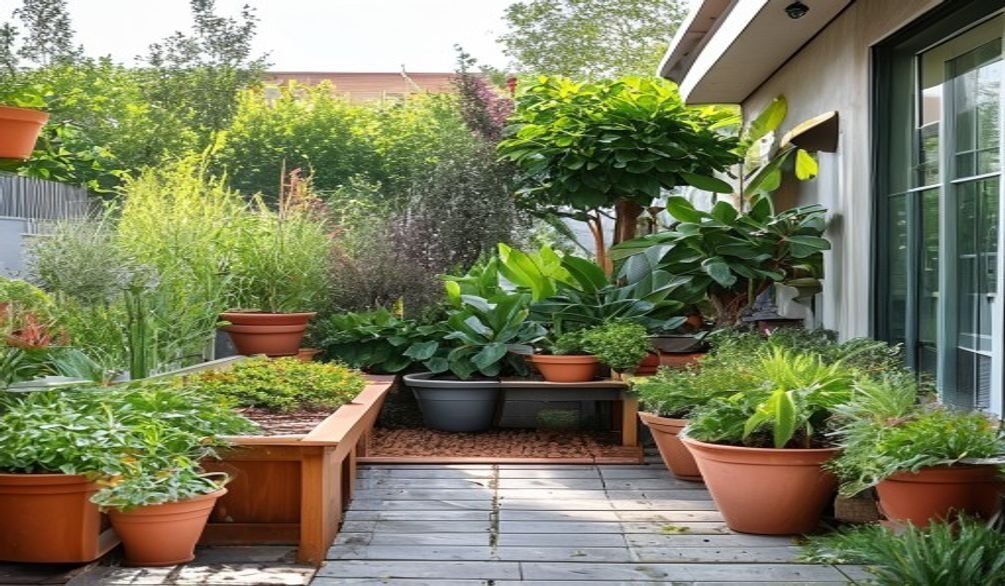
- Choose Containers Wisely: For Indian conditions, I always lean towards terracotta pots for their breathability, especially for vegetables. If using grow bags, be careful. I once bought a “grow bag” online advertised as 15 litres, but it only held 9 litres when filled properly because the sides were too thin to stand upright. I wasted an entire season of tomatoes because the root volume wasn’t enough. Now, I only buy grow bags from physical nurseries where I can check the material thickness and feel.
- Prepare Your Soil: Don’t just use garden soil. Mix it with compost, cocopeat, and perlite for good drainage and aeration. A good potting mix is crucial.
- Select Easy Plants: Start with herbs or simple vegetables as mentioned earlier. Don’t try to grow exotic fruits on your first go.
- Start Small: You might have heard “go big or go home,” but in practice, starting with 3-5 pots is far more manageable than a dozen. It allows you to learn without getting overwhelmed.
Remember, a little research into your local climate and plant needs goes a long way. Websites like Ugaoo and Nurserylive offer plant information specific to India, which can be a real help.
Why is soil quality critical for beginner gardeners?
Soil quality is absolutely critical for beginner gardeners because it’s the foundation for healthy plant growth, directly impacting nutrient availability, drainage, and root development. Poor soil is a leading cause of **gardening beginner mistakes**, often resulting in stunted plants, yellowing leaves, and susceptibility to disease. Amending soil with organic matter like compost is a key solution, according to Gardenary (2020).
Think of your soil as your plant’s pantry and plumbing system. If it’s lacking nutrients, your plant starves. If it doesn’t drain well, roots can rot, especially during the monsoon season in places like Mumbai. Good soil provides:
- Nutrients: Plants absorb essential minerals from the soil. Rich, organic soil acts as a slow-release fertilizer.
- Drainage: Roots need air as much as water. Compacted or heavy soil holds too much water, suffocating roots.
- Aeration: Loose, well-structured soil allows roots to spread easily and access oxygen.
- Water Retention: While good drainage is key, soil also needs to hold enough moisture between waterings. Organic matter helps here too.
Using a mix of cocopeat (easily found at local kiryana stores or online), compost, and garden soil will give your plants a much better start than just plain dirt. This initial effort prevents so many frustrating **gardening beginner mistakes** later on.
How can proper watering prevent beginner gardening mistakes?
Proper watering is perhaps the single most effective way to prevent **gardening beginner mistakes**, as both overwatering and underwatering can quickly lead to plant stress and death. It’s a delicate balance, and getting it right is fundamental to plant health. A common mistake, overwatering can suffocate roots and lead to rot, often mimicking underwatering symptoms like wilting and yellowing leaves, according to Epic Gardening (2020).
You’ll often hear advice to “water deeply and infrequently,” which is generally good, but the frequency depends entirely on your climate, the plant, and the pot size. In the peak Indian summer heat (40°C+), a plant in a small pot might need watering twice a day, while in the cool Delhi winter, it might be once every few days. The key is to check the soil moisture. Stick your finger about an inch or two into the soil; if it feels dry, it’s time to water. A soil moisture meter, available for ₹300-₹500, can also be a fantastic tool for beginners to accurately gauge soil moisture up to 12 inches deep.
Consider these watering tips:
* Water at the Base: Aim water directly at the soil, not the leaves, to reduce fungal issues.
* Deep Watering: Water until you see it drain from the bottom of the pot. This encourages deeper root growth.
* Morning Watering: Watering in the morning allows plants to absorb moisture before the day’s heat and gives leaves time to dry, preventing fungal diseases.
* Adjust for Seasons: Reduce watering significantly during the monsoon (unless plants are sheltered) and in cooler months. Increase it during hot, dry periods.
What are easy vegetables for beginner gardeners to grow?
Easy vegetables for beginner gardeners to grow are those that are forgiving of minor care inconsistencies, produce relatively quickly, and thrive in common Indian climate conditions. Focusing on these helps avoid many common **gardening beginner mistakes**. Growing your own food is incredibly rewarding, and starting with simple options makes the journey enjoyable.
Here’s a table of some fantastic beginner-friendly vegetables:
| Vegetable | Why it’s easy for beginners | Ideal Season (Indian Context) |
|---|---|---|
| Dhania (Coriander) | Quick growth, easy from seed, tolerates some shade. | Cooler months (post-monsoon, winter) |
| Pudina (Mint) | Extremely vigorous, grows in sun or partial shade, very hard to kill. | All year (keep in separate pot) |
| Bhindi (Okra) | Heat-tolerant, prolific producer once established. | Pre-monsoon, summer |
| Palak (Spinach) | Fast-growing, cut-and-come-again harvesting. | Cooler months (winter) |
| Cherry Tomatoes | More forgiving than large varieties, good for containers. | Post-monsoon, early summer |
| Radish | Super fast from seed to harvest (20-30 days). | Cooler months (winter) |
These choices are generally quite robust and less prone to common problems that can lead to **gardening beginner mistakes**. For example, I tried liquid seaweed fertilizer on my hibiscus expecting faster flowering once, but I got 3 new leaves and no flowers for 8 weeks. The seaweed was pushing vegetative growth because the plant was already in nitrogen-rich soil. The lesson? Understand what your plant needs before adding any fertilizer, and start simple. Sticking to these easy vegetables helps simplify that learning curve.
Frequently asked questions
What are the most common beginner gardening mistakes?
The most common **gardening beginner mistakes** include incorrect watering, poor soil quality, choosing unsuitable plants for the local climate, and improper planting times. Overwatering is a frequent issue, with symptoms often mimicking underwatering, according to Epic Gardening (2020). Addressing these fundamental issues is key to early success.
What are the easiest vegetables for beginner gardeners to grow?
The easiest vegetables for beginner gardeners to grow are resilient plants like pudina, dhania, bhindi, palak, and cherry tomatoes. These plants are forgiving of minor care issues and often provide quick harvests, helping to build confidence. Nicole from Gardenary suggests starting with herbs and leafy greens for consistent success (2020).
How do i start a garden for beginners?
To start a garden for beginners, begin by assessing your available sunlight, choosing appropriate containers, preparing well-draining, nutrient-rich soil, and selecting easy-to-grow plants. It’s best to start small with 3-5 pots to learn the ropes without feeling overwhelmed. Planning ahead prevents impulse buys that often lead to **gardening beginner mistakes**.
What should a beginner gardener plant first?
A beginner gardener should plant fast-growing, low-maintenance herbs and leafy greens first, such as pudina, dhania, or tulsi. These plants are generally forgiving and offer quick rewards, which is encouraging for new gardeners. They help you learn basic plant care without the complexity of more demanding crops.
How do you keep a beginner plant alive?
You keep a beginner plant alive by providing adequate light, consistent (but not excessive) watering, and quality soil, while also ensuring it’s the right plant for your climate. Feeling the soil to check for dryness before watering is a simple yet effective technique. Terracotta pots can also help prevent root rot in humid conditions, which is a common problem for beginners.
Navigating the initial challenges of cultivating a garden can feel daunting, but avoiding common **gardening beginner mistakes** is entirely achievable with a bit of knowledge and observation. Focus on the fundamentals: understanding your plant’s specific needs, ensuring proper soil health, and mastering the art of watering. Remember, every seasoned gardener started somewhere, and many of us made our share of errors. By learning from these common pitfalls, you’re setting yourself up for a truly rewarding gardening journey. So, go ahead, get your hands dirty, and enjoy the process!