Key Takeaways
- The global hydroponics market was valued at approximately USD 12.24 billion in 2025, according to market projections.
- Hydroponics uses up to 90% less water than traditional soil-based gardening methods.
- Leafy greens accounted for 47.2% of the hydroponics market value by crop type in 2025.
- Small-scale hydroponic systems are projected to grow at a 13.3% CAGR between 2026 and 2031.
- Spinach can be harvested in about 40 days from seedling in a Kratky system, according to Demeter Guides.
Most urban gardeners in India know the struggle of wanting fresh produce but only having a tiny balcony or a sunny kitchen window. That’s where **hydroponic plants for small spaces** come in, offering a smart way to cultivate greens and veggies without needing vast stretches of soil. It’s a fantastic solution for anyone lacking outdoor space, letting you transform even a compact corner into a thriving garden. This article will guide you through the best plants and systems to make your small-space hydroponic dreams a reality.
Quick Answer: The best plants for small-space hydroponics include leafy greens like lettuce and spinach, various herbs such as basil and mint, strawberries, cherry tomatoes, and bush beans, all selected for their compact size and high productivity in confined indoor environments.
What are the best hydroponic plants for small spaces?
The best hydroponic plants for small spaces are typically compact, fast-growing, and provide a continuous harvest, making them ideal for urban dwellers. Leafy greens captured 47.2% of the hydroponics market value by crop type in 2025, according to market data, highlighting their popularity. You’re looking for plants that don’t need deep root systems or vast horizontal space.
Here are some top contenders for your small indoor hydroponic garden:
- Leafy Greens: Think lettuce, spinach (palak), kale, and Swiss chard. They grow quickly, are easy to maintain, and don’t take up much room. Spinach, for instance, can go from seed to seedling in about a week and be ready for harvest in forty days using a simple Kratky system, according to Demeter Guides.
- Herbs: Pudina, dhania, basil, mint, and oregano are fantastic choices. They thrive in hydroponics and you can snip off what you need, encouraging more growth. In my experience, growing pudina from seeds was always slow and patchy. But when I switched to cuttings from a fresh sabziwala bunch, 9 out of 10 rooted in water in just six days and were ready for planting by day eight. Seeds are just never worth the effort for pudina when cuttings work so well.
- Strawberries: These little fruit factories do surprisingly well in vertical hydroponics for small spaces, offering sweet treats without a lot of fuss.
- Cherry Tomatoes: Compact varieties like Tiny Tim or Pusa Ruby can be grown successfully. While they need more light and support than greens, they offer a rewarding harvest.
- Bush Beans: Unlike pole beans, bush varieties stay compact and produce a good yield in a small hydroponic setup.
These options ensure you get a consistent supply of fresh produce, even if your growing area is just a countertop.
What is the easiest plant to grow hydroponically in a small system?
The easiest plant to grow hydroponically in a small system is undoubtedly **lettuce**, especially varieties like butterhead or loose-leaf. Lettuce is incredibly forgiving and grows rapidly, often ready for harvest in just 3-4 weeks from transplanting. It doesn’t require high light intensity or complex nutrient solutions, which is perfect for beginners using a countertop hydroponic garden. You won’t have to worry much about pests either, which is a huge bonus for indoor growing. Most people find that once they get their lettuce thriving, it builds their confidence to try other hydroponic plants for small spaces.
Can you grow tomatoes in a small hydroponic system?
Yes, you absolutely can grow tomatoes in a small hydroponic system, but you’ll need to choose compact, determinate varieties like cherry tomatoes or bush tomatoes. “Farmer Rudd” in Charleston, a hydroponic farmer, grows cucumbers and tomatoes hydroponically for a living, proving it’s entirely feasible. Unlike sprawling indeterminate varieties that can quickly outgrow a small space, bush tomatoes are bred to stay smaller and produce their fruit all at once.
Here’s what you’ll need to consider for hydroponic tomatoes in tight quarters:
- Variety Selection: Look for specific small-space hydroponic varieties like ‘Micro Tom,’ ‘Tiny Tim,’ or ‘Patio Princess.’ These plants are designed to be compact.
- Light: Tomatoes are heavy feeders when it comes to light. You’ll need a strong grow light for small hydroponics, providing at least 12-16 hours of light daily. This is crucial, especially during the shorter winter days in places like Delhi.
- Support: Even small tomato plants will need some staking or a small trellis to support their fruit-laden branches.
- Nutrients: They’ll require a nutrient solution formulated for fruiting plants, which is different from what leafy greens need. General Hydroponics offers excellent nutrient kits that cater to different plant stages.
- Pruning: Regular pruning helps manage growth and directs energy into fruit production rather than excessive foliage.
It sounds simple, but managing humidity, especially in Mumbai’s climate, and ensuring consistent nutrient delivery can be tricky. However, the reward of fresh, homegrown cherry tomatoes is well worth the effort.
What vegetables can be grown in small hydroponics?
Many common vegetables can be grown successfully as hydroponic plants for small spaces, especially those that don’t develop large root systems or require extensive sprawling growth. Amy Bartlett from Garden Savvy states that hydroponics is a “suitable solution for an urban dweller who yearns for more greenery and lacks the space to cultivate a garden because it uses nutrient-rich water solutions instead of soil.” This really highlights how well it suits tight quarters and indoor environments.
Beyond lettuce and herbs, consider these hydroponic vegetables for apartments:
- Spinach (Palak): A fantastic choice, growing quickly and providing continuous harvests.
- Kale: Another leafy green powerhouse that thrives in compact hydroponic setups.
- Swiss Chard: Offers colorful stems and nutritious leaves, perfect for a small indoor hydroponic garden.
- Radishes: These root vegetables are surprisingly good for hydroponics and mature very fast.
- Bush Cucumbers: Similar to bush tomatoes, these compact varieties can yield well with proper support and light.
- Bell Peppers (Dwarf Varieties): Small pepper plants can produce a decent harvest in a controlled hydroponic environment.
- Microgreens: These are probably the ultimate small-space crop, harvested young and packed with nutrients. They’re perfect for a quick, continuous yield.
The key is to pick varieties specifically bred for compact growth. You might have heard that root vegetables are difficult in hydroponics. In practice, larger root vegetables like potatoes or carrots are indeed challenging due to their need for physical space for root development and specific nutrient balances. However, smaller, faster-growing root crops like radishes can do quite well, especially in deep water culture (DWC) systems where their roots have ample room to grow downwards into the nutrient solution.
Tips for successful small-space hydroponic gardening
Achieving success with hydroponic plants for small spaces involves paying close attention to a few key environmental factors that ensure your plants thrive in their confined environment. Proper lighting and nutrient management are critical for any small indoor hydroponic garden.
Here are some essential tips:
- Choose the Right System: Opt for compact systems like the AeroGarden Harvest, Click & Grow Smart Garden, or a simple Kratky Mason Jar Kit. The Kratky method, in particular, is an inexpensive entry point for learning hydroponics fundamentals without electricity, according to experts.
- Provide Adequate Light: Most hydroponic plants need at least 12-16 hours of light daily. Invest in good quality grow lights for small hydroponics. LED grow lights are energy-efficient and produce less heat, which is important in a small, enclosed space.
- Monitor Nutrient Levels: Use a high-quality hydroponic nutrient solution, like those from General Hydroponics. Regularly check and adjust pH levels (typically between 5.5 and 6.5 for most plants) and Electrical Conductivity (EC) to ensure your plants are getting the right balance of food.
- Maintain Water Quality: Hydroponics uses up to 90% less water than traditional soil-based gardening. However, clean, filtered water is essential to prevent issues. Change your nutrient solution every 1-2 weeks to keep it fresh and prevent pathogen buildup.
- Ensure Good Air Circulation: In small spaces, stagnant air can lead to fungal issues. A small fan can help circulate air around your plants, strengthening stems and preventing diseases.
- Prune Regularly: Trimming away old or yellowing leaves and any excessive growth helps direct the plant’s energy towards producing fruits or new leaves, which is especially important for maximizing yield in compact hydroponic setups.
Honestly, the biggest mistake I see beginners make is not understanding their water quality or the specific needs of their chosen plants. Just like how I lost my entire dhania crop in May 2022 by sowing directly in a south-facing pot where the soil hit 45°C, hydroponic plants can also suffer from extreme conditions if not monitored. Moving to morning sun with afternoon shade for the coriander fixed it, and similarly, understanding your hydroponic system’s environment is key.
What are the best hydroponic systems for beginners in small spaces?
For beginners looking to cultivate hydroponic plants for small spaces, the best systems are those that offer simplicity, automation, and a compact design, minimizing the learning curve and initial investment. Small-scale hydroponic systems are projected to grow at a 13.3% CAGR between 2026 and 2031, reflecting their increasing accessibility.
Here are some excellent options:
* **AeroGarden Harvest:** This system offers “plug-and-play simplicity” and can grow 6 pods of herbs or greens. It’s known for consistent results, with basil growing from seed to harvest in just 21 days. It’s a great choice for a countertop hydroponic garden.
* **Click & Grow Smart Garden 3:** This system operates silently as it uses no water pump, making it ideal for quiet living spaces. It holds 3 pods and has a very compact footprint, perfect for hydroponic herbs in a small space.
* **LetPot Mini 5-Pod Indoor Hydroponic Garden:** Recommended for starters, this system features app control, water-shortage reminders, and adjustable growing lights. The LetPot LPH-Max is a larger smart garden option, but the Mini is perfect for a beginner’s small space.
* **Kratky Method (DIY Mason Jar):** This is perhaps the “smallest functional hydroponic system” and an incredibly inexpensive entry point (under ₹800 for a kit) for learning the fundamentals. You can start with a single mason jar, which is great for best plants for Kratky method like lettuce or spinach.
* **Suncoze Hydroponic Growing System Kit:** Described as a compact and beginner-friendly option for herbs and everyday greens, this system comes with 12 pods, offering a bit more capacity than some others while still being manageable.
When choosing, think about how much space you truly have and how hands-on you want to be. Systems like AeroGarden or Click & Grow automate much of the process, making them super easy. If you’re keen to learn the ropes without much cost, the Kratky method is your best bet.
Maximizing yield in compact hydroponic setups
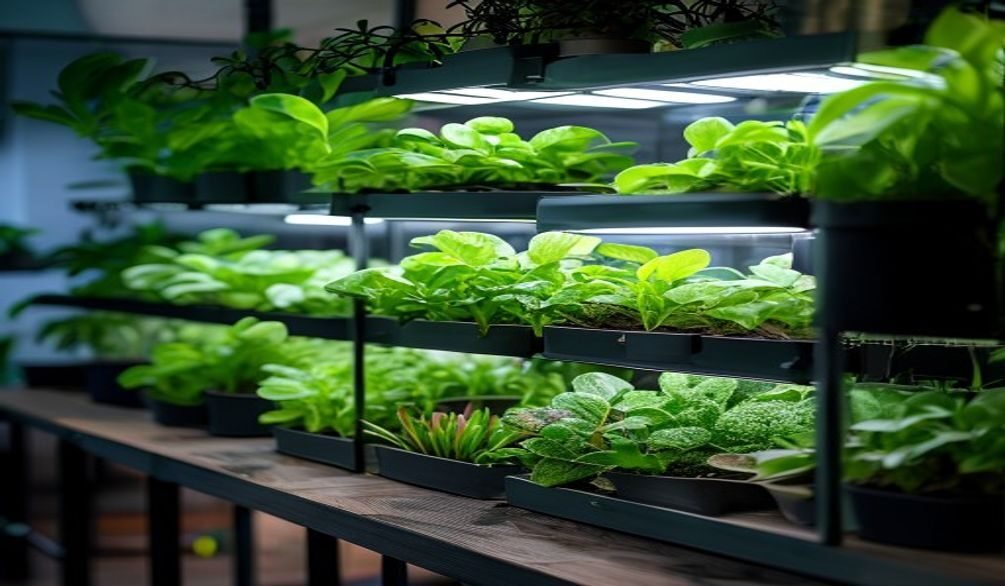
Maximizing yield from your hydroponic plants for small spaces is all about smart plant selection, environmental control, and consistent care, ensuring every inch of your compact setup produces. Even with limited room, you can achieve impressive harvests by focusing on efficiency.
Here’s how to get the most out of your small indoor hydroponic garden:
| Strategy | Benefit for Small Spaces | Example Plant/Method |
|---|---|---|
| Vertical Growth | Utilizes overhead space, increasing plant count without expanding footprint. | Vertical hydroponics for small spaces (e.g., stacked towers for strawberries, lettuce). |
| Succession Planting | Ensures a continuous harvest by staggering plantings, avoiding gluts and empty spots. | Planting lettuce seeds every 1-2 weeks in an AeroGarden Harvest. |
| Pruning & Training | Manages plant size and directs energy to fruit/leaf production, prevents overcrowding. | Topping basil plants to encourage bushier growth, not leggy stems. |
| Optimal Lighting | Provides plants with precise light spectrum and intensity for vigorous growth. | Using full-spectrum LED grow lights for small hydroponics, 14-16 hours daily. |
| Nutrient Management | Delivers exact nutrients needed, reducing waste and boosting plant health. | Regularly testing pH and EC, using General Hydroponics solutions. |
The biggest challenge for many, especially in humid climates like Mumbai during monsoon, is preventing root rot. You might have heard that plastic pots are cheap and easy for hydroponics. In practice, while plastic is common, for many Indian balcony plants and even hydroponic setups, terracotta pots (if you’re using a hybrid method or just starting seeds) can outperform plastic. Yes, they dry faster and often cost more, but their breathability significantly prevents root rot, which is the number one killer of container plants in India’s humid monsoon months. It’s a key insight for success.
Choosing the right plant varieties
Focus on compact, determinate varieties for fruiting plants like cherry tomatoes or bush beans. For leafy greens and herbs, select fast-growing types that respond well to cut-and-come-again harvesting. This approach allows you to continuously harvest outer leaves or sprigs, encouraging the plant to produce more, rather than waiting for a single, large harvest.
Environmental control
Maintaining consistent temperature and humidity levels is crucial. In hotter regions, you might need a small fan for air circulation to prevent fungal issues and keep temperatures stable around your hydroponic plants for small spaces. For example, the scorching Indian summer heat (40°C+) can stress plants, so placing your system in a cooler, shaded spot or ensuring good airflow is vital.
Frequently asked questions
What is the smallest hydroponic system?
The smallest functional hydroponic system is generally considered to be a single mason jar utilizing the Kratky method, which requires no electricity or pumps. This setup allows for growing one or two small hydroponic plants for small spaces, like lettuce or herbs, making it an ideal, inexpensive starting point for beginners.
What are the best plants for kratky method?
The best plants for the Kratky method are typically leafy greens such as lettuce, spinach, and kale, along with various herbs like basil and mint, because they have moderate water and nutrient needs. Demeter Guides notes that a Kratky system is best for a small crop, like three or four spinach plants in a five-gallon system. These plants thrive without the need for pumps or electricity, making the Kratky method incredibly simple.
What are the easiest hydroponic plants?
The easiest hydroponic plants to grow are leafy greens like lettuce and spinach, as well as common herbs such as basil and mint, due to their rapid growth and minimal care requirements. These plants mature quickly and don’t demand complex nutrient solutions or intense lighting, making them perfect for beginners in small indoor hydroponic gardens.
What are some good hydroponic vegetables for apartments?
Good hydroponic vegetables for apartments include compact varieties of leafy greens (lettuce, spinach, kale), small herbs (basil, pudina), cherry tomatoes, and bush beans, all chosen for their ability to thrive in limited indoor spaces. Hydroponics is a “suitable solution for an urban dweller who yearns for more greenery and lacks the space to cultivate a garden,” according to Amy Bartlett from Garden Savvy.
What are the best hydroponic systems for beginners?
The best hydroponic systems for beginners are user-friendly, often automated countertop units like the AeroGarden Harvest, Click & Grow Smart Garden, or the LetPot Mini, alongside simple passive methods like the Kratky system. These options minimize complexity and offer straightforward ways to start growing hydroponic plants for small spaces, ensuring a higher chance of early success.
Growing **hydroponic plants for small spaces** doesn’t have to be daunting; it’s a wonderfully efficient way to bring fresh, healthy produce into your home, even if you live in a tiny apartment. By choosing the right compact plants and a beginner-friendly system, you can enjoy a continuous harvest of your favorite greens, herbs, and even some fruits. So, why not give it a try? Pick a simple system, choose a few easy plants, and start your journey towards a greener, more self-sufficient kitchen today.