Key Takeaways
- The global vertical garden system market is projected to reach $4.2 billion by 2034, according to market data (2025).
- Stackable planters like GreenStalk can maximize harvest in small spaces, offering up to seven tiers.
- Lettuce Grow’s “Original Farmstand” uses 95% less water than soil-based gardening, according to Lettuce Grow (2023).
- Terracotta pots prevent root rot in India’s humid monsoon months better than plastic due to breathability.
- Vertical gardening eliminates most bending, benefiting senior citizens and those with mobility limitations, says David Hillock (OSU, 2023).
Most Pune balcony gardeners struggle to grow enough fresh dhania or pudina in their limited space, especially when the monsoon hits and containers get waterlogged. Finding the right **vertical gardening tools easy setup** can change everything, transforming cramped balconies into lush, productive green spaces that thrive year-round. This guide will walk you through the five best tools designed for truly easy vertical garden setup, helping you grow more with less effort.
Quick Answer: The 5 best tools for easy vertical garden setup include stackable planters, wall-mounted pocket systems, self-watering hydroponic towers, sturdy trellises or cages, and automated irrigation kits, all designed to maximize space and simplify plant care.
What are the easiest vertical gardens to set up?
The easiest vertical gardens to set up are typically pre-designed kits like stackable planters and self-watering hydroponic towers, which come with all the necessary components and clear instructions. The global vertical garden system market is projected to expand to $4.2 billion by 2034, indicating a growing demand for accessible gardening solutions, according to market data (2025). These systems simplify the process significantly, making them perfect for beginners or those with limited time.
For urban Indian gardeners, systems like the GreenStalk Vertical Planter or the Lettuce Grow Farmstand are fantastic examples of truly easy garden setup. They minimize guesswork and provide everything you need to start growing immediately. You just assemble, add your plants, and follow the watering schedule. Honestly, the initial setup can be the biggest hurdle for new gardeners, so choosing a system that feels like “plug-and-play” is a smart move.
What tools do i need for a vertical garden?
For a successful vertical garden, you’ll need foundational elements like the vertical structure itself, appropriate growing media, and basic planting tools, all contributing to a **vertical gardening tools easy setup**. Vertical gardening is a great way to use empty vertical space, according to David Hillock, Oklahoma State University Cooperative Extension consumer horticulturist (2023). Beyond the main system, think about smaller items that make maintenance a breeze.
Here’s a quick list of essential vertical gardening tools for easy setup:
- The Vertical Structure: This is your main system—be it stackable planters, a wall-mounted unit, or a hydroponic tower.
- Growing Medium: Quality potting mix for soil-based systems, or coco coir and nutrients for hydroponic setups.
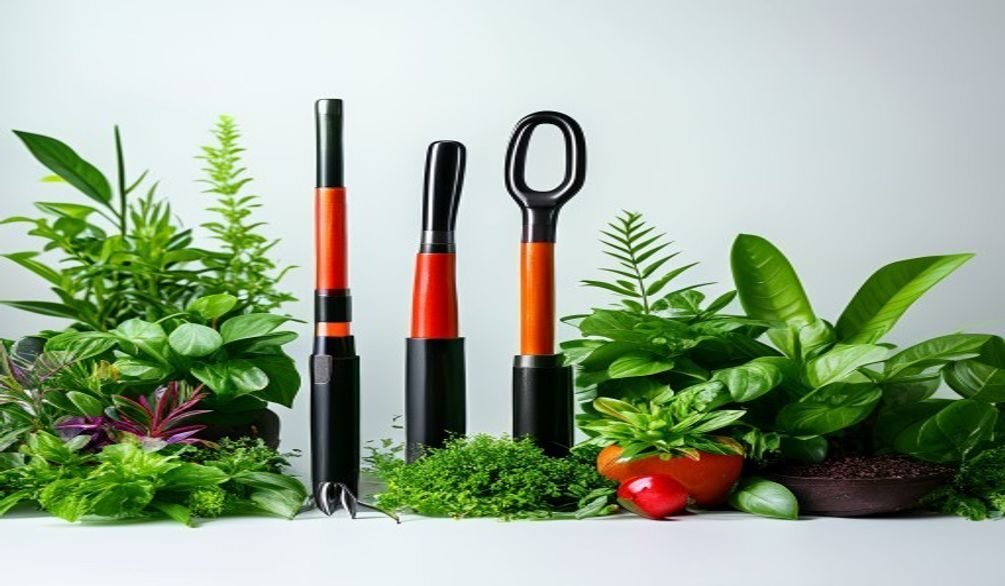
- Small Hand Trowel and Pruners: For planting seedlings and routine maintenance.
- Watering Can or Irrigation Kit: Crucial for consistent moisture, especially in our Indian summers.
- pH Testing Kit (for hydroponics): To ensure your nutrient solution is balanced.
In my 10 years of experience with Indian balcony gardens, one common mistake I’ve seen is gardeners using garden soil directly in containers. It compacts, drains poorly, and suffocates roots. Always opt for a good quality potting mix, or even better, a mix of cocopeat, vermicompost, and perlite for superior drainage and aeration. This simple choice makes all the difference for plant health, especially during the Mumbai humidity.
How do stackable planters simplify vertical gardening?
Stackable planters simplify vertical gardening by efficiently using vertical space and often incorporating clever watering mechanisms, making them excellent **vertical gardening tools easy setup** options. GreenStalk Vertical Planters, for instance, are highly recommended for maximizing harvest in small spaces, offering options from three to seven tiers, according to user reviews (2023). This design means you can grow multiple plants in the footprint of just one large pot.
The genius of stackable systems like GreenStalk is their gravity-fed watering. You pour water into the top tier, and it slowly trickles down, hydrating each plant below. This ensures even watering and reduces the daily chore. Plus, many come with rollers, so you can easily rotate your plants to ensure even sun exposure, a real boon when your balcony gets partial sun.

Why are wall-mounted pocket systems easy to use?
Wall-mounted pocket systems are easy to use because they transform unused wall space into a vibrant garden with minimal effort, providing a straightforward **vertical gardening tools easy setup**. These systems, often made from felt or recycled materials, feature multiple pockets that you fill with soil and plants. They’re particularly popular for growing herbs like pudina, tulsi, and dhania on a kitchen wall or a small balcony.
What makes them so simple?
- Instant Transformation: You just hang them up – no complex construction needed.
- Flexibility: They can be moved or rearranged easily if your sun exposure changes or you want a fresh look.
- Lightweight: Most are light enough to hang securely without heavy-duty anchors.
While they’re great for ease, you’ll need to be diligent with watering. The smaller soil volume in each pocket means they dry out faster, especially during the 40°C+ Indian summer heat. I once lost a container plant in July because I assumed monsoon rain was enough – but my balcony roof blocked all the rain, leaving the soil bone dry while the ground below was soaked. So, even in monsoon, always check your wall pockets!
How do self-watering hydroponic towers make setup simple?
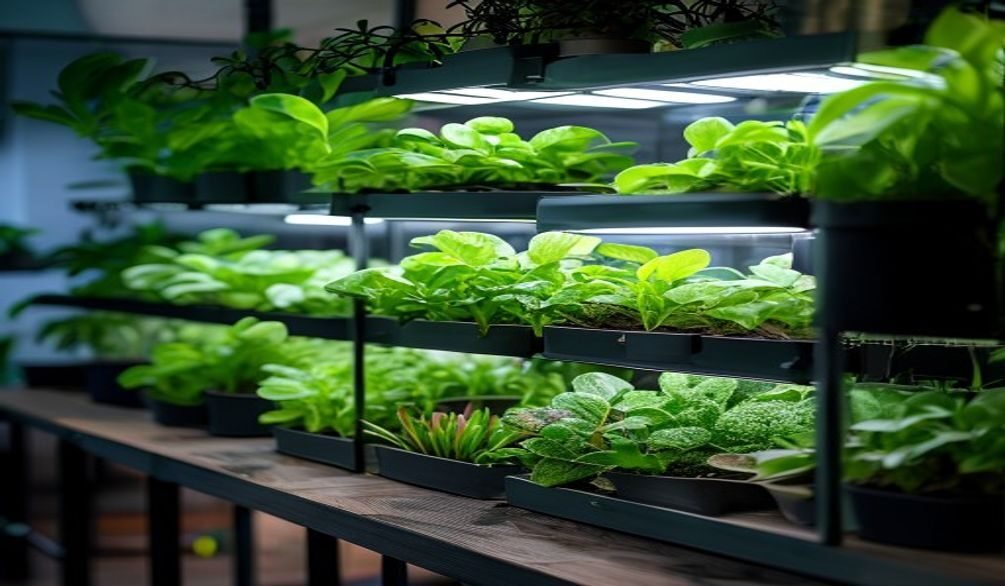
Self-watering hydroponic towers make setup incredibly simple by automating the watering and nutrient delivery, virtually eliminating daily guesswork and making them prime **vertical gardening tools easy setup** options. Systems like the Lettuce Grow The Farmstand Hydroponic Vertical Garden are made from ocean-bound plastic and use 95% less water than soil-based gardening, according to Lettuce Grow (2023). This efficiency is a game-changer for water-conscious gardeners in India.
These towers circulate a nutrient-rich water solution directly to the plant roots, meaning you only need to refill a reservoir every week or two, depending on the system size and plant needs. There’s no soil involved, which means no weeding, no soil-borne pests, and a much cleaner gardening experience. Gardyn Home Kit is another example, a “plug-and-play” system that grows up to 30 large plants in just two square feet, ideal for serious home growers. For more on the benefits of soil-less gardening, you might want to check out our article on Hydroponics benefits: 12 proven advantages for home gardeners.
| Vertical Garden Type | Ease of Setup | Maintenance Level | Best For |
|---|---|---|---|
| Stackable Planters | Very Easy | Medium (daily watering in summer) | Herbs, small veggies like cherry tomatoes, strawberries |
| Wall-Mounted Pockets | Easy | Medium-High (frequent watering) | Herbs, leafy greens, ornamental flowers |
| Hydroponic Towers | Easy (initial setup) | Low (weekly reservoir checks) | Leafy greens, bhindi, small fruits |
| Trellises/Cages | Medium | Medium (manual training) | Climbing veggies like gourds, beans, cucumbers |
What are the benefits of vertical gardening for easy setup?
Vertical gardening offers numerous benefits, especially when using **vertical gardening tools easy setup**, including maximizing space, increasing yields, and simplifying plant care. Niki Jabbour, a gardening expert, highlights that growing plants on supports can boost plant health by exposing crops to increased airflow, which reduces issues with common plant diseases and insect infestations (2023). This is particularly valuable in India’s humid climate.
Here’s why you should consider vertical gardening:
- Space Saving: The most obvious benefit. You can grow a significant amount of food in a tiny footprint, perfect for urban balconies or terraces.
- Accessibility: Vertical gardens reduce the need for bending and kneeling, making gardening more accessible for seniors or individuals with mobility limitations. David Hillock notes this specifically as a key advantage (2023).
- Higher Yields: By utilizing vertical space, you can grow more plants per square foot than traditional horizontal gardening.
- Reduced Pests and Diseases: Improved air circulation and keeping plants off the ground can deter pests and fungal diseases.
- Water Efficiency: Many vertical systems, especially hydroponic ones, are designed to use water far more efficiently.
The Green Building Council of Australia reported an 80% increase in Green Star certifications in 2022–23, indicating a growing acceptance of green building solutions that propel the vertical garden construction market (2023). This global trend underscores the environmental and practical advantages.
Choosing the right vertical garden system for your needs
Choosing the right vertical garden system depends on your available space, budget, desired plants, and how much time you’re willing to dedicate to maintenance, all while looking for **vertical gardening tools easy setup**. Consider what kind of gardener you are—do you want a hands-off approach or do you enjoy daily plant interaction?
When making your choice, think about these factors:
- Space and Sunlight: How much vertical space do you have? How many hours of direct sunlight does it get? For shady spots, leafy greens and herbs work well.
- Plant Choices: Are you dreaming of cherry tomatoes, bhindi, or just a constant supply of fresh pudina? Different systems suit different plants. For example, The Garden Tower Project is great for growing up to 50 plants in just four square feet, including composting capabilities.
- Budget: Systems range from simple DIY wall pockets (costing maybe ₹500–₹1500) to advanced hydroponic units like Gardyn (which can be ₹30,000+).
- Maintenance Level: If you’re busy, a self-watering hydroponic tower might be ideal. If you enjoy daily checks, stackable planters are great.
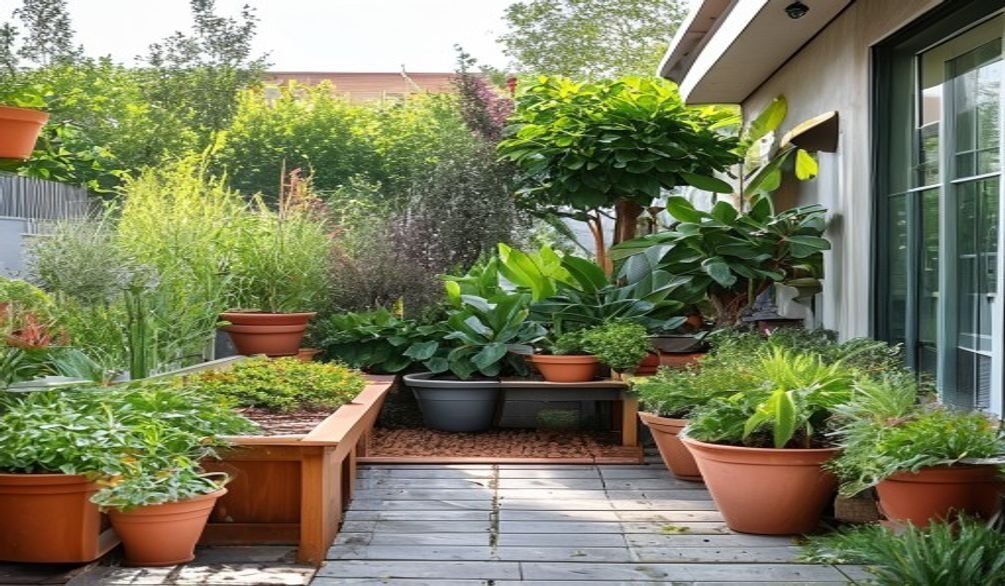
One thing I’ve learned from my own Pune terrace garden is that terracotta pots often outperform plastic for most Indian balcony plants. Yes, they dry faster and cost more (you can find good ones for ₹80–₹150 at local nurseries), but their breathability prevents root rot, which is the number one killer of container plants during India’s humid monsoon months. It’s a small investment that makes a huge difference in plant survival. And don’t forget brands like Auk Mini and Auk Mini 2 if you’re looking for compact, countertop indoor systems with everything included.
Frequently asked questions
What are the easiest plants to grow in a vertical garden?
The easiest plants to grow in a vertical garden are typically leafy greens like lettuce, spinach, and kale, along with herbs such as pudina, dhania, and tulsi. These plants generally have shallow root systems and thrive in the consistent moisture often provided by vertical systems, making them perfect for beginners, according to Niki Jabbour (2023). Many berry varieties like strawberries also do exceptionally well in stackable planters.
Can you grow vegetables in a vertical garden?
Yes, you can absolutely grow a wide variety of vegetables in a vertical garden, especially compact varieties like cherry tomatoes, small bell peppers, bhindi, and various types of beans. Vertical gardening can significantly increase productivity in small spaces, allowing you to harvest more food than traditional row planting, according to gardening experts (2023). Consider systems like The Garden Tower Project for growing up to 50 plants, including many vegetables, in a small footprint.
How much does it cost to set up a vertical garden in india?
The cost to set up a vertical garden in India can vary widely, from as little as ₹500 for a simple DIY wall-mounted pocket system to over ₹50,000 for advanced hydroponic towers like a Gardyn Home Kit. The global vertical farming market size surpassed $9,630.13 million in 2025, highlighting the diverse range of systems available, according to market research (2025). Basic stackable planters from local nurseries might cost between ₹2,000–₹7,000, excluding plants and soil.
How often do vertical gardens need to be watered?
The watering frequency for vertical gardens depends heavily on the system type, plant needs, and local climate, but most require watering every 1-3 days for soil-based systems and weekly reservoir refills for hydroponic ones. For example, systems like Lettuce Grow’s Farmstand are self-watering, needing only periodic reservoir top-ups. In hot Indian summer heat (40°C+), soil-based vertical gardens may need daily watering, whereas in cooler months or during monsoon, less frequent watering is typically sufficient.
What are the disadvantages of vertical farming?
The primary disadvantages of vertical farming can include high initial setup costs, reliance on artificial lighting for indoor systems, and potential technical complexities for advanced hydroponic or aeroponic setups. However, the global vertical farming market is predicted to increase to approximately $67,933.23 million by 2035, suggesting that the benefits often outweigh these challenges for many growers (2025). For home gardeners, simpler outdoor vertical gardens largely mitigate these commercial-scale issues.