Key Takeaways
- The global indoor plant market was valued at approximately $20–21 billion in 2025.
- Traditional garden centers and nurseries held 50.10% of the total indoor plant market share in 2025.
- Google search interest in houseplants recorded a single-month spike in January 2026.
- “Feed plants more light and growth increases,” according to The Tye-Dyed Iguana.
- “Pruning isn’t limited to outside trees and shrubs; trimming houseplants regularly promotes new, fuller growth,” according to Eureka Farms (2025).
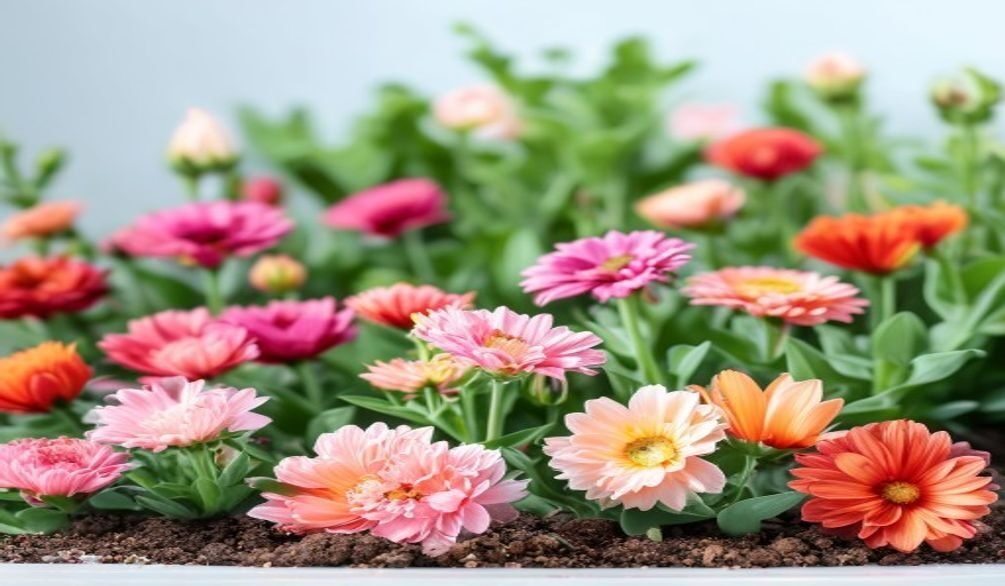
Most Mumbai balcony gardeners lose their flowering plants every May – not from pests, but from the intense 40°C+ heat before the monsoon arrives, which can stop blooming entirely. If you’re struggling to achieve robust indoor plants bigger blooms, you’re not alone; it’s a common challenge for many urban gardeners, but with a few expert tricks, you can enjoy a vibrant display. This guide will walk you through seven proven methods to help your houseplants flower more profusely and produce larger, more impressive blossoms.
Quick Answer: To achieve bigger blooms on indoor plants, provide ample light, use phosphorus-rich fertilizer, ensure consistent watering, maintain optimal temperatures, and prune spent flowers regularly.
How do you get indoor plants to flower more?
To get indoor plants to flower more, you need to create an environment that closely mimics their natural habitat, focusing on light, nutrients, and proper care. “If you can implement only one strategy for improving the size and yield of your indoor flowering plants, we recommend installing HID or LED grow lights,” according to The Tye-Dyed Iguana. This means more than just putting them near a window; it’s about understanding their specific needs.
You’ll find that plants like African violets or peace lilies thrive when they get consistent, bright indirect light. For me, in my 10 years of experience with balcony gardens, I’ve noticed a huge difference in flowering when I move my hibiscus plants from a partially shaded spot to one with at least 6 hours of direct morning sun. It’s all about balancing their energy intake.
Here are some key strategies for more indoor plants bigger blooms:
- Adequate Lighting: Provide the right intensity and duration of light.
- Proper Fertilization: Use a bloom-boosting fertilizer during the flowering phase.
- Consistent Watering: Avoid over or under-watering, checking soil moisture regularly.
- Temperature and Humidity Control: Maintain stable, optimal conditions for your specific plant.
- Pruning and Deadheading: Remove spent flowers to encourage new growth and more buds.
Why are my indoor plants not blooming?
Indoor plants often fail to bloom due to one or more environmental stressors or a lack of specific care tailored to their flowering cycle. Most people give up on gardening after one failed crop and blame themselves — but 80% of first failures are caused by wrong pot size, wrong season, or wrong soil mix, not wrong technique. Get those three right, and almost any plant becomes easy to grow. If your tulsi isn’t flowering, it’s often a sign something is off with its environment.
A common issue I’ve seen in Pune terrace gardens is plants sitting in pots that are too small or too large, which impacts root development and nutrient uptake. Another factor is inconsistent watering; I once over-watered a curry leaf plant for three weeks straight because I was following a fixed schedule instead of checking the soil. By the time the leaves started yellowing, it was already too late — the roots had rotted. Now, I always push my finger 2 inches into the soil before watering anything. Don’t make that mistake when you’re trying to get your indoor plants bigger blooms.
Common reasons for a lack of blooms:
- Insufficient Light: The most frequent culprit. Plants need energy from light to produce flowers.
- Nutrient Imbalance: Too much nitrogen can promote leafy growth at the expense of flowers.
- Improper Watering: Both too much and too little water stress the plant, hindering blooming.
- Temperature Fluctuations: Drastic changes or temperatures outside the plant’s ideal range can prevent flowering.
- Pest Infestations or Disease: Stressed plants divert energy to fighting off threats instead of blooming.
- Lack of Pruning: Old, spent flowers can signal to the plant that its reproductive cycle is complete.
What is the best fertilizer for indoor plants to bloom?
The best fertilizer for indoor plants to bloom is typically one with a higher phosphorus content (the middle number in the N-P-K ratio), as phosphorus is crucial for flower and fruit development. Miracle-Gro Plant Food Mists and Pumps are highlighted as a quick and easy way to deliver nutrients directly to plants, promoting colorful blooms and stronger growth. You’ll want to look for formulas like 10-30-20 or similar ratios that prioritize phosphorus.
For my flowering houseplants, especially my anthuriums and orchids, I often turn to specialized bloom boosters. Elm Dirt’s Plant Care Kit, which includes “Bloom Juice,” is designed to encourage explosive growth and more blooms through beneficial microbes and specialized formulations. It’s recommended for plants that won’t rebloom, like certain orchids, or for encouraging more prolific flowers on African violets and hibiscus. These products often have trace minerals too, which are important for overall plant health and vibrant indoor plants bigger blooms.
Here’s a comparison of common bloom-boosting fertilizers:
| Fertilizer Type | Key Nutrients | Benefits for Blooms | Application |
|---|---|---|---|
| High-Phosphorus Liquid | P (high), N, K (moderate) | Directly supports flower formation and size. | Dilute and water every 2-4 weeks during blooming. |
| Slow-Release Spikes | Balanced or bloom-focused N-P-K | Provides consistent nutrition over several months. | Insert into soil every 2-3 months. Miracle-Gro Indoor Plant Food Spikes are a popular option. |
| Organic Bloom Boosters | P (moderate-high), microbes, trace elements | Enhances soil health, nutrient uptake, and natural flowering. | Mix into water or top-dress soil, as per product instructions. Brands like Elm Dirt offer these. |
How does light affect indoor plant blooming?
Light is the primary energy source for plants, directly influencing their ability to initiate and sustain flowering. “Feed them more light and growth increases,” states The Tye-Dyed Iguana, emphasizing light’s role as “the food for your plants.” This means that insufficient light is one of the quickest ways to prevent your indoor plants from blooming or to cause smaller, lackluster flowers.
Different plants have varying light requirements; some, like petunias, are full-sun lovers, while others, such as peace lilies, prefer bright, indirect light. My neighbor grew tomatoes in a black plastic pot on her Mumbai terrace and got nothing two summers in a row. She switched her to a terracotta pot with the same soil mix and got her first harvest in 8 weeks. Black plastic heats up to 55°C in direct sun — it cooks the roots silently, which also stresses the plant and prevents flowering. The right light, combined with the right pot, makes all the difference for indoor plants bigger blooms.
Consider these light factors:
- Intensity: How strong is the light? Grow lights (LED or HID) can provide the necessary intensity often lacking indoors.
- Duration: How many hours of light does your plant receive? Most flowering plants need 12-16 hours of light daily.
- Spectrum: While less critical for home growers, full-spectrum lights mimic natural sunlight best.
What makes flowers bigger and bloom faster?
To achieve bigger flowers and encourage faster blooming, a combination of optimal light, targeted nutrition, and consistent environmental conditions is key. “Confidence in plant care is rising: accessories like tailored fertilizers and grow lights are trending,” noted The Sill 2025 Plant Trend Report & 2026 Predictions, underscoring the importance of these tools. It’s not just about one magic trick; it’s a holistic approach.
You might have heard that constantly fertilizing makes flowers bigger. In practice, over-fertilizing can lead to nutrient burn or excessive leafy growth at the expense of flowers — a common issue I’ve seen with new gardeners trying to force their marigolds. Instead, focus on a balanced approach: fertilize at the right stage with a bloom-specific formula, and ensure everything else is in check. This is how you genuinely get indoor plants bigger blooms.
Key elements for bigger, faster blooms:
- Phosphorus-Rich Fertilizer: As discussed, this nutrient directly supports flower development.
- Ample Bright Light: More energy translates to larger, more numerous blooms.
- Consistent Soil Moisture: Avoid dry spells or waterlogging which stress the plant.
- Stable Temperatures: Sudden drops or spikes can shock the plant and delay flowering.
- Good Air Circulation: Prevents fungal issues and strengthens stems, supporting larger flowers.
How often should you prune indoor flowering plants?
You should prune indoor flowering plants regularly, primarily by deadheading spent flowers, to encourage continuous blooming and fuller growth. “Pruning isn’t limited to outside trees and shrubs; trimming your houseplants regularly promotes new, fuller growth,” according to Eureka Farms (2025). This practice signals to the plant that it needs to produce more flowers to complete its reproductive cycle.
For many plants, like petunias or even some varieties of hibiscus, deadheading can be done as often as you see faded blooms – sometimes daily during peak season. It’s not just about aesthetics; removing those old flowers prevents the plant from putting energy into seed production, redirecting it instead to creating more vibrant indoor plants bigger blooms. I always tell my friends growing roses on their balconies in Bangalore that consistent deadheading is the secret to a continuous flush of flowers.
Tips for pruning:
- Deadheading: Remove faded or wilting flowers at the stem just above the first set of healthy leaves or a new bud.
- Shaping: Occasionally trim back leggy stems to maintain a compact, bushy shape and promote branching.
- Disease/Pest Removal: Cut off any diseased or pest-infested parts immediately to prevent spread.
Can humidity impact indoor plant blooms?
Yes, humidity can significantly impact indoor plant blooms, especially for tropical flowering plants that naturally thrive in moist air. Many popular houseplants, such as orchids, ferns, and even peace lilies, originate from humid environments, and low indoor humidity can stress them, leading to smaller flowers or a complete lack of blooming. This is particularly true in dry Delhi winters, where the air can become quite parched.
When the air is too dry, plants lose water through their leaves faster than their roots can absorb it, which can cause buds to shrivel and drop before they even open. I’ve seen this happen with my jasmine plants during the dry post-monsoon period if I don’t mist them or keep them near a humidifier. Maintaining adequate humidity helps them conserve energy and focus on producing beautiful indoor plants bigger blooms.
Ways to increase humidity:
- Misting: Lightly mist leaves daily, especially in dry conditions.
- Pebble Trays: Place pots on a tray filled with pebbles and water, ensuring the pot itself isn’t sitting in water.
- Humidifier: Use a room humidifier for a consistent and effective humidity boost.
- Grouping Plants: Plants naturally release moisture, creating a microclimate when grouped together.
Are there specific products to encourage bigger blooms?
Absolutely, several specific products are formulated to encourage bigger and more prolific blooms on indoor plants, ranging from specialized fertilizers to growth-enhancing supplements. Brands like Miracle-Gro, Elm Dirt, and We The Wild offer excellent options designed to support flowering. Elm Dirt’s Plant Care Kit, for example, includes “Bloom Juice” specifically for this purpose, boasting beneficial microbes.
These products aren’t just generic plant food; they often have a targeted nutrient profile, higher in phosphorus and potassium, to directly support flower development. We The Wild offers organic plant food and sprays, including “Grow Fast Acting Houseplant Food,” formulated to work with a plant’s biology for vigorous growth and resilient houseplants, which ultimately leads to better flowering. You can find these at local nurseries or online on platforms like Ugaoo or Nurserylive for around ₹200-₹500. Using these can make a noticeable difference in achieving those vibrant indoor plants bigger blooms you’re hoping for.
Consider these product types:
- Bloom-Boosting Fertilizers: High P-K ratios, often liquid or water-soluble.
- Root Stimulators: Promote a strong root system, which is foundational for healthy flowering.
- Micronutrient Supplements: Provide essential trace elements that might be missing from standard fertilizers.
- Beneficial Microbes: Products like Elm Dirt’s Bloom Juice introduce microbes that improve nutrient uptake.
Frequently asked questions
How do you stimulate flowering?
You stimulate flowering by ensuring optimal light, providing phosphorus-rich fertilizer, maintaining consistent watering, and managing temperature and humidity. “Plant parenting has entered a new era: customers are opting for plants with purpose, think fruiting trees, statement greens, and rare varieties,” according to The Sill 2025 Plant Trend Report & 2026 Predictions, highlighting a growing interest in encouraging specific plant behaviors like blooming. Consistent care and attention to the plant’s specific needs are paramount.
What makes a flower bloom faster?
Flowers bloom faster with adequate bright light, consistent warmth, and a balanced supply of phosphorus and potassium. A plant under stress from poor light or inconsistent watering will often delay or cease blooming. For example, my hibiscus plants in Chennai bloom much faster during the warm, sunny months than in cooler, cloudier periods.
What is the best type of light for flowering indoor plants?
The best type of light for flowering indoor plants is bright, indirect sunlight or full-spectrum LED grow lights. These lights mimic natural sunlight, providing the necessary spectrum for photosynthesis and flower development. Google search interest in houseplants surged in 2020–2021 and recorded a single-month spike in January 2026, indicating a growing trend in indoor plant care, including specialized lighting.
How can i make my indoor flowers bigger?
To make your indoor flowers bigger, focus on providing ample light intensity, using a high-phosphorus fertilizer during the blooming phase, and ensuring steady hydration. Deadheading spent blooms also redirects the plant’s energy into producing larger, new flowers instead of seeds.
Why is my plant not growing flowers?
Your plant is likely not growing flowers due to insufficient light, nutrient deficiencies (especially phosphorus), inconsistent watering, or environmental stress like temperature fluctuations. Addressing these core needs will significantly improve its chances of blooming.
Achieving vibrant indoor plants bigger blooms isn’t a mystery; it’s a science combined with a bit of art and consistent care. By focusing on adequate light, the right phosphorus-rich nutrition, proper watering, and timely pruning, you can transform your indoor plants into a spectacular display. Remember, every plant is a journey, and with these expert tricks, you’ll soon be enjoying a home filled with lush, abundant flowers. Keep experimenting, keep learning, and your indoor garden will thrive!