Key Takeaways
- Nearly 40% of global crops are destroyed annually due to plant pests and diseases, according to FAO (2026).
- Approximately 80% of greenhouse growers reported insect-related challenges as a primary concern in 2026, according to Greenhouse Product News (2026).
- Early detection of plant stress can increase production costs by approximately €2,000/hectare annually, according to farmAIr (2026).
- The Arkansas Plant Health Clinic diagnosed over 1,500 plant samples in 2025, with 41% being trees and shrubs, according to the University of Arkansas Division of Agriculture (2026).
- “About 70 percent of plant diseases are caused by fungi,” notes Taylor Klass from the Arkansas Plant Health Clinic (2026).
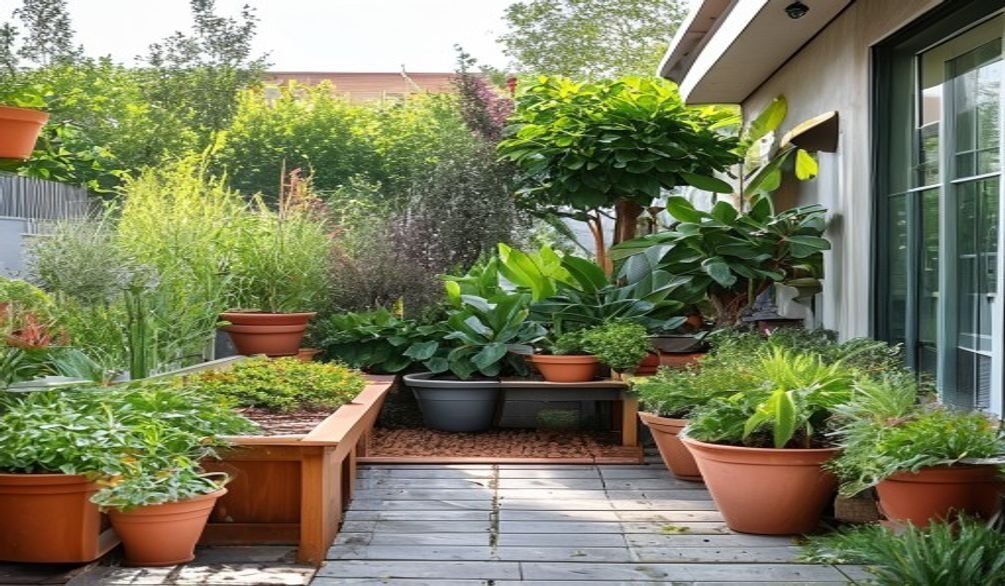
Most Pune terrace gardeners have faced that sinking feeling when a once-thriving tulsi plant suddenly starts looking droopy, its leaves turning a sickly yellow — and you’re left wondering what went wrong. Learning to spot plant problems early is the secret weapon for keeping your green friends healthy and happy, preventing small issues from becoming irreversible plant disasters. This guide will walk you through five easy ways to become a plant detective, ensuring your garden thrives.
Quick Answer: Spotting plant problems early involves regularly inspecting for subtle changes like yellowing leaves, unusual spots, wilting despite adequate water, stunted growth, or the presence of pests. Early detection prevents spread, saves plants, and reduces treatment costs.
What are the signs of an unhealthy plant?
An unhealthy plant often displays a range of visible symptoms that act as distress signals, much like a fever in humans. For instance, nearly 40% of global crops are destroyed annually due to plant pests and diseases, impacting food security and nutrition, according to the FAO (2026). These signs can be subtle at first, which is why a keen eye is crucial to spot plant problems early.
You’ll often notice changes in leaf color, like yellowing (chlorosis) or browning, which can point to nutrient deficiencies or improper watering. Stunted growth, where a plant just isn’t getting bigger or producing new leaves, is another red flag. Sometimes, you might see unusual spots, lesions, or growths on leaves and stems. These could indicate fungal infections or pest damage. Wilting, even after a good watering, tells you something is wrong with the plant’s ability to absorb or transport water. It’s all about being a landscape detective, as Todd Hurt, a specialist with the University of Georgia Center for Urban Agriculture, advises, picking up on the clues your plants are leaving you (2007).
How do you detect plant diseases early?
Detecting plant diseases early involves consistent observation and understanding what “normal” looks like for your specific plants. The Food and Agriculture Organization of the United Nations (FAO) emphasizes that early warning for plant health means detecting pests and diseases at the earliest stage, before they spiral into emergencies (2024). This often means checking your plants daily, especially if you’re growing high-value crops like tomatoes or bhindi.
Step 1: regularly inspect leaves, stems, and soil
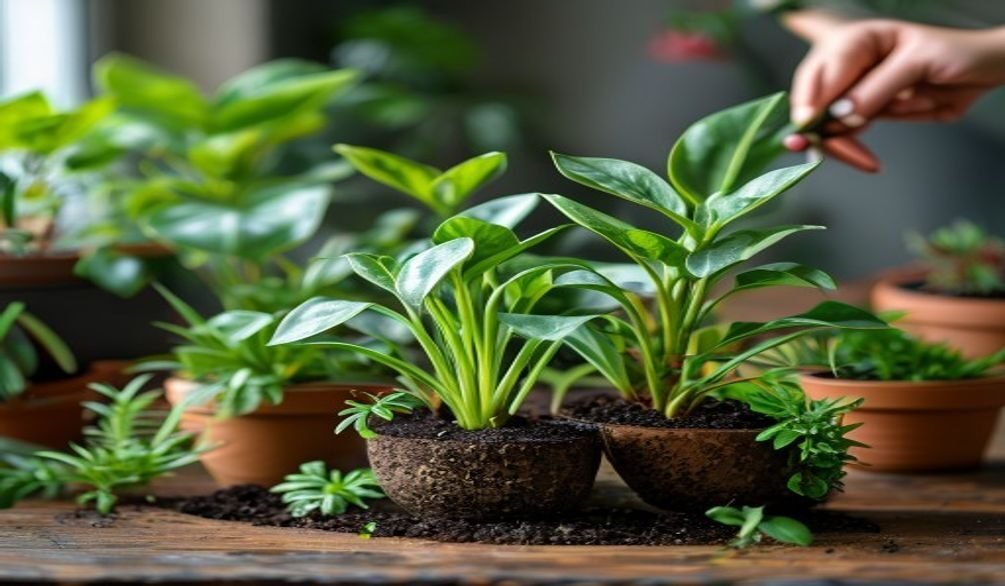
Make it a habit to look at your plants from top to bottom. This includes checking the undersides of leaves, where many pests like aphids or whiteflies love to hide. Feel the soil; is it too wet, too dry, or just right? In my 10 years of experience with Indian balcony gardens, I’ve found that a quick daily check during my morning chai can save weeks of heartache later. Look for anything out of place – a new spot, a drooping leaf, or a tiny insect that wasn’t there yesterday.
Step 2: observe for subtle changes in color and texture
Don’t wait for your plant to look half-dead. Subtle changes are your earliest indicators. A slight yellowing at the leaf margins, a dullness in leaf sheen, or a texture that feels different to the touch (perhaps a bit crispy or unusually soft) can all be signs. For example, a young methi plant might show slight yellowing on lower leaves if it’s struggling for nitrogen. Catching this early means a quick feed with some organic compost can fix it, rather than losing the whole plant.
Step 3: check for unusual growths or pest presence
New growths that look abnormal – like fuzzy mold, powdery patches, or strange bumps – are usually signs of disease. And pests? They’re often tiny. Approximately 80% of greenhouse growers reported insect-related challenges as a primary concern in a 2026 survey, with aphids and thrips being the most frequent issues, according to Greenhouse Product News (2026). Turn over leaves, especially on plants like pudina or dhania, and use a magnifying glass if you need to. Small clusters of tiny insects or sticky residue (honeydew) are sure signs of an infestation.
Step 4: monitor watering and light conditions
Often, what looks like a disease is actually environmental stress. Are your plants getting too much sun in the brutal Indian summer heat (40°C+), or not enough light during the monsoon? Is your watering consistent? Overwatering is a huge killer for container plants, especially in Mumbai’s humidity. My neighbor grew tomatoes in a black plastic pot on her Mumbai terrace and got nothing two summers in a row. The black plastic heats up to 55°C in direct sun — it cooked the roots silently. Switched her to a terracotta pot with the same soil mix and she got her first harvest in 8 weeks. Terracotta pots, in my opinion, outperform plastic for most Indian balcony plants — yes they dry faster and cost more (around ₹80–150 for a 10-inch pot), but the breathability prevents root rot which is the number one killer of container plants in India’s humid monsoon months.
Step 5: utilize diagnostic tools and apps
Modern technology can give you a real edge to spot plant problems early. Apps like PictureThis use AI to identify issues from a photo, giving you instant insights. The Old Farmer’s Almanac also offers a free online tool where you can select your plant, the affected part, and describe symptoms. These tools are fantastic for a quick second opinion when you’re stumped.
What are the first signs of root rot?
The first signs of root rot often appear above ground as wilting, yellowing leaves, and stunted growth, even when the soil feels moist. This is because the compromised roots can’t absorb water effectively. You might have heard that wilting always means underwatering. In practice, if you’ve just watered your plant and it’s still drooping, or if the soil is consistently soggy, that’s a huge red flag for root rot.
When you gently unpot the plant, healthy roots should be firm, white or tan, and smell earthy. Roots affected by rot, however, will be mushy, dark brown or black, and often have a foul, sulfuric odor. This is a common problem in Indian monsoon gardening, where constant moisture can suffocate roots. You can prevent root rot by ensuring good drainage and using a well-aerated potting mix.
How can you differentiate between common plant problems?
Differentiating between common plant problems requires keen observation of specific symptom patterns, as many issues can look similar at first glance. For example, yellowing leaves can signal anything from nutrient deficiency to overwatering or even pests, so you need to look at the whole picture. Taylor Klass, head plant pathologist for the Arkansas Plant Health Clinic, noted that “about 70 percent of plant diseases are caused by fungi,” and wet weather can increase plant disease pressure (2026). This highlights why understanding the environmental context is key.
Let’s break down some common issues:
| Symptom | Possible Cause | Key Differentiator |
|---|---|---|
| Yellowing Leaves | Nutrient Deficiency, Overwatering, Underwatering, Pests | Pattern: Is it overall, veins only, or lower leaves first? Soil: Is it wet or dry? Pests: Check undersides. |
| Brown Spots/Edges | Fungal Disease, Sunburn, Chemical Burn, Underwatering | Texture: Soft/mushy (fungal) vs. crispy (sunburn/underwatering). Location: Edges (underwatering/burn) vs. random spots (fungal). |
| Wilting | Underwatering, Overwatering, Root Rot, Heat Stress, Pests | Soil Moisture: Dry (underwatering) vs. soggy (overwatering/rot). Temperature: Extremely hot (heat stress). |
| Stunted Growth | Nutrient Deficiency, Root Issues, Pests, Insufficient Light | New Growth: Is it small or discolored? Pests: Check for infestations. |
| Holes/Chewed Leaves | Insect Pests (caterpillars, slugs, snails) | Evidence: Look for actual pests, droppings, or slime trails. |
It’s about connecting the dots. If you see yellowing *and* the soil is constantly wet, it’s likely overwatering or root rot. If you see yellowing *and* tiny white insects on the leaf undersides, it’s a pest issue. The context matters.
Are there tools to help spot plant problems early?
Yes, several innovative tools and technologies can significantly help gardeners and farmers to spot plant problems early, often before visible symptoms appear. Researchers at Tufts University, for instance, have developed battery-free leaf and stem sensors that monitor plant water loss, growth, and stress, providing a “plant’s-eye view” of conditions, according to Nafize Hossain, a graduate student (2026). These “plant wearables” are like a health tracker for your plants, giving you an early warning system.
Beyond academic research, practical tools are available:
* **AI Plant Diagnosis Apps:** As mentioned, apps like PictureThis and JEEVN AI use image recognition. You snap a photo, and the app identifies potential diseases, pests, or nutrient deficiencies, offering immediate advice. These are super handy for quick identification on your phone.
* **Soil Moisture Meters:** Simple, affordable gadgets (you can find them for ₹300-₹800 online or at local nurseries) that tell you exactly how wet or dry your soil is. This helps prevent both over and underwatering, a common source of plant stress.
* **Magnifying Glass/Jeweler’s Loupe:** For those tiny pests like spider mites or thrips that are hard to see with the naked eye. A small, inexpensive tool that makes a big difference in early pest detection.
* **Drone Technology:** Companies like farmAIr use drones equipped with thermal and digital imaging, combined with AI, to detect plant stress in vineyards before it’s visible. While this is primarily for large-scale agriculture, it shows the potential of advanced early detection. Early detection of plant stress can increase production costs by approximately €2,000/hectare annually for factors like esca and leaf-roll, increasing total production cost per infected hectare up to 60% on average, according to farmAIr (2026).
What are the symptoms of overwatering vs underwatering?
Distinguishing between overwatering and underwatering is crucial because their initial symptoms can often mimic each other, yet the solutions are opposite. Both can cause wilting and yellowing leaves, but the key lies in the soil condition and the specific pattern of symptoms.
Here’s how to tell them apart:
* **Overwatering:**
* **Leaves:** Often turn yellow, sometimes with brown, soft, or mushy spots. Lower leaves are usually affected first. They might feel heavy or waterlogged.
* Wilting: Leaves wilt even when the soil is visibly wet. This is because the roots are suffocating and can’t absorb water.
* Soil: Stays soggy for days after watering. You might see green algae growth on the surface or a moldy smell.
* Roots: If you check, they’ll be dark, soft, and mushy (root rot).
* My Opinion: In India’s humid climate, especially during monsoon, overwatering is far more common than underwatering for container plants. It’s often the silent killer.
* **Underwatering:**
* Leaves: Turn yellow, then brown and crispy, often starting from the edges or tips. They might feel brittle.
* Wilting: Leaves droop and feel limp, but perk up soon after watering.
* Soil: Is bone dry, often pulling away from the sides of the pot.
* Roots: Appear dry and shriveled, but firm.
* Quick Tip: To avoid both, I always recommend sticking your finger about an inch or two into the soil. If it feels dry, water. If it feels moist, wait. This simple trick saved many of my lal mirch plants during the Delhi summer.
Why is early detection of plant problems critical?
Early detection of plant problems is absolutely critical because it prevents minor issues from escalating into widespread damage, saves plants, and significantly reduces the effort and cost of treatment. When you spot plant problems early, you’re not just saving one plant; you’re potentially safeguarding your entire garden.
Think about it: a single aphid infestation on a dhania plant can quickly spread to your nearby tomato or bhindi if not caught in time. Nearly 40% of global crops are destroyed annually due to plant pests and diseases, impacting food security and nutrition, according to the FAO (2026). This isn’t just a large-scale farming issue; it impacts our small home gardens too. Early intervention means you can often use simpler, organic solutions like neem oil spray or hand-picking pests, rather than resorting to harsher chemicals or, worse, losing the plant entirely. It also protects your harvest, ensuring you get to enjoy those fresh, homegrown vegetables and herbs.
Frequently asked questions
What are the signs of an unhealthy plant?
Unhealthy plants show signs like yellowing or browning leaves, wilting despite adequate water, stunted growth, or unusual spots and growths. These visual cues are critical for gardeners to identify issues promptly. “Plants put out symptoms just like humans do,” according to Todd Hurt, a landscape specialist (2007).
How do you detect plant diseases early?
Detecting plant diseases early involves regular, thorough inspection of leaves, stems, and soil for subtle changes in color, texture, or the presence of unusual growths. The FAO emphasizes that early warning for plant health means detecting pests and diseases at the earliest stage, before they spiral into emergencies (2024). Consistent observation is key to catching problems before they spread.
What are the first signs of root rot?
The first signs of root rot typically appear as wilting, yellowing leaves, and stunted growth, even when the soil remains moist. This happens because the roots become mushy and unable to absorb water and nutrients. About 70% of plant diseases are caused by fungi, according to Taylor Klass of the Arkansas Plant Health Clinic (2026), with wet conditions often exacerbating root rot.
What are the 5 signs of plant nutrient deficiency?
The five common signs of plant nutrient deficiency often include overall yellowing of older leaves (nitrogen), purple discoloration (phosphorus), yellowing between veins (magnesium/iron), stunted growth (various nutrients), and distorted new growth (calcium/boron). Each nutrient plays a specific role, and its deficiency manifests uniquely.
What are the symptoms of overwatering vs underwatering?
Overwatering symptoms include yellowing, mushy leaves, wilting despite wet soil, and soft, dark roots, while underwatering causes crispy, brown leaves, wilting that recovers after watering, and dry, brittle roots. The key differentiator is the soil moisture level and the texture of the affected leaves.