Key Takeaways
- 37% of Americans grow herbs at home, making them the fourth most popular edible plant to cultivate, according to Axiom (2025).
- Total market spending on gardening reached an all-time high of $79.0 billion in 2025, according to the National Gardening Survey (2026 Edition).
- Overwatering is a leading cause of death for herbs, suffocating roots and causing rot, according to Jim’s Mowing NZ (2025).
- Starting with a seedling is highly recommended for beginners over planting seeds directly, advises Jim’s Mowing NZ (2025).
- Spending per household on gardening climbed to a record $740 in 2025, an 18.3% increase year-over-year, according to the National Gardening Survey (2026 Edition).
Quick Answer: Beginner herb gardeners must avoid common mistakes such as overwatering, using poor soil, planting incompatible herbs together, insufficient sunlight, neglecting pruning, and starting directly from seeds to ensure successful growth.
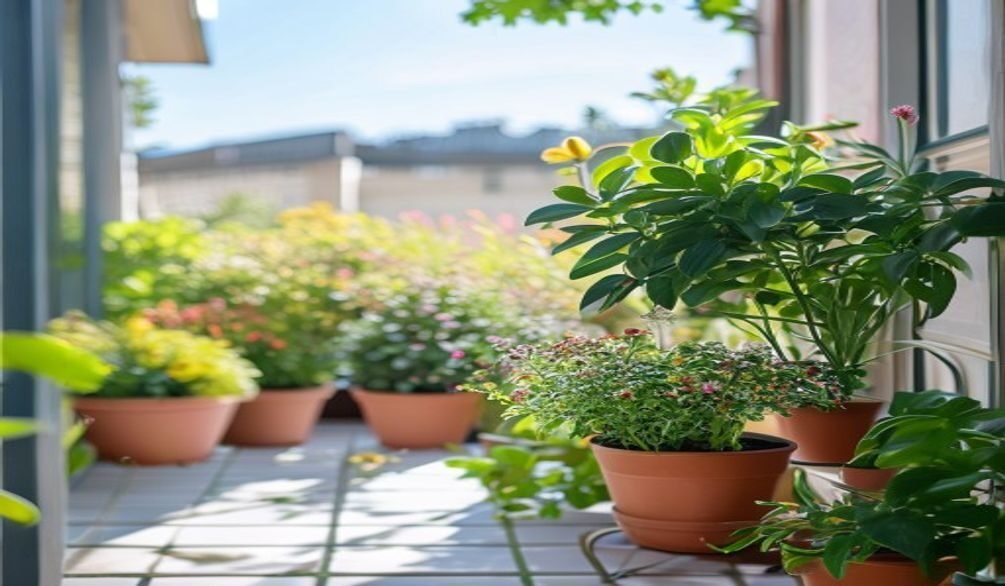
Most Mumbai balcony gardeners often find their pudina wilting or dhania turning yellow, even when they think they’re doing everything right. It’s frustrating, isn’t it? These common herb gardening mistakes beginners make can quickly turn your green dreams into a brown mess. But don’t worry, you’re not alone, and with a few simple tweaks, you can have a thriving herb patch.
What are the most common mistakes when growing herbs?
The most common herb gardening mistakes beginners encounter include overwatering, insufficient sunlight, using poor soil, and improper planting techniques. Many new gardeners, myself included, assume all plants need the same care, but herbs are quite particular.
Honestly, most people give up on gardening after one failed crop and blame themselves — but 80% of first failures are caused by wrong pot size, wrong season, or wrong soil mix, not wrong technique. Get those three right, and almost any plant becomes easy to grow. For example, a friend once tried growing methi from seeds bought at a local kirana store instead of a proper seed shop. The germination rate was a dismal 15%. They switched to Sarpan or Indo-American seeds and got an 80%+ germination rate. Cooking seeds and garden seeds aren’t the same, even if they look identical!
Here are some of the frequent issues that plague new herb growers:
- Overwatering: This is probably the biggest killer. Herbs generally prefer slightly drier conditions, and too much water leads to root rot.
- Lack of Sunlight: Most herbs need at least 6-8 hours of direct sunlight daily to thrive. A shady balcony won’t cut it for many varieties.
- Poor Drainage: Pots without drainage holes or heavy, compacted soil are a recipe for disaster. Roots need to breathe!
- Incorrect Pot Size: Too small a pot restricts root growth, while too large a pot can hold excess moisture.
- Not Pruning: Many beginners are hesitant to cut their herbs, but regular pruning encourages bushier growth and prevents leggy, weak plants.
- Starting from Seed: While rewarding, starting herbs like coriander or basil from seed can be challenging for new gardeners.
How do you keep herbs alive as a beginner?
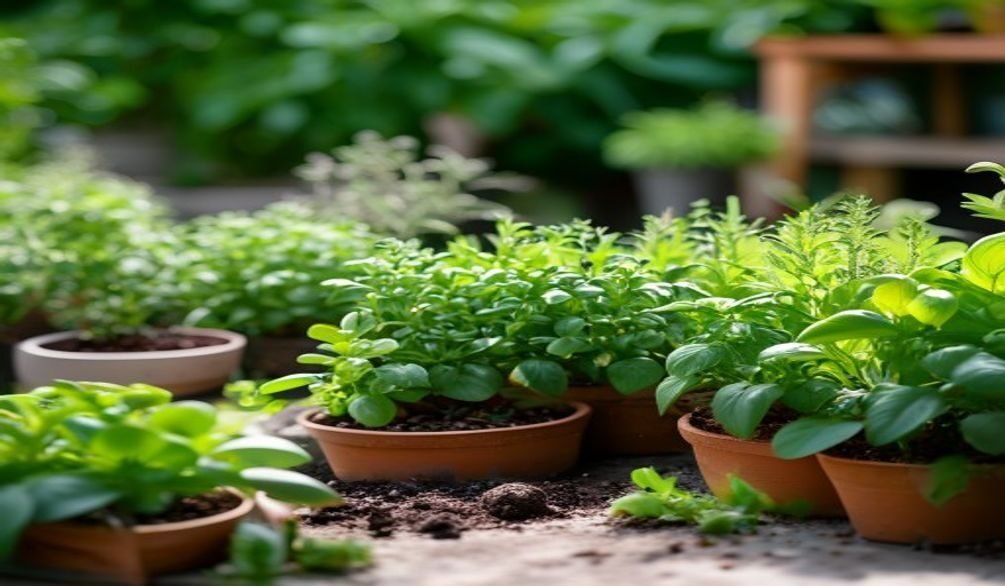
To keep herbs alive as a beginner, focus on providing adequate sunlight, well-draining soil, consistent but not excessive watering, and selecting easy-to-grow varieties. In my 10 years of experience with Indian balcony gardens, these simple steps make all the difference and help avoid common herb gardening mistakes beginners often make.
Here’s a quick guide to success:
- Sunlight is Key: Position your herbs where they get plenty of direct sun. South-facing balconies in Bangalore are ideal, for instance.
- Choose the Right Soil: Use a good quality potting mix specifically formulated for containers, often available at local nurseries for ₹80–150 per bag.
- Water Wisely: Check the soil moisture before watering. Stick your finger about an inch deep – if it feels dry, then it’s time to water.
- Select Easy Herbs: Start with forgiving herbs like pudina (mint), tulsi, or dhania (coriander). We’ll dive into these later.
- Ensure Drainage: Always use pots with drainage holes. If you’re using decorative planters, put your herb in a nursery pot first, then place it inside.
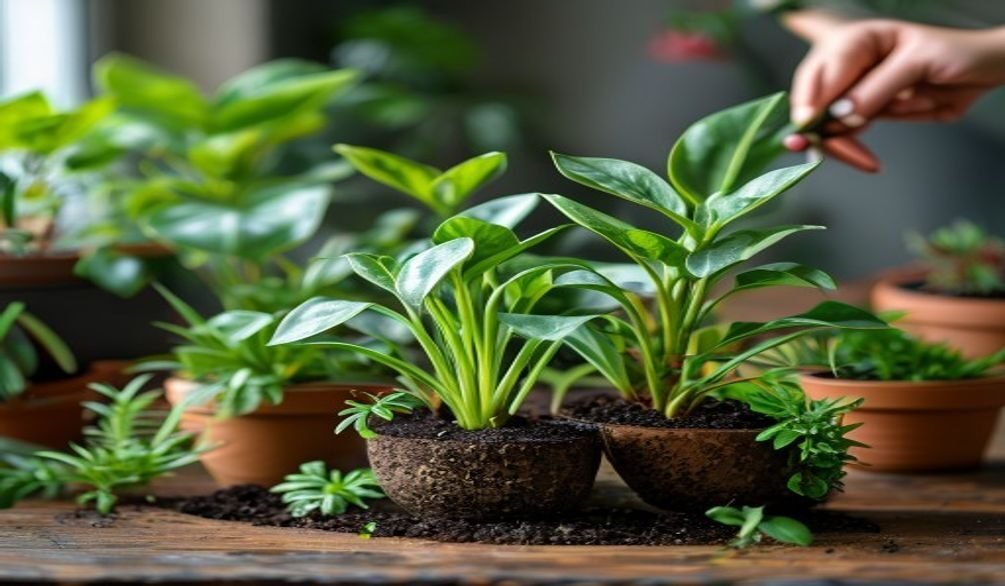
- Consider Seedlings: “As a beginner, it is highly recommended to start with a seedling rather than planting your own seeds,” according to Jim’s Mowing NZ (2025). This saves you the initial germination hassle.
Are you overwatering your herbs?
Yes, you are likely overwatering your herbs if their leaves are yellowing, wilting despite moist soil, or if the soil stays perpetually soggy. “Overwatering is a leading cause of death for herbs, as it can suffocate the roots and lead to root rot,” states Jim’s Mowing NZ (2025).
It’s a common pitfall, especially for new gardeners who think more water equals healthier plants. But for herbs, particularly Mediterranean ones like rosemary or oregano, less is often more. I used to skip watering during monsoon because I assumed rain was enough. But I lost a container plant one July because the balcony roof blocked all rain — the soil was bone dry while the ground around it was soaked! Container plants on covered balconies still need watering in monsoon, just less frequently.
Signs of overwatering include:
- Yellowing Leaves: This is one of the clearest indicators.
- Wilting: Ironically, overwatered plants can wilt because their roots are suffocating.
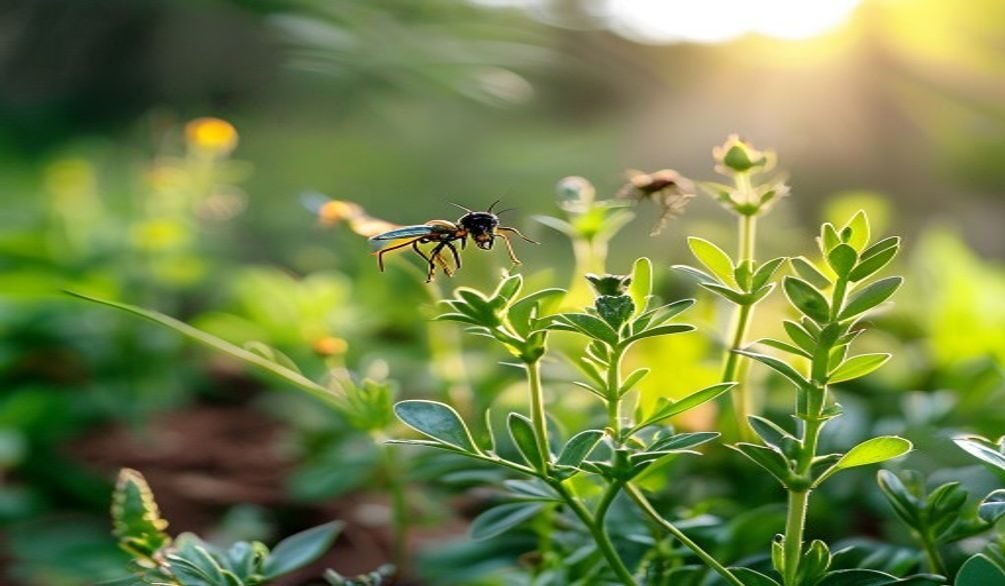
- Fungus Gnats: Small, black flies hovering around the soil surface indicate consistently wet conditions.
- Moldy Soil: A green or white fuzzy layer on the soil surface means too much moisture.
To prevent this, feel the soil before watering. If the top inch or two is dry, then water thoroughly until it drains from the bottom. In Indian summer heat (40°C+), you might water every 1-2 days, but during monsoon or cooler periods, it could be once every 4-5 days. Always adjust based on the weather and the specific herb.
Why is soil quality crucial for herb growth?
Soil quality is crucial for herb growth because it provides essential nutrients, proper drainage, and aeration for healthy root development, directly impacting the plant’s vitality. Using the wrong soil is one of the biggest herb gardening mistakes beginners can make, leading to stunted growth or even plant death.
Think of soil as the foundation of your herb’s home. If the foundation is weak, the house won’t stand strong. Herbs need a light, airy, well-draining mix. Heavy garden soil, often used in ground beds, compacts easily in pots, choking roots and retaining too much moisture. This is especially true in humid climates like Mumbai.
Here’s what good herb soil needs:
- Good Drainage: Prevents waterlogging and root rot.
- Aeration: Allows oxygen to reach the roots.
- Nutrient Retention: Holds onto essential nutrients for the plant.
- pH Balance: Most herbs prefer a slightly acidic to neutral pH (6.0-7.0).
I always recommend using a good quality potting mix designed for containers, often enriched with cocopeat and perlite, which you can easily find on Ugaoo or Nurserylive. Adding a bit of organic compost also boosts nutrient content, giving your herbs a great start. For example, a mix of 60% potting soil, 20% cocopeat (like Cocogreen), and 20% perlite works wonders for most container herbs.
Should you plant all herbs together?
No, you absolutely shouldn’t plant all herbs together because they have different needs for water, sunlight, and nutrients. Gardening guru Kate Turner, who has shared her expertise on ITV’s *Love Your Garden*, advises, “You want to divide the herbs up by their different types.”
Mixing incompatible herbs is a common trap, especially when you’re just starting your herb garden. Some herbs are like introverts, preferring their own space, while others are aggressive spreaders that will quickly take over. This is one of those herb gardening mistakes beginners often discover the hard way.
Consider these groupings for successful companion planting:
| Herb Type | Characteristics | Examples | Best Planting Method |
|---|---|---|---|
| Water Lovers | Prefer consistently moist soil | Pudina (Mint), Dhania (Coriander), Basil | Separate pots or dedicated moist bed |
| Drought Tolerant | Prefer drier, well-draining soil | Rosemary, Thyme, Oregano, Sage | Terracotta pots, grouped together |
| Aggressive Spreaders | Can quickly overtake other plants | Pudina (Mint), Lemon Balm | Individual containers to control spread |
For example, planting a thirsty basil next to a drought-loving rosemary means one will always be unhappy. Basil will get root rot from too little drainage, or rosemary will suffer from too much water. It’s better to give them their own space or group them with similar-minded plants. Terracotta pots are fantastic for Mediterranean herbs that like drier conditions, while plastic or glazed ceramic pots work well for herbs needing more moisture.
What herbs should a beginner avoid?
As a beginner, you should generally avoid herbs that are notoriously finicky about their growing conditions or require specific care, even though the global garden seeds market is projected to increase from approximately $3.7 billion in 2025 to nearly $5.4 billion by 2035. While the market grows, stick to the basics first.
It’s easy to get excited and buy every herb seedling you see at the local nursery. But trust me, some herbs are better left until you have a few successes under your belt. Avoiding these initially can prevent frustration and keep you motivated, especially when navigating common herb gardening mistakes beginners face.
- Dill: Tends to bolt (go to seed) quickly in warm climates like much of India, especially during pre-monsoon heat, making its leafy stage short-lived.
- Fennel: Similar to dill, it bolts easily and requires specific conditions to produce bulbs, which can be tricky in containers.
- Lavender: While beautiful, lavender can be particular about soil, drainage, and humidity. It often struggles in the high humidity of coastal Indian cities.
- Tarragon: Can be sensitive to heat and humidity, making it challenging in many Indian climates.
Instead, focus on herbs that are forgiving and resilient. You want those quick wins to build your confidence!
What is the easiest herb to grow for beginners?
For beginners, the easiest herbs to grow are undoubtedly pudina (mint), tulsi (holy basil), and dhania (coriander), as they are resilient, grow quickly, and show clear signs of what they need. Basil is also frequently cited as a “perfect trainer herb” for beginners due to its rapid growth and clear signals when underwatered.
These herbs are fantastic for building confidence and understanding basic plant care without getting overwhelmed by complex requirements. They’re also incredibly useful in Indian kitchens, making them doubly rewarding. You’ll avoid many of the typical herb gardening mistakes beginners fall into with these choices.
- Pudina (Mint): This herb is incredibly vigorous and almost impossible to kill. It thrives in partial shade to full sun and tolerates various soil conditions. Just be warned: it’s an aggressive spreader, so keep it in its own pot!
- Tulsi (Holy Basil): A staple in Indian homes, tulsi is relatively easy to grow. It loves sunlight and regular watering, but make sure the soil drains well. It’s quite hardy.
- Dhania (Coriander): While it can bolt in extreme heat, coriander grows quickly from seed (use good quality seeds!) and provides a fast harvest. Plant in succession every few weeks for a continuous supply.
- Basil: A true champion for new gardeners. It grows fast, signals clearly when thirsty (leaves droop dramatically), and bounces back quickly after watering. Plus, fresh basil for pesto or Italian dishes is divine.
These herbs are widely available as seedlings in local nurseries for around ₹20-50, making them an affordable and low-risk starting point.
How does proper pruning impact herb health?
Proper pruning significantly impacts herb health by encouraging bushier growth, preventing leggy stems, improving air circulation, and prolonging the plant’s productive life. Neglecting to prune is one of the more subtle herb gardening mistakes beginners make, often fearing they’ll hurt the plant.
But pruning is like giving your herb a haircut – it makes it look better and feel healthier. When you snip off the top growth, the plant is stimulated to produce new shoots from the nodes below, leading to a denser, more robust plant with more leaves for you to harvest. This is particularly important for herbs like basil and pudina.
Here’s how pruning helps:
- Bushier Growth: Instead of one tall stem, you get multiple branches.
- Increased Yield: More stems mean more leaves to harvest.
- Prevents Bolting: For annuals like basil and coriander, removing flower buds delays bolting, extending the leaf harvest.
- Improved Airflow: Reduces the risk of fungal diseases, especially in humid climates like Pune.
- Removes Dead/Diseased Growth: Keeps the plant healthy and redirects energy to productive parts.
For most herbs, simply pinch off the top set of leaves and about a quarter inch of stem just above a leaf node. Do this regularly, especially after your plant has established itself. Don’t be afraid to snip – your herbs will thank you for it!
Frequently asked questions
What are the most common mistakes when growing herbs?
The most common mistakes when growing herbs include overwatering, insufficient sunlight, poor drainage, and using incorrect soil, which can lead to wilting or root rot. 37% of Americans grow herbs at home, making them the fourth most popular edible plant, according to Axiom (2025). Addressing these basic needs is crucial for success.
How do you keep herbs alive as a beginner?
As a beginner, you keep herbs alive by ensuring they receive 6-8 hours of direct sunlight, using well-draining potting mix, and watering only when the top inch of soil is dry. Starting with seedlings rather than seeds is highly recommended, according to Jim’s Mowing NZ (2025), to simplify the initial stages of growth.
What herbs should a beginner avoid?
Beginners should avoid finicky herbs like dill, fennel, lavender, and tarragon, which can be sensitive to heat, humidity, or prone to bolting in varying climates. Instead, focus on resilient varieties like mint, tulsi, and basil for a more encouraging start.
What is the easiest herb to grow for beginners?
The easiest herbs for beginners to grow are pudina (mint), tulsi (holy basil), and basil, due to their robust nature and quick growth. Basil is often called a “perfect trainer herb” because it clearly shows when it needs water, making care straightforward.
How much does it cost to start a small herb garden in india?
Starting a small herb garden in India can cost between ₹200-₹500 for basic supplies, including pots, soil, and a few seedlings. Spending per household on gardening climbed to a record $740 in 2025, according to the National Gardening Survey (2026 Edition), indicating a significant investment in gardening globally. You can find pots for ₹50-₹150 each and potting mix for ₹80-₹150 per bag at local nurseries.
Avoiding these common herb gardening mistakes beginners make is the fastest way to a thriving, productive herb patch. Remember, it’s all about understanding what your plants truly need: sunlight, well-draining soil, and sensible watering. Don’t be afraid to prune, choose your herbs wisely, and start with seedlings for an easier journey. With these tips, you’ll be harvesting fresh dhania and pudina from your own balcony in no time, making your cooking more flavorful and your gardening experience far more rewarding. Happy growing!