
Key Takeaways
- Urban gardeners show a 72% participation rate in raised beds and container gardens, according to Axiom (2025).
- Herb gardening among apartment dwellers has increased by 200% since 2018.
- The global garden seeds market is projected to reach nearly $5.4 billion by 2035, up from $3.7 billion in 2025.
- Approximately 63.6% of gardeners plan to expand their gardens in 2026, according to the Axiom 2026 Gardening Outlook Study.
- Vertical gardening maximizes space and improves air quality for limited square footage, according to Konzept Garden (2025).
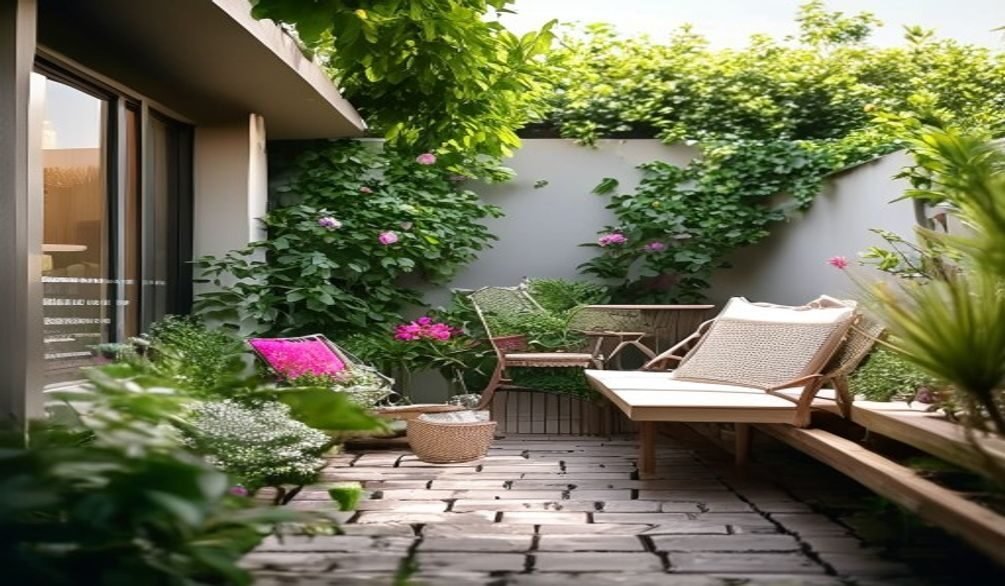
Most Mumbai balcony gardeners lose their tomato plants every May — not from pests, but from the scorching 40°C+ heat before the monsoon arrives. It’s tough trying to create a lush green space when you’re battling extreme weather and limited square footage, but with the right **small terrace garden design**, you can turn that compact area into a thriving urban oasis. This guide will walk you through the best layouts and practical tips to maximize your small outdoor space, making it beautiful and productive.
Quick Answer: Small terrace garden design focuses on maximizing space and aesthetics through vertical gardening, container use, and multi-level layouts. Incorporate built-in seating, smart technology, and eco-friendly materials to create a functional and beautiful urban oasis.
How do you design a small terrace garden effectively?
To effectively design a small terrace garden, you need to think vertically and multi-functionally, maximizing every inch of available space. Urban gardeners are embracing raised beds and container gardens at a 72% participation rate in planned food gardening, nearly matching rural participation, according to Axiom (2025). This means you’ve got lots of options, even if your space is tiny.
It’s all about smart planning. Start by sketching out your terrace, considering sunlight patterns throughout the day and year. Are you getting full sun, or is it mostly shade? This impacts everything from plant choices to seating arrangements. Then, think about how you’ll use the space – for relaxing, growing vegetables, or both?
Here are some key strategies for an effective **small terrace garden design**:
- Vertical Gardening: This is a game-changer for compact spaces. Use wall planters, trellises for climbing plants like money plant or passion fruit, and multi-tiered shelves. Konzept Garden (2025) notes that vertical gardens maximize space, add visual interest, and improve air quality.
- Container Gardening: Don’t underestimate the power of pots! You can grow almost anything in containers. Just make sure they’re big enough for root growth. I’ve found that using large pots, at least 16 inches across, even allows for small fruit trees or bhindi.
- Multi-Level Layouts: Terracing visually expands a small plot into distinct, separate spaces, according to Houzz. Use varying heights with different sized planters, raised beds, or even small steps to create depth and interest.
- Built-in Seating with Storage: This combines two needs into one, keeping your garden organized and providing a cozy spot to relax. It’s perfect for stashing away tools or extra pots.
The truth is, everyone tells beginners to start with easy plants — but easy is relative to your specific balcony conditions. A north-facing balcony in Bangalore and a south-facing terrace in Delhi need completely different starter plants. Location matters more than difficulty rating, so always assess your microclimate first.
What are the best layouts for a small terrace garden?
The best layouts for a **small terrace garden design** focus on optimizing every square foot, transforming it into a functional and beautiful escape. These layouts leverage vertical space, smart furniture, and strategic planting to make your compact area feel expansive.
Here are 10 top layouts that work wonders for urban garden design:
- Vertical Oasis: Cover one or more walls with wall-mounted planters, trellises, or a green wall system. Grow herbs like pudina and dhania, or flowering vines like bougainvillea. This maximizes greenery without taking up floor space.
- Container Collection: Arrange various-sized pots and planters, creating clusters for visual appeal. Use large pots for statement plants and smaller ones for seasonal flowers or herbs. This is a classic choice for urban gardeners.
- Multi-Tiered Display: Utilize tiered plant stands or custom-built shelves to display plants at different heights. This adds dimension and allows for diverse plant choices, from hanging petunias to sturdy tulsi plants.
- Zen Retreat: Create a minimalist space with earthy tiles, stone sculptures, a small water feature, and bamboo plants. Add a floor cushion or low bench for meditation. It’s calming and requires low maintenance.
- Bohemian Lounge: Mix vibrant cushions, macrame decor, wooden flooring, and tropical plants like areca palms. Fairy lights and a cozy rug can complete this inviting, relaxed vibe.
- Edible Wall Garden: Focus entirely on growing food vertically. Think stackable planters for strawberries, salad greens, and cherry tomatoes. Herb gardening among apartment dwellers has grown 200% since 2018, proving this layout’s popularity.
- Linear Pathway: If you have a narrow terrace, line one side with planters and a slim bench, leaving a clear path down the middle. This keeps the space functional and uncluttered.
- Compact Corner Garden: Design around a corner, using L-shaped benches or raised beds that fit snugly. This utilizes often-overlooked space efficiently.
- Bonsai Showcase: For a truly unique look, dedicate shelves to a collection of bonsai trees. These slow-growing plants are charming and take up minimal space, making them ideal for decks.
- Hydroponic Hub: For the tech-savvy, a small hydroponics setup can provide fresh produce with minimal soil. It’s a modern twist for a highly productive **small terrace garden design**. You can find some great starter kits online on Ugaoo.
How can you make a small garden look good and feel luxurious?
Making a small garden look good and feel luxurious is all about thoughtful details, quality materials, and creating an inviting ambiance. It’s not about the size, but the experience.
Here’s what I noticed after trying this myself:
- Invest in Quality Planters: Ditch flimsy plastic. Opt for ceramic, terracotta, or metal planters in cohesive colors and styles. They instantly elevate the look.
- Strategic Lighting: Fairy lights, solar-powered lanterns, or soft wall sconces can transform your terrace after sunset, making it feel magical and intimate.
- Comfortable Seating: Add plush cushions, outdoor rugs, and a small, stylish table. Make it a place you actually want to spend time in.
- Water Features: Even a small tabletop fountain can add a soothing sound and a touch of elegance. The gentle trickle of water creates a peaceful atmosphere.
- Privacy Screens: Use decorative screens, bamboo rolls, or tall, slender plants like Sansevieria to create a sense of enclosure and intimacy, blocking out urban clutter.
- Aromatic Plants: Incorporate fragrant plants like jasmine, parijat, or even a small citrus tree (like a kagzi nimbu) to engage the senses and enhance the luxurious feel.
- Clean Lines and Minimal Clutter: A well-organized space always feels more luxurious. Use built-in storage or stylish baskets to hide gardening tools.
I once bought a “grow bag” online advertised as 15 litres — it held only 9 litres when filled properly because the sides were too thin to stand upright. Wasted an entire season of tomatoes because the root volume was not enough. Now I only buy grow bags from physical nurseries where I can check the material thickness. This might seem like a small detail, but choosing quality items, even something as simple as a grow bag, makes a huge difference in the long run for your **small terrace garden design**.
What sustainable practices can enhance your terrace garden?
Sustainable practices are key to creating an eco-friendly and thriving **small terrace garden design**, minimizing waste and conserving resources. Incorporating these methods benefits both your garden and the environment.
Here are some ways to make your terrace garden more sustainable:
- Composting: Start a small composting bin for kitchen scraps and garden waste. This creates nutrient-rich soil amendments and reduces landfill waste.
- Rainwater Harvesting: Set up a small system to collect rainwater, especially during the monsoon season. This reduces your reliance on tap water for irrigation.
- Drip Irrigation or Self-Watering Pots: These systems deliver water directly to the plant roots, significantly reducing water wastage compared to manual watering.
- Choose Native and Drought-Tolerant Plants: These plants are better adapted to local climates and require less water and maintenance. For example, succulents or certain varieties of bougainvillea thrive in Indian summer heat.
- Organic Pest Control: Use natural remedies like neem oil, companion planting, or introducing beneficial insects instead of chemical pesticides. This protects your plants and the local ecosystem.
- Recycle and Repurpose: Turn old plastic bottles into self-watering planters or use discarded tires as raised beds. Get creative with materials you already have.
One common mistake I’ve seen is gardeners using unwashed cocopeat directly. I tested cocopeat from three different brands in 2023 — COCO COIR, Royal, and a local loose brand from the nursery. The local loose brand had salt residue that burned my seedling roots. Washed it 4 times before it was safe to use. Branded cocopeat costs ₹80–120 more per block but saves a ruined batch. Always check the quality of your growing medium, especially if you’re aiming for sustainability.
| Sustainable Practice | Benefit | Example for Small Terrace Garden |
|---|---|---|
| Composting | Enriches soil, reduces waste | Small vermicomposting bin for kitchen scraps |
| Rainwater Harvesting | Conserves water, lowers bills | Collecting monsoon rain in a barrel |
| Drip Irrigation | Efficient watering | DIY drip system using old bottles or a small kit |
| Organic Pest Control | Eco-friendly, safe | Neem oil spray for mealybugs on pudina |
| Repurposing Materials | Reduces waste, saves money | Using old plastic bottles as planters |
Which plants are best suited for small terrace garden layouts?
The best plants for **small terrace garden design** are those that thrive in containers, tolerate varying light conditions, and offer either high yields or significant aesthetic appeal without taking up too much space. Choosing the right plants is crucial for success, especially with limited area.
Here are some excellent choices for your compact urban garden:
- Herbs: Pudina (mint), dhania (coriander), tulsi (holy basil), methi (fenugreek), and curry leaves are fantastic. They grow well in pots, are easy to maintain, and you’ll use them daily in your cooking.
- Leafy Greens: Spinach, lettuce, and kale can be grown in shallow containers or vertical planters, offering a continuous harvest.
- Compact Vegetables:
- Cherry Tomatoes: Varieties like Pusa Ruby or Roma tomatoes work better in containers than larger indeterminate types.
- Bhindi (Okra): Dwarf varieties can produce well in large pots.
- Brinjal (Eggplant): Small, bushy varieties are suitable.
- Capsicum (Bell Pepper): Compact plants yield plenty of peppers.
- Lal Mirch (Chilies): A must-have for any Indian kitchen garden.
- Flowering Plants: Marigolds (genda), petunias, portulaca, and hibiscus add color and attract pollinators. Jasmine (mogra) and parijat provide beautiful fragrance.
- Climbing Plants: Money plant, bougainvillea, passion fruit, or even bottle gourd can be trained on trellises, adding greenery vertically.
- Succulents and Cacti: These are low-maintenance, drought-tolerant, and perfect for sunny spots, especially in Delhi’s dry heat.
- Small Fruit Plants: Dwarf citrus trees (like a small nimbu plant) or strawberry plants can thrive in large containers.
Remember, your specific climate matters more than a generic “easy to grow” label. A plant that thrives on a sunny terrace in Pune might struggle on a humid, partially shaded balcony in Mumbai. Always consider your local conditions before buying.
How to maintain your beautiful small terrace garden?
Maintaining your beautiful **small terrace garden design** requires consistent attention to watering, feeding, and pest management, but it doesn’t have to be a chore. Regular, small efforts keep your plants healthy and your space looking pristine.
Here’s how to keep your urban oasis thriving:
- Consistent Watering: This is probably the most crucial task. In Indian summer heat (40°C+), container plants often need watering daily, sometimes even twice a day. During monsoon, reduce watering to once every 3-5 days to prevent root rot. Always check soil moisture before watering.
- Regular Feeding: Container plants deplete nutrients faster. Feed them every 2-4 weeks with a balanced liquid fertilizer or organic compost. I often use a diluted mix of mustard cake fertilizer for my vegetables.
- Pruning and Deadheading: Trim off spent flowers (deadheading) to encourage more blooms and prune leggy growth to keep plants bushy and healthy. This also improves air circulation, preventing fungal issues.
- Pest and Disease Monitoring: Inspect your plants regularly for signs of pests like aphids, mealybugs, or spider mites. Early detection makes treatment much easier. Use organic solutions like neem oil spray. For more specific advice, check out our guide on spotting plant problems early.
- Weeding: Even in containers, weeds can pop up. Remove them promptly as they compete for nutrients and water.
- Repotting: As plants grow, they may become root-bound. Repot them into a slightly larger container with fresh potting mix every 1-2 years, or refresh the topsoil.
- Seasonal Rotation: Some plants are seasonal. Replace them with new varieties that suit the current weather, ensuring your terrace always looks vibrant. For instance, switch from summer vegetables to winter greens like sarson in colder months.
The first cut is the hardest when it comes to pruning — not because of technique, but because most gardeners are afraid to remove a branch that looks healthy. But trust me, a good prune can lead to a much bushier, more productive plant.
Frequently asked questions
How do you design a small terrace garden?
To design a small terrace garden, focus on maximizing vertical space with shelves and wall planters, utilizing multi-functional furniture, and choosing container-friendly plants. Urban gardeners show a 72% participation rate in raised beds and container gardens, according to Axiom (2025). Plan your layout based on sunlight exposure and how you intend to use the space, like for relaxation or growing herbs.
How do i make a small garden look good?
You can make a small garden look good by investing in quality planters, incorporating strategic lighting, adding comfortable seating with plush cushions, and including small water features for a calming ambiance. Clean lines and minimal clutter also contribute to a polished, appealing aesthetic.
What is the best layout for a small garden?
The best layout for a small garden often involves a combination of vertical gardening systems, multi-tiered displays, and thoughtful container arrangements to create depth and interest. Vertical gardens are particularly effective, as they maximize space and improve air quality, according to Konzept Garden (2025). Consider layouts like a Zen retreat or an edible wall garden depending on your preference.
How do i make my terrace garden look luxurious?
To make your terrace garden look luxurious, prioritize quality materials like ceramic planters and comfortable outdoor furniture with elegant cushions. Add ambient lighting, such as fairy lights or sconces, and incorporate aromatic plants like jasmine to engage the senses, creating a sophisticated and inviting atmosphere.
Which plants are best for small terraces?
For small terraces, herbs like pudina and tulsi, compact vegetables such as cherry tomatoes and bhindi, and vibrant flowering plants like marigolds are excellent choices. Herb gardening among apartment dwellers has grown 200% since 2018, demonstrating their suitability for limited spaces. Always select plants that thrive in containers and match your specific light conditions.
Creating a beautiful and productive **small terrace garden design** is absolutely achievable, even in the most compact urban spaces. By embracing vertical solutions, smart layouts, and sustainable practices, you can transform your terrace into a personal oasis that reflects your style and provides fresh produce. Don’t let limited space deter you; with thoughtful planning and the right plant choices, your small terrace can become a thriving, luxurious retreat. So, grab your gardening gloves and start planning your urban green escape today!







