Key Takeaways
- Companion planting can increase garden productivity by up to 30% by attracting pollinators, according to Melanie Rekola Landscape Design (2025).
- Growing basil with tomatoes can reduce insect damage, as shown by Iowa State University research (2025).
- Marigolds effectively repel nematodes from tomatoes and other pests, according to real examples (2025).
- Chives deter common garden pests like aphids and carrot flies, enhancing the growth of nearby herbs (2025).
- Companion planting helps create a more stable ecosystem resistant to pest outbreaks, states horticulturist Jessica Walliser (2025).
Most Mumbai balcony gardeners lose their tomato plants every May — not from pests, but from the 40°C heat before the monsoon arrives. It’s frustrating when your efforts don’t yield results, and often, the fix isn’t about more effort, but smarter planning with herb companion plants for growth. You’ll discover how pairing the right herbs and plants can naturally boost your garden’s health, deter pests, and even improve flavors, making your gardening journey much more rewarding.
Quick Answer: The 7 best companion plants for herbs include basil for tomatoes, marigolds for general pest control, rosemary to repel insects, and chives to deter aphids and carrot flies, promoting growth through pest deterrence, beneficial insect attraction, and improved soil health.
What is companion planting for herbs?
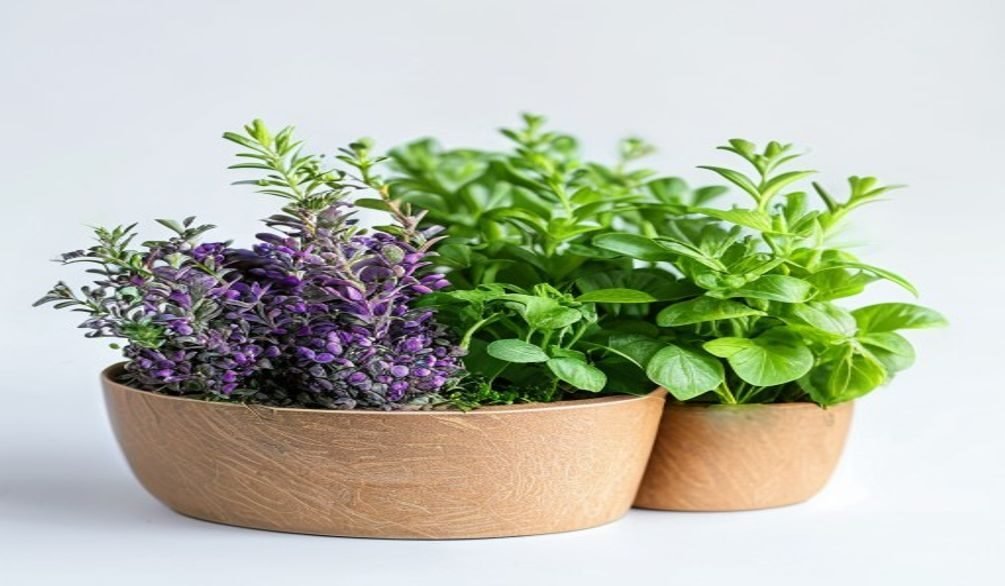
Companion planting for herbs involves growing specific plants together for their mutual benefit, creating a more harmonious and productive garden ecosystem. Melanie Rekola, owner of Melanie Rekola Landscape Design, explains that this practice “is the act of growing certain plants together, usually for their mutual benefit” (2025). It’s all about how different plants interact, either by repelling pests, attracting beneficial insects, improving soil conditions, or even enhancing flavor.
Think of it like a community where everyone helps each other out. Some plants emit scents that confuse pests, others release compounds into the soil that benefit neighbors, and some simply provide shade or support. For instance, in my own Pune terrace garden, I’ve seen how effectively planting tulsi near my capsicum plants seems to keep common leaf miners at bay, a small but consistent benefit.
What herbs should not be planted together?
While many herbs thrive together, some pairings can actually hinder growth or attract unwanted pests, making it important to know which ones to avoid. For example, the University of West Virginia Extension suggests that “ideally, companion plants should be sown within two or three rows of each other” to maximize benefits, but this also highlights the need to keep incompatible plants separated (2025).
You’ll want to avoid planting fennel near most other herbs, as it can inhibit their growth. It’s known for releasing a compound called anethole that can stunt the development of many plants, including dill, coriander, and even tomatoes. So, if you’re growing fennel, give it its own space, maybe in a separate pot or a secluded corner of your kitchen garden. Also, keep strong-smelling herbs like sage and rosemary away from delicate ones like basil, as their potent aromas can sometimes overwhelm the milder flavors of their neighbors.
Here’s a quick list of common herb pairings to reconsider:
- Fennel: Avoid planting near almost all herbs, especially basil, dill, and coriander.
- Mint (pudina): It’s a vigorous spreader and can quickly take over garden beds, suffocating less aggressive herbs. Always grow pudina in containers to contain its roots.
- Rue: Can inhibit basil growth.
- Wormwood: Known to inhibit growth for a wide range of plants.
What are the 7 best companion plants for herbs?
Choosing the right herb companion plants for growth can dramatically improve your garden’s health and yield by deterring pests and attracting beneficial insects. These specific pairings have proven effective in creating a more resilient and productive herb garden. Iowa State University research found that insect damage on tomatoes was reduced when basil was grown alongside them, showing the power of these pairings (2025).
Here are my top 7 picks for herb companion plants for growth, based on years of experimenting in my own Indian balcony gardens:
- Basil: An excellent partner for tomatoes, basil is believed to repel pests like aphids and hornworms, and some gardeners even claim it improves tomato flavor. I always plant a Thai basil like ‘Sweet Dani’ near my ‘Pusa Ruby’ cherry tomatoes.
- Marigolds (Tagetes spp.): These vibrant flowers are fantastic all-purpose companions, known for encouraging vegetable growth and repelling a wide range of pests and insects. They’re especially good at repelling nematodes when planted near tomatoes, and their strong scent can deter other unwelcome visitors from your herb beds.
- Rosemary: With its pungent aroma, rosemary is a natural insect repellent. It keeps away carrot rust flies, slugs, and even some types of beetles, making it a great neighbor for carrots, cabbage, and beans, protecting your nearby dhania or pudina.
- Chives: These onion-family members are champions at deterring aphids and carrot flies. Planting them near your herbs can protect them from these common nuisances, and they also help improve the flavor of carrots.
- Nasturtiums: These beautiful, edible flowers act as a trap crop, luring aphids and other pests away from your desired plants. A study out of Iowa State University found that nasturtiums interplanted with zucchini significantly reduced squash bugs and their damage (2025). This means your herbs get a break from being a pest’s first choice.
- Garlic: The strong odor of garlic provides excellent pest protection. Planting garlic around potatoes helps protect them from pests, and it’s also effective at repelling diamondback moths from cabbage. Consider planting a few cloves near your methi or spinach.
- Dill: This delicate herb is a magnet for beneficial insects like hoverflies and parasitic wasps, which prey on aphids and other destructive pests. It’s a great companion for cabbage, lettuce, and onions, helping to keep your herb garden naturally pest-free.
What is a good companion plant for all herbs?
While no single plant is a universal panacea, marigolds (Tagetes spp.) come remarkably close to being a good companion plant for almost all herbs, offering broad-spectrum benefits. They are renowned for their ability to deter a wide array of pests, including nematodes, and can even suppress weeds, creating a healthier environment for your herbs. Their roots release compounds that repel harmful soil nematodes, and their strong scent confuses airborne pests.
I’ve personally seen how a border of marigolds around my raised herb beds in Bangalore can significantly reduce the incidence of spider mites on my basil and mint. Plus, they add a splash of color, making your garden both functional and beautiful. If you’re looking for one plant to add for general garden health, marigolds are a fantastic choice.
Do herbs do well with other plants?
Absolutely, herbs generally do very well with other plants, especially vegetables and certain flowers, often forming mutually beneficial relationships in a garden setting. This is the core principle behind herb companion plants for growth, where their unique properties enhance the overall health and productivity of diverse plantings. Jessica Walliser, horticulturist and author of “Plant Partners,” emphasizes that companion planting “mimic[s] more of a wild ecosystem” leading to “a more stable environment, that’s more resistant to pest outbreaks,” with “reduced weed pressure, reduced disease pressure” (2025).
For instance, many culinary herbs like rosemary, thyme, and oregano can deter common vegetable pests, while flowering herbs like dill and coriander (if allowed to flower) attract pollinators and beneficial insects that protect your vegetables. This synergistic approach is a cornerstone of organic gardening herbs. The only real exceptions are those few incompatible pairings, like fennel, which need their own space.
How do companion plants benefit herbs?
Companion plants offer a multitude of benefits to herbs, ranging from natural pest control and improved growth to enhanced flavor and better soil health. These advantages are why incorporating herb companion plants for growth is such a powerful strategy for any gardener. The University of Missouri’s Integrated Pest Management department has shown that companion planting can “cut down on the need for insecticide,” highlighting a major benefit (2025).
Here’s how these pairings make a real difference in your garden:
- Pest Deterrence: Many companion plants emit strong scents that confuse or repel common herb pests. For example, garlic and chives deter aphids and carrot flies, protecting your dhania and methi. This natural pest control herbs approach means less reliance on chemical sprays.
- Attracting Beneficial Insects: Some flowering companions, like dill or borage, act as magnets for predatory insects like ladybugs, hoverflies, and parasitic wasps. These beneficial insects then feast on destructive pests, creating a natural defense system for your herbs. This is a key aspect of attracting beneficial insects herbs.
- Improved Soil Health: Certain companions, particularly legumes, can fix nitrogen in the soil, making it more available for nearby herbs. Though isotopic-tracer studies show only 2% to 8% of nitrogen transfers within the same growing season, the long-term benefits for soil fertility are significant for the next crop (2025). This contributes to healthy garden soil.
- Weed Suppression: Groundcover companion plants can shade the soil, reducing weed growth and conserving moisture. This means less competition for your herbs and less work for you.
- Enhanced Flavor: While some claims are anecdotal, many gardeners believe certain pairings, like basil with tomatoes, can improve the flavor of the harvested herbs or vegetables. It’s a delightful bonus!
- Shade and Support: Taller, bushier plants can offer protective shade to more delicate herbs during the intense Indian summer heat, preventing scorching.
You might have heard that companion planting is a magic bullet for instant nitrogen transfer to your plants. In practice, while nitrogen-fixing plants like beans eventually enrich the soil, most of that benefit comes to the *next* season’s crop, not the one growing alongside it immediately. So, don’t expect a sudden growth spurt from nitrogen alone in the current season; the long-term soil improvement is the real gain.
| Herb | Best Companion Plants for Growth | Key Benefit |
|---|---|---|
| Basil | Tomatoes, Marigolds, Chamomile | Pest deterrence (aphids, hornworms), flavor enhancement |
| Rosemary | Cabbage, Carrots, Beans | Repels carrot rust fly, slugs, beetles |
| Coriander (Dhania) | Anise, Dill, Marigolds | Attracts beneficial insects, general pest deterrence |
| Mint (Pudina) | Cabbage, Tomatoes (in separate pots) | Deters aphids, ants; grow in containers to prevent spread |
| Thyme | Cabbage, Potatoes, Strawberries | Deters cabbage worms, whiteflies |
Honestly, most people give up on gardening after one failed crop and blame themselves — but 80% of first failures are caused by wrong pot size, wrong season, or wrong soil mix, not wrong technique. Get those three right, and almost any plant becomes easy to grow. For instance, I once tried growing methi from seeds bought at a local kirana store instead of a proper seed shop. The germination rate was a dismal 15%. I switched to Sarpan or Indo-American seeds from a reputable nursery, and my germination shot up to over 80%. Cooking seeds and garden seeds are just not the same thing, even if they look identical!
Frequently asked questions
What herbs should not be planted together?
You should avoid planting fennel near most other herbs, as it can inhibit their growth, and keep aggressive spreaders like mint (pudina) in separate containers. Fennel releases compounds that stunt nearby plant development, according to horticultural research (2025). This prevents competition and allows all your herbs to thrive without interference.
What is a good companion plant for all herbs?
Marigolds (Tagetes spp.) are an excellent all-around companion plant for most herbs, as they effectively deter a wide range of pests and nematodes. Their strong scent and root exudates provide broad protection, as demonstrated by their use in organic pest control (2025). Planting marigolds can significantly reduce pest pressure across your entire herb garden.
What are the 3 best herbs to grow together?
The three best herbs to grow together for mutual benefit are basil, chives, and dill, forming a powerful trio for pest deterrence and beneficial insect attraction. Basil protects tomatoes, chives deter aphids, and dill attracts predatory insects, creating a balanced micro-ecosystem (2025). This combination enhances the overall health and productivity of your herb patch.
Do herbs do well with other plants?
Yes, herbs generally do very well with other plants, including vegetables and flowers, often forming beneficial relationships that enhance growth and deter pests. Horticulturist Jessica Walliser notes that this mimics “a more stable environment, that’s more resistant to pest outbreaks” (2025). Integrating herbs into your mixed garden can lead to a healthier and more productive space.
How do companion plants benefit herbs?
Companion plants benefit herbs by deterring pests, attracting beneficial insects, improving soil health, and potentially enhancing flavor. The University of Missouri’s Integrated Pest Management department confirms that companion planting can “cut down on the need for insecticide” (2025). This natural synergy helps your herbs grow stronger and healthier without chemical intervention.
So, there you have it – the power of herb companion plants for growth isn’t just a gardening myth; it’s a proven strategy for a healthier, more productive garden. By thoughtfully pairing your herbs with the right companions, you’re not just planting; you’re cultivating a thriving ecosystem that works for you. Start experimenting with these pairings in your own balcony or terrace garden, and you’ll soon see your herbs flourish with fewer pests and more vigor. Happy gardening!