
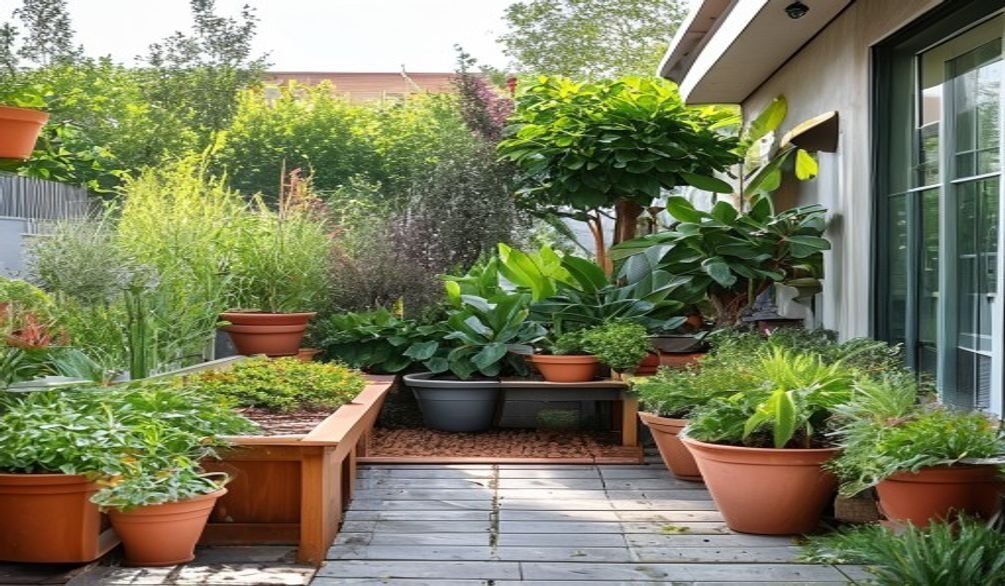
Key Takeaways
- Urban gardening participation reached nearly 49% across Asia-Pacific in 2026, with terrace gardening significantly driving demand.
- A record 64% of gardeners planned to expand their gardens in 2026, according to a 2025 study by Axiom.
- 78% of U.S. gardeners adopted container gardening post-2020, highlighting its popularity for limited spaces.
- Vertical garden systems like GreenStalk can hold 30 plants in the footprint of a single container, maximizing small terrace gardening space-saving ideas.
- Hydroponic systems use less water than traditional soil gardening, making them efficient for small spaces and water-scarce areas, according to The Good Trade (2026).
Most Mumbai balcony gardeners lose their bhindi plants every May, not from pests, but from the relentless 40°C heat before the monsoon arrives. You’re not alone if you’ve struggled to grow a thriving garden in a small urban space; it’s a common challenge, but with the right **terrace gardening space-saving ideas**, you can transform even the tiniest corner into a lush haven. This guide will walk you through proven methods to make your small terrace garden flourish, even when space is a premium.
Quick Answer: The best space-saving ideas for terrace gardening include vertical gardens, stackable planters, railing planters, container walls, and trellises for climbing plants, all maximizing limited outdoor square footage efficiently.
What are the best space-saving ideas for terrace gardening?
The best **terrace gardening space-saving ideas** focus on maximizing vertical dimensions and using clever container solutions. Urban gardening participation stands at nearly 49% across Asia-Pacific in 2026, with rooftop and terrace gardening trends fueling significant demand, according to Axiom (2025). This shows just how many of us are looking for smart ways to grow! You’ve got limited floor space, right? So, we’ve got to think upwards and creatively.
Vertical gardens are a game-changer for small terraces. Think about it: a system like the GreenStalk 5-Tier Vertical Garden Planter can hold 30 planting pockets across five tiers while only taking up the footprint of a single large pot. That’s a lot of dhania or lal mirch in a tiny area! Railing planters are another smart option, transforming otherwise unused balcony railings into prime growing spots. You can find sturdy ones at local nurseries for around ₹300–₹800, perfect for herbs or small flowers. And don’t forget stackable planters; they let you grow multiple plants in a tiered setup, saving precious floor space.
Utilizing vertical real estate
Vertical gardening is more than just a trend; it’s a necessity for **terrace gardening space-saving ideas**. You can use pre-made vertical garden systems, or even DIY with repurposed pallets or old plastic bottles. I’ve seen some amazing setups in Pune where gardeners have used old PVC pipes cut in half, stacked them, and grown everything from pudina to small cherry tomatoes. The key is to secure them properly, especially if you live in an area with strong winds, like coastal Mumbai.
Clever container strategies
It’s not just about *what* you plant, but *where* you plant it. Container walls, for instance, involve attaching individual pots to a sturdy wall grid or trellis. This creates a green wall that’s both functional and beautiful. Trellises are also your best friend for climbing plants like karela (bitter gourd), bottle gourd, or even small cucumbers, directing their growth upwards and keeping them from sprawling across your limited floor space.
How do you make a small terrace garden look bigger?
You can make a small terrace garden look bigger by employing visual tricks and smart design principles that create an illusion of depth and openness. A thoughtfully designed rooftop garden can enhance the appeal and functionality of a property, making it more attractive, according to Todd Haiman, Landscape Designer (2026). It’s all about making the eye believe there’s more space than there actually is.
One effective trick is to use light colors for your pots and walls, as these reflect light and make the area feel more expansive. Dark colors tend to absorb light, making a space feel smaller and more enclosed. Another great idea is to incorporate mirrors strategically. Placing a large outdoor mirror on a wall can reflect your plants and the open sky, instantly doubling the perceived size of your garden. It’s like magic, but it’s just clever design!
Design elements for expansion
* **Monochromatic Plant Palettes:** Stick to a few shades of green or a single flower color (like white or pale yellow). Too many colors can make a small space feel cluttered.
* **Varying Heights:** Use plants of different heights to create visual interest and depth. Place taller plants at the back and shorter ones in front.
* **Pathways and Zones:** Even a tiny terrace can benefit from a defined “pathway” or distinct zones. This gives the impression of different areas to explore, making the space feel larger.
* **Minimalist Decor:** Resist the urge to clutter your terrace with too many decorative items. A few well-chosen pieces will have a greater impact.
What are the best plants for a small terrace garden?
The best plants for a small terrace garden are those that are compact, have a high yield-to-space ratio, or can be grown vertically. Container gardening has completely changed the way people think about growing their own food and flowers, proving you don’t need a big backyard, according to Stacy Tornio, Master Gardener and Master Naturalist (2026). You’ll want to pick varieties that are happy in pots and don’t take up too much horizontal space.
For vegetables, think about dwarf varieties of tomatoes like Pusa Ruby, bush beans, radishes, and leafy greens such as palak (spinach) and methi. Herbs like pudina, dhania, and tulsi are also perfect because they don’t need deep roots and can thrive in smaller pots or even railing planters. When I started my first terrace garden, I tried growing standard brinjal in a small pot, and it just never reached its full potential. Switching to smaller, more compact varieties made all the difference.
Top plant choices for limited space
* **Herbs:** Pudina, dhania, tulsi, ajwain (carom), and lemongrass. These are fantastic for tight spots and give you fresh ingredients for cooking.
* **Leafy Greens:** Palak, lettuce, and kale. They grow quickly and can be harvested multiple times.
* **Compact Vegetables:** Cherry tomatoes, bush beans, radishes, and small chillies (like the tiny lal mirch varieties).
* **Climbing Plants:** Malabar spinach, small gourds (like tinda or kundru), and even certain small cucumber varieties can be trained up a trellis, making them excellent **terrace gardening space-saving ideas**.
How do i maximize my small balcony garden?
You can maximize your small balcony garden by thinking multi-dimensionally and utilizing every available surface, not just the floor. This means looking at walls, railings, and even overhead space for hanging baskets. In my 10 years of experience with Indian balcony gardens, I’ve learned that every inch counts, especially when dealing with Mumbai’s humidity or Delhi’s intense summers.
One of the easiest ways to maximize space is by installing shelves or tiered plant stands. These let you stack multiple pots vertically, effectively using the air above your plants. Hanging baskets are another fantastic option for flowers or trailing herbs, freeing up floor space entirely. And don’t forget to look up! If you have an awning or overhead structure, you can hang baskets there too. Remember, 78% of U.S. gardeners adopted container gardening post-2020, showing how vital these strategies are for limited areas. You’ve got this!
Smart balcony gardening solutions
* **Railing Planters:** Attach planters directly to your balcony railing. They’re perfect for herbs, annual flowers, or small leafy greens. Just make sure they’re secure and don’t pose a falling hazard.
* **Wall-Mounted Planters:** Install sturdy hooks or a grid system on your balcony wall to hang individual pots. This creates a beautiful green wall and keeps plants off the floor.
* **Tiered Stands & Shelves:** Invest in a multi-tiered plant stand. These come in various materials like metal or wood and can hold numerous pots in a small footprint. They’re great for creating visual height and depth too.
* **Hanging Baskets:** Ideal for trailing plants like petunias, money plants, or even small strawberry varieties. They add greenery at eye level and free up floor space.
What is the easiest way to make a terrace garden?
The easiest way to make a terrace garden, especially one focused on **terrace gardening space-saving ideas**, is to start small with a few well-chosen containers and easy-to-grow plants. “Terrace gardening has become one of the fastest-growing ways to grow fresh food at home,” according to ILA Seeds (2026), highlighting its accessibility. Don’t try to tackle a full-blown rooftop farm on day one – that’s a recipe for overwhelm.
Begin with a couple of large, sturdy pots or an EarthBox Original Gardening System, which is praised for its ease of use and high yields. Fill them with a good quality potting mix – I always recommend a blend of cocopeat, compost, and perlite for Indian conditions, easily found at Bhavani Nursery or online. Then, plant some simple herbs like pudina or dhania, or a fast-growing vegetable like radishes. You’ll get quick results, which is super encouraging!
Simplified setup steps
1. Choose Your Spot: Identify the sunniest part of your terrace. Most vegetables need at least 6 hours of direct sunlight.
2. Select Your Containers: Start with 3-5 containers. Consider fabric grow bags (affordable and good drainage), terracotta pots (classic look), or plastic pots (lightweight).
3. Get Good Soil: Don’t skimp on potting mix. A well-draining, nutrient-rich mix is crucial for container plants. You can find good quality mixes from brands like Cocogreen.
4. Pick Easy Plants: Begin with herbs or leafy greens. They’re forgiving and provide quick harvests.
5. Water Consistently: Container plants dry out faster than in-ground gardens. Check soil moisture daily, especially during pre-monsoon heat. I once lost a container plant in July because my balcony roof blocked all the rain – the soil was bone dry while everything else was soaked. Container plants on covered balconies still need watering in monsoon!
You might have heard that organic fertilizers are always best. In practice, for small container gardens, the soil volume in a 12-inch pot is too small for slow-release organic nutrients to work the way they do in ground soil. Liquid fertilizers like diluted jeevamrit or seaweed extract work faster and are easier to control in pots. Just my two cents from years of trial and error!
Choosing the right containers for space-saving terrace gardening
Choosing the right containers is paramount for effective **terrace gardening space-saving ideas**, influencing not only space efficiency but also plant health and water retention. Different materials and designs offer unique benefits, and selecting wisely can make a huge difference in your garden’s success. For instance, Proven Winners Direct specializes in high-performance plants bred specifically for container arrangements, simplifying plant selection for container-friendly series.
When you’re dealing with limited space, you need containers that either stack, hang, or fit into tight corners without wasting precious square footage. Fabric grow bags are fantastic because they’re lightweight, promote air pruning for healthier roots, and can be folded away when not in use. Plus, they’re generally very affordable, often costing around ₹50–₹150 for a 10-gallon bag, making them accessible for any urban gardener.
Container options for compact spaces
| Container Type | Pros | Cons | Best For |
|---|---|---|---|
| Vertical Planters | Maximizes vertical space; integrated watering systems. | Can be expensive; heavier when fully planted. | Herbs, leafy greens, small vegetables like strawberries. |
| Stackable Planters | Efficient vertical growth; easy to assemble. | Bottom tiers can get less light; drainage needs care. | Herbs, small flowers, compact vegetables. |
| Railing Planters | Uses unused railing space; adds curb appeal. | Limited capacity; can be heavy on railings. | Herbs, annual flowers, small chillies. |
| Fabric Grow Bags | Excellent drainage & aeration; lightweight; affordable. | Dries out faster; less aesthetic for some. | Root vegetables, tomatoes, larger herbs. |
| Self-Watering Pots | Reduces watering frequency; ideal for busy gardeners. | Can be more expensive; limited size options. | Moisture-loving plants, vacation-friendly gardening. |
The truth is, while terracotta pots look lovely, they can be quite heavy when filled with soil and plants, especially for rooftop terraces with weight restrictions. Also, they dry out very quickly in the Indian summer heat, meaning you’ll be watering more often. For me, a mix of fabric grow bags and sturdy plastic pots for larger plants has always been the most practical solution.
Smart hydroponic solutions for limited terrace space
Smart hydroponic solutions offer a highly efficient and compact way to cultivate plants, making them exceptional **terrace gardening space-saving ideas**. Hydroponic growing holds a lot of promise, especially in fresh food-scarce areas or places with difficult weather patterns, and it uses less water since you’re only watering roots instead of the additional dirt around the plant, according to The Good Trade (2026). This method skips soil entirely, growing plants in nutrient-rich water.
For a small terrace, a vertical hydroponic system like the Lettuce Grow Farmstand Nook is an excellent choice. It’s designed for compact spaces, supporting over 20 plants in a tiny footprint, and works well on balconies. You can grow a surprising amount of leafy greens, herbs, and even some smaller vegetables like cherry tomatoes or bhindi. The initial setup might seem a bit daunting, but once you get the hang of it, the reduced watering and faster growth cycles are incredibly rewarding.
Benefits of hydroponics for small terraces
* **Space Efficiency:** Vertical hydroponic towers maximize your vertical growing area, fitting more plants into a smaller footprint than traditional pots.
* **Water Conservation:** Hydroponic systems recirculate water, using significantly less than traditional soil gardening. This is a huge plus, especially in cities where water can be a concern.
* **Faster Growth:** Plants in hydroponic systems often grow faster because their roots have direct access to nutrients and oxygen, leading to quicker harvests.
* **Reduced Pests:** Without soil, you generally face fewer soil-borne pests and diseases, simplifying pest management.
I’ve seen friends in Bangalore use small DIY hydroponic setups with PVC pipes to grow salad greens all year round, even in their tiny apartments. The initial investment might be a bit higher than traditional gardening, but the long-term benefits in yield and space-saving are undeniable. If you’re really short on space and want to maximize your output, hydroponics is definitely worth exploring. You can learn more about setting them up in our guide on Hydroponics Setup: 5 Simple Steps for Beginners.
Frequently asked questions
What are the best plants for a small terrace garden?
The best plants for a small terrace garden are compact, high-yielding varieties like cherry tomatoes, bush beans, radishes, and leafy greens such as palak and methi. Herbs like pudina and tulsi also thrive in smaller containers, making them ideal for **terrace gardening space-saving ideas**.
How do you make a small terrace garden look bigger?
You can make a small terrace garden look bigger by using light-colored pots and walls, incorporating mirrors to reflect greenery, and creating visual depth with plants of varying heights. A record 64% of respondents in a 2025 study by Axiom stated they will plant more and expand their gardens in 2026, often using these visual tricks.
How do i maximize my small balcony garden?
Maximize your small balcony garden by utilizing vertical space with railing planters, wall-mounted systems, and tiered plant stands, along with hanging baskets. This strategy effectively increases your growing area without taking up precious floor space, providing excellent **terrace gardening space-saving ideas**.
What is the easiest way to make a terrace garden?
The easiest way to make a terrace garden is to start simple with a few large containers, a good quality potting mix, and easy-to-grow plants like herbs or leafy greens. This approach minimizes initial effort and ensures quick, rewarding harvests, which is a key part of successful **terrace gardening space-saving ideas**.
What are some good small space gardening solutions?
Good small space gardening solutions include vertical garden systems, stackable planters, railing planters, and trellises for climbing plants. These methods are crucial for **terrace gardening space-saving ideas**, allowing you to grow more in limited urban environments.







