Key Takeaways
- Over 4 in 5 (81%) of gardeners prefer eco-friendly pest control for plants, according to a survey (2026).
- Aphids were a top concern for 36% of gardeners in 2025, according to survey data (2025).
- 51% of gardeners plan to use natural sprays for pest control in their gardens, according to a gardening trend report (2026).
- Fungus gnats were the second most visited pest on the UC IPM’s Pests Notes page in 2025, indicating significant gardener concern (2025).
- Prevention, like inspecting new plants and using sterile potting soil, is your best defense against balcony garden pests, according to Balcony Garden Web (2025).
Most Mumbai balcony gardeners know the dread of waking up to sticky leaves or tiny holes in their pudina plants. Dealing with balcony garden pests can feel like a constant battle, especially when you’re trying to grow your own fresh vegetables and herbs in a small space. But don’t worry, you’re not alone in finding this hard, and we’ll walk through seven effective, often natural, ways to banish these unwanted guests from your urban green oasis.
Quick Answer: Banish balcony garden pests by regularly inspecting plants, using natural remedies like insecticidal soap or neem oil sprays, introducing beneficial insects, practicing companion planting, ensuring good air circulation, and maintaining healthy soil.
What are the most common pests in balcony and container gardens?
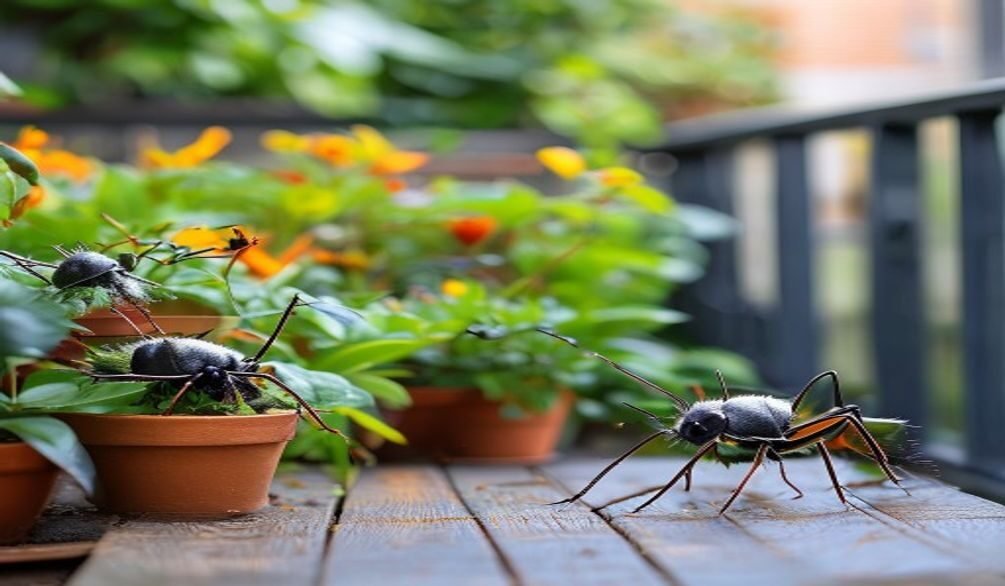
The most common pests you’ll encounter in balcony and container gardens are typically soft-bodied insects like aphids, spider mites, whiteflies, mealybugs, and fungus gnats. In 2025, aphids were a top concern for 36% of gardeners, according to survey data (2025). These tiny invaders love the sheltered, often humid conditions of a balcony.
Let’s break down the usual suspects and the damage they do:
- Aphids: These tiny, pear-shaped insects, often green, black, or red, cluster on new growth and the undersides of leaves, sucking out plant sap. They leave behind a sticky substance called honeydew, which can lead to sooty mold. You’ll often find them on your hibiscus, rose, or even your lal mirch plants.
- Spider Mites: Almost invisible to the naked eye, these tiny arachnids create fine webs on plants and cause stippling (tiny dots) on leaves, leading to yellowing and eventual leaf drop. They thrive in hot, dry conditions, making them common balcony garden pests during Indian summers.
- Whiteflies: Small, white, moth-like insects that fly up in a cloud when disturbed from the undersides of leaves. Like aphids, they feed on sap and excrete honeydew. They love dhaniya and brinjal plants.
- Mealybugs: These look like small, white, cottony masses in leaf axils and along stems. They also suck sap, weakening plants and causing distorted growth. I’ve seen them devastate a healthy tulsi plant in just a few weeks if not caught early.
- Fungus Gnats: Tiny, dark, mosquito-like flies that hover around the soil surface. While the adults are mostly a nuisance, their larvae feed on plant roots, especially in overly moist soil, and can be a real problem for seedlings.
Identifying these balcony plant pests is the first step in effective pest control.
Why are my balcony plants getting so many bugs?
Your balcony plants might be attracting so many bugs due to a combination of environmental factors common in small, urban gardening spaces, including limited air circulation, inconsistent watering, and sometimes, stress from overcrowding. Dr. Nancy Troyano, Sr. Director of Sales and Service Academy at Rentokil Terminix, notes that “warmer seasons will let ticks and mosquitoes stay active longer,” a trend that can also impact general pest presence in balcony gardens (2026).
Here’s a closer look at why your plants might be bug magnets:
- Lack of Air Circulation: Balconies, especially enclosed ones, can limit airflow around plants. Stagnant air creates a humid, warm environment that many pests, particularly spider mites and whiteflies, absolutely love.
- Overwatering: This is a big one. My personal opinion is that watering on a fixed schedule is one of the worst habits an Indian balcony gardener can have. Soil dries at completely different rates in summer versus monsoon, morning versus afternoon sun, and terracotta versus plastic pots. Always check the soil with your finger, never follow a calendar. Overwatering can lead to root rot and also attracts fungus gnats, as their larvae thrive in constantly damp soil.
- Overcrowding: Packing too many plants into a small space reduces airflow and makes it easier for pests to jump from plant to plant. It also stresses plants, making them more vulnerable to infestations.
- Nutrient Imbalance: Plants that are under-fertilized or over-fertilized can become weak, sending out signals that attract pests. Healthy plants are naturally more resistant to common container garden pests.
- New Plant Introductions: Bringing a new plant home from the nursery without inspecting it is a common way to introduce pests. Always quarantine new plants for a week or two.
Understanding these underlying causes helps you tackle the root of your balcony garden pests problem, rather than just treating the symptoms.
How can i keep bugs off my balcony plants naturally?
You can keep bugs off your balcony plants naturally by implementing regular inspection routines, practicing good garden hygiene, and using simple, non-toxic deterrents. Over 4 in 5 (81%) of gardeners prefer eco-friendly pest control for plants, according to a survey (2026).
Here are some of my go-to natural pest control balcony strategies:
- Regular Plant Inspection: This is your first line of defense. Check your plants daily, especially the undersides of leaves and new growth. Catching an infestation early makes it much easier to manage. I always do a quick check while watering my dhania and pudina every morning.
- Hand-Picking Pests: For larger pests like caterpillars or even visible mealybugs, sometimes the simplest method is the best. Just pick them off and drop them into a bucket of soapy water. 50% of gardeners plan to remove pests by hand in 2026, according to a gardening trend report (2026).
- Strong Water Spray: A strong jet of water can dislodge aphids, spider mites, and whiteflies from leaves. Do this in the morning so the leaves have time to dry, especially important during the monsoon season in Mumbai.
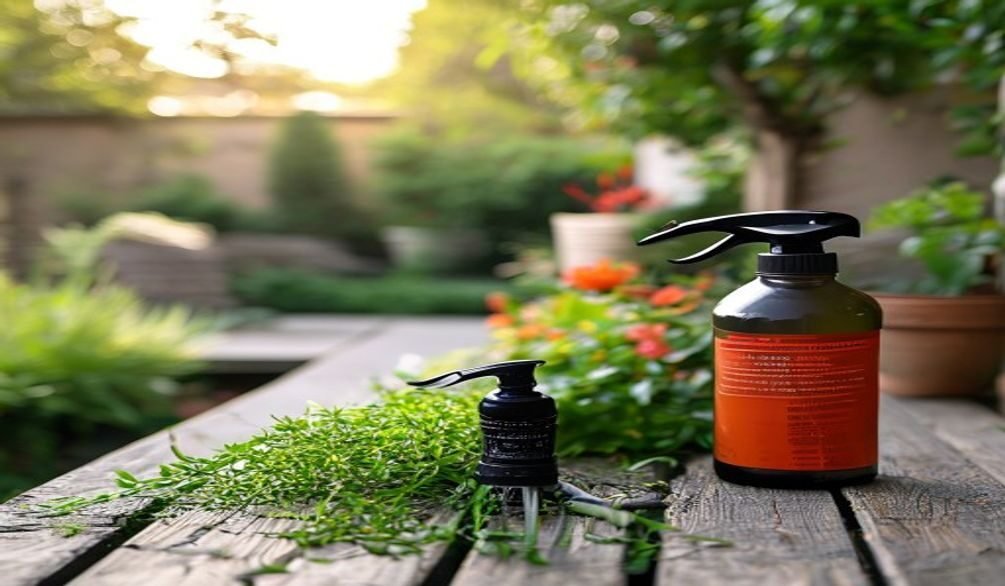
- DIY Insecticidal Soap Spray: Mix 1 teaspoon of mild liquid soap (like dish soap) with 1 liter of water. Spray directly onto affected plants, making sure to cover the undersides of leaves. This suffocates soft-bodied balcony garden pests. You can add a few drops of neem oil for extra punch.
- Rubbing Alcohol for Mealybugs: For those stubborn mealybugs, dab them directly with a cotton swab dipped in 70% (or less) isopropyl alcohol. It dissolves their waxy coating on contact.
These methods are safe for you, your plants, and the environment, making them ideal for balcony garden pest prevention.
What are some organic pest control methods for balconies?
Organic pest control methods for balconies focus on using natural substances and ecological practices to manage pests without harmful chemicals, aligning with the preference of 51% of gardeners who plan to use natural sprays for pest control in 2026 (gardening trend report, 2026). These strategies are especially important when you’re growing edible plants like bhindi or tomatoes.
Let’s look at some effective organic options:
Neem Oil Spray: Neem oil is a fantastic natural pesticide derived from the neem tree, common across India. It works as an anti-feedant, repellent, and growth disruptor for many insects. Mix 1-2 teaspoons of 100% cold-pressed neem oil with 1 teaspoon of mild liquid soap and 1 liter of water. Spray thoroughly every 5-7 days until the infestation is under control. Brands like Ugaoo or Nurserylive often sell good quality neem oil.
Companion Planting: This is a smart way to deter balcony garden pests by planting specific herbs and flowers near your vegetables. For example:
- Basil can help repel whiteflies and mosquitoes.
- Mint (pudina) deters ants and aphids, but remember to grow mint in its own pot as it’s very invasive!
- Marigolds are known to repel aphids and nematodes.
- Garlic or Chives can deter aphids and spider mites.
Sticky Traps: Yellow sticky traps are great for catching flying pests like whiteflies, fungus gnats, and winged aphids. Hang them near your plants; the bright color attracts the insects, and they get stuck. They’re readily available at local nurseries for ₹80-₹150 for a pack of 5-10. This is a simple solution for balcony garden pest prevention.
Diatomaceous Earth (DE): Food-grade DE is a natural, abrasive powder made from fossilized diatoms. When sprinkled on soil or plants, it dehydrates and kills crawling insects like ants, slugs, and some beetle larvae by damaging their exoskeletons. Be careful not to inhale it, and apply it when plants are dry for best results. It’s safe for pets and humans once settled.
| Organic Pest Control Method | Target Pests | Best Use Case for Balconies |
|---|---|---|
| Neem Oil Spray | Aphids, Spider Mites, Whiteflies, Mealybugs | Broad-spectrum control, preventative spray |
| Companion Planting | Aphids, Whiteflies, Mosquitoes, Nematodes | Long-term prevention, plant health |
| Sticky Traps | Whiteflies, Fungus Gnats, Winged Aphids | Monitoring and trapping flying insects |
| Diatomaceous Earth (DE) | Ants, Slugs, Fungus Gnat larvae | Soil-level crawling pests, dry conditions |
How do i use beneficial insects in a small balcony space?
You can effectively use beneficial insects in a small balcony space by creating an inviting habitat and releasing them strategically, which offers a natural, long-term solution to many balcony garden pests. Attracting beneficial insects: 12 simple ways for your garden is a good resource if you want to learn more about this.
Here’s how to make it work:
- Know Your Beneficials:
- Ladybugs (Ladybeetles): These are voracious eaters of aphids. A single ladybug can consume up to 50 aphids a day!
- Lacewings: Their larvae, often called ‘aphid lions,’ feed on aphids, thrips, and whiteflies.
- Praying Mantises: While impressive, they are generalist predators and might eat beneficial insects too, so they’re less targeted for specific pest problems.
- Purchase from Reputable Suppliers: You can buy ladybugs and lacewing larvae online from suppliers like ARBICO Organics, or sometimes even at larger nurseries.
- Release at the Right Time: Release ladybugs in the evening when temperatures are cooler. Lightly mist your plants with water before releasing them; this gives them something to drink and encourages them to stay.
- Provide Food and Shelter: To keep beneficial insects around, plant small-flowered plants like dill, fennel, or cosmos. These provide nectar and pollen, which adult beneficials need. A small dish of water can also help.
- Avoid Pesticides: If you’re introducing beneficial insects, you absolutely must stop using chemical pesticides, even organic ones, as they will harm your helpful allies. This integrated approach is key for managing balcony garden pests.
I’ve had success releasing ladybugs on my capsicum plants in Pune when aphids were out of control — it took a few days, but they cleared up the infestation beautifully.
What causes fungus gnats in container soil and how do i prevent them?
Fungus gnats primarily infest container soil because of excessive moisture, as their larvae thrive in perpetually damp conditions where they feed on fungi and decaying organic matter. In 2025, fungus gnats were the second most visited pest on the UC IPM’s Pests Notes page, highlighting how common this issue is for gardeners (2025). Karey Windbiel-Rojas, Associate Director for Urban and Community Integrated Pest Management at the University of California, emphasizes that controlling moisture is the biggest control tactic (2026).
Here’s how to prevent and manage these annoying balcony garden pests:
- Don’t Overwater: This is the golden rule. Let the top 1-2 inches of soil dry out completely between waterings. For smaller pots, that might mean watering every 2-3 days in Delhi summer, but only once a week in winter. Check with your finger!
- Improve Drainage: Ensure your pots have drainage holes. If water sits in the saucer, empty it. I always add a layer of broken terracotta pieces or gravel at the bottom of my pots for better drainage.
- Use Sterile Potting Mix: Some cheap, local potting mixes can come pre-loaded with fungus gnat eggs or larvae. Use a good quality, sterile potting mix from a reputable brand. In my experience, I tested cocopeat from three different brands in 2023 — COCO COIR, Royal, and a local loose brand from the nursery. The loose brand had salt residue that burned my seedling roots. Washed it 4 times before it was safe to use. Branded cocopeat costs ₹80–120 more per block but saves a ruined batch.
- Top Dressing: A layer of sand, fine gravel, or even neem cake on the soil surface can deter adult gnats from laying eggs and make it harder for larvae to emerge.
- Yellow Sticky Traps: Place these near the soil surface to catch adult fungus gnats, reducing their ability to reproduce.
- BTI (Bacillus thuringiensis israelensis): This is a naturally occurring bacterium that specifically targets the larvae of gnats and mosquitoes. You can find products containing BTI (like Mosquito Bits) to add to your watering can; it’s safe for plants and other organisms.
By addressing the moisture issue, you’ll significantly reduce the presence of these balcony garden pests.
Can i use bug spray on my balcony vegetable plants safely?
Yes, you can use certain bug sprays on your balcony vegetable plants safely, provided you choose organic or natural options and follow application instructions carefully. It’s crucial to distinguish between synthetic chemical pesticides and those derived from natural sources, especially when growing edible plants like tomatoes, bhindi, or dhania.
Here’s what you need to know:
- Choose Organic and Natural Sprays: Look for products labeled “organic,” “natural,” or “OMRI-listed.” These typically contain active ingredients like:
- Neem Oil: As discussed, it’s effective and safe for edibles. Brands like Safer Brand or Garden Safe offer good neem oil products.
- Insecticidal Soap: This is essentially a specialized soap that works by suffocating soft-bodied insects. It breaks down quickly and leaves no harmful residue.
- Pyrethrin (Natural): Derived from chrysanthemum flowers, natural pyrethrins are fast-acting but break down rapidly in sunlight. Ensure it’s natural pyrethrin, not synthetic pyrethroids.
- Read the Label: Always, always read the product label. It will specify which plants it’s safe for, the dilution rate, and the “days to harvest” (the time you must wait after spraying before harvesting your vegetables). This is critical for any balcony garden pests spray.
- Apply at the Right Time: Spray in the early morning or late evening to avoid direct sunlight, which can cause leaf burn, and to protect beneficial insects that are more active during the day.
- Test a Small Area: Before spraying your entire plant, test a small, inconspicuous leaf to ensure there’s no adverse reaction.
- Wash Produce Thoroughly: Even with organic sprays, always wash your harvested vegetables and herbs thoroughly before consumption.
Using these methods, you can tackle balcony garden pests without compromising the safety of your homegrown produce.
Frequently asked questions
What are the most common pests in container gardening?
The most common pests in container gardening include aphids, spider mites, whiteflies, mealybugs, and fungus gnats. Aphids were a top concern for 36% of gardeners in 2025, according to survey data (2025). Regularly inspecting your plants helps catch infestations early.
How do i keep bugs off my balcony plants naturally?
You can keep bugs off your balcony plants naturally by hand-picking pests, using strong water sprays, and applying DIY insecticidal soap or neem oil. 50% of gardeners plan to remove pests by hand in 2026, according to a gardening trend report (2026), showing its effectiveness. These methods are eco-friendly and safe for your balcony garden.
Why are my balcony plants getting so many bugs?
Balcony plants often get bugs due to limited air circulation, overwatering, overcrowding, or nutrient imbalances, which stress plants and attract pests. Stagnant air and excessive moisture create ideal breeding grounds for many balcony garden pests. Improving these conditions can significantly reduce pest problems.
What causes fungus gnats in container soil and how do i prevent them?
Fungus gnats are caused by overly moist container soil where their larvae thrive on fungi and decaying matter. Preventing them involves letting the soil dry out between waterings and using sterile potting mix. The University of California’s IPM highlights moisture control as the biggest tactic for prevention (2026).
What are some organic pest control methods?
Organic pest control methods include using neem oil sprays, practicing companion planting with pest-repellent herbs like basil or marigolds, and deploying yellow sticky traps. Over 4 in 5 (81%) of gardeners prefer eco-friendly pest control for plants, according to a survey (2026), making these methods popular choices. These methods protect your plants and the environment.
Dealing with balcony garden pests doesn’t have to be a losing battle. By understanding the common culprits, identifying why they’re attracted to your space, and applying these seven effective, natural methods, you can keep your urban garden thriving. Remember, consistency in inspection and a proactive approach are your best allies. With a little patience and the right techniques, your balcony will be a lush, pest-free haven for your favourite plants.