Key Takeaways
- Ceramic pots are preferred for their stability and ability to buffer root temperatures, according to The American Gringo Desert Journal blog (2026).
- Terracotta pots are ideal for plants like succulents that need faster drying soil due to their porous nature (The American Gringo Desert Journal blog, 2026).
- Proper drainage is crucial, as many indoor plants die from overwatering in pots without adequate holes (The American Gringo Desert Journal blog, 2026).
- Self-watering pots are a practical solution for beginner plant parents or those prone to forgetting to water, as highlighted by Taste of Home (2024).
- Choosing the correct pot size prevents plants from becoming root-bound or suffering from excessive moisture, ensuring healthy growth.
Most Bangalore balcony gardeners struggle to keep their beloved pudina and tulsi thriving through the hot, dry months, often blaming their watering habits. But often, the real culprit isn’t you; it’s the pot! To truly help your plants flourish, you need to thoughtfully choose indoor plant pots that match their specific needs and your local climate.
Quick Answer: Choose indoor plant pots by considering material (ceramic for stability, terracotta for drainage), ensuring adequate size for growth, and prioritizing essential drainage holes to prevent overwatering and promote root health.
What kind of pot is best for indoor plants?
The best kind of pot for indoor plants is one that balances proper drainage, material suitability for the plant’s watering needs, and adequate space for root growth. Ceramic pots are often considered the “gold standard” for indoor growing due to their visual weight and ability to maintain stable temperatures, according to The American Gringo Desert Journal blog (2026).
When you’re trying to choose indoor plant pots, it’s easy to get lost in the sheer variety. What works for a moisture-loving fern won’t work for a drought-tolerant succulent. Most people give up on gardening after one failed crop and blame themselves — but 80% of first failures are caused by wrong pot size, wrong season, or wrong soil mix, not wrong technique. Get those three right and almost any plant becomes easy to grow. Think about your plant’s natural habitat; does it like to dry out completely, or stay consistently moist?
For me, I’ve seen countless times in Pune terrace gardens how a simple change in pot type can revive a struggling plant. It’s not just about looks; it’s about creating the right microclimate for the roots.
What are the best materials for indoor plant pots?
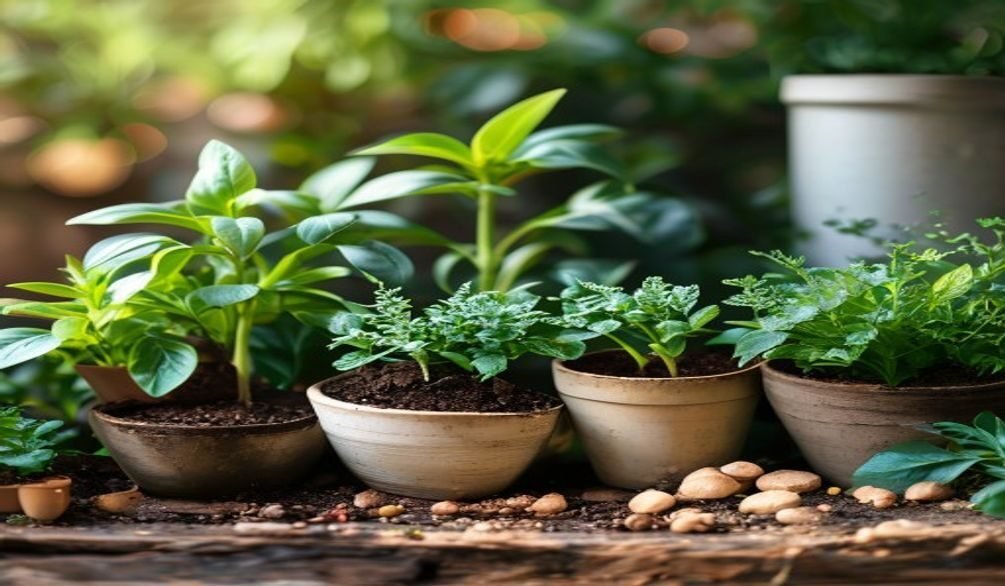
The best materials for indoor plant pots depend heavily on your plant’s specific needs and your watering habits, with ceramic and terracotta being popular choices. Ceramic pots are excellent for their stability and buffering roots from quick temperature swings, as noted by The American Gringo Desert Journal blog (2026).
When you need to choose indoor plant pots, understanding materials is key. Each material has its own pros and cons, especially in varying Indian climates.
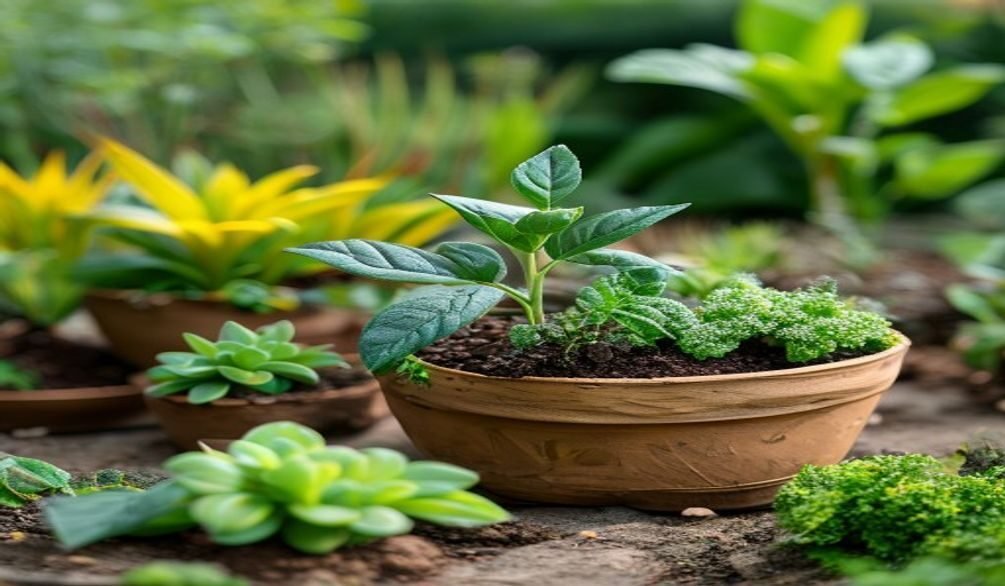
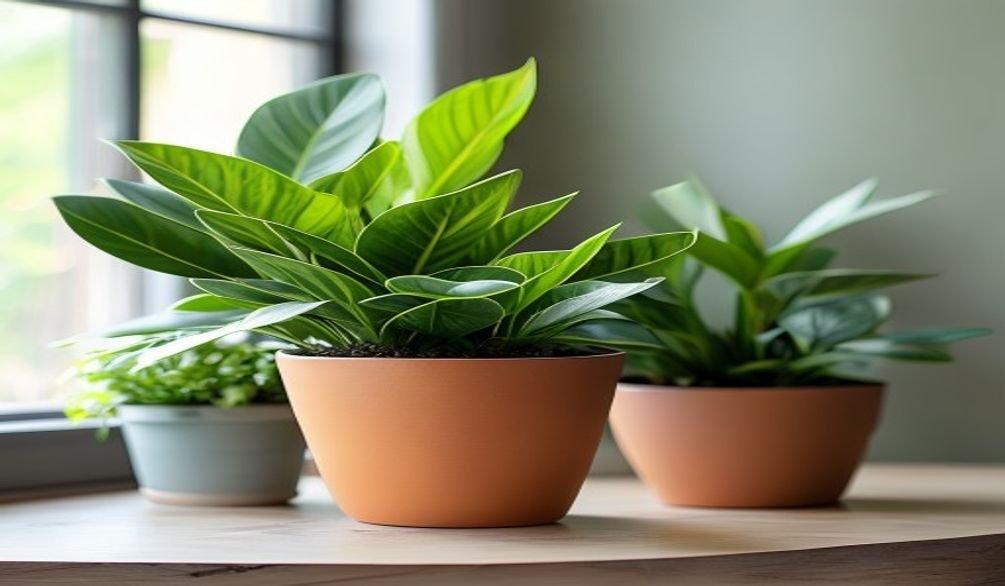
- Terracotta: These porous pots allow air and moisture to pass through, promoting faster soil drying. They’re perfect for plants that hate “wet feet,” like cacti, succulents, and even a well-drained genda (marigold). In my experience, my neighbour grew tomatoes in a black plastic pot on her Mumbai terrace and got nothing two summers in a row. Switched her to a terracotta pot with the same soil mix and she got her first harvest in 8 weeks. Black plastic heats up to 55°C in direct sun — it cooks the roots silently.
- Ceramic: Glazed ceramic pots are less porous than terracotta, meaning the soil stays moist longer. They’re heavier and more stable, great for taller plants like a Ficus lyrata, and come in countless designs. They also tend to hold temperature more steadily than thin plastic, which helps buffer roots from quick environmental swings indoors, according to The American Gringo Desert Journal blog (2026).
- Plastic: Lightweight and affordable (often available at local nurseries for ₹80–150), plastic pots retain moisture well. They’re a good choice for plants that prefer consistently moist soil, like money plants or peace lilies. Just be careful with drainage, and avoid dark colors in direct sun, especially in Indian summers.
- Fiber-Reinforced Plastic (FRP): Modern options like the Belios planters by Bonasila (2025) offer elegance and stability, preventing plants from easily tipping over. They’re durable and can be quite stylish.
It’s important to match the material to the plant; a moisture-loving plant in terracotta might need watering every other day during the pre-monsoon heat, while a succulent in plastic could easily rot.
Should indoor plant pots have drainage holes?
Yes, indoor plant pots absolutely should have drainage holes to prevent overwatering, which is a leading cause of indoor plant death. A significant number of indoor plants die from “wet feet” in cute containers, emphasizing the critical importance of proper drainage in pot selection, according to The American Gringo Desert Journal blog (2026).
Honestly, this isn’t negotiable. If you’re trying to choose indoor plant pots, drainage is your number one priority. Without holes, excess water has nowhere to go, leading to stagnant soil and root rot. You might hear advice about adding a layer of pebbles at the bottom of a pot without drainage holes — don’t do it. That just raises the water table, keeping the roots wet for longer. It’s a common mistake I’ve seen many enthusiastic new gardeners make in Delhi apartments.
Always opt for a pot with at least one good-sized drainage hole. If your beautiful decorative pot lacks one, use it as a cachepot (a decorative outer pot) and place your plant in a nursery pot with drainage inside. Then, simply remove the inner pot for watering and let it drain completely before returning it to the decorative one.
How do you choose the right size pot for indoor plants?
Choosing the right size pot for indoor plants involves selecting a pot that is typically one to two inches larger in diameter than the current pot, allowing for root growth without excessive soil. An oversized pot can hold too much moisture, leading to root rot, while an undersized pot will quickly make a plant root-bound.
This is where many plant parents get stuck. You’ve got to choose indoor plant pots that give your plant room to grow, but not too much. A good rule of thumb is to go up one pot size when repotting. So, if your plant is in a 6-inch pot, move it to an 8-inch one.
- Too Big: A pot that’s too large means more soil, which retains more water than the plant’s roots can absorb. This can lead to perpetually wet soil, inviting fungal issues and root rot. I remember a friend trying to grow a small mirchi plant in a huge bucket, and it just never took off because the soil stayed waterlogged.
- Too Small: If the pot is too small, your plant will quickly become root-bound, meaning the roots completely fill the pot, leaving no room for soil or water. This restricts growth and nutrient uptake. You’ll notice water running straight through when you water, and the plant might look stunted.
For plants like a Pothos or a small tulsi, a 6-8 inch pot is usually a good start. For larger plants, a 10-12 inch pot might be appropriate. Always consider the mature size of your plant when you choose indoor plant pots.
What are the benefits of self-watering indoor plant pots?
Self-watering indoor plant pots offer significant benefits by providing a consistent water supply to plants, reducing the frequency of watering, and preventing both overwatering and underwatering. These pots are a popular and practical option for those who may forget to water their plants or are beginner plant parents, with examples like a cobalt blue self-watering planter being featured by Taste of Home (2024).
If you’re someone who travels frequently or just forgets to water sometimes – and who doesn’t? – self-watering planters can be a game-changer. They work by having a reservoir at the bottom that slowly wicks water up to the soil, giving the plant access to moisture as it needs it. This consistent hydration is especially helpful for plants that prefer evenly moist soil, like ferns or a well-established dhania plant.
Brands like Bonasila offer chic indoor planters such as the Nimo, which comes with a built-in watering reservoir, making them ideal for low-maintenance plant parenting (Bonasila, 2025). They’re not just convenient; they can actually lead to healthier plants by preventing the stress of inconsistent watering. Just remember to check the reservoir every few days, especially during the hot Indian summer months.
Are there eco-friendly options when choosing plant pots?
Absolutely, there are several eco-friendly options available when you choose indoor plant pots, focusing on sustainability and reducing environmental impact. These alternatives often include recycled materials, biodegradable composites, or naturally sourced options.
As gardeners, we’re naturally connected to the environment, so it makes sense to consider sustainable choices. When you’re looking to choose indoor plant pots, think beyond just plastic. Here are some greener alternatives:
- Recycled Plastic: Many manufacturers are now making pots from recycled plastics, which diverts waste from landfills. Look for brands that explicitly state their use of recycled materials.
- Biodegradable Pots: Options made from coir (coconut fiber), rice hulls, or other plant-based materials are becoming more common. These eventually break down, enriching the soil or composting. While great for seedlings, they might not be as durable for long-term indoor use.
- Terracotta: As a natural, earth-based material, terracotta is inherently eco-friendly and reusable for decades.
- Fabric Grow Bags: Made from recycled plastic bottles or other durable fabrics, these are excellent for aeration and preventing root circling, though less common for decorative indoor use. They’re great for a balcony vegetable garden, though.
Choosing these options helps reduce your carbon footprint and supports a more circular economy in gardening. It’s a small step, but every little bit helps our planet.
How do aesthetics impact your choice of indoor plant pots?
Aesthetics significantly impact your choice of indoor plant pots, as the pot is a visible design element that contributes to your home’s decor and personal style. While functionality is paramount, the visual appeal of a pot can enhance a plant’s beauty and integrate it seamlessly into your living space.
Let’s be real, a sad plant in a gorgeous pot is still a sad plant, as The American Gringo Desert Journal blog (2026) wisely puts it. But once you’ve covered the practicalities, the look of the pot matters a lot! Your home is an extension of you, and your plant pots should reflect that. Do you prefer minimalist whites and grays, or do you love vibrant, hand-painted ceramic pots from a local artisan? You’ve got to choose indoor plant pots that spark joy.
| Aesthetic Style | Pot Material/Type | Best For |
|---|---|---|
| Modern Minimalist | Smooth Ceramic, FRP (e.g., Bonasila) | Sleek interiors, clean lines |
| Bohemian/Rustic | Unglazed Terracotta, Woven Baskets | Natural textures, earthy tones |
| Eclectic/Vibrant | Hand-painted Ceramic, Colorful Plastic | Adding pops of color, unique pieces |
| Industrial Chic | Metal (e.g., MyGift Antique Bronze) | Loft spaces, raw textures |
The pot’s color, texture, and shape can draw attention to your plant or help it blend into the background. For instance, a sculptural ceramic pot can turn a simple money plant into a statement piece. Don’t underestimate the power of a well-chosen pot to elevate your indoor greenery.
Expert tips for choosing durable and stylish indoor plant pots
To choose durable and stylish indoor plant pots, prioritize materials known for longevity like high-quality ceramic or FRP, ensure they complement your home’s aesthetic, and always check for robust construction and proper drainage. Durability means less frequent replacement, which is both economical and eco-friendly.
After years of growing everything from bhindi to hibiscus on my balcony, I’ve learned a few things about what makes a pot truly great. When you’re ready to choose indoor plant pots, here’s what I recommend:
- Invest in Quality: Cheap plastic pots often degrade quickly in the Indian sun, becoming brittle. Spending a bit more on a good ceramic or FRP pot will save you money and hassle in the long run. Look for options from reputable brands online on Ugaoo or Nurserylive, or at a good local nursery.
- Feel the Weight: For larger plants, a heavier pot (like ceramic or FRP) provides stability. This is crucial for taller plants like a Dracaena, preventing them from toppling over with a slight bump.
- Consider the Finish: A smooth, glazed finish on ceramic pots is easier to clean than porous terracotta, which can sometimes develop mineral stains over time. However, terracotta’s patina can also be part of its charm.
- Think Long-Term: Will this pot still look good with a larger, more mature plant? Choose designs that are timeless rather than overly trendy.
- Mix and Match Wisely: You don’t need all your pots to be identical. A curated collection of different materials and styles can add depth and interest to your indoor garden, as long as there’s a unifying element like color palette or texture.
Ultimately, the best pot is one that keeps your plant healthy and happy, while also bringing a smile to your face every time you look at it. Don’t be afraid to experiment, but always keep the plant’s needs front and center.
Frequently asked questions
What are the 3 types of pots?
The three main types of pots commonly used for indoor plants are terracotta, ceramic, and plastic. Terracotta is porous and promotes faster drying, ceramic is heavier and retains moisture longer, and plastic is lightweight and budget-friendly.
What is the best material for indoor plant pots?
The best material for indoor plant pots depends on the plant’s needs; terracotta is ideal for succulents preferring dry soil, while ceramic is excellent for stable temperatures and moisture retention, according to The American Gringo Desert Journal blog (2026). Plastic is also a good, affordable option for many plants.
What kind of pot is best for indoor plants?
The best kind of pot for indoor plants is one that provides adequate drainage, appropriate size for root growth, and a material that suits the plant’s moisture requirements. Ceramic pots are often considered the “gold standard” for their stability and aesthetic versatility, as highlighted by The American Gringo Desert Journal blog (2026).
Should indoor plant pots have drainage holes?
Yes, indoor plant pots absolutely should have drainage holes to prevent root rot caused by overwatering. Many indoor plants suffer from “wet feet” in containers without proper drainage, according to The American Gringo Desert Journal blog (2026).
How do you choose the right size pot for indoor plants?
You choose the right size pot for indoor plants by selecting a pot that is typically 1-2 inches larger in diameter than the current pot. This allows for future growth without overwhelming the plant with too much soil, which can lead to excessive moisture.
Learning to choose indoor plant pots wisely is one of the most impactful steps you can take for your indoor garden. By prioritizing drainage, selecting the right material for your plant’s watering preferences, and ensuring the pot is the correct size, you’re setting your green companions up for success. Don’t forget that aesthetics matter too; pick pots that you love and that complement your home. With these tips, you’re well on your way to a thriving indoor oasis!