Key Takeaways
- Approximately 80% of growers reported insect-related challenges in a 2026 pest and disease survey, with aphids and thrips being leading concerns.
- The plant disease diagnostics market is projected to rise to $0.82 billion in 2026, representing a CAGR of 7.6%.
- Crop diseases reduced corn yields by 6.0% in the United States in 2024, according to agricultural data.
- Powdery mildew was the top concern for vegetable growers in 2025 and is projected to be an even bigger issue in 2026.
- 59% of plant buyers cite mental health benefits as a reason for their purchases, according to 2024 data.
When your favourite pudina plant on the balcony suddenly develops yellow leaves or your tulsi starts wilting, it feels like a mini-crisis, right? It’s a common struggle for urban gardeners in India, but thankfully, there are many **fast fixes for sick plants** that can bring them back to health quickly. This guide will walk you through diagnosing common issues and applying immediate remedies, so you can save your beloved greens from further decline.
Quick Answer: Fast fixes for sick plants involve adjusting watering, providing adequate light, pruning diseased parts, checking for pests, and improving soil health with appropriate nutrients or repotting to address the root cause of the problem.
What are the signs of an unhealthy plant?
Recognising the signs of an unhealthy plant early is crucial for applying **fast fixes for sick plants** effectively. Wilting leaves, discoloration, and stunted growth are clear indicators that something is wrong, and approximately 80% of growers reported insect-related challenges in a 2026 pest and disease survey. You’ll often see leaves turning yellow or brown, dropping prematurely, or developing unusual spots or textures. Stunted growth, where your plant just isn’t getting bigger, is another common red flag.
The truth is, your plant is always trying to tell you something. A healthy plant has vibrant, firm leaves and consistent growth. When you spot changes like a sudden droop in your dhania, or new bhindi leaves looking pale, it’s time to investigate. Sometimes, you might even notice a strange smell coming from the soil, which often points to root issues. It’s all about observing these subtle shifts.
Here are some common signs to watch for:
- Yellowing Leaves: Often indicates overwatering, nutrient deficiency (like nitrogen), or insufficient light.
- Brown or Crispy Edges: Usually a sign of underwatering, low humidity, or too much direct sun.
- Wilting or Drooping: Can be either too much or too little water, or even root damage. Check the soil moisture first!
- Spots or Discoloration: Could be fungal diseases, bacterial infections, or pest damage. Look closely for patterns.
- Stunted Growth: Your plant isn’t getting enough nutrients, light, or its roots are pot-bound.
- Pests: Small insects like aphids, mealybugs, or spider mites visible on leaves and stems.
How do you revive a dying plant quickly?
To revive a dying plant quickly, you need to act fast by identifying the most immediate stressor and addressing it. Often, this means checking its watering schedule, light exposure, and for any visible pests, as 59% of plant buyers cite mental health benefits for their purchases, highlighting the emotional investment we have in our plants (2024 data). Don’t panic if your plant looks like it’s on its last leg; many plants are surprisingly resilient. I’ve personally seen a seemingly dead tulsi plant bounce back after a simple change in its watering routine during the pre-monsoon heat.
Here’s my go-to checklist for **fast fixes for sick plants** on the brink:
- Check Soil Moisture: Stick your finger about an inch or two into the soil. Is it bone dry? Or soaking wet? Adjust watering accordingly.
- Assess Light: Has the plant’s location changed recently? Is it getting too much harsh Indian summer sun, or not enough light? Move it if needed.
- Inspect for Pests: Look under leaves, on stems, and in soil for any tiny insects. If found, isolate the plant and treat immediately.
- Prune Dead Parts: Snip off any completely dead or heavily diseased leaves and stems. This helps the plant redirect energy to healthy growth.
- Consider Repotting: If the plant is root-bound or the soil looks compacted and old, repotting into fresh, well-draining soil can give it a new lease on life. This is especially true for plants in small pots in Mumbai’s humid climate.
Sometimes, a quick hydrogen peroxide solution (1 part 3% hydrogen peroxide to 4 parts water) can help revive struggling plants with yellow leaves or root rot, as demonstrated in a YouTube guide from July 2025. It adds oxygen to the roots and fights off bad bacteria.
What are common reasons for sick plants?
Common reasons for sick plants primarily revolve around environmental factors and pest infestations, which often require **fast fixes for sick plants** to prevent further damage. In 2024, crop diseases reduced corn yields by 6.0% in the United States, showing how significant these issues can be. Most plant problems I see on Indian balconies stem from either too much or too little of something essential. It’s rarely one big catastrophic event, but rather a slow decline due to imbalance.
You might have heard that overwatering is the number one killer, and honestly, in my 10 years of experience with Indian balcony gardens, that’s often true, especially during the monsoon. But it’s not the only culprit. Think of your plant like a person – it needs the right amount of food, water, light, and a comfortable environment.
Here are the usual suspects:
- Improper Watering: Both overwatering (leading to root rot) and underwatering (causing dehydration) are major issues.
- Insufficient or Excessive Light: Too little light can lead to leggy growth, while too much direct sun can scorch leaves, especially for delicate indoor plants.
- Nutrient Deficiencies or Excesses: Lack of essential nutrients like nitrogen, phosphorus, or potassium can cause yellowing or stunted growth. Too much fertilizer can burn roots.
- Pests: Aphids, mealybugs, spider mites, and scale insects are common houseplant problems. They suck sap, weaken the plant, and spread diseases.
- Diseases: Fungal (like powdery mildew, a top concern for vegetable growers in 2025) and bacterial infections can cause spots, rot, and wilting.
- Poor Soil Quality: Compacted soil, lack of drainage, or incorrect pH can suffocate roots and prevent nutrient uptake. Soil Ninja, experts in custom soil blends, emphasize that “choosing the right mix can dramatically improve your plant’s well-being.”
- Temperature and Humidity Stress: Extreme heat (like Indian summer heat of 40°C+) or cold, and very low or high humidity can stress plants.
How do you save an overwatered plant?
Saving an overwatered plant requires immediate action to dry out the roots and prevent root rot, one of the most effective **fast fixes for sick plants** in this scenario. Overwatering is a common mistake, especially for new gardeners, and it’s particularly prevalent during India’s monsoon season when humidity is high. When I first started gardening, I lost so many methi plants thinking they needed daily watering even when the soil was already soggy.
The key is to understand that plants don’t just need water; their roots need oxygen. When soil is constantly saturated, the air pockets disappear, and roots effectively drown and begin to rot. This is why terracotta pots outperform plastic for most Indian balcony plants — yes, they dry faster and cost more (often ₹80-150 more for a decent size), but the breathability prevents root rot, which is the number one killer of container plants in India’s humid monsoon months. My neighbour grew tomatoes in a black plastic pot on her Mumbai terrace and got nothing two summers in a row. Switched her to a terracotta pot with the same soil mix and she got her first harvest in 8 weeks. Black plastic heats up to 55°C in direct sun — it cooks the roots silently.
Here’s how to save an overwatered plant:
- Stop Watering Immediately: This is the most crucial first step. Do not add another drop until the soil dries out significantly.
- Improve Drainage: If your pot doesn’t have drainage holes, repot it into one that does. Elevate the pot slightly to allow air circulation underneath.
- Increase Airflow: Move the plant to a spot with good air circulation. A gentle fan can help dry out the soil faster, especially for indoor plants.
- Remove from Pot (if severe): Gently remove the plant from its pot. Inspect the roots. If they’re mushy, brown, or smell foul, you have root rot.
- Prune Damaged Roots: Carefully trim away any rotten roots with clean scissors. You’ll want to remove as much of the affected area as possible.
- Repot with Fresh, Dry Soil: Repot into a clean pot with new, well-draining soil. Don’t add any fertilizer yet.
- Adjust Watering Schedule: Water only when the top inch or two of soil feels dry to the touch. It’s better to slightly underwater than overwater.
For small plants, try gently tipping the pot to the side and letting excess water drain out. Sometimes, just tilting the pot for a few hours can make a big difference.
How do you fix an underwatered plant?
Fixing an underwatered plant is often one of the quickest and most satisfying **fast fixes for sick plants**, as they usually bounce back remarkably fast once they receive adequate hydration. An underwatered plant will typically have dry, crispy leaves, often yellowing or browning from the edges, and the soil will be visibly dry and possibly shrunken away from the pot’s sides.
When you see your lal mirch plant looking droopy and sad after a hot Delhi summer day, it’s probably just thirsty. The trick here isn’t just to pour water on it, but to ensure the soil can actually absorb it. Sometimes, bone-dry soil becomes hydrophobic and water just runs straight through without hydrating the roots.
Here’s how to rehydrate an underwatered plant effectively:
- Bottom Watering: Place the potted plant in a tray or sink filled with about 2-3 inches of water. Let it sit for 30-60 minutes, allowing the plant to soak up water from the drainage holes. This method ensures thorough saturation without washing away nutrients.
- Thorough Top Watering: If you prefer top watering, do it slowly. Water until it starts draining from the bottom, then wait 10-15 minutes and water again. Repeat this 2-3 times to ensure the soil is fully rehydrated.
- Increase Humidity: For plants that prefer higher humidity (like many tropical houseplants), misting the leaves or placing the pot on a pebble tray filled with water can help.
- Check Soil Compaction: If the soil is very hard and compacted, gently aerate it with a chopstick or thin stick before watering to help water penetrate.
- Monitor Closely: After rehydration, keep a close eye on the plant. It should start perking up within a few hours to a day.
Remember, consistency is key. Once revived, establish a regular watering schedule that suits your plant’s specific needs and your local climate. For example, during Indian summer heat, many outdoor plants need watering daily, sometimes even twice a day, while in winter, it might be every few days.
Can i save a plant with root rot?
Yes, you can often save a plant with root rot, especially if you catch it early, making it one of the most critical **fast fixes for sick plants** when dealing with this severe issue. Root rot occurs when roots are deprived of oxygen due to overwatering, leading to fungal growth that attacks and decays the roots. The plant disease diagnostics market is projected to rise from $0.76 billion in 2025 to $0.82 billion in 2026, indicating the growing need for solutions to such problems.
It’s a scary sight when you pull a plant out of its pot and the roots are a mushy, dark mess with a foul smell. Most people feel exactly this way, thinking it’s a lost cause. But I’ve successfully salvaged many plants, from small flowering plants to larger fruit varieties, by being decisive. The key is to remove the affected parts and provide a fresh start.
Here’s how to tackle root rot:
- Carefully Remove from Pot: Gently take the plant out of its pot, trying not to disturb the root ball more than necessary.
- Rinse Off Old Soil: Gently wash away all the old, soggy soil from the roots under lukewarm running water. This helps expose the extent of the damage.
- Inspect and Prune Roots: Look for roots that are brown, black, mushy, or stringy – these are rotten. Healthy roots should be firm and white or light tan. Use sterile scissors or a sharp knife to cut away all diseased roots. Don’t be shy; remove all the affected parts.
- Trim Foliage: If you’ve removed a significant portion of the roots, you might need to prune some of the foliage too. This reduces the stress on the remaining root system, as it has less to support.
- Repot with Fresh, Sterilized Potting Mix: Use a clean pot (or sterilize the old one with a bleach solution) and fresh, well-draining potting mix. I always recommend adding some perlite or cocopeat (after washing out salt residue, which I learned the hard way with a local loose brand in 2023 that burned my seedlings) to improve drainage.
- Delay Watering: Wait a few days before watering the repotted plant. This allows any cut roots to heal and reduces the chance of immediate re-infection. When you do water, do so sparingly.
It’s a bit like surgery for your plant, but it gives it a fighting chance. Remember, a plant with root rot needs careful monitoring afterwards, ensuring it doesn’t get overwatered again.
What are the best products for plant problems?
The best products for plant problems depend entirely on the specific issue your plant is facing, with many tailored **fast fixes for sick plants** available on the market. From my experience in Indian nurseries, you’ll find a range of options, from simple organic solutions to more targeted chemical treatments. You don’t need a huge arsenal, just the right tools for the job.
For instance, powdery mildew topped the list of trouble spots for vegetable growers in 2025 and is an even bigger concern for 2026, meaning a good fungicide is a wise investment. When I’m at the local nursery, I always look for multi-purpose solutions first, especially for common houseplant issues.
Here’s a breakdown of useful products:
| Problem Type | Recommended Products/Solutions | Notes |
|---|---|---|
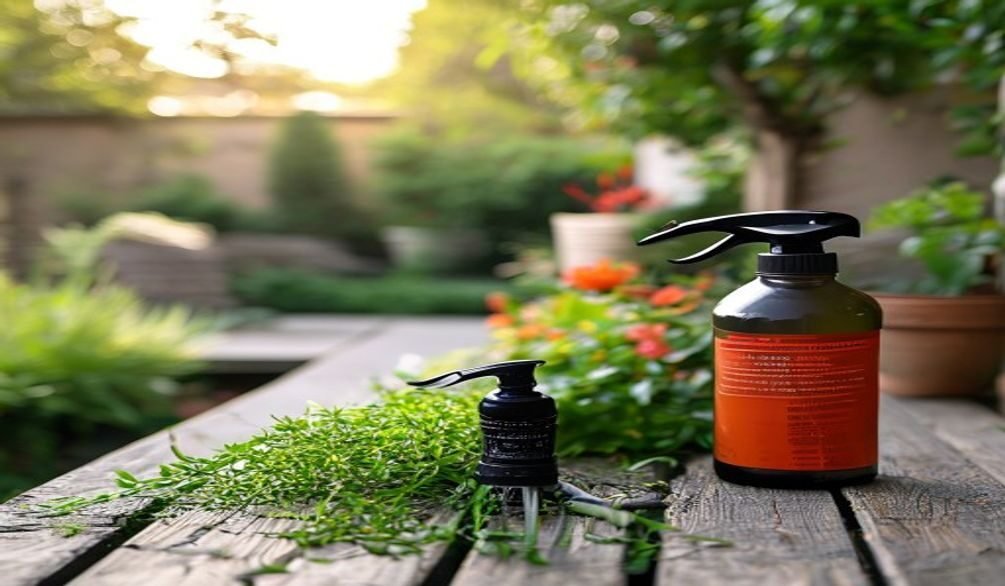
| Pests (Aphids, Mealybugs, Spider Mites) | Neem Oil Spray (e.g., Bonide Neem Oil, We The Wild Plant Care’s Protect Leaf Spray), Insecticidal Soap | Neem oil is a fantastic organic option, readily available at Indian nurseries or online on Ugaoo. Apply every 7-10 days until pests are gone. |
| Fungal Diseases (Powdery Mildew, Rust, Leaf Spot) | Copper Fungicide (e.g., Bonide Copper Fungicide), Daconil Fungicide | These products can be effective against a range of fungal issues. Bonide Copper Fungicide and Daconil are recommended for common fungal diseases as of July 2025. |
| Nutrient Deficiencies | Balanced Liquid Fertilizer (NPK 20-20-20), Organic Compost/Manure | For quick fixes, a liquid fertilizer provides immediate nutrients. For long-term health, incorporating organic compost into the soil is best. |
| Poor Soil Drainage/Compaction | Perlite, Vermiculite, Coco-peat | Mix these into your potting soil to improve aeration and drainage. Remember to wash local loose coco-peat well to remove salt residue. |
| Root Rot | Hydrogen Peroxide (3%), Fresh Potting Mix | Hydrogen peroxide can oxygenate roots and kill anaerobic bacteria. Repotting with a fresh, well-draining mix is crucial. |
For weeding, tools like Fiskars’ UpRoot Weed and Root Remover or Hound Dog’s Weed Hound are excellent for removing weeds from a standing position, which really saves your back. And don’t forget the basics – good quality potting mix and clean gardening tools are often your first line of defence.
How can you prevent plant problems?
Preventing plant problems is far easier than trying to find **fast fixes for sick plants** after they’ve already declined, focusing on consistent, appropriate care and a healthy environment. Monty Don, a well-known gardener, offers a reassuring perspective: “Gardening is easy. Stick it in the ground the right way up and most plants will grow perfectly well.” This highlights that basic care goes a long way.
The best offense is a good defense, right? This holds true for your plants too. By establishing a routine and understanding your plants’ individual needs, you can drastically reduce the chances of them getting sick. In my own balcony garden, I’ve found that paying attention to small details during the pre-monsoon heat makes a huge difference in how my plants fare through the rest of the year.
Here are key preventive measures:
- Choose the Right Plant for the Right Place: Terri Guillemets wisely pointed out, “Not only is your garden different from mine… but the place by your front door is different from the place by your back door.” Research your plant’s light, temperature, and humidity needs before buying. A succulent won’t thrive in a shady, humid spot, and a tropical plant will suffer in direct, harsh Indian summer sun.
- Proper Watering Practices: Learn to feel the soil. Water deeply when the top inch or two is dry, and ensure good drainage. Avoid overhead watering, which can encourage fungal diseases. Aqua Cones can be attached to disposable soda bottles to create an irrigation system for potted plants, delivering water directly to the roots.
- Good Air Circulation: Ensure your plants aren’t too crowded. Good airflow helps prevent fungal issues, especially in humid climates like Mumbai.
- Regular Inspection: Make it a habit to check your plants daily for any early signs of pests or diseases. Catching problems early makes them much easier to treat. Look under leaves and along stems.
- Quarantine New Plants: Always keep new plants separate from your existing collection for a week or two. This prevents any hidden pests or diseases from spreading.
- Maintain Soil Health: Use a high-quality, well-draining potting mix. Replenish nutrients with organic compost or a balanced fertilizer regularly. For tips on boosting growth, check out our guide on terrace garden fertilizer hacks.
- Cleanliness: Remove fallen leaves, spent flowers, and any debris from around your plants. This reduces hiding spots for pests and prevents disease spread.
- Sterilize Tools: Always clean your pruning shears and other tools, especially after working on a sick plant, to prevent cross-contamination.
Frequently asked questions
How do you revive a dying plant quickly?
You can revive a dying plant quickly by first assessing its watering needs, adjusting light exposure, checking for pests, and pruning any dead foliage. Approximately 80% of growers faced insect challenges in a 2026 survey, making pest checks crucial. Addressing these core issues promptly provides immediate relief and helps the plant recover.
What are the signs of an unhealthy plant?
Signs of an unhealthy plant include yellowing or browning leaves, wilting, stunted growth, unusual spots, or visible pests. The plant disease diagnostics market is projected to reach $0.82 billion in 2026, indicating the prevalence of such issues. Early detection of these symptoms allows for timely intervention, improving the chances of recovery.
How do you save an overwatered plant?
To save an overwatered plant, immediately stop watering, improve drainage, and, if severe, remove it from its pot to trim any rotten roots. Root rot is a common issue, especially in humid conditions like India’s monsoon months. Repotting into fresh, well-draining soil and adjusting your watering schedule are critical for its survival.
What does an underwatered plant look like?
An underwatered plant typically appears droopy with dry, crispy leaves that may turn yellow or brown, and its soil will be noticeably dry and shrunken. Plants often recover quickly once thoroughly rehydrated, which is why proper watering is essential. Consistent moisture checks prevent this common problem.
Can i save a plant with root rot?
Yes, you can often save a plant with root rot by carefully removing it from its pot, rinsing off old soil, and pruning away all diseased, mushy roots. Crop diseases reduced corn yields by 6.0% in the United States in 2024, showing the impact of root issues. Repotting into a clean pot with fresh, well-draining soil and delaying the next watering are vital steps for recovery.