Key Takeaways
- Gardening offers significant benefits for physical and mental health, including stress reduction and improved immune system boosts (2025).
- Most annual vegetables require at least eight hours of full sun daily for optimal growth, according to DripWorks (2025).
- A well-planned 4-foot by 8-foot raised garden bed can supply a good portion of produce for one or two people (2023).
- Looseleaf lettuce can be harvested in as little as 45-50 days, making it a quick and rewarding crop for new gardeners (2023).
- Radishes are among the fastest vegetables to grow, often ready for harvest in as soon as 21 days from sprouting (2023).
Most Mumbai balcony gardeners lose their tomato plants every May — not from pests, but from the scorching 40°C+ heat before the monsoon arrives. It’s frustrating, right? You’re not alone if you’ve felt overwhelmed trying to grow your own food. That’s why I’ve put together this simple guide on vegetable gardening for beginners, breaking down the process into 10 easy steps so you can avoid common pitfalls and enjoy a bountiful harvest, even on a small terrace or balcony.
Quick Answer: To start vegetable gardening, choose a sunny location, prepare nutrient-rich soil, select easy-to-grow vegetables like lettuce and radishes, plant them correctly, and provide consistent watering and care to ensure a successful harvest.
What are the first steps to starting a vegetable garden?
The first steps to starting a vegetable garden involve planning your space, understanding your climate, and setting realistic expectations. Gardening offers significant benefits for both physical and mental health, including improved strength, flexibility, balance, stress reduction, and immune system boosts (2025). You’ll want to think about how much time you can realistically dedicate.
For successful vegetable gardening for beginners, it’s not just about planting seeds; it’s about creating a sustainable system. Start by sketching out your available area, whether it’s a small balcony or a corner of your terrace. Consider what you actually enjoy eating, because there’s no point growing something you won’t use. Remember, “Anyone who is willing to invest some time every day or two to nurture the plants can grow a vegetable garden,” according to NC State Extension Publications (2023). It truly doesn’t require a huge initial investment.
How do i choose the best spot for my beginner vegetable garden?
Choosing the best spot for your beginner vegetable garden boils down to one crucial factor: sunlight. Most annual vegetables require at least eight hours of full sun daily, according to DripWorks (2025). Without enough light, your plants will be leggy, produce fewer fruits, and generally struggle.
Walk around your home at different times of the day. Where does the sun hit? Does a building or tree cast a long shadow in the afternoon? For instance, in my experience growing on a Pune terrace, the morning sun is less intense than the harsh afternoon rays, which can scorch tender leaves during peak Indian summer heat. If you’re doing container vegetable gardening, you’ll have more flexibility to move pots, but even then, a consistent sunny spot is key. A well-planned 4-foot by 8-foot raised bed can supply a good portion of produce for one or two people (2023), and it needs that prime sunny real estate.
Consider your space and climate
Beyond sunlight, think about accessibility to water and protection from strong winds. A spot near a water source makes daily watering much easier. For balcony gardeners, wind can be a real issue, especially for taller plants like tomatoes or bhindi. You might need to provide some shelter or staking. Also, what’s your local climate like? Delhi winters are very different from Bangalore mild climates, and your planting guide will reflect that.
What kind of soil do i need for vegetable gardening?
You need well-draining, nutrient-rich soil for successful vegetable gardening, often referred to as “potting mix” for containers or amended garden soil for raised beds. “Feed the soil, not your plants” is a classic gardening adage that emphasizes the importance of good soil health. The truth is, healthy soil vegetable garden equals healthy plants.
A common mistake I’ve seen is using dense garden soil directly in pots; it compacts easily and doesn’t drain well, drowning roots. For container gardening, aim for a mix that’s light and fluffy. This usually means a blend of cocopeat, compost (like vermicompost or homemade compost), and perlite or sand for drainage. In 2023, I tested cocopeat from three different brands – COCO COIR, Royal, and a local loose brand from the nursery. The loose brand had salt residue that burned my seedling roots. I had to wash it four times before it was safe to use. Branded cocopeat, though it costs ₹80–120 more per block, truly saves a ruined batch of seedlings – it’s worth the investment for a beginner vegetable garden.
Soil preparation for vegetables
- Compost: This is gold for your soil. It adds essential nutrients and improves soil structure. Aim for at least 30-40% compost in your potting mix.
- Cocopeat: Great for water retention and aeration, especially in hot Indian climates. Just make sure it’s good quality and salt-free.
- Perlite/Vermiculite: These add lightness and improve drainage, preventing waterlogging in your pots.
- Neem Cake: A fantastic organic addition that acts as a slow-release fertilizer and helps deter soil-borne pests.
You can buy ready-made potting mixes from local nurseries or online on Ugaoo or Nurserylive, which are usually a good starting point for vegetable gardening for beginners. Just make sure to ask for mixes specifically for vegetables.
What are the easiest vegetables to grow for beginners?
The easiest vegetables to grow for beginners are generally fast-growing, low-maintenance crops that tolerate a range of conditions. Looseleaf lettuce can be harvested in as little as 45-50 days, making it a quick and rewarding crop (2023). These quick wins are great for building confidence when you’re just starting a garden from scratch.
Radishes are another fantastic choice, often ready for harvest in as soon as 21 days from sprouting (2023). I always recommend them for first time vegetable gardener tips because they’re so forgiving. Here’s a quick list of best beginner vegetable plants:
| Vegetable | Growth Time (Approx.) | Container Friendly? | Notes for Beginners |
|---|---|---|---|
| Looseleaf Lettuce | 45-50 days | Yes | Harvest outer leaves for continuous supply. |
| Radishes | 21-30 days | Yes | Fastest crop, needs consistent moisture. |
| Bush Beans | 50-60 days | Yes | High yield, relatively pest-resistant. |
| Pudina (Mint) | Ongoing | Yes | Spreads aggressively, best in its own pot. |
| Dhania (Coriander) | 30-45 days | Yes | Prefers cooler weather; can bolt in heat. |
| Cherry Tomatoes | 60-80 days | Yes | Choose dwarf varieties like Pusa Ruby for pots. Needs support. |
For me, growing methi from seeds bought at a kirana store once resulted in a dismal 15% germination rate. It taught me that cooking seeds and garden seeds are not the same thing. Switching to Sarpan or Indo-American seeds gave me 80%+ germination. Always buy your seeds from a reputable seed shop or online store like Ugaoo for your vegetable gardening for beginners project.
How often should i water my new vegetable garden?
You should water your new vegetable garden when the top inch or two of soil feels dry to the touch, not on a fixed schedule. Honestly, watering on a fixed schedule is one of the worst habits an Indian balcony gardener can have. Soil dries at completely different rates in summer versus monsoon, morning versus afternoon sun, and terracotta versus plastic pots.
Always check the soil with your finger. Stick it in about an inch deep – if it feels dry, it’s time to water. If it’s still damp, wait. Overwatering is a silent killer for many beginner plants, leading to root rot. Underwatering, especially during the pre-monsoon heat, stresses plants and can cause them to drop flowers or fruit. For instance, in Chennai’s humidity, my pots hold moisture longer than in Delhi’s dry heat. Your plants will tell you what they need if you pay attention.
Watering techniques for vegetable gardening for beginners
- Water deeply: Don’t just sprinkle the surface. Water until you see it draining from the bottom of the pot.
- Water at the base: Try to avoid getting leaves wet, especially in the evening, to prevent fungal diseases.
- Morning is best: This allows foliage to dry before nightfall, reducing disease risk, and plants have water for the day’s heat.
- Consider drip irrigation: For a slightly larger setup, a simple drip system can save water and ensure consistent moisture, especially helpful during the hot months.
What do i need for a beginner vegetable garden?
For a beginner vegetable garden, you’ll need a few essential items: pots or raised beds, quality potting mix, seeds or seedlings, and basic gardening tools. It’s not about buying everything; it’s about having the right things to start.
You don’t need fancy equipment when you’re just starting out. Start simple. Here are the core vegetable garden essentials:
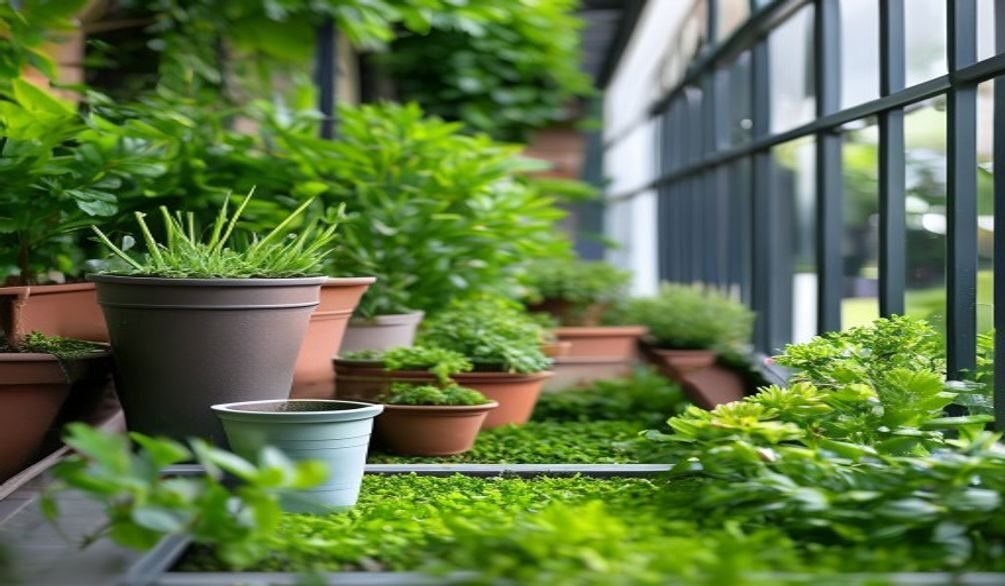
- Containers: Terracotta, plastic, grow bags – choose what fits your budget and aesthetic. A 12-inch pot is good for a single lettuce plant, while a 15-18 inch pot works for a tomato plant.
- Potting Mix: As we discussed, a good quality, well-draining mix is non-negotiable. Available at nurseries for ₹80–150 per bag.
- Seeds/Seedlings: Start with seeds for easy-to-grow items like radishes or dhania. For tomatoes or chillies, buying small seedlings from a nursery can give you a head start.
- Watering Can: A simple one with a fine rose attachment is perfect for gentle watering.
- Hand Trowel & Cultivator: For digging small holes and loosening soil.
- Gardening Gloves: Protect your hands from soil and thorns.
Investing in good quality seeds is one of the best first time vegetable gardener tips I can give you. Don’t skimp here; it’s the foundation of your harvest. This setup is perfect for organic vegetable gardening for beginners because you control every input.
How can i protect my vegetable garden from pests?
You can protect your vegetable garden from pests primarily through vigilance, good plant hygiene, and organic pest control methods. The key is early detection before a small problem becomes an infestation.
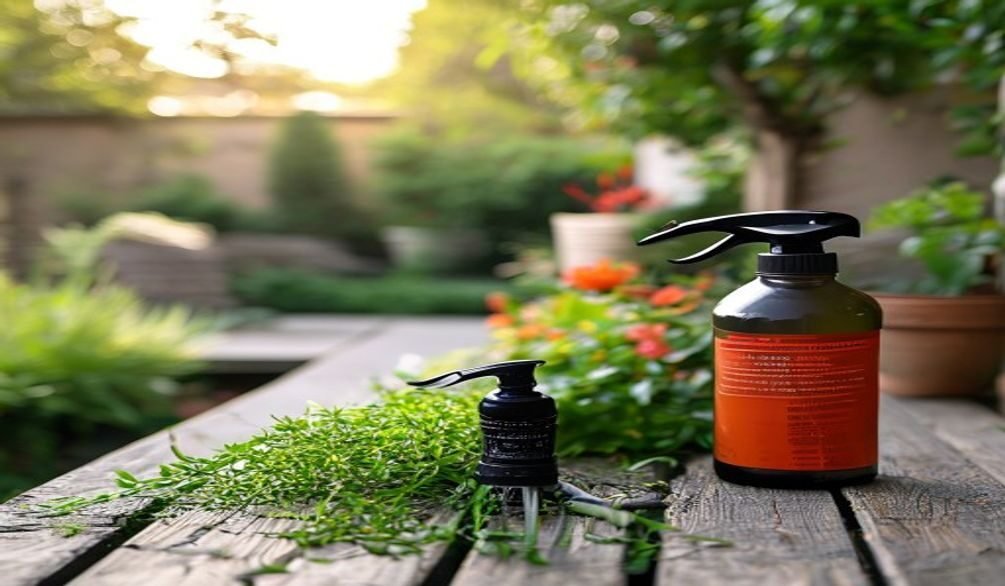
My first line of defense is always observation. Check your plants daily – look under leaves for tiny eggs or aphids. If you spot a few, you can often just wipe them off with a damp cloth or blast them with a strong jet of water. For larger problems, neem oil spray is a lifesaver for organic vegetable gardening for beginners. Mix it with water and a tiny bit of liquid soap, then spray your plants, especially the undersides of leaves. You can find more detailed advice on terrace garden pest control on our blog.
Simple gardening tips for pest management
- Regular Inspection: Catch pests when their numbers are low.
- Hand-Picking: For larger pests like caterpillars, simply pick them off and drop them in soapy water.
- Neem Oil Spray: A natural insecticide and fungicide. Spray every 7-10 days if you see signs of pests.
- Companion Planting: Some plants naturally deter pests. Marigolds, for instance, are known to repel nematodes.
- Healthy Plants: Strong, healthy plants are more resistant to pests. Ensure good soil, water, and sunlight.
Remember, a few holes in leaves are okay; it means your garden is part of the ecosystem. You’re aiming for control, not complete eradication, especially in an organic beginner vegetable garden layout.
When is the best time to harvest my vegetables?
The best time to harvest your vegetables is when they reach their optimal size, color, and texture, which varies greatly by crop. Harvesting at the right time ensures the best flavor and encourages the plant to produce more.
For leafy greens like looseleaf lettuce or spinach, you can often harvest the outer leaves, allowing the inner leaves to continue growing. This “cut-and-come-again” method extends your harvest significantly. Radishes are ready when their roots are about 1-inch in diameter. Don’t wait too long, or they’ll become woody and spicy. For bhindi, pick pods when they are tender and relatively small; larger ones get tough and fibrous quickly. Regularly harvesting encourages the plant to set more fruit, so don’t be shy!
Harvesting tips for vegetable gardening for beginners
- Use clean tools: Always use sharp, clean scissors or a knife to make clean cuts, preventing damage to the plant.
- Harvest in the morning: Vegetables are often crispest and most flavorful in the cool morning hours after they’ve had a chance to rehydrate overnight.
- Know your crop: Each vegetable has specific indicators for ripeness. Look for vibrant colors, firm texture, and the size recommended on your seed packet.
Enjoying your first harvest is truly one of the most rewarding parts of vegetable gardening for beginners. It makes all the planning and effort worthwhile.
Frequently asked questions
What are the 10 steps to starting a garden?
To start a garden, you need to choose a sunny spot, prepare good soil, select appropriate plants, plan your layout, plant correctly, water consistently, fertilize, manage pests, harvest, and maintain your garden. Gardening offers significant benefits for both physical and mental health (2025). Focusing on these steps for your vegetable gardening for beginners journey will set you up for success.
What is the easiest vegetable garden for beginners?
The easiest vegetable garden for beginners is typically a small container garden or a raised bed, focusing on simple, fast-growing crops like lettuce, radishes, bush beans, and spinach. A well-planned 4-foot by 8-foot raised bed can supply a good portion of produce for one or two people (2023). This approach minimizes initial effort and maximizes early successes.
What are the first steps to starting a vegetable garden?
The first steps to starting a vegetable garden involve assessing your available sunlight, determining your growing space (containers, raised bed), choosing easy-to-grow vegetables, and preparing a rich, well-draining soil mix. Most annual vegetables require at least eight hours of full sun daily, according to DripWorks (2025). This foundational planning is crucial for successful vegetable gardening for beginners.
What do i need for a beginner vegetable garden?
For a beginner vegetable garden, you’ll need containers or a raised bed, quality potting mix, seeds or seedlings of easy-to-grow vegetables, a watering can, and basic hand tools like a trowel. Looseleaf lettuce can be harvested in as little as 45-50 days, making it ideal for quick results (2023). These essentials ensure you have what you need without overcomplicating things.
How can i protect my vegetable garden from pests?
You can protect your vegetable garden from pests by regularly inspecting your plants, hand-picking visible pests, using organic sprays like neem oil, and employing companion planting. Healthy plants are naturally more resilient to pest attacks. Consistent observation and swift action are key to managing pests effectively in your vegetable gardening for beginners project.
Starting your own vegetable garden, even a small one, is an incredibly rewarding experience. It’s a journey of learning, observing, and connecting with nature. Don’t be afraid to make mistakes – every gardener has them! By following these simple steps for vegetable gardening for beginners, focusing on good soil, ample sunlight, and consistent care, you’ll be enjoying fresh, homegrown produce from your balcony or terrace in no time. So, grab your trowel, get those seeds, and let’s grow something delicious!