Key Takeaways
- The global hydroponics market is projected to reach USD 16.45 billion by 2034, registering a CAGR of 12.1% from 2026, according to Straits Research (2023).
- Greenhouse hydroponics contributed 68.3% of global sales in 2025, as reported by IMARC Group (2023).
- Hydroponic spinach can go from seed to harvest in about 47 days, requiring a pH between 6.0 and 7.5, according to Demeter Guides (2020).
- Regular pH and EC monitoring is crucial, with brands like Hanna Instruments and Bluelab offering accurate meters.
- Food-grade hydrogen peroxide or vinegar are effective for cleaning hydroponic reservoirs and preventing algae.
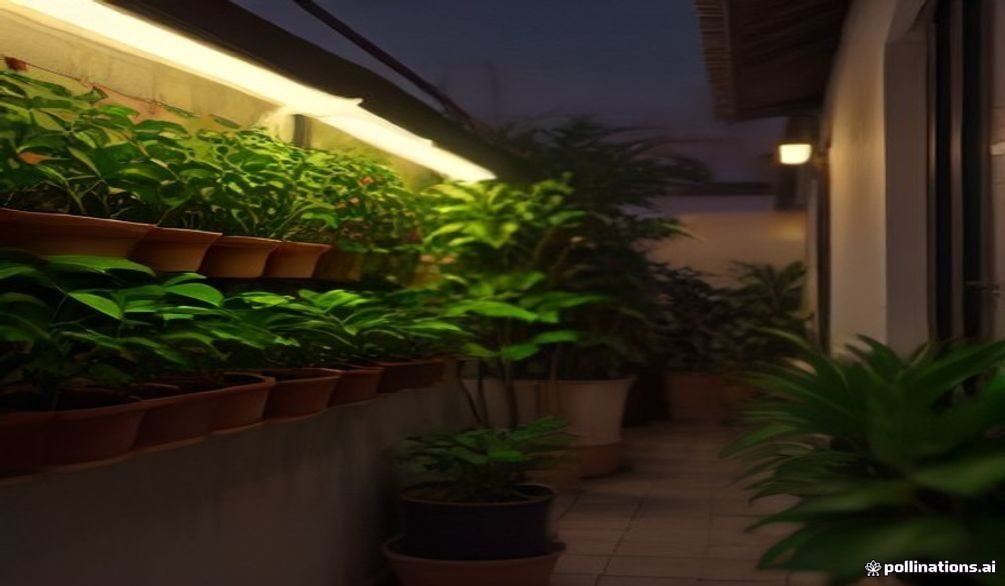
Most Mumbai balcony gardeners know the struggle: you start a new batch of pudina or lal mirch seedlings, expecting a bounty, only to see growth slow down or leaves yellowing unexpectedly. Often, it’s not a pest, but a hidden issue in your system, which is why understanding crucial **hydroponics maintenance steps** is key to success. This guide will walk you through seven simple yet essential steps to keep your hydroponic garden thriving and ensure its longevity.
Quick Answer: Hydroponics maintenance involves regularly checking pH and EC levels, cleaning the reservoir and components, changing nutrient solutions, inspecting equipment, and monitoring plant health to ensure system longevity and optimal growth.
What is hydroponics maintenance and why is it important?
Hydroponics maintenance is the routine care and upkeep of your soil-less growing system, ensuring all components function correctly and your plants receive optimal conditions. Neglecting these **hydroponics maintenance steps** can lead to significant issues, as 72% of container plants fail due to poor drainage or nutrient imbalances, according to Penn State Extension (2023). Think of it like taking care of your car; regular oil changes and check-ups prevent major breakdowns.
Without proper maintenance, you’ll face problems like nutrient deficiencies, root rot, and pest infestations. I’ve seen my share of slow-growing dhania and wilted lettuce when growers skip these basics. A clean system means healthy roots, and healthy roots mean robust plants and better harvests. It’s a simple equation, really.
How often should you maintain your hydroponic system?
The frequency of your hydroponic system maintenance depends on several factors, including the system type, plant size, and environmental conditions. Generally, you should perform daily checks, weekly solution changes, and thorough cleanings every few weeks. For instance, a small Kratky system growing a single lettuce might need less frequent attention than a large DWC setup with several bhindi plants.
Here’s a general guideline for how often you should tackle your **hydroponics maintenance steps**:
* **Daily:** Check water levels, pH, and visually inspect plants for any signs of stress or pests.
* **Weekly:** Adjust or change your nutrient solution entirely. This is crucial for consistent plant health.
* **Bi-weekly/Monthly:** Perform a thorough cleaning of the reservoir, pumps, and tubing. This keeps algae and bacterial growth at bay.
* **Between Cycles:** A complete system flush and sterilization are essential before starting new plants.
How do you keep a hydroponic system clean?
Keeping a hydroponic system clean involves regularly removing algae, mineral buildup, and plant debris to prevent blockages and maintain water quality. From my experience, a clean hydroponic system makes a huge difference; I’ve seen plants thrive when everything flows smoothly, and I’ve also seen slow growth and yellowing leaves when pipes get clogged or algae starts to take over. You want to avoid that gunky film on your roots.
Here are the key **hydroponics maintenance steps** for cleanliness:
1.
Step 1: check ph and ec levels regularly
Monitoring pH and EC (Electrical Conductivity) levels daily or every other day is non-negotiable for successful hydroponics. Plants can only absorb nutrients effectively within specific pH ranges, and EC tells you the nutrient concentration in your solution. A pH level between 6.0 and 7.5 is necessary for spinach, according to Demeter Guides (2020), and this range is generally good for most vegetables.
You’ll need reliable tools for this. Brands like Hanna Instruments and Bluelab are widely recognized for their accurate pH and EC meters. Don’t cheap out here; a faulty meter is worse than no meter at all.
2.
Step 2: clean reservoir and components
Cleaning your reservoir and other components regularly prevents the buildup of algae, bacteria, and mineral deposits that can harm your plants. I usually aim for a full reservoir clean every 2-3 weeks, especially during the pre-monsoon heat in Delhi when algae can explode.
* **Drain the old solution:** Make sure to dispose of it responsibly.
* **Scrub the reservoir:** Use a brush to remove any visible slime or algae.
* **Use a cleaning solution:** A diluted solution of food-grade hydrogen peroxide (3%) or white vinegar works wonders. Let it sit for a bit, then scrub and rinse thoroughly with clean water.
* **Clean tubing and emitters:** Disassemble if possible and use pipe cleaners or a small brush to clear blockages.
3.
Step 3: change nutrient solution
Changing your nutrient solution entirely every 7-10 days is vital because plants deplete specific nutrients, and the pH can drift over time. You might have heard that topping off your reservoir with fresh water and nutrients is enough — but in practice, this can lead to an accumulation of unused nutrient salts and an imbalance of elements, which doesn’t always work as effectively as a full change.
A complete solution change ensures your plants get a fresh, balanced meal every time. I’ve noticed that plants like cherry tomatoes (like the Pusa Ruby variety) show significant growth spurts after a fresh nutrient change.
4.
Step 4: inspect pumps and air stones
Your pump and air stone are the heart and lungs of many hydroponic systems, so inspecting them regularly is crucial for efficient operation. These components circulate nutrient solution and provide essential oxygenation to the roots.
Check the pump’s intake screen for debris and clean it if necessary. For air stones, look for reduced bubbling, which indicates clogging. A simple soak in a mild acid solution (like vinegar) followed by a good rinse can often clear them up.
5.
Step 5: monitor plant health daily
Daily monitoring of your plants allows for early detection of issues, preventing minor problems from becoming major crises. You’re looking for any changes in leaf color, wilting, stunted growth, or unusual spots.
* **Check leaves:** Look for yellowing (often nutrient deficiency), browning (nutrient burn or root issues), or spots (pests/disease).
* **Inspect roots:** Healthy roots are usually white or off-white. Brown, slimy roots indicate root rot, a common problem if oxygen levels are low or temperatures are too high.
* **Observe growth:** Is the plant growing at a consistent rate? Stunted growth is a red flag.
6.
Step 6: prevent algae and pests
Preventing algae and pests is an ongoing battle in hydroponics, but proactive **hydroponics maintenance steps** can significantly reduce your workload. Algae competes with your plants for nutrients and can clog your system.
* **Light exclusion:** Keep all light out of your reservoir and nutrient solution. Opaque containers are your best friend.
* **Good airflow:** Proper air circulation helps deter fungal issues and some pests.
* **Regular cleaning:** As mentioned, a clean system is less hospitable to pests and algae.
* **Beneficial insects:** For pests, consider introducing beneficial insects like ladybugs if you have a larger setup.
7.
Step 7: replenish water levels
Replenishing water levels daily or as needed is important to compensate for evaporation and plant uptake, maintaining consistent nutrient concentration. When water evaporates, it leaves behind concentrated nutrients, which can lead to nutrient burn. Just top up with plain, pH-balanced water, not nutrient solution, unless it’s a small top-off before a full change.
How often should i change water in hydroponics?
You should change the water, or more accurately, the entire nutrient solution, in your hydroponic system every 7 to 10 days to ensure optimal plant health and nutrient availability. This regular cycle prevents nutrient imbalances and the buildup of harmful pathogens. For small systems, like a single basil plant in a Kratky jar, you might stretch it a bit, but for active systems with pumps, weekly is best.
According to Demeter Guides, for spinach, if the nutrient solution to plant ratio remains at one plant to one gallon, the water may not need changing for 40 days, but this is a specific method (Kratky) and not typical for all systems (2020). Most active systems, especially those from brands like General Hydroponics or Hydrofarm, benefit from a fresh batch weekly. It’s a small effort that yields big returns in terms of plant vigor.
| Maintenance Task | Frequency | Why It’s Important |
|---|---|---|
| Check pH & EC | Daily | Ensures nutrient availability and prevents lockouts. |
| Top off water | Daily/As needed | Maintains consistent nutrient concentration. |
| Change nutrient solution | Every 7-10 days | Replenishes depleted nutrients and prevents buildup. |
| Clean reservoir | Every 2-3 weeks | Prevents algae, bacteria, and mineral accumulation. |
| Inspect equipment | Weekly/Bi-weekly | Ensures pumps, air stones, and tubing function correctly. |
Checking ph and ec levels: a critical step in hydroponic maintenance
Checking pH and EC levels is a critical step in hydroponic maintenance because these two parameters directly control how well your plants absorb nutrients. pH dictates the availability of different elements, while EC measures the total concentration of dissolved salts (your nutrients) in the water. I always tell my students that this is where most beginners struggle, and it’s often the root cause of yellowing leaves or stunted growth.
Imagine trying to eat a perfect meal, but your mouth is too acidic or too alkaline to taste anything. That’s what happens to plants if the pH is off. For instance, my neighbor grew tomatoes in a black plastic pot on her Mumbai terrace and got nothing two summers in a row. She switched to a terracotta pot with the same soil mix and got her first harvest in 8 weeks. Black plastic heats up to 55°C in direct sun — it cooks the roots silently, affecting nutrient uptake even if the pH was ‘right’ in the reservoir. So, temperature also plays a role, but pH and EC are direct indicators of your nutrient solution’s health. You’ll want to use precise meters from brands like Bluelab or Hanna Instruments for consistent readings.
Inspecting and maintaining hydroponic equipment
Inspecting and maintaining hydroponic equipment regularly ensures all system components are functioning optimally, preventing costly breakdowns and promoting consistent plant growth. Your system is only as strong as its weakest link, right? Pumps, air stones, tubing, and grow lights all need attention.
Here’s what I look for during my equipment checks:
* **Pumps:** Check for strange noises, reduced flow, or blockages in the intake. Clean the impeller if it’s accessible.
* **Air Stones/Air Pumps:** Ensure consistent bubbling. If the air stone is clogged, clean it or replace it. Air pumps should run quietly and efficiently.
* **Tubing and Fittings:** Look for leaks, kinks, or mineral buildup inside the tubes. A small brush can help clear buildup.
* **Grow Lights:** Wipe down reflectors and check for any flickering bulbs. LED grow lights are great for energy efficiency and year-round cultivation, but even they need occasional cleaning.
* **Timers:** Make sure your timers are set correctly for your light cycles and pump schedules. A missed cycle can stress plants quickly.
Monitoring plant health for early detection
Monitoring plant health daily is your first line of defense against problems, allowing you to catch issues like nutrient deficiencies, pests, or diseases before they become severe. It’s like a daily check-up for your green babies. You want to spot the subtle changes, not wait until the plant is clearly struggling.
Look for these signs:
* **Leaf Color:** Is it uniform green, or are there yellow spots (chlorosis), purple hues (phosphorus deficiency), or brown edges (nutrient burn)?
* **Growth Rate:** Are plants growing as expected? Stunted growth is a clear indicator something is wrong.
* **Wilting:** This could be a sign of root issues, underwatering (in DWC, means low water levels), or even excessive heat.
* **Pests:** Inspect the undersides of leaves, stems, and around the roots for tiny insects or webbing. Catching aphids or spider mites early is crucial for saving your crop.
* **Root Health:** If possible, occasionally check the roots. They should be white and firm, not brown and slimy.
Troubleshooting common hydroponics maintenance issues
Troubleshooting common hydroponics maintenance issues involves identifying the symptoms your plants are showing and systematically checking your system’s parameters to find the root cause. Many problems stem from neglected **hydroponics maintenance steps**.
Here are a few common issues and their fixes:
* **Yellowing Leaves:**
* **Cause:** Often nutrient deficiency (nitrogen, iron) or incorrect pH.
* **Fix:** Check pH and EC. Adjust pH to the correct range for your plant. If EC is low, add more nutrients. If the reservoir hasn’t been changed in a while, do a full nutrient solution change.
* **Brown, Slimy Roots:**
* **Cause:** Root rot, usually from lack of oxygen, high water temperature, or bacterial infection.
* **Fix:** Increase aeration (add more air stones, check air pump). Lower water temperature if it’s above 22°C. Clean the system thoroughly with hydrogen peroxide and replace the nutrient solution.
* **Algae Growth in Reservoir:**
* **Cause:** Light exposure to the nutrient solution.
* **Fix:** Cover your reservoir completely to block all light. Clean out existing algae during your next solution change.
Honestly, organic fertilizers are overrated for small container gardens. The soil volume in a 12-inch pot is too small for slow-release nutrients to work the way they do in ground soil. Liquid fertilizers like diluted jeevamrit or seaweed extract work faster and are easier to control in pots. It’s a contrarian view, but in my 10 years of experience with urban Indian gardens, precision liquid feeding trumps slow-release organic granules every time for hydroponics and even small soil pots. I once had a batch of methi seedlings struggling in a small soil pot with granular organic fertilizer – switched to a diluted seaweed extract and they bounced back within days. The delivery speed matters!
Frequently asked questions
How often should you maintain hydroponics?
You should perform daily checks for pH and water levels, weekly nutrient solution changes, and thorough system cleanings every 2-4 weeks. The global hydroponics market is expected to reach USD 35.6 billion by 2034, exhibiting an 8.93% CAGR, according to IMARC Group (2023), indicating widespread adoption requires consistent maintenance. Regular adherence to these **hydroponics maintenance steps** prevents most common problems.
What is the maintenance of hydroponics?
Hydroponics maintenance involves a routine of monitoring pH and EC, cleaning the reservoir and components, changing nutrient solutions, inspecting equipment, and daily plant health checks. This holistic approach ensures the system remains efficient and plants receive consistent care, which is vital for crops like tulsi and bhindi.
How do you keep a hydroponic system clean?
You keep a hydroponic system clean by regularly scrubbing the reservoir, using food-grade hydrogen peroxide or vinegar for sterilization, ensuring light exclusion, and cleaning pumps and tubing. Proactive cleaning prevents algae and bacterial buildup, which can quickly harm your plants, especially in humid climates like Bangalore.
How often should i change water in hydroponics?
You should change the entire nutrient solution in your hydroponic system every 7 to 10 days to replenish depleted nutrients and prevent the accumulation of waste products. This ensures a fresh, balanced nutrient supply, which is particularly important for fast-growing crops like lettuce, according to Demeter Guides (2020). Consistent nutrient solution changes are a core part of effective **hydroponics maintenance steps**.
What are the crucial steps for hydroponic system longevity?
The crucial steps for hydroponic system longevity include consistent pH and EC monitoring, regular reservoir and component cleaning, timely nutrient solution changes, thorough equipment inspections, and daily plant health checks. These combined **hydroponics maintenance steps** ensure your system runs efficiently and your plants thrive for many cycles.
Mastering these **hydroponics maintenance steps** is truly the secret to a thriving and long-lasting hydroponic garden, whether you’re growing pudina on a tiny balcony or a full array of vegetables on your terrace in Pune. It’s not just about adding nutrients; it’s about creating a stable, clean environment where your plants can truly flourish. Consistent effort in these areas will save you headaches, prevent crop failures, and ultimately lead to a more rewarding gardening experience. So, roll up your sleeves and make these maintenance routines a regular part of your gardening journey!