Key Takeaways
- The global vertical garden system market is projected to reach $4.2 billion by 2034, growing at an 11.2% CAGR.
- Asia Pacific accounted for 42.3% of global vertical garden system revenue in 2025, generating approximately $761 million.
- Vertical hydroponic systems like Lettuce Grow’s Farmstand use 95% less water than traditional soil-based methods, according to Lettuce Grow.
- A vertical garden can absorb over 40% more sound than a regular facade, reducing noise levels, according to research.
- Upcycled wooden pallets can be easily transformed into wall gardens, providing an affordable frame for planting herbs and leafy greens.
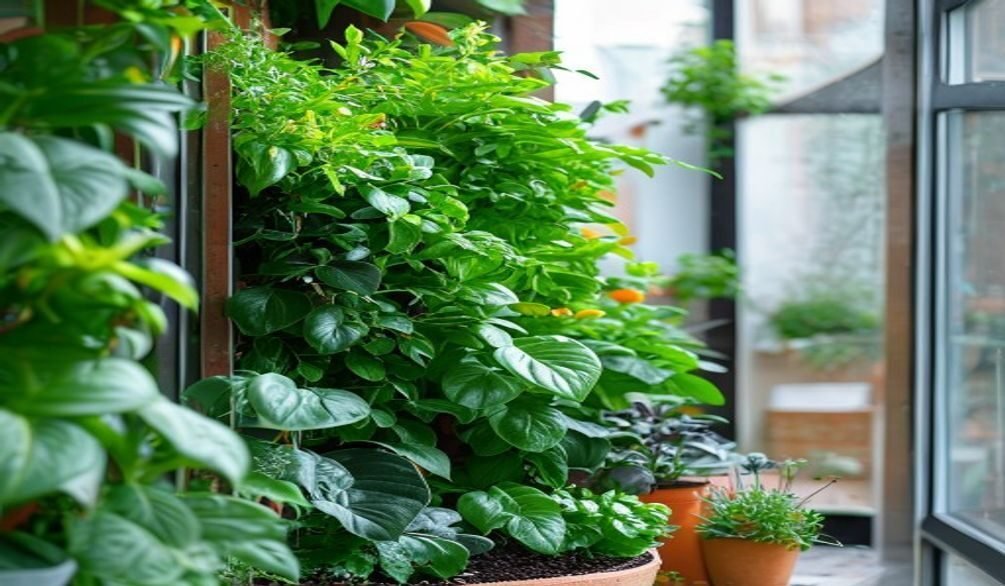
Most Bangalore apartment dwellers know the struggle: you want to grow fresh pudina, dhania, and a few lal mirch plants, but your balcony feels tiny. That’s where vertical gardening space saving comes in, turning those cramped areas into thriving green zones. It’s a game-changer for urban gardeners looking to maximize their harvest without needing a sprawling backyard.
Quick Answer: Vertical gardening saves space by growing plants upward using structures like trellises, wall planters, stackable systems, hanging pockets, and repurposed materials, maximizing yields in compact areas such as balconies, patios, or small yards.
What is vertical gardening and why is it great for small spaces?
Vertical gardening is simply growing plants upwards, utilizing vertical surfaces or structures instead of spreading them horizontally across the ground. This method is incredibly beneficial for small spaces because it allows you to grow significantly more plants in the same footprint; the global vertical garden system market is projected to expand to $4.2 billion by 2034, showing just how popular this approach is becoming globally, according to market research. It’s like adding extra floors to your garden, transforming empty walls or railings into productive growing areas. For anyone with a tiny balcony or a compact terrace garden in Pune, this means more fresh vegetables and herbs, even if you thought you had no room.
Think about it: that blank wall behind your patio or the railing on your balcony is just wasted potential, right? Vertical gardening transforms these into vibrant, living ecosystems. It’s a smart solution for urban dwellers, allowing you to cultivate a diverse range of plants from tulsi to cherry tomatoes, all while maximizing every inch. David Hillock, an Oklahoma State University Cooperative Extension consumer horticulturist, notes that “Vertical gardening is a great way to take advantage of empty vertical space such as walls or fences.” And honestly, who doesn’t want more green in their life, especially when space is at a premium?
What are the different types of vertical gardens for saving space?
There’s a fantastic variety of vertical garden systems available, each designed to help with vertical gardening space saving in different ways, so you can pick what works best for your setup. Asia Pacific was the dominant region in the vertical garden system market in 2025, commanding 42.3% of global revenue, which tells you these solutions are widely adopted and effective. From simple DIY projects to advanced hydroponic setups, there’s something for every gardener.
Here are some popular types that truly excel at vertical gardening space saving:
- Trellises and Arbors: These are classic, simple structures that allow vining plants like cucumbers, pole beans, and even some varieties of tomatoes (like Pusa Ruby cherry tomatoes) to climb. They’re excellent for adding height and can double as decorative elements or even provide some much-needed shade during the intense Indian summer heat.
- Wall Gardens (Pallet Gardens): Upcycled wooden pallets are a fantastic, budget-friendly option. You can transform them into vertical planters by attaching fabric pockets or small containers, perfect for growing leafy greens, herbs like pudina and dhania, or even small flowers. I’ve seen some clever setups in Delhi where old pallets were painted vibrant colours, adding both greenery and aesthetic appeal to a small courtyard.
- Hanging Pocket Gardens: These fabric or felt systems are super versatile and affordable. They hang directly on walls or fences, offering multiple pockets for individual plants. They’re ideal for balconies in Mumbai, where humidity is high and you want good air circulation around your plants.
- Gutter Gardens: Got some old PVC gutters lying around? Mount them to a wall or railing, staggering them at different heights, and you’ve got a brilliant cascading garden. They’re great for trailing plants, vining herbs, and greens, creating a lovely visual effect while maximizing your growing area.
- Stackable Planters: Systems like the GreenStalk Vertical Garden Kit are designed with multiple tiers, letting you grow many plants in a very small footprint. Each tier can hold a cubic foot of potting mix, which is impressive for the amount of space it saves. These are a lifesaver for my small terrace garden, allowing me to grow bhindi and brinjal alongside my herbs.
- Hydroponic Vertical Gardens: If you’re looking for efficiency, vertical hydroponic systems are next level. Lettuce Grow’s “The Original Farmstand,” for instance, can grow 18 to 36 plants and uses 95% less water than a soil-based equivalent, according to Lettuce Grow. This is a game-changer for water conservation, especially in regions with water scarcity.
What plants are best suited for vertical gardening space saving?
Choosing the right plants is crucial for successful vertical gardening space saving, as not all plants thrive when grown upwards. Generally, plants that are compact, vining, or have shallow root systems are your best bets. From my 10 years of experience with balcony and terrace gardens across India, I’ve found that some plants just naturally take to vertical life better than others.
Here’s a quick guide to plants that love going vertical:
- Leafy Greens: Lettuce, spinach, kale, and methi are perfect. They don’t need deep roots and can be harvested regularly, making them ideal for pocket planters or gutter gardens.
- Herbs: Pudina, dhania, tulsi, oregano, and thyme thrive in vertical setups. They’re compact, fragrant, and you’ll always have fresh herbs for your cooking.
- Strawberries: Their trailing nature makes them excellent for hanging pockets or stackable systems, providing sweet treats at arm’s reach.
- Cherry Tomatoes: While larger tomatoes can be managed, cherry varieties like Pusa Ruby or Roma are much easier to trellis vertically. They produce abundant small fruits and don’t take up too much lateral space.
- Cucumbers and Bottle Gourds (Lauki): These vining plants absolutely love trellises. Just make sure your support structure is sturdy enough to hold the weight of the developing fruits.
- Beans: Pole beans are fantastic for vertical growth, climbing readily up trellises or strings. They’re productive and add nitrogen to your soil.
- Peas: Similar to beans, peas are great climbers and can be grown vertically on netting or trellises.
A quick tip: when selecting plants, consider their mature size and how much support they’ll need. You don’t want a heavy bhindi plant collapsing your delicate hanging pocket garden!
How to set up your own vertical garden (foolproof ways)?
Setting up your own vertical garden doesn’t have to be complicated or expensive; there are plenty of foolproof ways to achieve effective vertical gardening space saving right at home. You might have heard that organic fertilizers are always best for everything, but honestly, for small container gardens, the soil volume in a 12-inch pot is often too small for slow-release organic nutrients to work the way they do in ground soil. In my experience, liquid fertilizers like diluted jeevamrit or seaweed extract work faster and are much easier to control in pots, giving your plants the quick boost they need.
Here are some simple steps and ideas to get your vertical garden going:
Diy pallet wall garden
This is one of the most popular vertical garden ideas. Find a sturdy wooden pallet (check local markets or construction sites). Clean it thoroughly. Attach landscaping fabric or old sacks to the bottom and sides of the pallet slats to create pockets. Fill these pockets with a good quality potting mix – remember, a mix of cocopeat, compost, and perlite works wonders. I tested cocopeat from three different brands in 2023 – COCO COIR, Royal, and a local loose brand from the nursery. The loose brand had salt residue that burned my seedling roots. I had to wash it 4 times before it was safe to use. Branded cocopeat costs ₹80–120 more per block but saves a ruined batch, trust me. Plant your chosen herbs or greens. Lean it against a sunny wall or secure it with brackets.
Repurposed plastic bottle or gutter system
Collect plastic bottles, cut them in half lengthwise, and poke drainage holes. String them together horizontally with wire or rope, then hang them from a frame or railing. Similarly, old PVC gutters can be mounted to a wall. This is a brilliant way to recycle and create a functional vertical garden. It’s especially good for small space gardening and growing leafy greens.
Stackable container gardens
Invest in stackable planters like those from GreenStalk or similar local brands available on Ugaoo or Nurserylive. These systems are designed to maximize space efficiently. They’re often self-watering to some extent, which is a huge bonus, especially if you’re busy. Just fill each tier with potting mix and plant away.
Trellis for vining vegetables
For vining plants, a simple trellis or netting attached to a wall or fence is all you need. Secure it well. As your plants grow, gently guide their tendrils onto the trellis. This is an easy way to grow cucumbers, gourds, or even passion fruit vertically. My neighbour in Chennai uses a simple bamboo trellis for her bitter gourd, and it produces prolifically.
Remember, good drainage is key for any container garden, vertical or not. Ensure your chosen system has adequate holes to prevent waterlogging, especially during the monsoon season.
What are the benefits of vertical gardening beyond space saving?
Beyond the obvious advantage of vertical gardening space saving, this method offers a surprising array of benefits that make it an attractive choice for any gardener. It’s not just about fitting more plants; it’s about creating a healthier, more beautiful, and often more efficient growing environment.
Here are some of the additional perks you’ll enjoy:
- Enhanced Aesthetics: A living wall or a cascading vertical garden instantly adds beauty and a touch of nature to any urban landscape. It transforms dull walls into vibrant art pieces.
- Improved Air Quality: Plants are natural air purifiers. More plants mean more oxygen and better air quality, especially important in polluted city environments.
- Reduced Pests and Diseases: Growing plants vertically can improve air circulation around them, which helps reduce humidity-related diseases. Plus, it can make it harder for ground-dwelling pests to reach your plants. For tips on managing pests, you might find Plant pests: 7 simple ways to keep them away helpful.
- Ergonomic Gardening: No more bending and kneeling! Vertical gardens bring your plants up to a comfortable working height, making planting, watering, and harvesting much easier, especially for senior citizens, as noted by David Hillock.
- Sound Absorption: A dense vertical garden can act as a natural sound barrier. A vertical garden can absorb upwards of 40% more sound than a regular facade, helping to bring noise levels down, according to research. This is fantastic for noisy street-facing balconies.
- Energy Savings: Living walls can help insulate buildings, keeping interiors cooler in summer and warmer in winter, potentially reducing energy consumption.
- Water Conservation: Many vertical garden systems, especially hydroponic ones, are designed to be water-efficient. The “Original Farmstand” from Lettuce Grow, for example, uses 95% less water than soil-based gardening.
Are there any disadvantages to vertical gardening?
While vertical gardening offers immense benefits, especially for vertical gardening space saving, it’s not without its challenges and potential downsides. It’s important to be aware of these so you can plan effectively and avoid common pitfalls. For instance, I tried growing capsicum from seeds in December in Delhi. Germination was 90% but plants stalled at 4 inches for 6 weeks because soil temperature was too low for root activity. Added a seedling heat mat and they hit 12 inches in the next 3 weeks, showing how sensitive plants can be to specific conditions even in controlled setups.
Here are a few things to consider:
- Increased Watering Frequency: Containers, especially smaller ones in vertical systems, tend to dry out much faster than in-ground beds. This means you’ll likely need to water more frequently, sometimes even daily during the peak Indian summer heat (40°C+).
- Nutrient Depletion: With limited soil volume, nutrients can wash out quickly. You’ll need a consistent feeding schedule with liquid fertilizers to keep your plants healthy. This is where my earlier point about liquid fertilizers being superior to slow-release organic ones for pots really comes into play.
- Initial Setup Cost: While DIY options are cheap, purchasing ready-made vertical garden systems or hydroponic setups can be a significant initial investment. However, the global vertical garden system market’s growth to $1.8 billion in 2025 suggests that many find the long-term benefits outweigh this cost.
- Weight Considerations: A fully saturated vertical garden can be heavy. If you’re installing on a balcony or a wall, ensure the structure can safely support the weight of soil, water, and plants.
- Sunlight Distribution: Plants at the bottom of a vertical system might receive less sunlight than those at the top. You might need to rotate your system or choose shade-tolerant plants for lower tiers.
- Wind Exposure: Elevated plants are more exposed to wind, which can lead to faster drying out and physical damage. Choosing a sheltered spot or providing windbreaks can help.
Understanding these potential issues beforehand helps you mitigate them, ensuring your vertical gardening space saving efforts are successful.
Tips for maximizing yields in your vertical garden
To truly make the most of your vertical gardening space saving efforts, you’ll want to focus on strategies that boost your plant’s productivity and health. It’s not just about having a vertical garden; it’s about having a *bountiful* vertical garden.
Here are my top tips for maximizing yields:
- Choose the Right Plants: As we discussed, opt for compact, vining, or shallow-rooted varieties that are well-suited for vertical growth. Don’t try to grow a full-sized pumpkin on a small hanging pocket system!
- Optimize Sunlight: Most vegetables and herbs need at least 6-8 hours of direct sunlight. Position your vertical garden in the sunniest spot available. If you have limited sun, consider rotating your plants or using supplemental grow lights.
- Consistent Watering: Vertical gardens dry out quickly. Check your plants daily, especially during hot periods. Consider drip irrigation or self-watering systems for efficiency. For instance, in Bangalore’s mild climate, I still water my balcony vertical garden every other day in summer, reducing it to once every five days during the monsoon.
- Regular Feeding: Since nutrients leach out faster, feed your plants with a balanced liquid fertilizer every 1-2 weeks. As I mentioned, diluted jeevamrit or seaweed extract are fantastic, easy-to-control options for pots.
- Pruning and Training: Regularly prune your plants to encourage bushier growth and better air circulation. Train vining plants to climb their support structures, ensuring they don’t sprawl uncontrollably. This is especially important for bhindi and tomatoes.
- Pest Management: Monitor your plants closely for pests. Good air circulation in vertical gardens can help, but common Indian garden pests like aphids or mealybugs can still strike. Early detection and organic pest control methods are key.
- Succession Planting: For leafy greens and herbs, harvest outer leaves regularly and replant new seeds or seedlings every few weeks. This ensures a continuous supply and maximizes the output from your limited space.
By paying attention to these details, you’ll find your vertical gardening space saving efforts pay off with a much more abundant harvest.
Frequently asked questions
What are 5 benefits of vertical gardening?
Five key benefits of vertical gardening include efficient space utilization, enhanced aesthetics, improved air quality, reduced pest issues, and ergonomic gardening. A vertical garden can absorb over 40% more sound than a regular facade, helping to bring noise levels down, according to research. This method helps transform small areas into productive and attractive green spaces.
What are the disadvantages of vertical gardening?
Disadvantages of vertical gardening include increased watering frequency, faster nutrient depletion in limited soil volume, and potentially higher initial setup costs for advanced systems. For example, while DIY pallet gardens are cheap, a Lettuce Grow hydroponic system is a larger investment. However, these can often be mitigated with proper planning and consistent care.
What plants are best for vertical gardens?
Plants best suited for vertical gardens are typically compact, vining, or have shallow root systems, such as leafy greens, herbs like pudina and tulsi, strawberries, and vining vegetables like cherry tomatoes and pole beans. These plants thrive when growing upwards and can be easily managed in various vertical structures.
What are the different types of vertical gardens?
The different types of vertical gardens include trellises, wall gardens (like pallet gardens), hanging pocket gardens, gutter gardens, stackable planter systems, and advanced hydroponic vertical gardens. Asia Pacific was the dominant region in the vertical garden system market in 2025, commanding 42.3% of global revenue, showing the widespread adoption of these diverse types. Each type offers unique advantages for space utilization and aesthetics.
What is the best way to water a vertical garden?
The best way to water a vertical garden is consistently and thoroughly, often more frequently than ground gardens due to faster drying. Drip irrigation systems, self-watering planters, or careful hand-watering with a gentle shower setting are effective methods. Monitoring soil moisture daily, especially during hot Indian summers, is crucial to prevent dehydration.
So there you have it – vertical gardening isn’t just a trend; it’s a practical, impactful way to bring more green into your life, especially if you’re battling limited space. By embracing these foolproof methods for vertical gardening space saving, you can transform even the smallest balcony or patio into a thriving oasis. Why not pick one idea and start your vertical garden journey this weekend? Your fresh produce and happy plants will thank you for it.