Key Takeaways
- A reliable soil mix for balcony herbs includes 40% potting soil, 30% compost, 20% coco coir, and 10% perlite, according to a February report (2026).
- Gardening can reduce the risk of depression by 30%, according to a University of Bristol study (2024).
- Food and yard scraps make up about 30% of waste, highlighting the environmental benefit of composting (August 2019).
- Harit Mantra offers 100% organic vermicompost optimized for drainage and aeration in potting mixtures (November 2025).
- “Healthy soil has an ongoing capacity to function as a vibrant living ecosystem,” states Anne Gibson, The Micro Gardener (2026).
Most Mumbai balcony gardeners often feel frustrated when their prized pudina or dhania plants suddenly wilt in the pre-monsoon heat, despite regular watering – it often comes down to poor balcony garden healthy soil. You’re not alone if you’ve struggled with container plants; creating the right growing medium is key to success, especially in urban environments. This guide will walk you through five simple steps to ensure your balcony garden soil is thriving, helping your plants flourish.
Quick Answer: Achieving healthy balcony garden soil involves using a specialized potting mix that balances drainage, moisture retention, and nutrients, typically composed of potting soil, compost, coco coir/peat moss, and perlite/sand to ensure optimal plant growth.
What is the best soil mix for a balcony garden?
The best soil mix for a balcony garden is a balanced blend that prioritizes drainage, aeration, and nutrient retention, specifically designed for containers. A reliable and beginner-friendly soil mix for balcony herbs includes 40% high-quality potting soil, 30% well-aged organic compost, 20% coco coir or peat moss, and 10% perlite or coarse sand, according to a February report (2026). This combination ensures your plants get the support they need without becoming waterlogged.
Here’s the thing: you can’t just use garden soil from your backyard. That stuff is too heavy and compacts easily in pots, suffocating roots. For a thriving balcony garden healthy soil, you need something lighter and fluffier. Brands like FoxFarm offer excellent pre-mixed options like their Ocean Forest or Happy Frog potting soils, which are known for holding moisture well while staying loose for root growth, as noted in March (2025).
Step 1: choose the right potting mix
Start with a high-quality base potting mix, not garden soil. Look for mixes specifically labeled for containers. You’ll want ingredients like sphagnum peat moss, coco coir, perlite, and vermiculite. These help with aeration and moisture control, which is crucial for potted plants.
How do you improve drainage in balcony pots?
You improve drainage in balcony pots by ensuring your potting mix contains plenty of perlite or coarse sand and that your containers have adequate drainage holes. In high-quality potting mix for balcony and terrace gardens, sand or perlite typically makes up 10-15% of the total volume, according to a November report (2025). This keeps water from sitting around the roots, preventing rot.
One common mistake I’ve seen in Pune terrace gardens is using saucers that hold standing water for too long. While it might seem helpful to catch runoff, it can actually lead to root rot if the pot sits in that water constantly. Always lift your pots slightly or empty the saucers after watering. My own curry leaf plant once suffered from this; I over-watered it for three weeks straight because I was following a fixed schedule instead of checking the soil. By the time the leaves started yellowing, it was already too late – its roots had rotted. Now, I always push my finger 2 inches into the soil before watering anything. That simple check saves a lot of heartache.
Step 2: ensure excellent drainage
Every pot needs drainage holes – it’s non-negotiable. If your pot doesn’t have them, you’ll need to drill some. Beyond that, amend your soil mix with materials like perlite, coarse sand, or even small gravel at the bottom of the pot (though some argue against a “drainage layer,” a little can help in deep pots). This is critical for balcony garden healthy soil, letting excess water escape and preventing soggy conditions.
Do herbs need rich soil in balcony gardens?
Yes, most herbs benefit from moderately rich, well-draining soil in balcony gardens, but “rich” doesn’t mean overly heavy or dense. A good mix for herbs includes about 30% well-aged organic compost, which provides a steady supply of nutrients without overwhelming the plants, according to a February report (2026). Too much richness, especially in terms of moisture retention, can actually be detrimental.
You might have heard that “more compost is always better.” In practice, for Indian container gardening, a 50% compost ratio in containers actually suffocates roots because it holds too much moisture in our humid climate – especially for herbs like pudina and tulsi. From my experience, 20–30% is the sweet spot for most vegetables and herbs, allowing for good nutrient supply without becoming waterlogged. Harit Mantra offers premium vermicompost that’s 100% organic and chemical-free, perfect for adding that balanced richness, as they highlight in November (2025).
Step 3: enrich with organic matter
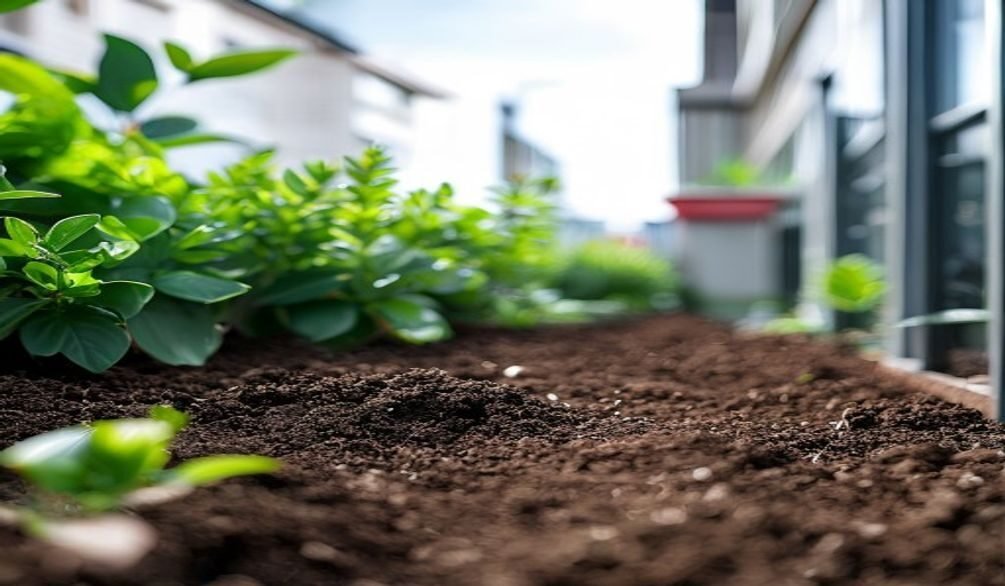
Organic matter, like compost or vermicompost, is the powerhouse of healthy soil. It slowly releases nutrients, improves soil structure, and helps retain moisture without making the soil soggy. Adding a good quality compost is one of the best ways to create balcony garden healthy soil.
Can you use regular potting soil for balcony herbs?
You can use regular potting soil for balcony herbs, but it’s often best to enhance it with additional amendments for optimal growth. While off-the-shelf potting soil is a good start, it often lacks the long-term nutrient density and ideal drainage that herbs prefer, especially in containers. Adding some extra perlite and a good dose of organic compost can make a huge difference.
Think of it this way: regular potting soil is like a basic meal, but adding compost and perlite makes it a gourmet feast for your plants. It’s about providing the best possible environment for your herbs to thrive. This is crucial for maintaining balcony garden healthy soil over time.
What are the benefits of healthy soil for balcony plants?
Healthy soil provides a robust foundation for balcony plants, leading to stronger growth, better disease resistance, and higher yields. “Healthy soil has an ongoing capacity to function as a vibrant living ecosystem that can sustain plants, animals and people,” states Anne Gibson, The Micro Gardener (2026). This vibrant ecosystem supports beneficial microbes and fungi, which in turn help plants absorb nutrients more efficiently.
Honestly, the benefits are huge. Stronger plants mean fewer pest problems, more flowers, and bigger harvests – whether you’re growing lal mirch, bhindi, or even small cherry tomatoes like Pusa Ruby. Plus, tending to your plants and seeing them thrive in healthy soil can significantly reduce stress. Gardening can reduce the risk of developing depression by 30%, according to a study conducted by the University of Bristol (2024). It’s a win-win for both you and your plants.
Step 4: monitor moisture levels
This is where many new gardeners trip up. The trick is to water based on the soil’s needs, not a fixed schedule. Stick your finger about two inches into the soil – if it feels dry, it’s time to water. If it’s still damp, wait. This prevents both overwatering and underwatering, ensuring your balcony garden healthy soil remains balanced.
Step 5: replenish nutrients regularly
Container plants use up nutrients faster than those in the ground. You’ll need to replenish them. Liquid organic fertilizers, compost tea, or slow-release granular fertilizers are great options. Don’t forget that FoxFarm and even Miracle-Gro (though some gardeners have concerns about its long-term use) offer nutrient solutions specifically for potted plants.
How often should you amend balcony garden soil?
You should typically amend balcony garden soil at the start of each new planting season or at least once a year for perennial plants. For annuals, it’s best to refresh the soil entirely or heavily amend it between crops. This ensures the balcony garden healthy soil consistently provides the necessary nutrients and structure for new plants.
When you’re reusing soil from previous seasons, it’s lost a lot of its oomph. I always recommend removing about 25-30% of the old soil and replacing it with fresh compost and a little new potting mix. This revitalizes the medium without needing to buy all-new soil, which can get expensive, especially if you have many pots.
What are common mistakes to avoid with balcony soil?
Common mistakes to avoid with balcony soil include using garden soil instead of potting mix, overwatering due to poor drainage, and neglecting to replenish nutrients. Using heavy garden soil in containers compacts quickly, leading to poor aeration and suffocated roots, a major cause of plant failure in urban gardening.
Another big one is not considering the local climate. Delhi winters, for example, can make soil too cold for root activity, even if the plant itself looks okay. I once tried growing capsicum from seeds in December in Delhi; germination was 90% but plants stalled at 4 inches for 6 weeks because soil temperature was too low for root activity. Added a seedling heat mat and they hit 12 inches in the next 3 weeks. It was a clear sign that even perfect soil mix needs the right temperature. So, always think about your specific conditions. For more tips on maximizing your harvest, you might find our article on balcony garden yield helpful.
| Soil Type | Pros for Balcony Garden | Cons for Balcony Garden |
|---|---|---|
| Garden Soil | Cheap, readily available if you have a yard. | Too heavy, compacts easily, poor drainage, introduces pests/diseases. |
| Standard Potting Mix | Lightweight, good initial drainage, usually sterile. | Nutrients deplete quickly, can dry out fast, often needs amendments. |
| DIY Balcony Mix | Customizable, optimal drainage/aeration/nutrients, cost-effective long-term. | Requires sourcing multiple ingredients, initial effort to mix. |
Frequently asked questions
What is the best soil mix for balcony herb gardens?
The best soil mix for balcony herb gardens is a blend of 40% high-quality potting soil, 30% well-aged organic compost, 20% coco coir, and 10% perlite or coarse sand. This combination ensures excellent drainage and aeration while providing essential nutrients, according to a February (2026) report. It’s a robust mix that supports strong root development and healthy foliage for herbs like dhania and pudina.
What soil to use for a balcony garden?
For a balcony garden, always use a specialized potting mix designed for containers, not garden soil. This mix typically includes components like coco peat, compost, and perlite, with garden soil making up only 30-40% of the total in high-quality blends, according to a November (2025) report. It’s crucial for providing the necessary aeration and drainage that ground soil lacks in a pot.
How do i improve drainage in balcony pots?
You can improve drainage in balcony pots by ensuring adequate drainage holes in your containers and incorporating materials like perlite or coarse sand into your potting mix. Adding 10-15% perlite or sand directly to your soil mix significantly enhances water flow, as recommended in November (2025). This prevents waterlogging, which is a common killer of container plants.
Do herbs need rich soil?
Herbs generally prefer moderately rich, well-draining soil rather than excessively “rich” soil that holds too much moisture. A balanced mix with about 20-30% organic compost provides sufficient nutrients without suffocating roots, a common issue in humid Indian climates. This approach supports steady growth and aromatic foliage without leading to root rot.
Can i use regular potting soil for herbs?
Yes, you can use regular potting soil for herbs, but it’s highly recommended to amend it for better results. Enhancing regular potting soil with additional perlite for drainage and organic compost for sustained nutrition creates a more ideal environment for healthy herb growth. This simple step can significantly improve your balcony garden healthy soil.
Achieving truly robust balcony garden healthy soil doesn’t have to be complicated, but it does require understanding that container gardening is different from in-ground planting. By focusing on the right mix, ensuring excellent drainage, enriching with balanced organic matter, and staying mindful of watering, you’ll create an environment where your plants — from tulsi to methi — can truly thrive. It’s an investment in your garden’s future, and a rewarding one at that. So, go ahead, get your hands dirty and watch your balcony garden flourish!