
Key Takeaways
- The vertical garden system market reached $1.8 billion in 2025, according to market data (2025).
- Asia Pacific commanded 42.3% of global revenue in 2025 in the vertical garden system market, generating approximately $761 million in market value (2025).
- Vertical gardening can increase yields by using supports like trellises or walls, according to Catherine Boeckmann, Executive Digital Editor and Master Gardener (March 2026).
- The vertical gardening segment is projected to grow at a compound annual growth rate of approximately 8% over the next five years (2025).
- Repurposed wood pallets offer an inexpensive DIY option for vertical gardening in small spaces, suitable for herbs and compact flowers (2026).
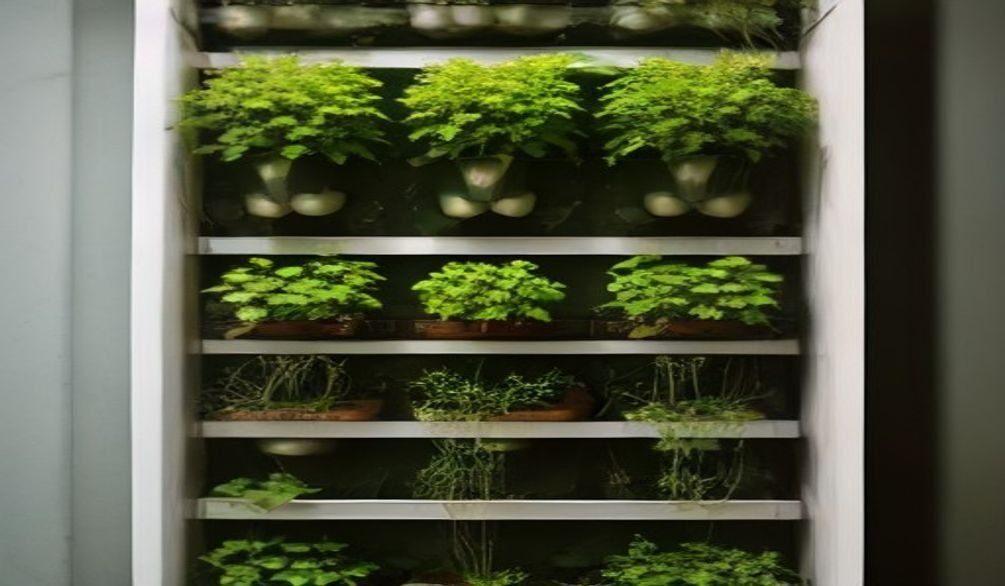
Most Pune terrace gardeners stare at their empty walls, wishing they had more space for pudina, dhania, and those juicy lal mirch plants. That’s exactly where vertical gardening small spaces comes in handy, turning unused vertical areas into thriving green patches. If you’ve ever felt cramped on your balcony or patio, you’re not alone, and these 10 proven tricks will help you maximize every inch for a lush harvest.
Quick Answer: Vertical gardening maximizes growing space in small areas by cultivating plants upward using structures like trellises, wall-mounted planters, or stackable systems, making it ideal for balconies, patios, and urban environments.
What is vertical gardening and why is it great for small spaces?
Vertical gardening is a smart way to grow plants upward using supports like trellises, walls, or arches, effectively saving space and potentially increasing yields, according to Catherine Boeckmann, Executive Digital Editor and Master Gardener (March 2026). It’s incredibly beneficial for small space gardening because it utilizes vertical surfaces that would otherwise go unused, turning tiny balconies or patios into productive green zones.
Honestly, the biggest struggle for urban gardeners in India is always space. My own 10 years of experience growing on balconies has shown me that every square inch counts. Vertical gardening directly tackles this by letting you stack plants, hang them, or train them up a wall. The global vertical garden system market reached $1.8 billion in 2025 and is projected to expand to $4.2 billion by 2034, representing a robust compound annual growth rate of 11.2% throughout the forecast period, showing just how popular these urban gardening solutions are becoming.
Think about it: instead of just a few pots on the floor, you can have a whole wall of herbs or flowers. This vertical approach not only saves precious floor space but also adds a beautiful green wall element to your home. Plus, it can make harvesting easier, as plants are often at a more comfortable height.
How do you set up a vertical garden in a small area?
Setting up a vertical garden in a small area involves choosing the right spot, selecting an appropriate system, and ensuring proper light and water access. The global vertical farming market size surpassed USD 9,630.13 million in 2025 and is predicted to increase to approximately USD 67,933.23 million by 2035, highlighting the increasing sophistication of compact growing systems (2025).
First, pick your spot. Does it get enough sunlight? Most vegetables and herbs need at least 4-6 hours of direct sun. For a balcony garden, this usually means an east or west-facing wall. Then, decide on your system. Are you going for wall-mounted planters, a stackable garden planter, or a simple trellis? You’ll also need to consider how you’ll water everything. A drip irrigation system can be a lifesaver, especially for dense vertical setups.
Here are some key steps to get started with vertical gardening small spaces:
- Assess Sunlight: Observe your chosen spot for a full day. How many hours of direct sun does it get? This dictates what you can grow.
- Choose Your System: Research vertical garden systems like modular panels, pocket planters, or tiered planters. For a truly compact space, GreenStalk Vertical Planters are a popular choice, known for their stackable design and deep grooves for roots.
- Prepare Your Soil: Use a lightweight, well-draining potting mix. I always recommend a mix of cocopeat, compost, and perlite – readily available at local nurseries or online on Ugaoo. This mix prevents compaction, which is crucial for vertical setups.
- Plan Your Layout: Place plants that need more sun at the top and those tolerant of partial shade at the bottom. Think about how water will drain from upper to lower tiers.
- Install Securely: Whatever system you choose, make sure it’s securely attached to your wall or balcony railing. Heavy rains or strong winds, especially during monsoon, can be brutal.
The truth is, most people give up on gardening after one failed crop and blame themselves — but 80% of first failures are caused by wrong pot size, wrong season, or wrong soil mix, not wrong technique. Get those three right, and almost any plant becomes easy to grow, even in vertical gardening small spaces.
What are the best plants for a small vertical garden?
The best plants for a small vertical garden are typically compact, shallow-rooted, and those that thrive in container conditions, making them perfect for vertical gardening small spaces. Think herbs, leafy greens, and certain vining vegetables. For instance, leafy greens like lettuce and spinach are excellent choices for GreenStalk Vertical Planters, which home gardeners praise for their design (2026).
In my 10 years of growing on Indian balconies, I’ve found that success often comes down to plant selection. You might have heard that you can grow anything in a vertical garden. In practice, larger fruiting plants like gourds can get too heavy or require too much root space, especially in smaller, wall-mounted systems. What actually works better are plants that don’t demand extensive root systems or sprawling growth habits.
Here’s a quick table of great options:
| Plant Type | Specific Examples | Why They Work for Vertical Gardening Small Spaces |
|---|---|---|
| Herbs | Pudina, Dhania, Tulsi, Methi, Oregano | Compact, frequent harvesting, strong scents deter pests. |
| Leafy Greens | Palak (Spinach), Lettuce (Romaine, Butterhead), Kale | Shallow roots, quick growth, can be harvested often. |
| Small Vegetables | Cherry Tomatoes (e.g., Pusa Ruby), Bhindi (dwarf varieties), Dwarf Beans, Strawberries | Compact growth, good yield relative to size, can be trained. |
| Flowers | Petunias, Marigolds, Nasturtiums | Add beauty, attract pollinators, some are edible. |
For vining plants like cucumbers or small gourds, you’ll need a sturdy trellis or support system. Pusa Ruby cherry tomatoes, for example, do remarkably well in a container and can be trained upwards, making them ideal for a patio vertical garden. Just remember to pick varieties specifically bred for containers.
Types of vertical garden systems for compact areas
Several types of vertical garden systems are perfectly suited for compact areas, each offering unique advantages for maximizing space. These systems range from simple DIY setups to more advanced hydroponic tower gardens, all designed to make vertical gardening small spaces a reality.
Choosing the right system depends on your budget, the amount of sun your space gets, and how much effort you’re willing to put into installation and maintenance. For instance, GreenStalk Vertical Planters are praised by home gardeners for their stackable design, which effectively uses vertical space without complex installation.
- Wall-Mounted Planters: These are individual pots or modular panels that attach directly to a wall. They’re great for balconies and can create a stunning green wall. Just ensure your wall can handle the weight, especially after watering.
- Stackable Planters: Systems like GreenStalk are popular, where pots stack on top of each other. They’re easy to assemble and move, making them ideal for urban gardening solutions. They often have built-in watering systems that trickle down through the tiers.
- Pocket Planters/Fabric Walls: These use felt or fabric pockets attached to a frame or directly to a wall. They’re lightweight and breathable, excellent for herbs and leafy greens. However, they can dry out quickly in Indian summer heat (40°C+), so frequent watering is essential.
- Trellises and Arbors: Simple, classic, and effective for vining plants. You can grow climbers like bottle gourd, bitter gourd, or even small cucumbers up a trellis. These are often the most budget-friendly option for a vertical garden design.
- Hydroponic Tower Gardens: These advanced systems grow plants without soil, using nutrient-rich water. They offer high yields and faster growth, making them a fantastic option for those serious about maximizing output in vertical gardening small spaces. They’re great for strawberries, lettuce, and herbs, though they require a bit more initial investment and technical know-how.
My neighbour grew tomatoes in a black plastic pot on her Mumbai terrace and got nothing two summers in a row. When she switched to a terracotta pot with the same soil mix, she got her first harvest in 8 weeks. Black plastic heats up to 55°C in direct sun — it cooks the roots silently. This highlights the importance of choosing the right materials, even for vertical systems. Clay pots, while heavier, offer better temperature regulation for roots.
Creative diy vertical garden ideas for limited space
You don’t need fancy equipment to create effective vertical gardening small spaces; many creative DIY solutions can be built with repurposed materials. Repurposed wood pallets are a popular and inexpensive DIY option for maximizing small spaces, suitable for herbs and compact flowers (2026).
Here’s what I’ve noticed after trying different DIY approaches: the simplest ideas often work best and are the most rewarding. It’s about looking at what you have around you and seeing its potential.
- Pallet Gardens: Grab an old wooden pallet – you can often find them for free or cheap. Stand it upright, reinforce the gaps with landscape fabric or geotextile, and fill with soil. Instant vertical planter for herbs, flowers, or small veggies. Just make sure the pallet hasn’t been treated with harmful chemicals.
- Plastic Bottle Planters: Collect large plastic bottles (like 2-liter soda bottles). Cut them in half lengthwise, poke drainage holes, and hang them horizontally from a frame or wall using strong wire. These are excellent for growing pudina or methi.
- Old Shoe Organizer: A fabric shoe organizer with pockets can be hung on a wall or door. Each pocket becomes a mini planter. Perfect for a variety of herbs or small succulents, making for an easy diy vertical garden.
- Ladder Planters: An old wooden ladder can be repurposed by placing planks across the rungs to hold pots. This creates a tiered display that’s both functional and charming for a patio vertical garden.
- Tin Can Herb Garden: Collect old tin cans, paint them, drill drainage holes, and attach them to a wooden board or fence. A row of colourful cans filled with dhania, tulsi, and pudina looks fantastic and smells even better.
These DIY options are not only budget-friendly but also allow for a lot of personalization, truly making your small space gardening unique.
Troubleshooting & maintaining your small vertical garden
Maintaining a small vertical garden requires consistent attention to watering, nutrients, and pest control, especially since plants in compact systems can be more susceptible to environmental stressors. You’ll often find that issues like uneven watering are more pronounced in vertical gardening small spaces.
One common mistake I’ve seen is assuming that monsoon rains will take care of all the watering. I used to skip watering during monsoon because I assumed rain was enough. I lost a container plant one July because the balcony roof blocked all rain — the soil was bone dry while the ground around it was soaked. Container plants on covered balconies still need watering in monsoon, and this is even more critical for vertical setups where rain might not reach all tiers.
Here are some maintenance tips:
- Watering: Vertical gardens, especially wall-mounted types, can dry out faster than ground-level beds. Check soil moisture daily, especially during pre-monsoon and summer. Consider an automatic drip irrigation system, like the one MyGarden Post offers, which can save a lot of hassle.
- Nutrient Management: Plants in containers quickly deplete soil nutrients. Feed your plants with a balanced liquid fertilizer every 2-4 weeks. Compost tea is a fantastic organic option.
- Pest Control: Keep an eye out for common pests like aphids or mealybugs. Preventing vegetable garden pests starts with regular inspection. Neem oil spray works wonders for organic pest control.
- Pruning and Harvesting: Regular pruning encourages bushier growth and higher yields. Harvest leafy greens frequently to keep them producing. Don’t be afraid to snip!
- Rotation: If possible, rotate your plants or refresh your soil annually. This helps prevent nutrient deficiencies and disease buildup.
Spotting plant problems early is crucial for vertical gardening small spaces. Wilting leaves, for example, could indicate underwatering or overwatering, and knowing the difference can save your plant.
What are the disadvantages of vertical gardening for small spaces?
While incredibly efficient, vertical gardening for small spaces does come with its own set of challenges, including increased watering frequency and potential for uneven sun exposure. These drawbacks are important to consider before you dive headfirst into a vertical garden project.
It’s not all sunshine and harvests. For instance, the upfront cost for some modular systems can be higher than traditional pots. Asia Pacific commanded 42.3% of global revenue in 2025 in the vertical garden system market, generating approximately $761 million in market value, indicating significant investment in these systems (2025).
Let’s break down some common hurdles:
- Increased Watering Needs: Smaller soil volumes and increased air circulation mean vertical gardens dry out faster. This can be a real chore in the Delhi summer, potentially requiring daily watering.
- Uneven Sun Exposure: Plants at the top might get full sun, while those at the bottom are in shade. This means careful plant selection is key – put sun-lovers up top and shade-tolerant plants lower down.
- Weight and Structural Integrity: A fully watered vertical garden can be quite heavy. You need to ensure your wall or balcony railing can safely support the weight. This is especially true for large green walls.
- Cost: While DIY options are cheap, pre-made vertical garden systems can be an investment, ranging from ₹1,500 for a basic stackable unit to ₹10,000+ for larger modular or hydroponic setups.
- Pest and Disease Management: Because plants are often close together, pests can spread quickly. Good airflow is important, but a dense vertical garden might still create humid microclimates where fungi thrive.
Despite these challenges, with a bit of planning and consistent care, the benefits of vertical gardening small spaces often outweigh the disadvantages, turning limited areas into vibrant, productive gardens.
Frequently asked questions
What are the best plants for a vertical garden?
The best plants for a vertical garden are typically herbs like pudina and dhania, leafy greens such as palak and lettuce, and compact vegetables like cherry tomatoes and dwarf bhindi. These plants thrive in smaller soil volumes and can be easily trained to grow upwards, according to gardening experts (2026). Always choose varieties suited for containers to ensure success in your vertical gardening small spaces.
What are the benefits of vertical gardening?
Vertical gardening offers numerous benefits, primarily maximizing growing space in urban environments, improving air quality, and adding aesthetic appeal. The vertical gardening segment is projected to grow at a compound annual growth rate of approximately 8% over the next five years, fueled by government initiatives promoting green infrastructure (2025). It allows you to grow more food in less space, which is perfect for small balconies or patios.
How do you set up a vertical garden?
Setting up a vertical garden involves choosing a sunny location, selecting a suitable system (like wall-mounted, stackable, or trellises), and using a lightweight, well-draining potting mix. For instance, landscape designer Jenn Nawada installed a MyGarden Post Vertical Garden System to maximize space for a homeowner (2026). Ensure your chosen system is securely installed and plan for consistent watering, possibly with an automated drip system.
What are the common mistakes in vertical gardening?
Common mistakes in vertical gardening include inconsistent watering, using heavy or poor-draining soil, and choosing plants that are too large or have deep root systems for the system. My experience shows that many people lose container plants during monsoon because a covered balcony blocks rain, leading to dry soil (2026). Always check soil moisture manually, even during rainy seasons, and select appropriate plant varieties for your specific vertical setup.
Are hydroponic tower gardens good for small spaces?
Yes, hydroponic tower gardens are excellent for vertical gardening small spaces because they grow plants without soil, using nutrient-rich water solutions to achieve high yields in a compact footprint. These systems are suitable for various crops like strawberries, lettuce, and herbs, offering faster growth and efficient resource use (2026). While the initial investment might be higher, they can be incredibly productive for urban gardeners.
Embracing vertical gardening small spaces is a game-changer for anyone with limited room but a big desire to grow. By picking the right system, choosing smart plants, and staying consistent with care, you can transform even the tiniest balcony into a productive oasis. Don’t let a lack of ground space stop you from enjoying fresh pudina, juicy tomatoes, or beautiful flowers right at home. It’s truly amazing what you can achieve when you start growing up!







