
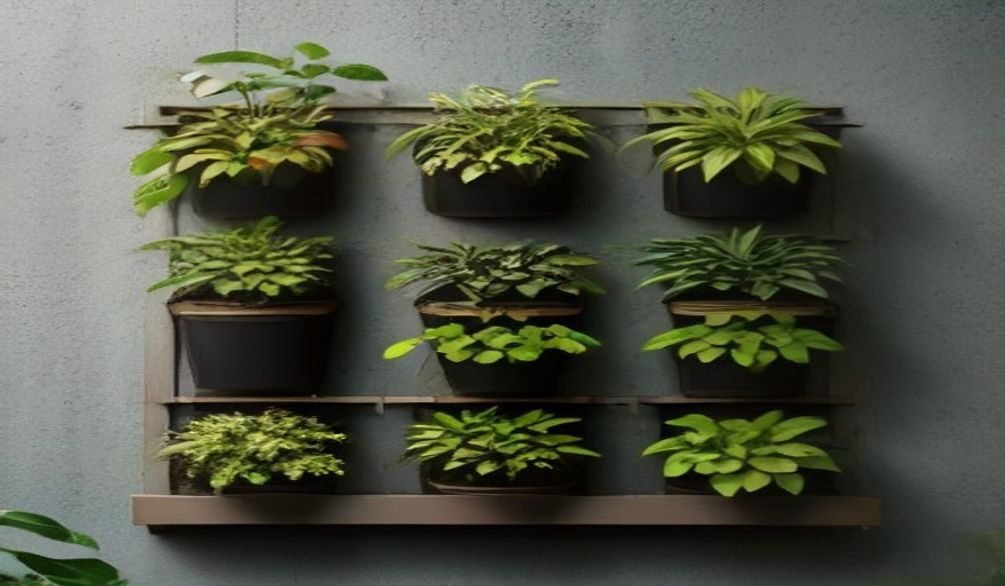
Key Takeaways
- Vertical gardens can yield up to 10 times more produce per square foot compared to traditional methods.
- The global vertical garden system market is projected to reach $4.2 billion by 2034, growing at an 11.2% CAGR.
- Hydroponic vertical gardens use up to 90% less water than conventional gardening, according to industry data.
- Asia Pacific accounted for 42.3% of the global vertical garden system market revenue in 2025.
- Vertical hydroponic towers can efficiently produce up to 50 plants in just a single square foot of space.
Most Mumbai balcony gardeners struggle to find enough space for all their plants, especially when trying to grow a good variety of vegetables and herbs. That’s exactly where DIY vertical garden systems come in handy, turning cramped balconies or small terraces into lush, productive green spaces. These clever setups let you grow more in less area, making fresh produce a real possibility even in the heart of the city.
Quick Answer: DIY vertical garden systems can be easily built using common repurposed materials like pallets, plastic bottles, or old ladders, or by constructing hydroponic towers from PVC pipes, effectively maximizing growing space in compact areas.
What is the easiest diy vertical garden to build?
The easiest DIY vertical garden to build is often a simple pallet garden, requiring minimal tools and readily available materials. These systems are incredibly versatile, allowing you to grow a variety of plants in a small footprint. Honestly, when I first started experimenting with vertical gardening on my Pune terrace, I was amazed at how quickly a repurposed pallet transformed into a thriving herb garden.
Pallet gardens are fantastic because they essentially come pre-built in a vertical structure. You just need to prepare the “pockets” for planting. This approach is much simpler than, say, constructing a complex hydroponic setup from scratch. It’s a great entry point for anyone looking to try DIY vertical garden systems without a big commitment.
How do you make a simple vertical garden from repurposed materials?
You can make a simple vertical garden using repurposed materials by transforming items like plastic bottles, old ladders, or wooden pallets into tiered planting spaces. This method is not only cost-effective but also a fantastic way to reduce waste. Vertical gardens can yield up to 10 times more produce per square foot compared to traditional methods, according to gardening experts.
Here’s how I approach it:
* **Plastic Bottles:** Cut them, string them together, and hang them. They’re perfect for small herbs like pudina or methi.
* **Old Ladders:** Just place potted plants on the rungs. It’s instant vertical space, perfect for decorative flowers or small vegetables.
* **Wooden Pallets:** Line the gaps with fabric, fill with soil, and plant. These are robust enough for larger plants like bhindi or cherry tomatoes.
The beauty of these DIY vertical garden systems is that you’re only limited by your imagination. You’re not just gardening; you’re upcycling!
What materials can be used for diy vertical gardening?
A wide range of common and inexpensive materials can be used for DIY vertical gardening, making it accessible for almost any budget. These include items like PVC pipes, plastic bottles, old wooden pallets, discarded ladders, and even old shoe organizers. For example, the global vertical garden system market reached $1.8 billion in 2025, and a significant portion of this growth is fueled by innovative DIY solutions, according to industry analysis.
When considering materials for your DIY vertical garden systems, think about durability and how they’ll handle water and sunlight.
| Material | Best Use Case | Pros | Cons |
|---|---|---|---|
| Wooden Pallets | Herbs, leafy greens, small vegetables | Rustic look, sturdy, readily available, cheap | Can rot over time, heavy, needs proper lining |
| Plastic Bottles | Small herbs (pudina), seedlings, microgreens | Lightweight, very cheap, excellent for water conservation | Looks can be less aesthetic, less stable for large plants |
| PVC Pipes | Hydroponic systems, strawberries, leafy greens | Durable, good for water flow, customizable | Requires more tools, initial setup can be complex |
| Old Ladders/Shelves | Potted plants, decorative flowers, small fruit plants | Easy assembly, movable, tiered display | Limited by pot size, can be bulky |
| Grow Bags (hanging) | Tomatoes, bhindi, flowering plants | Lightweight, good drainage, easy to move | Shorter lifespan than rigid materials, can dry out quickly |
My personal take? Organic fertilizers are often overrated for small container gardens. The soil volume in a 12-inch pot is simply too small for slow-release nutrients to work the way they do in ground soil. Liquid fertilizers like diluted jeevamrit or seaweed extract work much faster and are easier to control in pots, giving your plants that quick boost they need.
How to build a pallet vertical garden
Building a pallet vertical garden involves preparing a wooden pallet to hold soil and plants, turning it into a compact, space-saving planter. This is one of the most popular and aesthetically pleasing DIY vertical garden systems. Here’s a simple step-by-step guide:
- Find a Safe Pallet: Make sure your pallet is marked “HT” (heat treated) and not “MB” (methyl bromide), which indicates chemical treatment. You can often find these at local markets or construction sites for free or a small fee (₹100-₹300).
- Clean and Sand: Give the pallet a good scrub with soap and water. Once dry, sand down any rough edges to prevent splinters.
- Seal the Bottom and Sides: Use heavy-duty landscape fabric or a thick plastic sheet to line the bottom and three sides of the pallet’s “pockets.” Staple it securely, creating pouches for soil. Make sure to leave the top open for planting.
- Add Soil: Fill the newly created pockets with a good quality potting mix. I always recommend a mix with cocopeat for better water retention, especially during the Indian summer heat.
- Plant Your Greens: Now, plant your desired herbs or shallow-rooted vegetables. Pudina, dhania, lettuce, and even small varieties of lal mirch do wonderfully in these DIY vertical garden systems.
- Water Gently: Water your plants, letting any excess drain out. Vertical gardens, especially pallet ones, can dry out quicker than ground beds, so check soil moisture regularly.
Remember, choosing the right plants is crucial. Cherry tomatoes like Pusa Ruby work better in larger containers, but smaller varieties or herbs are perfect for the shallower pockets of a pallet garden.
How to create a plastic bottle vertical garden
Creating a plastic bottle vertical garden is an incredibly eco-friendly and budget-conscious way to grow herbs and small plants, perfect for tight spaces like apartment balconies. This recycled vertical garden method effectively reuses plastic waste. Here’s a basic plan:
- Collect Bottles: Gather several 1-liter or 2-liter plastic bottles. Rinse them thoroughly.
- Cut and Prepare: For each bottle, cut a rectangular opening on one side, leaving about an inch from the bottom and top intact. This will be your planting pocket. Alternatively, cut the bottle in half horizontally, keeping the bottom half for planting.
- Drainage Holes: If you’re using the horizontal method, poke small drainage holes in the bottom of each bottle. If stacking vertically, poke holes in the bottle caps for water to drip down.
- Mounting Options:
- Stacked: Thread a sturdy rope or wire through the bottle caps (if using the horizontal cut) or through holes poked near the top and bottom of each bottle (if using the rectangular opening). Space them out evenly.
- Wall-Mounted: Attach bottles individually to a wall or a wooden board using screws or zip ties, ensuring they’re level.
- Fill and Plant: Fill each bottle with light potting mix. Plant small herbs like pudina, tulsi, or even microgreens. In my experience, growing pudina from seeds was always slow and patchy. But when I switched to cuttings from a fresh sabziwala bunch, 9 out of 10 rooted in water in just 6 days and were ready for soil by day 8. Seeds are never worth it for pudina when cuttings work this well!
- Watering: Water the top bottle, allowing excess water to trickle down to the bottles below, conserving water. Hydroponic vertical gardens can use up to 90% less water than traditional methods, according to a report on sustainable agriculture.
These DIY vertical garden systems are fantastic for beginners and really show how much you can grow with very little.
Building a hydroponic pvc vertical tower system
Building a hydroponic PVC vertical tower system allows you to grow a significant number of plants in a minimal footprint, using water and nutrient solutions instead of soil. This is a more advanced but highly efficient form of DIY vertical garden systems. For example, vertical hydroponic towers can produce up to 50 plants in a single square foot.
Here’s a simplified approach to constructing one:
- Gather Materials: You’ll need a long PVC pipe (e.g., 4-6 inches diameter, 5-6 feet tall), smaller PVC pipes for water distribution, a submersible pump, a reservoir bucket, net pots, and a nutrient solution.
- Cut Planting Holes: Mark and cut staggered holes (about 2-3 inches in diameter) along the length of the main PVC pipe. These holes should be angled slightly upwards to hold the net pots.
- Internal Water System: Insert a smaller PVC pipe (e.g., 1-inch diameter) down the center of the main pipe. Cap the bottom and drill small holes along its length to allow water to drip out evenly.
- Assemble the Base: Secure the main PVC pipe vertically to a sturdy base. Place your reservoir bucket at the bottom to collect the nutrient solution.
- Connect the Pump: Place the submersible pump in the reservoir and connect it to the top of the smaller internal PVC pipe. The pump will push the nutrient solution up, which then trickles down through the planting holes, feeding the plants.
- Planting: Insert net pots with your chosen plants (like lettuce, spinach, or strawberries) into the holes. Make sure the roots can reach the dripping nutrient solution.
- Add Nutrients: Fill the reservoir with water and the appropriate hydroponic nutrient solution. You can find ready-made solutions at local nurseries or online on Ugaoo.
Setting up these homemade vertical garden systems can seem daunting, but the long-term benefits in yield and water saving are huge. Just remember to monitor your pH and nutrient levels regularly.
Diy ladder and shelf vertical garden ideas
DIY ladder and shelf vertical garden ideas are fantastic for showcasing potted plants, adding greenery to a wall, or creating a mobile garden that can be moved to catch the best sun. These are some of the most versatile and easy-to-adapt DIY vertical garden systems.
* **Repurposed Wooden Ladder:**
* Find an old wooden ladder. Clean and paint it if you like.
* Place sturdy planks across the rungs to create shelves.
* Arrange potted plants on these new shelves. This works wonderfully for different sized pots, from small flowering plants to larger pots of basil or dhania. It’s simple, effective, and adds a charming rustic touch to any balcony or terrace garden.
* **Wall-Mounted Shelves:**
* Install a series of floating shelves or tiered wall planters onto a sturdy wall.
* Ensure the shelves are strong enough to hold the weight of your potted plants, especially after watering.
* This is ideal for creating a “living wall” effect with smaller, trailing plants like money plant or even small succents.
* Consider adding hooks beneath each shelf to hang even more plants, maximizing your vertical space.
* **Hanging Pocket Organizers:**
* While not strictly a “shelf,” a heavy-duty fabric shoe organizer with pockets can be hung on a wall or railing.
* Fill each pocket with soil and plant small herbs or flowers. This is a very cheap vertical garden solution, especially good for rented apartments where you can’t drill into walls.
When using shelves or ladders, always ensure stability. You don’t want your precious plants tumbling down during a strong monsoon breeze!
Tips for maintaining your diy vertical garden
Maintaining your DIY vertical garden systems effectively ensures your plants thrive and your hard work pays off. It’s not just about building them; it’s about keeping them healthy!
- Consistent Watering: Vertical gardens, especially those exposed to sun and wind, tend to dry out faster than ground beds. Check the soil moisture daily, especially during Indian summer heat (40°C+ in Delhi or Chennai). Water every 1-2 days in summer, and adjust to once every 3-5 days during cooler periods or monsoon season.
- Nutrient Management: Container plants in vertical setups deplete nutrients quicker. Supplement with liquid fertilizers like diluted cow dung slurry (jeevamrit) or seaweed extract every 10-15 days. As I mentioned earlier, for small container gardens, liquid feeds are generally more effective than slow-release organic granules.
- Sunlight Optimization: Observe how the sun hits your vertical garden throughout the day. You might need to rotate certain sections or move the entire setup (if it’s mobile) to ensure all plants get adequate light. Plants on the lower tiers often get less sun.
- Pest and Disease Control: Plants grown in close proximity can be more susceptible to rapid pest spread. Inspect your plants regularly. Early detection of pests like aphids or mealybugs means you can use simple neem oil sprays or homemade insecticidal soap before infestations get out of hand.
- Pruning and Harvesting: Regular pruning encourages bushier growth and higher yields. Harvest herbs like pudina and dhania frequently. This also helps maintain air circulation, which is crucial in dense vertical setups, especially in humid climates like Mumbai.
- Structural Integrity: Periodically check the stability of your DIY vertical garden systems. Are the pallets still sturdy? Are the plastic bottles securely attached? Heavy rains or strong winds can take a toll, so reinforcing structures can save your plants.
Frequently asked questions
What is the easiest vertical garden to maintain?
The easiest vertical garden to maintain is typically a simple tiered shelf or ladder system with individual pots, as it allows for easy access to each plant for watering, pruning, and pest checks. These systems offer flexibility and reduce the complexity often associated with integrated watering systems.
How do you make a simple vertical garden from recycled materials?
You can make a simple vertical garden from recycled materials by repurposing plastic bottles into hanging planters or transforming old wooden pallets into pocketed growing spaces. This approach is highly sustainable and reduces material costs significantly, contributing to the global vertical garden market projected to reach $4.2 billion by 2034, according to market analysis.
What are the benefits of diy vertical garden systems?
DIY vertical garden systems offer numerous benefits, including maximizing growing space in urban areas, conserving water, and providing access to fresh produce. Vertical gardens can yield up to 10 times more produce per square foot compared to traditional methods, according to gardening experts. They also enhance aesthetics and promote recycling.
Can you grow vegetables in a vertical garden?
Yes, you can absolutely grow many vegetables in a vertical garden, especially leafy greens like lettuce and spinach, herbs like pudina and tulsi, and smaller fruiting plants like cherry tomatoes or bhindi. The key is selecting appropriate plant varieties and ensuring adequate sunlight and nutrient delivery to each level.
How much water do vertical gardens save?
Hydroponic vertical gardens can save a significant amount of water, often using up to 90% less water than traditional soil-based gardening methods. This efficiency is due to closed-loop systems that recirculate water and nutrient solutions, minimizing evaporation and runoff.
Building your own DIY vertical garden systems is a truly rewarding experience, transforming overlooked spaces into vibrant, productive green corners. Whether you opt for the rustic charm of a pallet garden, the eco-friendly appeal of plastic bottle planters, or the advanced efficiency of a hydroponic tower, you’re taking a big step towards a more sustainable and greener home. So, pick your favorite idea, gather your materials, and get ready to watch your small space bloom. Happy gardening!







