Key Takeaways
- Terrace gardens can reduce ceiling temperatures by 5°C to 7°C in summer, according to a study in Greater Noida.
- A balcony garden with living walls and potted plants can reduce indoor air temperature by 2.5°C, as found by a study in *Energy and Buildings*.
- Container plants on balconies heat up much faster than garden beds, making them especially vulnerable to heat stress, according to Urban Sprout.
- Mulching with materials like cocopeat can dramatically reduce water evaporation by up to 30%, stabilizing soil temperature.
- Using terracotta pots can prevent root rot in humid monsoon months due to their breathability, a common issue for Indian balcony gardeners.
Most Bangalore balcony gardeners dread the scorching pre-monsoon heat, watching their lush greens wilt despite regular watering, and it’s a common struggle to provide effective balcony garden heat protection. You’re not alone in finding this hard; urban balconies are notorious for creating microclimates that bake plants. This guide will walk you through seven proven strategies to beat the heat, keeping your plants thriving even when the mercury soars.
Quick Answer: To protect a balcony garden from heat, provide shade with nets or blinds, use mulch to retain soil moisture, choose heat-tolerant and native plants, water strategically, and consider self-watering planters to prevent rapid drying and heat stress.
How do you keep a balcony garden cool in the summer?
Keeping a balcony garden cool in the summer involves a multi-pronged approach focusing on shade, moisture retention, and smart plant choices. You’ll need to create a microclimate that shields your plants from direct, intense sunlight, as container plants are especially vulnerable to rapid drying and overheating, according to gardening experts cited by Urban Sprout.
The truth is, watering alone isn’t enough when temperatures hit 40°C+. Think about how quickly a small bucket of water evaporates in the sun. Your plant pots are like tiny buckets. The key is to reduce the amount of heat they absorb and the rate at which they lose moisture. This means strategic watering, yes, but also physical barriers to the sun and insulation for the soil. For example, my neighbour grew tomatoes in a black plastic pot on her Mumbai terrace and got nothing two summers in a row. Black plastic heats up to 55°C in direct sun — it cooks the roots silently.
Here are some effective methods for balcony garden heat protection:
- Provide ample shade: Use shade nets, bamboo blinds, or even strategically placed taller plants.
- Mulch your containers: A layer of organic material on top of the soil helps retain moisture and keeps roots cool.
- Water smartly: Water deeply in the early morning or late evening to minimize evaporation.
- Choose the right pots: Terracotta pots, while drying faster, offer better breathability than plastic, preventing root rot.
- Select heat-tolerant plants: Opt for varieties known to thrive in hot, sunny conditions.
What plants can withstand full sun on a balcony?
For balconies bathed in full sun, choosing the right plants is crucial for successful balcony garden heat protection. You’ll want varieties that are naturally adapted to high light intensity and can tolerate warmer soil temperatures, like bougainvillea, portulaca, lantana, and adenium.
These plants aren’t just surviving; they’re often thriving and adding vibrant colour to your space. Drought-tolerant plants are also excellent choices, such as aloe vera, rosemary, and even some varieties of lal mirch (chilli peppers). When selecting plants, consider their native habitat. Plants that originate from arid or tropical regions are often your best bet.
Here’s a quick list of sun-loving plants that do well in Indian balcony conditions:
| Plant Name | Key Characteristics | Balcony Suitability |
|---|---|---|
| Bougainvillea | Vibrant, papery bracts; drought-tolerant once established | Excellent for full sun, climbing or trailing |
| Portulaca (Moss Rose) | Bright, cheerful flowers; low-growing, succulent leaves | Great for hanging baskets or groundcover in pots |
| Lantana | Clusters of small, colorful flowers; attracts pollinators | Hardy, tolerates heat and dry spells |
| Adenium (Desert Rose) | Unique swollen stem (caudex); exotic flowers | Thrives in intense heat and full sun |
| Aloe Vera | Succulent, medicinal leaves; very drought-tolerant | Low maintenance, functional, good for hot spots |
| Rosemary | Fragrant herb; needs good drainage | Performs well in hot, sunny conditions; culinary use |
| Pudina (Mint) | Fragrant herb; needs consistent moisture but tolerates sun | Can do well if given morning sun and afternoon shade, or consistent watering |
Remember, even heat-tolerant plants will benefit from some afternoon shade during the peak Indian summer heat, especially if they’re in smaller containers. It’s all about balancing their needs with your balcony’s microclimate.
How can i protect my plants from extreme heat on my balcony?
To protect your balcony plants from extreme heat, you need to implement a combination of shading, improved watering techniques, and root insulation. My 10 years of experience growing food and flowers on Indian urban balconies have shown me that a multi-pronged strategy for balcony garden heat protection always works best.
One critical aspect is choosing the right container. You might have heard that plastic pots are cheap and retain moisture well. In practice, for most Indian balcony plants, terracotta pots outperform plastic. Yes, they dry faster and cost more (often ₹80-150 for a medium size), but their breathability prevents root rot, which is the number one killer of container plants in India’s humid monsoon months. My neighbour, after struggling with black plastic, got her first tomato harvest in 8 weeks after switching to terracotta with the same soil mix. That black plastic was literally cooking the roots.
Strategic watering for hot balconies
Watering isn’t just about quantity; it’s about timing and method. Water deeply in the early morning before the sun gets too intense, or in the late evening once temperatures begin to drop. This allows the water to soak into the soil and be absorbed by the roots before it evaporates rapidly, which can happen if you water mid-day.
- Deep Watering: Ensure water drains out the bottom of the pot, indicating the entire root ball is saturated.
- Avoid Mid-day Watering: Droplets on leaves can act as magnifying glasses, scorching foliage.
- Check Soil Moisture: Stick your finger an inch or two into the soil; water only if it feels dry.
- Consider Self-Watering Planters: These are a game-changer for busy gardeners, providing a reservoir of water that plants can access as needed. The U.S. garden planters market size was estimated at USD 4.91 billion in 2025, showing their growing popularity.
Root zone protection
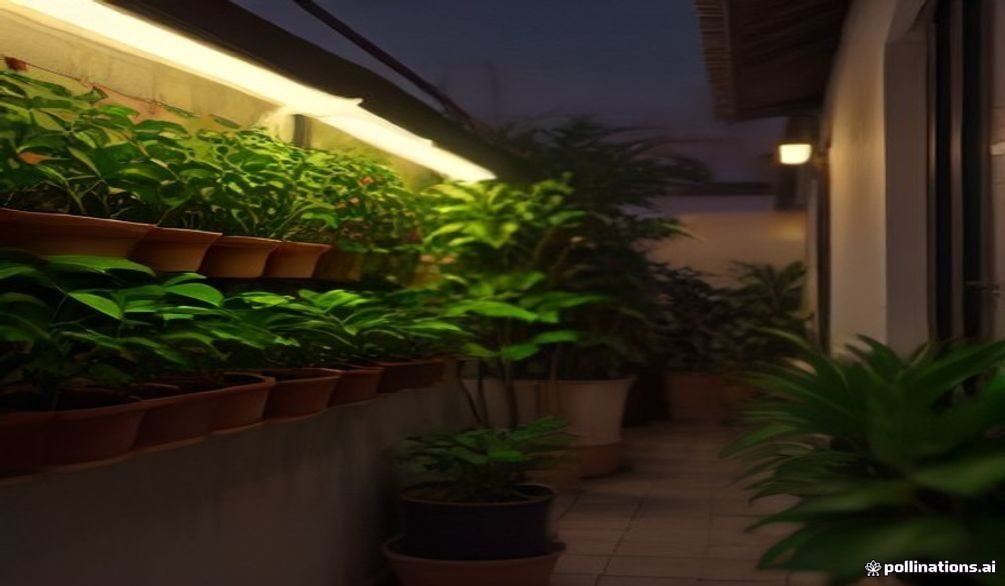
The roots are the most vulnerable part of a container plant in extreme heat. Insulating them is vital. Mulching, which we’ll discuss in detail later, is one excellent method. Another is to simply use larger pots. More soil mass means more insulation and moisture retention. You can also group pots together to create a mini-microclimate, where the plants shade each other’s soil. This collective shading is a simple yet effective strategy for cooling balcony plants.
Why is my balcony garden hotter than a ground-level garden?
Your balcony garden often feels hotter than a ground-level garden because it’s exposed to a unique combination of heat-reflecting surfaces and increased airflow. Landscape designer Kat Aul Cervoni notes that “These spaces are often significantly hotter, windier, and drier than people realize because they’re surrounded by heat-reflecting surfaces like concrete, brick.”
Think about it: concrete walls, glass windows, and metal railings on buildings absorb and radiate heat throughout the day and well into the night. This creates a “heat island” effect, intensifying the ambient temperature around your plants. Plus, balconies typically experience more wind, which, while sometimes welcome for humans, can rapidly dry out plant foliage and soil, especially in small containers. This makes diligent balcony garden heat protection even more crucial.
Here are the main reasons your balcony is a heat trap:
- Reflected Heat: Surfaces like concrete, glass, and brick absorb solar radiation and then radiate it back, increasing the temperature around your plants.
- Container Vulnerability: Pots, especially dark-colored plastic ones, heat up much faster than garden beds, cooking roots.
- Increased Air Circulation: While good for preventing fungal issues, constant wind can accelerate water loss from leaves (transpiration) and soil (evaporation).
- Lack of Natural Shade: Unlike ground gardens that might have mature trees or surrounding vegetation, balconies often lack natural overhead or side shade.
Understanding these factors helps you tailor your strategies for protecting plants from sun on balcony spaces. It’s not just about the sun directly hitting the plant; it’s about the entire thermal environment.
What are the best diy shading solutions for a balcony?
The best DIY shading solutions for a balcony are often simple, cost-effective, and highly adaptable, using materials like shade nets, bamboo blinds, or even old cotton bedsheets to diffuse harsh sunlight. These options are fantastic for providing immediate balcony garden heat protection without breaking the bank.
A 50% shade net, readily available at local nurseries or online on Ugaoo or Nurserylive for around ₹20-50 per square meter, can significantly lower the surrounding temperature by blocking a substantial portion of direct solar radiation. I’ve found that these nets are indispensable for my west-facing balcony in Pune during the pre-monsoon heat.
Here are some practical DIY ideas:
- Green Shade Nets: These are perhaps the most common and effective. You can easily drape them over a simple frame, attach them to railings, or even hang them from the ceiling using hooks. They allow for airflow while blocking intense UV rays.
- Bamboo Blinds/Chicks: These offer a more aesthetic appeal and can be rolled up or down as needed. They’re great for vertical shading and can be found at local home goods stores.
- Sheer Curtains or Old Bedsheets: For a temporary or budget-friendly solution, repurpose old cotton bedsheets or sheer curtains. They might not block as much heat as a proper shade net, but they’ll diffuse direct sun, reducing leaf scorch.
- Trellises with Climbers: Install a simple wooden or metal trellis and train fast-growing climbing plants like Aparajita (Butterfly Pea) or passionfruit. This creates a living shade structure that also adds beauty and can help cool the air through evapotranspiration. This is a great long-term shade solution for balcony garden.
- Strategic Placement of Taller Plants: Use your taller, more sun-tolerant plants (like a potted banana tree or even a large tulsi plant) to cast shade on smaller, more delicate plants. It’s like creating a natural canopy.
When implementing these, consider the sun’s path throughout the day. You’ll likely need the most protection during the harsh afternoon sun, especially on west-facing balconies.
How does mulching help a balcony garden beat the heat?
Mulching helps a balcony garden beat the heat primarily by insulating the soil, retaining moisture, and suppressing weeds. Horticulturist Monty Don has “repeatedly emphasized that healthy soil behaves like a living ecosystem. Mulch helps preserve that ecosystem even in punishing weather.”
When you apply a layer of mulch, you’re essentially putting a protective blanket over the soil. This blanket keeps the soil temperature more stable, preventing it from overheating in direct sun and also reducing rapid cooling at night. More importantly for balcony garden heat protection, it dramatically slows down water evaporation from the soil surface. This means your plants stay hydrated longer, reducing the frequency of watering.
Here’s how mulch works its magic for balcony gardening tips heat:
- Moisture Retention: Mulch acts as a barrier, reducing water evaporation from the soil by up to 30%. This is crucial for watering balcony plants in heat, as containers dry out so quickly.
- Temperature Regulation: It insulates the soil, keeping roots cooler in summer and warmer in winter. This prevents extreme temperature fluctuations that stress plants.
- Weed Suppression: By blocking sunlight, mulch helps prevent weed growth, meaning your plants don’t have to compete for precious water and nutrients.
- Soil Health: Organic mulches (like dry leaves or cocopeat) break down over time, enriching the soil with organic matter and improving its structure.
Good mulching materials for Indian balconies include:
- Dry Leaves: Free and effective. Just collect fallen leaves and shred them if possible.
- Cocopeat: Lightweight, excellent water retention, widely available in nurseries.
- Straw/Hay: Great insulation, but can be messy and hard to find in urban areas.
- Bark Chips: Long-lasting and decorative, available at gardening stores.
- Coconut Husk (coir): Similar to cocopeat, good for moisture retention.
Apply a layer of mulch about 1-2 inches thick on top of your container soil, keeping it slightly away from the plant stem to prevent rot. This simple step makes a huge difference in hot conditions.
Can a balcony garden actually help cool my home?
Yes, a balcony garden can absolutely help cool your home, acting as a natural buffer against urban heat. A study published in *Energy and Buildings* found that a combination of potted plants and a living wall on a balcony reduced indoor air temperature by 2.5°C, with balcony surface temperatures dropping by as much as 5.5°C.
This cooling effect happens through a process called evapotranspiration, where plants release water vapor into the air, which has a cooling effect similar to sweating. Dipti Agarwal, Founder and Garden Designer at Peepal, states that “Opting for native plants that have broad leaf structure, deep root systems, dark green foliage colour, can help cool the environment through evapotranspiration process.” She adds that “Releasing moisture, increasing air flow, blocking sun rays, thus reducing internal temperature are just a few of the several benefits of creating a well-planned balcony garden.”
Here’s how your balcony garden contributes to cooling:
- Shade Creation: Plants, especially taller ones or climbers on trellises, cast shade on your balcony floor and exterior walls, preventing them from absorbing and radiating heat into your home.
- Evapotranspiration: As plants release moisture, they lower the ambient temperature around them, creating a cooler microclimate that can extend into your adjacent rooms.
- Reduced Heat Absorption: Green surfaces absorb less solar radiation than concrete or brick, directly reducing the amount of heat transferred into your building.
- Airflow Improvement: Strategically placed plants can guide airflow, creating gentle breezes that further enhance cooling. As outdoor garden expert Loren Taylor says, “A balcony without greenery is like a car without air conditioning; it’s best when you create a combination of plants and materials to cool down the balcony.”
Even small efforts in balcony garden heat protection, like adding a few lush plants or a small vertical garden, can contribute to a more comfortable indoor environment, especially in cities like Chennai where temperatures can soar.
Frequently asked questions
How do you keep a balcony garden cool in the summer?
You keep a balcony garden cool in summer by providing shade with nets or blinds, mulching soil to retain moisture, and watering deeply in the early morning or late evening. A study in Greater Noida found that terrace gardens can reduce ceiling temperature by 5°C to 7°C in summer, showing the power of greenery. These methods prevent rapid drying and heat stress, ensuring plant health.
What plants can withstand full sun on a balcony?
Plants like Bougainvillea, Portulaca, Lantana, and Adenium can withstand full sun on a balcony. Drought-tolerant options such as Aloe Vera and Rosemary also thrive in hot, sunny conditions. Choosing native plants with broad leaves and deep roots can also help cool the environment through evapotranspiration, according to Dipti Agarwal of Peepal.
How can i protect my plants from extreme heat on my balcony?
Protect your balcony plants from extreme heat by using shade nets, mulching container soil with cocopeat or dry leaves, and opting for breathable terracotta pots instead of dark plastic ones. Container plants are especially vulnerable because pots heat up much faster than garden beds, causing roots to dry and overheat rapidly, as noted by Urban Sprout. Strategic watering and grouping plants can also provide significant relief.
Why is my balcony garden hotter than a ground-level garden?
Your balcony garden is hotter due to heat reflection from surrounding concrete, brick, and glass surfaces, creating an urban “heat island” effect. These spaces are often significantly hotter, windier, and drier than people realize, surrounded by heat-reflecting surfaces, according to landscape designer Kat Aul Cervoni. The increased exposure to wind also accelerates moisture loss from containers.
What are the best diy shading solutions for a balcony?
The best DIY shading solutions for a balcony include installing green shade nets, hanging bamboo blinds, or even repurposing old cotton bedsheets. A 50% shade net can significantly lower surrounding temperatures by diffusing direct sunlight. These simple solutions offer flexible and affordable shade solutions for balcony garden needs.
Navigating the intense Indian summer heat for your balcony garden doesn’t have to be a losing battle. By implementing these strategies for balcony garden heat protection—from smart shading and mulching to choosing the right plants and pots—you can create a thriving green oasis. Remember, even small changes can make a big difference in keeping your plants happy and healthy. Start experimenting with these tips today, and watch your balcony garden flourish despite the rising mercury.