Key Takeaways
- The global culinary herbs and spices market was valued at USD 18.6 billion in 2025, according to market projections.
- Basil and cilantro account for over 65% of the global fresh herb market, according to industry analysis (2024).
- The fresh herbs market is projected to grow from USD 7.0 billion in 2026 to USD 10.1 billion by 2030, according to market reports.
- Asia Pacific dominated the fresh herbs market, holding a 45.0% revenue share in 2024, according to market data.
- Fresh herbs like basil and rosemary are packed with antioxidants, supporting immune and digestive health, according to TheNewGrowthProject.org (2025).
When you’re trying to add that perfect touch of flavor to your dal or sabzi, sometimes it feels like something’s missing, right? You’ve got the spices, but it’s the vibrant, fresh notes that truly elevate a dish. That’s where knowing the best culinary herbs for cooking comes in, transforming everyday meals into something special and ensuring your kitchen garden thrives.
Quick Answer: The 7 best culinary herbs for cooking typically include basil, parsley, cilantro, rosemary, thyme, oregano, and mint, offering diverse flavors and enhancing a wide array of dishes.
What are the most common cooking herbs?
The most common cooking herbs are those you’ll find in nearly every cuisine, forming the backbone of countless dishes globally. In fact, basil and cilantro/coriander were the two most widely consumed fresh herbs, accounting for over 65% of the global fresh herb market in 2024, according to market data. These popular cooking herbs are cherished for their versatility and ability to add depth.
You’ll often see them in local sabziwala shops or even growing in small pots on balconies across India. Think about it: a fresh sprig of pudina in your chutney, or a generous sprinkle of dhania over a curry – these aren’t just garnishes; they’re integral flavor builders. My own experience growing herbs for kitchen use over the years has shown me that these common varieties are common for a reason: they’re reliable, flavorful, and easy to integrate.
Here’s a quick look at some popular cooking herbs:
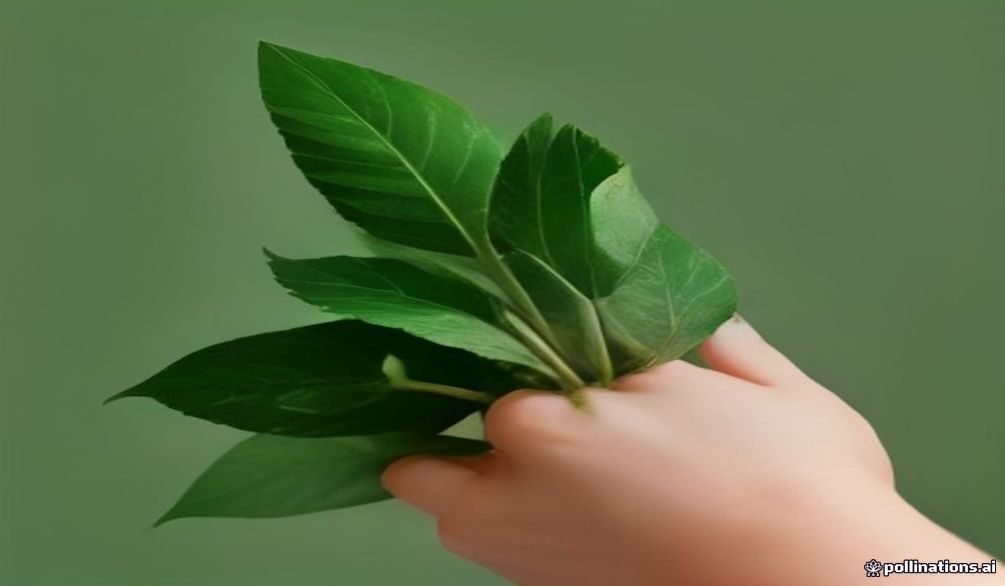
- Basil (Tulsi in some contexts): Sweet, peppery, and slightly anise-like. A staple in Italian, Thai, and many Indian dishes.
- Parsley: Fresh, green, and slightly peppery. Used widely as a garnish and flavor enhancer in European and Middle Eastern cooking.
- Cilantro (Dhania): Bright, citrusy, and sometimes described as soapy by those with a genetic predisposition. Essential in Indian, Mexican, and Southeast Asian cuisines.
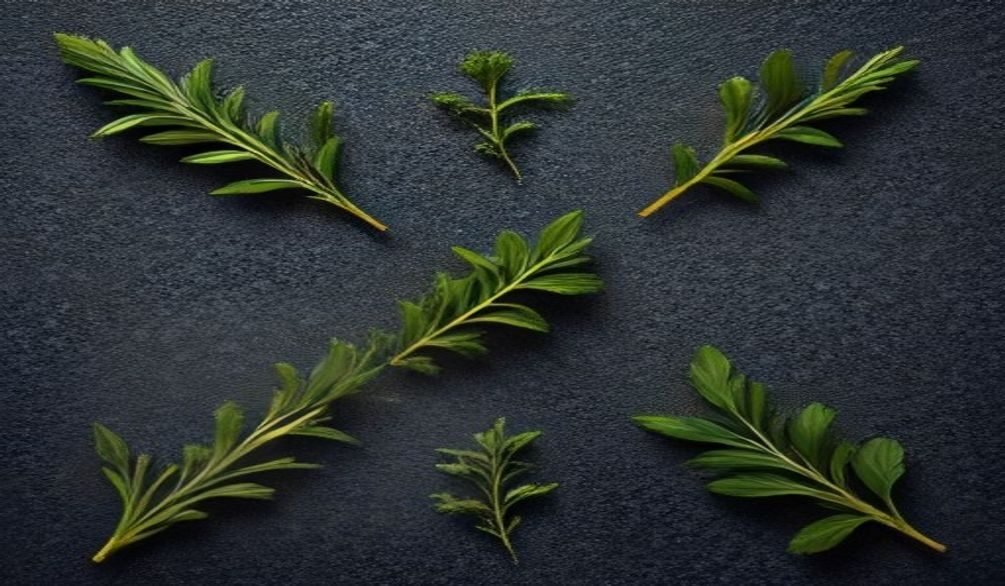
- Rosemary: Piney, woody, and aromatic. Perfect for roasted meats and potatoes.
- Thyme: Earthy, minty, and slightly lemony. Great for stews, soups, and poultry.
- Oregano: Pungent, earthy, and slightly bitter. A must-have for Mediterranean and Italian dishes.
- Mint (Pudina): Cool, refreshing, and sweet. Fantastic in beverages, desserts, and savory dishes like biryani or raita.
Which herbs are best for fresh cooking?
For fresh cooking, the best culinary herbs are those that truly shine when used raw or added at the very end of the cooking process, preserving their delicate flavors and vibrant aromas. Chef Ann Ziata from the Institute of Culinary Education advises that “Herbs, like basil, cilantro, and dill are lightly chopped and then added toward the end of cooking” to prevent bruising and bitterness. This really underscores why fresh herbs for cooking make such a difference.
When you’re aiming for that burst of flavor, you want herbs that hold their character without wilting away. In my Pune terrace garden, I’ve noticed that herbs like pudina and dhania thrive in our mild climate, making them perfect for grabbing a few sprigs right before dinner. They don’t need heavy cooking; their magic happens when they’re simply torn or lightly chopped.
Consider these top picks for fresh culinary use:
- Basil: Essential for pesto, Caprese salads, or simply torn over a pizza. Its sweet notes are best enjoyed fresh.
- Cilantro (Dhania): A non-negotiable for chutneys, salsas, tacos, and as a finishing touch on almost any Indian curry. Its bright, citrusy punch is lost with prolonged heat.
- Parsley: Flat-leaf parsley is fantastic in tabbouleh, sprinkled over grilled fish, or mixed into a fresh herb salad. It brings a clean, green note.
- Mint (Pudina): Beyond mojitos, fresh pudina brightens up fruit salads, raitas, and even some savory lamb dishes. The cooling sensation is unparalleled.
- Dill: With its feathery fronds and delicate anise-like flavor, dill is superb with fish, potatoes, and in yogurt sauces.
- Chives: Offering a mild oniony flavor, chives are excellent snipped over eggs, baked potatoes, or creamy soups.
These herbs for flavor are about immediate impact, a fresh lift that can’t be replicated by their dried counterparts.
What makes these 7 herbs the ultimate choice for culinary delights?
These seven herbs—basil, parsley, cilantro, rosemary, thyme, oregano, and mint—are considered the ultimate choice for culinary delights because of their unparalleled versatility, distinct herb flavor profiles, and ability to complement a vast range of global cuisines. They offer a spectrum of flavors, from sweet and peppery to earthy and refreshing, making them indispensable in any kitchen. The beauty of these best culinary herbs for cooking is how they can transform simple ingredients.
Think about it: whether you’re whipping up an Italian pasta, a Mexican salsa, or an Indian sabzi, at least one of these will fit right in. They aren’t just for specific dishes; they’re foundational. For instance, growing herbs for kitchen use like these means you’re always ready for an impromptu meal. I’ve found that having a small pot of each on my Mumbai balcony makes a huge difference in my daily cooking.
Here’s why they stand out:
| Herb | Key Flavor Profile | Culinary Uses & Cuisines |
|---|---|---|
| Basil | Sweet, peppery, slightly anise | Italian (pesto, pasta), Thai (curries), salads |
| Parsley | Fresh, green, slightly peppery | European (garnish, sauces), Middle Eastern (tabbouleh) |
| Cilantro (Dhania) | Bright, citrusy, fresh | Indian (curries, chutneys), Mexican (salsas, tacos), Southeast Asian |
| Rosemary | Piney, woody, aromatic | Mediterranean (roasted meats, potatoes), French |
| Thyme | Earthy, minty, lemony | French (stews, poultry), Mediterranean, soups |
| Oregano | Pungent, earthy, slightly bitter | Italian (pizza, pasta), Greek (salads, grilled meats) |
| Mint (Pudina) | Cool, refreshing, sweet | Indian (raita, biryani), Middle Eastern (tea), desserts, beverages |
These herbs for flavor are truly global citizens in the culinary world, and mastering them is a huge step in becoming a better home cook.
How do fresh herbs boost health and flavor?
Fresh herbs significantly boost both health and flavor by infusing dishes with complex aromas, potent nutrients, and powerful antioxidants, often allowing you to reduce your reliance on salt and unhealthy fats. “Packed with essential nutrients, antioxidants, and phytochemicals, herbs such as basil, rosemary, and parsley can help enhance the immune system, support digestive health, and reduce inflammation,” according to TheNewGrowthProject.org (2025). This means cooking with herbs isn’t just about taste; it’s a wellness choice.
Beyond the health benefits, the flavor impact is immediate and profound. A handful of fresh dhania can transform a simple dal, or a sprig of rosemary can elevate roasted vegetables. Honestly, when I’m cooking, I find that the vibrant notes from fresh herbs for cooking make even the simplest meals feel gourmet. It’s a quick win for both your palate and your body.
Here are some key ways these popular cooking herbs contribute:
- Antioxidant Powerhouses: Many herbs, like oregano and thyme, are rich in antioxidants that combat free radicals in the body.
- Vitamins and Minerals: Parsley, for example, is a great source of Vitamin K and C. These small additions pack a nutritional punch.
- Digestive Aids: Mint (pudina) is well-known for its soothing properties for an upset stomach.
- Natural Flavor Enhancers: They add layers of aroma and taste, reducing the need for artificial flavorings or excessive salt. As Herbilicious Living (2025) puts it, “Cooking with fresh herbs isn’t just about garnishing a dish—it’s about unlocking bold flavors and powerful health benefits in every bite.”
- Anti-inflammatory Properties: Rosemary and basil contain compounds that may help reduce inflammation.
Can you grow these culinary herbs easily at home?
Yes, you can absolutely grow the best culinary herbs for cooking easily at home, especially in containers on balconies or terraces, making them perfect for urban Indian gardeners. Most of these top culinary herbs are quite forgiving and don’t demand extensive space or specialized care. For instance, basil and cilantro are two of the most widely consumed fresh herbs globally, and they’re also among the easiest to grow, according to industry reports (2024).
From my own 10 years of experience with balcony gardening in India, I’ve found that the key is starting with good quality seeds and the right soil mix. You might have heard that organic fertilizers are best for everything. In practice, for small container gardens like ours, the soil volume in a 12-inch pot is too small for slow-release organic nutrients to work the way they do in ground soil. Liquid fertilizers, like diluted jeevamrit or seaweed extract, work faster and are easier to control in pots. This has made a huge difference in my yields.
Here’s how to get started with a culinary herb garden:
- Choose the Right Spot: Most herbs need at least 4-6 hours of direct sunlight. A south-facing balcony or terrace is ideal.
- Select Good Quality Seeds/Plants: Don’t skimp here. A friend once tried growing methi from seeds bought at a kirana store instead of a seed shop, and the germination rate was a dismal 15%. When they switched to Sarpan or Indo-American seeds, they got an 80%+ germination rate. Cooking seeds and garden seeds are not the same thing! For live plants, check your local nurseries – they often have basil, pudina, and dhania saplings for ₹30-₹50.
- Use Well-Draining Potting Mix: This is crucial. I tested cocopeat from three different brands in 2023—COCO COIR, Royal, and a local loose brand from the nursery. The loose brand had salt residue that burned my seedling roots. I had to wash it 4 times before it was safe to use. Branded cocopeat costs ₹80–120 more per block but saves a ruined batch of seedlings.
- Proper Watering: Water deeply but infrequently, allowing the top inch of soil to dry out between waterings. Overwatering is a common killer, especially during the monsoon in places like Mumbai.
- Harvest Regularly: Pinching back herbs encourages bushier growth and prevents them from going to seed too quickly. This ensures a continuous supply of fresh herbs for cooking.
For more tips on maximizing space, you might find my article on small space vegetable garden: 7 expert tricks for high yield helpful.
Expert tips for cooking and preserving fresh herbs
Getting the most out of your fresh herbs means knowing how to use them effectively in your cooking and how to keep them fresh longer. Chef John Foster notes that “Three times the fresh herbs to dry is the standard ratio” when substituting, highlighting the greater volume of fresh herbs needed for equivalent flavor impact. This is a crucial detail when you’re thinking about the best culinary herbs for cooking and making them last.
You’ve put in the effort to grow these vibrant herbs, so let’s make sure they don’t go to waste. Preserving fresh herbs not only saves money but also ensures you have their flavors on hand year-round. It’s truly a game-changer for spontaneous cooking.
Here are some expert tips:
Cooking with fresh herbs for maximum flavor:
- Add at the End: For delicate herbs like basil, dhania, and pudina, add them in the last few minutes of cooking or as a garnish. Heat quickly diminishes their flavor.
- Bruise, Don’t Mince: As Chef Ann Ziata mentioned, light chopping is better than over-mincing. For herbs like basil, tearing them gently can release their oils without making them bitter.
- Layer Flavors: Don’t be afraid to combine herbs! Rosemary and thyme are a classic pair for roasted vegetables, while dhania and pudina are staples in many Indian preparations.
- Infuse Oils: Gently warm olive oil with rosemary or thyme sprigs to create infused oils for dipping or cooking.
Preserving fresh herbs:
You’ve harvested a bounty of the best culinary herbs for cooking, but now what? Here’s how to keep them vibrant:
- Refrigeration (Water Method): Treat soft herbs (basil, parsley, dhania, pudina) like a bouquet of flowers. Trim the stems, place them in a glass with an inch of water, and cover loosely with a plastic bag. Change the water every other day. This works wonders, extending their life for up to a week.
- Refrigeration (Paper Towel Method): For hardier herbs (rosemary, thyme, oregano), wrap them in a slightly damp paper towel, then place them in an airtight container or zip-top bag in the fridge. They’ll stay fresh for 1-2 weeks.
- Freezing (Oil Cubes): Chop your herbs finely, pack them into ice cube trays, and cover with olive oil. Freeze until solid, then transfer the herb cubes to a freezer bag. Pop one into your pan when sautéing! This is fantastic for basil or dhania.
- Drying: For herbs like oregano, thyme, and rosemary, tying small bunches and hanging them upside down in a cool, dry, dark place works well. Once brittle, crumble and store in airtight jars.
If you want to dive deeper into preserving your harvest, check out my article on use fresh herb harvest: 7 easy ways to preserve.
The global market for culinary herbs: key insights
The global market for culinary herbs is a thriving and expanding industry, reflecting the increasing consumer demand for fresh, flavorful, and healthy ingredients worldwide. This market was valued at USD 18.6 billion in 2025 and is projected to reach USD 25.4 billion by 2034, exhibiting a compound annual growth rate (CAGR) of 5.3% during the forecast period, according to market analysis. This growth highlights just how important the best culinary herbs for cooking are on a global scale.
It’s not just about home cooks; major players like McCormick & Company and distributors like KLP Specialties show the commercial scale of this industry. The fresh herbs market, in particular, is booming. It was valued at USD 5.9 billion in 2024 and is projected to grow from USD 7.0 billion in 2026 to USD 10.1 billion by 2030, at a CAGR of 9.4% from 2025 to 2030, according to industry reports. This shows a clear trend toward fresh over dried.
Some interesting insights into herb market trends:
- Asia Pacific Dominance: Asia Pacific dominated the fresh herbs market, accounting for a revenue share of 45.0% in 2024 and is expected to grow at a CAGR of 10% from 2024 to 2030, according to market data. This isn’t surprising, given the deep-rooted culinary traditions of using fresh herbs like dhania and pudina in the region.
- Consumer Health Focus: The push for healthier eating and natural flavors is a major driver. People are realizing the health benefits of herbs, as discussed earlier.
- Rise of Home Gardening: The pandemic spurred a significant interest in growing food at home, boosting demand for seeds and plants of popular cooking herbs.
- Innovative Culinary Uses: Restaurants like The Herbfarm in Washington state have shown how innovative use of culinary herbs can gain national attention, influencing home cooks to experiment more.
These market trends underscore the enduring appeal and growing importance of fresh herbs for flavor in kitchens everywhere.
Frequently asked questions
What are the most common cooking herbs?
The most common cooking herbs include basil, parsley, cilantro (dhania), rosemary, thyme, oregano, and mint (pudina). Basil and cilantro alone accounted for over 65% of the global fresh herb market in 2024, according to industry data. These herbs are widely used across diverse cuisines due to their versatile flavor profiles.
What are the best fresh herbs for cooking?
The best fresh herbs for cooking are those that retain their vibrant flavor and aroma when used raw or added at the end of preparation, such as basil, cilantro, parsley, mint, dill, and chives. Chef Ann Ziata from the Institute of Culinary Education advises adding delicate herbs like basil and cilantro lightly chopped towards the end of cooking to prevent bitterness. Using fresh herbs elevates the taste of any dish significantly.
What are the top 5 culinary herbs?
While it’s tough to pick just five, basil, cilantro, parsley, rosemary, and thyme are consistently among the top culinary herbs due to their widespread use and distinct flavors. These herbs are staples in global cooking, offering a fantastic range of taste and aroma. Having these five in your culinary herb garden ensures you’re ready for most recipes.
Which herbs are easiest to grow for cooking?
Basil, mint (pudina), cilantro (dhania), parsley, and oregano are generally considered the easiest herbs to grow for cooking, making them ideal for beginners. They thrive in containers with adequate sunlight and good drainage, even in varied Indian climates. Starting with these varieties can give you a lot of confidence in your home gardening journey.
So, there you have it! Diving into the world of the best culinary herbs for cooking doesn’t have to be intimidating. By focusing on these seven amazing varieties—basil, parsley, cilantro, rosemary, thyme, oregano, and mint—you’ll unlock a universe of flavor for your everyday meals. Why not pick up a small plant of dhania or pudina from your local nursery this week and start experimenting? Your taste buds, and your health, will thank you.