Key Takeaways
- Radishes are considered the absolute easiest plant to grow, maturing in about 28 days, according to horticulturalist Bob Westerfield (2025).
- The global organic food and beverage market is projected to reach USD 735.2 billion by 2026, indicating a growing interest in organic produce (2026).
- Green bean seeds benefit from overnight soaking to speed up germination, a tip from the University of Georgia Cooperative Extension (2025).
- Eggplants are resilient and can be ratooned—cut back to 8-10 inches—to produce a second crop (2025).
- Setting up soil correctly with compost and amendments is crucial for beginner gardening success, emphasizes Master Garden Trainer Stacey Murphy (2025).
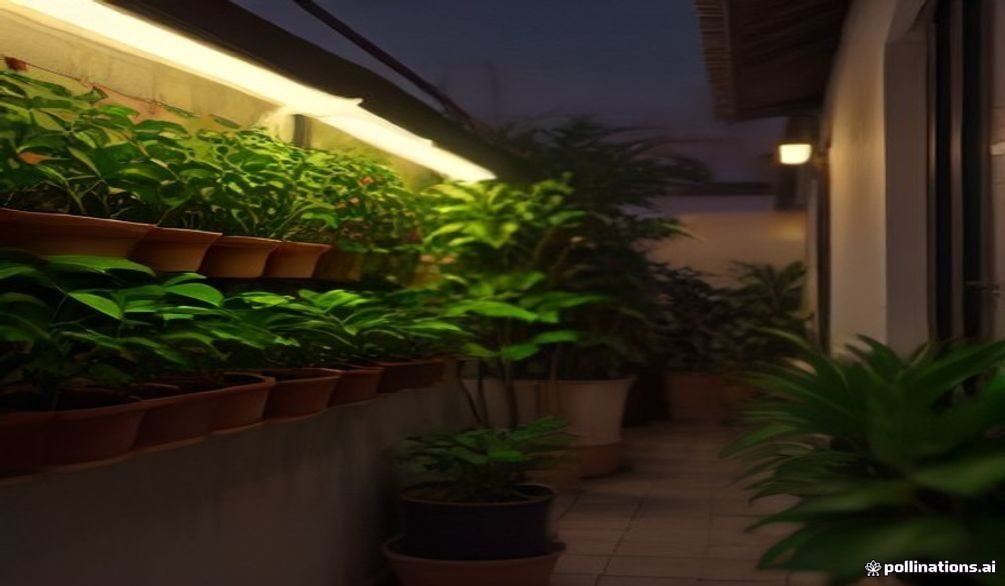
Most Mumbai balcony gardeners often feel overwhelmed when starting their first garden, unsure which plants will survive the intense heat and humidity, but diving into **organic gardening for beginners** doesn’t have to be complicated. You’re looking for simple wins, plants that are forgiving and don’t demand constant attention, and this guide will show you exactly how to achieve that with easy-to-grow organic plants.
Quick Answer: The 5 best plants for beginners in organic gardening are green beans, radishes, eggplants, peppers, and leafy greens like spinach or kale, due to their ease of growth, resilience, and minimal organic care requirements.
What is the easiest crop to grow organically for beginners?
The easiest crop to grow organically for beginners is undoubtedly the radish, known for its rapid growth and minimal fuss. Horticulturalist Bob Westerfield from the University of Georgia Cooperative Extension states that radishes are “practically bomb-proof” and the “absolute easiest plant to grow,” maturing in about 28 days (2025). This quick turnaround makes them incredibly satisfying for new gardeners, offering fast results and boosting confidence.
Radishes don’t require much space, thriving even in small pots or shallow beds, which is perfect for urban gardeners in places like Bangalore or Pune. You can sow them directly, and they don’t need complex organic pest control beyond basic vigilance. They’re a fantastic choice if you’re keen on **organic gardening for beginners** because they’re so forgiving.
Why choose organic gardening for your first plants?
Choosing organic gardening for your first plants ensures you’re growing healthier food while contributing to a better environment. Organic farming is becoming a necessity for the planet’s future, ensuring healthier soil and chemical-free food, according to a recent assessment (2025). This means your efforts, even on a small balcony garden, have a positive impact.
For me, after 10 years of growing food on Indian balconies, the appeal of organic methods isn’t just about avoiding chemicals; it’s about building a living soil that supports plant health naturally. When you focus on soil health, your plants are stronger, more resilient to pests and diseases, and you get to enjoy produce that tastes genuinely better. Plus, it’s incredibly rewarding to know exactly what goes into your food. This focus on natural processes makes **organic gardening for beginners** a truly sustainable hobby.
5 easy plants for organic gardening beginners
Here are five incredibly easy plants perfect for starting your journey in organic gardening, chosen for their resilience and low-maintenance needs. Each of these can thrive in Indian conditions with proper care, making them ideal for any beginner.
* **Green Beans:** These are fantastic because they enrich the soil with nitrogen, a natural benefit for organic gardens. Bob Westerfield from the University of Georgia Cooperative Extension recommends soaking green bean seeds overnight to speed up germination (2025), which is a quick win for impatient gardeners. Bush varieties like ‘Contender’ or ‘Pusa Komal’ are perfect for containers and don’t need staking. They’re relatively pest-free and produce abundantly.
* **Radishes:** As mentioned, these are “bomb-proof.” Varieties like ‘Cherry Belle’ or ‘White Icicle’ mature incredibly fast, often in under a month. They prefer cooler weather, so in places like Delhi, plant them in late winter or early monsoon. Just ensure consistent moisture and loose soil, and you’ll be harvesting in no time.
* **Eggplants (Brinjal):** Many people think eggplants are tricky, but they’re surprisingly robust. They can be grown in tomato cages or staked and are seldom bothered by common insects, according to gardening experts (2025). For Indian climates, varieties like ‘Pusa Purple Long’ or ‘Black Beauty’ do well. An amazing tip I’ve learned is ratooning—cutting back the plant to 8-10 inches after the first flush of fruit—which can rejuvenate them for a second, often more prolific, crop.
* **Peppers (Capsicum/Mirchi):** Whether you prefer sweet capsicum or spicy lal mirch, peppers are a great choice. They offer a variety of shapes and colors and can handle light frost and cooler temperatures better than some other veggies, though they love the sun. Varieties like ‘California Wonder’ (capsicum) or ‘Pusa Jwala’ (chilli) are widely available at local nurseries. They’re quite forgiving with watering once established.
* **Leafy Greens (Spinach, Kale, Methi, Chard):** Grow Your Own Vegetables (GYOV) recommends leafy greens for continuous production, thriving in various setups with at least 6 hours of sunlight and regular watering (2025). Spinach (palak), kale, and methi are excellent for consistent harvests. Just snip the outer leaves, and the plant keeps producing. They’re perfect for pots and don’t need heavy fertilization.
How to prepare your soil for organic plants?
Preparing your soil correctly is the single most important step for successful organic gardening for beginners, as healthy soil equals healthy plants. Master Garden Trainer Stacey Murphy emphasizes that setting up soil correctly with compost and amendments is one of the three secrets to success for beginner gardeners (2025). You’re not just planting; you’re building an ecosystem.
Here’s how I approach soil for my container gardens in Mumbai:
- Start with a Good Base: Don’t just grab garden soil. Mix equal parts good quality garden soil, compost (vermicompost works wonders), and cocopeat or perlite. This blend ensures good drainage and aeration, crucial for root health in pots.
- Beware of Bad Cocopeat: In my experience, I tested cocopeat from three different brands in 2023—COCO COIR, Royal, and a local loose brand from the nursery. The loose brand had salt residue that burned my seedling roots. I had to wash it 4 times before it was safe to use. Branded cocopeat costs ₹80–120 more per block but saves a ruined batch of seedlings. Always opt for a reliable brand like Cocogreen if possible.
- Add Amendments: Mix in a handful of neem cake powder (for pest deterrence) and bone meal or rock phosphate (for flowering and fruiting) per 12-inch pot. This provides a slow release of nutrients.
- Let it Rest: After mixing, let your soil sit for a week or two, moistening it occasionally. This allows the beneficial microbes to start working their magic.
You might have heard that organic granular fertilizers are always best. In practice, for small container gardens, the soil volume in a 12-inch pot is too small for slow-release nutrients to work the way they do in ground soil. Liquid fertilizers like diluted jeevamrit or seaweed extract work faster and are easier to control in pots, providing a quicker boost when your plants need it most.
Basic organic care tips for beginner gardeners
Mastering a few basic organic care tips can make all the difference for your first plants, ensuring they thrive without chemical intervention. These simple practices are key to successful **organic gardening for beginners**.
* **Watering Wisely:** Don’t just water on a schedule; feel the soil. Stick your finger an inch or two deep. If it feels dry, it’s time to water. Overwatering plants is a common mistake, especially during the monsoon, and can lead to root rot. For instance, in Indian summer heat (40°C+), you might need to water daily, but in Delhi winters, once every 3-4 days might be enough.
* **Sunlight is Key:** Most vegetables need at least 6 hours of direct sunlight daily. Observe your space throughout the day to find the sunniest spot. If you’re struggling, consider plants like leafy greens or pudina, which can tolerate partial shade.
* **Organic Pest Control for Beginners:** You don’t need harsh chemicals. A simple spray of diluted neem oil (available at local nurseries for ₹80–150 per bottle) can deter many pests. Hand-picking larger insects or using a strong jet of water to dislodge aphids also works. Companion planting, like marigolds near your tomatoes, can also help.
* **Feeding Your Plants:** As I mentioned, liquid feeds are great for containers. Diluted jeevamrit, made from cow dung and jaggery, is a fantastic organic tonic that boosts soil microbial life. Apply it every 2-3 weeks.
* **Harvest Regularly:** Stacey Murphy also advises harvesting weekly to prevent pest problems (2025). This keeps plants productive and removes older leaves that might attract pests.
| Care Aspect | Organic Beginner Tip | Why it Helps |
|---|---|---|
| Watering | Finger test: water when top inch is dry. | Prevents overwatering/underwatering, crucial for root health. |
| Sunlight | 6+ hours direct sun for most vegetables. | Fuels photosynthesis, leading to strong growth and fruit. |
| Pest Control | Neem oil spray, hand-picking, companion planting. | Avoids chemicals, maintains beneficial insects. |
| Fertilization | Liquid feeds like diluted jeevamrit every 2-3 weeks. | Provides quick, controlled nutrient boosts for container plants. |
| Harvesting | Pick produce regularly. | Encourages continuous production, reduces pest attraction. |
What are the easiest plants to keep alive outdoors organically?
Beyond vegetables, there are many resilient plants that are incredibly easy to keep alive outdoors organically, especially if you’re just starting your journey into **organic gardening for beginners**. These often require less intensive care than edibles and can thrive with minimal intervention.
For example, Southern Living Plants offers the Suntastic™ Pink Abelia, a heat-tolerant, water-wise evergreen that doesn’t require pruning and thrives in full sun, offering pink flowers and variegated foliage (2025). Similarly, Proven Winners features ‘Sunshine’ Ligustrum, a low-maintenance evergreen shrub with golden-yellow foliage that’s resistant to pests and diseases and tolerant of salt or clay soils (2025). These plants are incredibly forgiving, making them perfect for creating a beautiful, low-effort organic landscape. Even simple herbs like tulsi or pudina are incredibly easy to grow outdoors in pots, requiring just consistent watering and occasional harvesting.
Common mistakes to avoid in beginner organic gardening
Avoiding a few common pitfalls can save you a lot of frustration and help ensure your first foray into **organic gardening for beginners** is a success. Many new gardeners, myself included, have made these mistakes.
One big one is trying to grow too much too soon. You see beautiful pictures online and want to plant everything, but starting small with 2-3 easy organic vegetables to grow is far more effective. Over-fertilizing, even with organic products, is another common error. More isn’t always better; too much nitrogen can lead to lush leaves but no fruit.
Another mistake I’ve personally encountered is using substandard grow bags. I bought a “grow bag” online advertised as 15 litres—it held only 9 litres when filled properly because the sides were too thin to stand upright. I wasted an entire season of tomatoes because the root volume was not enough. Now I only buy grow bags from physical nurseries where I can check the material thickness and quality. It’s crucial to invest in decent containers that will support your plants’ root systems. Don’t let cheap equipment derail your efforts; good quality grow bags from a trusted local nursery will serve you better.
Frequently asked questions
What are the easiest vegetables for beginners to grow?
The easiest vegetables for beginners to grow are radishes, green beans, leafy greens like spinach or kale, eggplants, and peppers. These plants are known for their resilience, quick growth, and relatively low maintenance requirements, making them ideal for a first garden. Many of these, like radishes, can mature in as little as 28 days, according to horticulturalist Bob Westerfield (2025). This quick success encourages continued gardening.
What is the easiest plant to grow organically?
The easiest plant to grow organically is the radish, due to its incredibly fast growth cycle and minimal susceptibility to pests and diseases. It thrives with basic organic soil and consistent moisture, offering a rewarding harvest quickly. The University of Georgia Cooperative Extension considers radishes “practically bomb-proof” for new gardeners (2025). This makes them a perfect starting point for anyone interested in organic gardening.
What are the easiest plants to keep alive outdoors?
The easiest plants to keep alive outdoors are resilient varieties like Suntastic™ Pink Abelia, ‘Sunshine’ Ligustrum, and many common herbs such as tulsi or pudina. These plants are tolerant of various conditions, require less frequent watering, and are generally pest and disease resistant. Southern Living Plants highlights Abelia’s heat and water tolerance, making it a low-effort choice (2025). They offer beauty and greenery with minimal fuss for outdoor spaces.
What are some beginner-friendly organic plants?
Beginner-friendly organic plants include green beans, radishes, eggplants, peppers, and various leafy greens like spinach or kale. These plants are forgiving of common gardening mistakes and respond well to basic organic care practices. Grow Your Own Vegetables (GYOV) recommends leafy greens for their continuous production and adaptability to different growing setups (2025). They provide consistent harvests and build confidence.
How do i start an organic vegetable garden for beginners?
To start an organic vegetable garden for beginners, focus on proper soil preparation with compost, choose easy-to-grow plants, ensure adequate sunlight, and implement simple organic pest control methods. Begin with high-quality soil enriched with organic matter, as healthy soil is the foundation for a thriving organic garden. Master Garden Trainer Stacey Murphy emphasizes correct soil setup as a secret to beginner success (2025).
Embarking on **organic gardening for beginners** doesn’t have to be a daunting task; it’s about starting small, learning from your plants, and enjoying the process. By choosing these easy-to-grow plants and focusing on building healthy soil, you’ll be enjoying fresh, chemical-free produce from your own balcony or terrace garden in no time. So grab some seeds, get your hands dirty, and watch your organic garden flourish!