Key Takeaways
- Turning a hard, flat surface into a living space is one of the most rewarding urban projects, according to THURSD (2026).
- Most vegetables require at least 6-8 hours of sunlight daily to thrive, as noted by Facebook (2020).
- Terrace gardens can contribute to environmental conservation and improve well-being, states BloomingDen (2026).
- The ideal soil for terrace gardens should be crumbly and retain moisture, advises Casa De Amor (2022).
- Checking a building’s load-bearing capacity is crucial before starting a terrace garden, according to THURSD (2026).
When you’re living in a bustling city like Bangalore or Mumbai, finding enough space for a garden can feel impossible, especially if you’re battling scorching Indian summer heat or intense monsoon rains; this is where focused **terrace gardening tips for elevation** really come into play. Many urban gardeners lose their first few attempts not from lack of effort, but from overlooking critical structural or environmental factors unique to elevated spaces. This guide will walk you through the essential **terrace gardening tips for elevation**, helping you create a thriving green oasis right above your home.
Quick Answer: Terrace gardening on elevated spaces requires careful planning for structural weight, proper drainage, and maximizing sunlight. Key tips include choosing lightweight containers, suitable potting mix, and vertical gardening techniques to create a successful and sustainable garden.
What is terrace gardening and why is it beneficial?
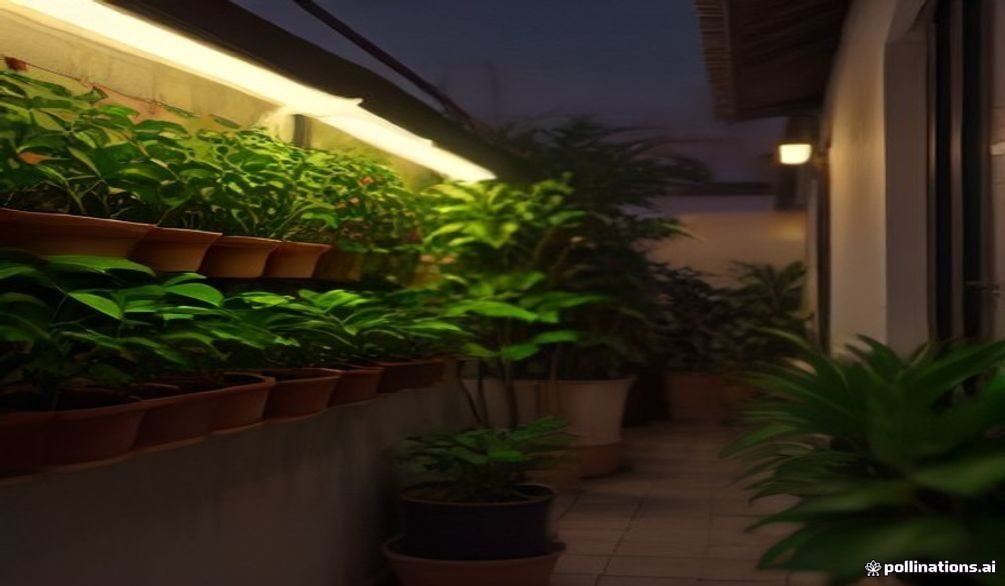
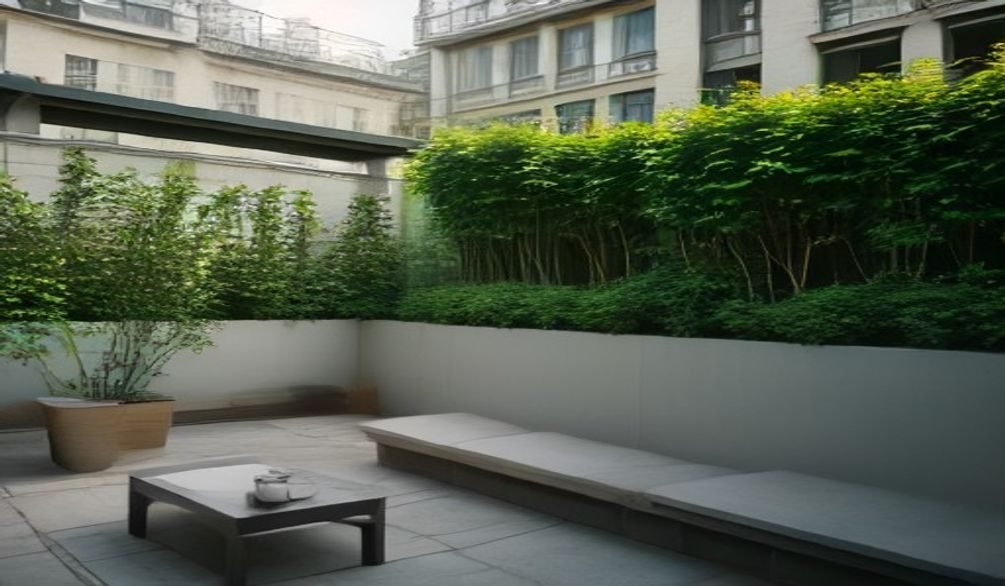
Terrace gardening transforms unused rooftops or balconies into vibrant green spaces, offering a fantastic way to reconnect with nature in urban environments. Turning a hard, flat surface into a living space is one of the most rewarding projects you can take on if you live in a city, according to THURSD (2026). Beyond just looking pretty, terrace gardens provide far more than aesthetic value; they contribute to environmental conservation, improve physical and mental well-being, and even help reduce household expenses by allowing families to grow their own herbs and vegetables, as BloomingDen (2026) highlights. You’ll find yourself enjoying fresher produce and a cooler home, especially during the intense Indian summer heat.
For me, growing my own dhania and pudina on my Mumbai terrace during the monsoon has been a game-changer. There’s nothing quite like stepping out to snip fresh herbs for dinner, even when the city is drenched. It’s a small slice of green peace in the concrete jungle.
How do you start a terrace garden for beginners?
Starting a terrace garden begins with a thorough assessment of your space and some careful planning to ensure long-term success. First off, you’ll want to check your building rules or talk to someone who understands the load-bearing capacity of your specific space, THURSD (2026) suggests. This is absolutely crucial for any **terrace gardening tips for elevation**, as heavy soil and water can add significant weight.
Here’s a quick checklist to get you going:
- Assess Sunlight: Observe your terrace throughout the day. Most vegetables need at least 6-8 hours of direct sunlight daily to thrive, according to Facebook (2020).
- Check Drainage: Good drainage is the most important part of a successful setup, THURSD (2026) emphasizes. Make sure your terrace has proper slopes and outlets to prevent waterlogging, which can damage your building and your plants.
- Plan Layout: Sketch out where you want to place containers, raised beds, or vertical structures. Consider access for watering and maintenance.
- Choose Containers: Opt for lightweight options like grow bags, plastic pots, or repurposed materials. Heavy ceramic pots can add unnecessary load.
- Select Soil: The ideal soil for your terrace garden should neither be too compacted nor too light; it should have a balanced, crumbly texture that can retain moisture, advises Casa De Amor (2022). A good potting mix usually contains cocopeat, compost, and perlite.
Honestly, you might have heard that any soil will do, but in practice, using garden soil directly from the ground for containers often leads to compaction and poor drainage, which causes root rot. What actually works better is a specialized potting mix, often available at local nurseries for ₹80–150 per bag, because it’s designed to be light and well-draining.
What are the basic terrace gardening tips for elevation?
Mastering **terrace gardening tips for elevation** means focusing on structural integrity, smart container choices, and efficient resource management. The biggest concern for any elevated garden is weight, so always prioritize lightweight materials for pots and growing media. I’ve seen too many people start with heavy concrete planters only to realize their terrace can’t handle the load, leading to costly fixes.
Here are some key considerations:
- Lightweight Potting Mix: Use a mix of cocopeat, vermicompost, perlite, and sand. This reduces the overall weight compared to traditional garden soil. Remember, I once mixed vermicompost directly into a seed-starting tray at a 30% ratio, and it burned every seedling within 5 days because the nutrients were too concentrated for young roots. Vermicompost should really be used for established plants, not for germination.
- Smart Container Selection: Choose fabric grow bags, plastic pots, or lightweight fiberglass planters. These are much lighter than terracotta or ceramic, especially when filled with wet soil.
- Drip Irrigation: Terrace gardens can dry out quickly due to exposure to wind and sun, according to Facebook (2020). Drip irrigation systems are incredibly efficient, saving water and reducing the effort of manual watering, which is a major win for anyone with a busy schedule.
- Wind Protection: Elevated spaces are often windier. Consider installing windbreaks using mesh, taller plants, or even a small trellis to protect delicate plants from strong gusts, especially during pre-monsoon storms.
- Waterproofing: Ensure your terrace is properly waterproofed before setting up your garden. This prevents water seepage into the building structure below.
How can you maximize space in an elevated garden?
Maximizing space in an elevated garden is all about thinking vertically and being creative with your layout, especially when applying **terrace gardening tips for elevation**. You’re not just limited to the floor space; look up! Vertical gardening solutions are your best friends here.
Here are some effective ways to get more plants into less area:
- Vertical Planters: Multi-level planters are excellent for those with limited floor space, allowing for vertical growth in urban areas. You can find ready-made vertical garden units or DIY shelves from old pallets.
- Trellises and Arbors: Grow vining plants like cucumbers, gourds, or even smaller climbing roses upwards. This uses vertical space efficiently and adds a beautiful green wall effect.
- Stackable Pots: These are designed to stack on top of each other, creating a tower of plants. They’re perfect for herbs like pudina, methi, or small flowering plants.
- Hanging Baskets: Utilize the railings or overhead structures for hanging baskets, ideal for trailing plants like petunias, money plants, or even strawberries.
- Repurposed Containers: Don’t underestimate the power of old cartons, cardboard boxes, paint boxes, food containers, or even old furniture as planters. They save money and reduce waste, giving you more planting spots.
One of the best **terrace gardening tips for elevation** I can give is to really look at your railings. They’re often overlooked but can support clip-on planters or even small shelves for lightweight pots, instantly expanding your growing area. This is a simple, effective way to get more bang for your buck.
What are common challenges and disadvantages of terrace gardens?
While incredibly rewarding, terrace gardens do come with their unique set of challenges and disadvantages that you need to be aware of. The biggest hurdle is often the **structural integrity** of the building; not all rooftops are designed to hold the weight of soil, water, and containers, which can lead to serious safety issues if not properly assessed. Another common problem is the intense sun exposure and wind, especially in cities like Delhi, which can cause plants to dry out much faster than ground-level gardens, requiring more frequent watering, according to Facebook (2020).
Here’s a breakdown of typical drawbacks:
| Challenge | Impact on Gardeners | Solution/Mitigation |
|---|---|---|
| Weight Load | Risk of structural damage to the building. | Use lightweight pots, soil, and consult a structural engineer. |
| Watering Needs | Plants dry out quickly due to sun/wind, demanding more frequent watering. | Install drip irrigation, use self-watering pots, add mulch. |
| High Temperatures | Pots heat up fast, stressing roots during Indian summers (40°C+). | Choose light-colored pots, provide afternoon shade, use insulating materials. |
| Pest & Disease Control | Isolated environment can sometimes lead to rapid pest spread. | Regular inspection, use organic pest control like neem oil. |
| Cost & Setup | Initial setup can be more expensive than ground gardens due to special materials. | Repurpose materials, start small, DIY structures for cost savings. |
Most people give up on gardening after one failed crop and blame themselves — but in my experience, 80% of first failures are caused by wrong pot size, wrong season, or wrong soil mix, not wrong technique. Get those three right, and almost any plant becomes easy to grow. This is especially true for **terrace gardening tips for elevation** where these factors are even more critical.
What are the best plants for elevated terrace gardens?
Choosing the right plants is crucial for success in an elevated terrace garden, as they need to tolerate the unique conditions of rooftop environments. You’ll want varieties that are generally compact, drought-tolerant (or at least can handle consistent watering), and adaptable to container life. Think about the sunlight your terrace gets – if you have 6-8 hours of direct sun, most fruiting vegetables are fair game.
Here are some excellent choices for your elevated space:
- Herbs: Pudina (mint), dhania (coriander), tulsi (holy basil), methi (fenugreek), and rosemary thrive in pots and love plenty of sun. In my experience, growing pudina from seeds twice was slow and patchy. When I switched to cuttings from a fresh sabziwala bunch, 9 out of 10 rooted in water in 6 days and were in soil by day 8. Seeds are never worth it for pudina when cuttings work this well!
- Vegetables: Cherry tomatoes like ‘Pusa Ruby’ are excellent in containers, bhindi (okra), lal mirch (chili peppers), brinjal (eggplant), and leafy greens like spinach and lettuce.
- Flowers: Marigolds, petunias, portulaca, and vinca are hardy and add a splash of color, plus they can attract pollinators.
- Small Fruits: Strawberries and dwarf citrus varieties can also do surprisingly well in large containers.
When thinking about **terrace gardening tips for elevation**, always consider how much wind your plants will face. Taller plants might need staking, and delicate leafy greens could benefit from being placed behind sturdier plants or a small windbreak.
How to maintain a thriving terrace garden?
Maintaining a thriving terrace garden involves consistent care, smart watering, and proactive pest management to keep your plants happy and healthy. Regular observation is your best tool—you’ll learn to spot problems early, before they become major headaches.
Here are some key maintenance practices:
- Consistent Watering: Terrace gardens dry out quickly. Water your plants regularly, keeping the soil consistently moist but not waterlogged, according to Facebook (2020). Self-watering pots are fantastic for beginners or those who travel, as they can sustain plants for about a week without manual watering.
- Fertilization: Container plants rely entirely on you for nutrients. Use a balanced liquid fertilizer every 2-4 weeks or incorporate slow-release organic fertilizers like vermicompost or compost.
- Pruning and Harvesting: Regularly prune dead or yellowing leaves to encourage new growth and improve air circulation. Harvest vegetables and herbs frequently to signal the plant to produce more.
- Pest Control: Inspect your plants daily for signs of pests. Neem oil is an excellent natural pest control solution for organic terrace gardening and is readily available at local nurseries.
- Seasonal Rotation: In India, we have distinct growing seasons. Plan your planting according to pre-monsoon, monsoon, and winter crops. For example, tomatoes might struggle in peak Mumbai humidity but thrive in Bangalore’s milder climate.
- Container Maintenance: Every year or two, consider repotting plants into fresh soil or at least topping up containers with new potting mix, as nutrients deplete over time.
The first cut is often the hardest when it comes to pruning, not because of technique, but because most gardeners are afraid to remove a branch that looks healthy. But trust me, pruning helps direct the plant’s energy into producing more fruit or flowers. Incorporating these **terrace gardening tips for elevation** into your routine will make a huge difference.
Frequently asked questions
How do you start a terrace garden for beginners?
To start a terrace garden, beginners should first assess sunlight exposure and ensure proper drainage, as these are critical for plant health. Most vegetables require at least 6-8 hours of sunlight daily, according to Facebook (2020), so choose your spot wisely. Begin with lightweight containers and a good quality potting mix to manage structural weight.
What are the basic terrace gardening tips to know for beginners?
Basic **terrace gardening tips for elevation** for beginners include checking your building’s load-bearing capacity and opting for lightweight materials like fabric grow bags. Good drainage is the most important part of a successful setup, emphasizes THURSD (2026), preventing root rot and structural damage. Prioritize a well-draining, balanced potting mix over heavy garden soil.
What are the disadvantages of terrace garden?
Terrace gardens can face challenges like significant weight load on the building structure and rapid drying out of plants due to increased sun and wind exposure. The initial setup cost can also be higher than ground gardens due to specialized materials and waterproofing needs. However, with careful planning and the right **terrace gardening tips for elevation**, these can be mitigated.
What are the benefits of terrace gardening?
Terrace gardening offers numerous benefits, including access to fresh, organic produce, improved air quality, and reduced household temperatures. These gardens contribute to environmental conservation and enhance physical and mental well-being, states BloomingDen (2026). They also provide a rewarding connection to nature in urban settings.
What are the best plants for elevated terrace gardens?
The best plants for elevated terrace gardens are compact, adaptable to containers, and can tolerate varied sun and wind conditions. Herbs like pudina, dhania, and tulsi, along with vegetables like cherry tomatoes, bhindi, and lal mirch, thrive in these environments. Consider hardy flowers like marigolds and petunias for color and pollination.
Creating a thriving garden on an elevated space might seem daunting at first, but with these **terrace gardening tips for elevation**, you’re well on your way to success. Remember, the key is thoughtful planning around weight, drainage, and sunlight, then choosing the right plants and containers. As Audrey Hepburn famously said, “To plant a garden is to believe in tomorrow,” according to 1800 Flowers (2024). So, go ahead, transform your terrace into a lush, productive haven. Your efforts will not only yield fresh produce but also a beautiful, serene escape right above your home, proving that even in the busiest cities, nature can flourish with a little guidance and these essential **terrace gardening tips for elevation**.