Key Takeaways
- Over 43% of Americans are now growing some kind of food at home, according to Axiom (2026).
- A small, well-cared-for fruit planting yields more than a large, neglected one, according to Cornell Guide to Growing Fruit at Home (Undated).
- Domestic holdings of Cosmic Crisp apples jumped to 4.90 million bushels as of August 2026, making it the largest variety in storage.
- Felco pruners are recommended by experts like Andrew Bunting for durability and sharp blades (Undated).
- Fruit plants need significant water, especially when establishing roots, according to The Home Depot (2026).
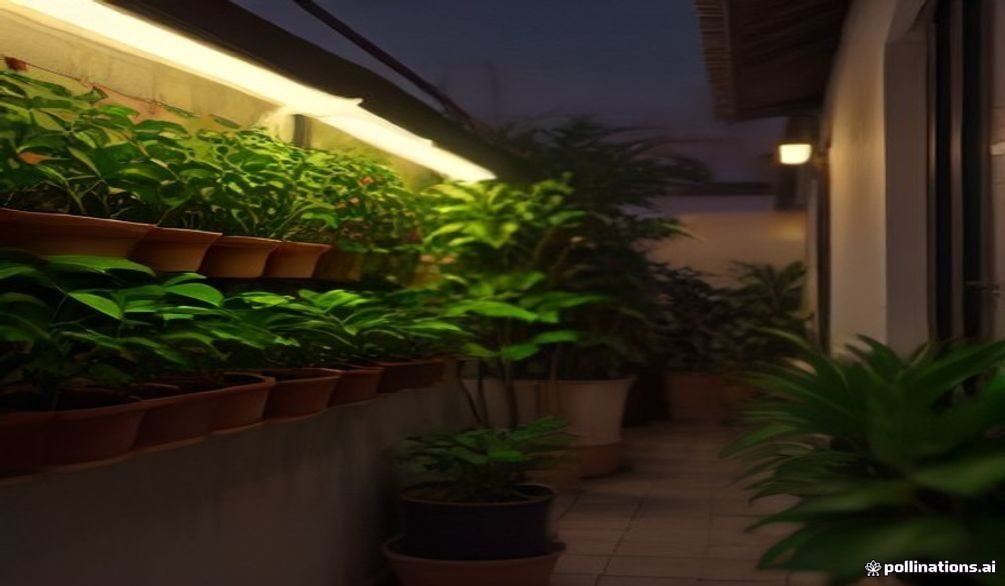
Most Delhi terrace gardeners know the frustration of seeing their bhindi plants wither in the intense pre-monsoon heat, or their pudina struggling in a small pot – it’s a common challenge. But with the right **fruit gardening tips for bigger yields**, you can transform your balcony or terrace into a thriving mini-orchard, even in India’s varied climates. This guide will help you understand how to maximize your harvest, ensuring your efforts lead to an abundant supply of fresh, homegrown fruit.
Quick Answer: Achieve bigger fruit yields by optimizing sunlight, soil health, consistent watering, proper pruning, and choosing appropriate, disease-resistant varieties suited to your climate and space, ensuring adequate pollination for fruit set.
What makes fruit trees produce more fruit?
Fruit trees produce more fruit when they receive optimal conditions for growth, including sufficient sunlight, healthy soil, consistent water, and proper care routines like pruning and pollination. A small planting that receives proper care will yield more good-quality fruit than a larger planting that is neglected, according to Cornell Guide to Growing Fruit at Home (Undated). It’s all about creating the right environment for the plant to thrive and focus its energy on fruit production.
Think about it: just like we need good food and rest, plants need specific things to perform their best. If a plant is stressed by poor soil or lack of water, it’ll prioritize survival over fruiting. This is especially true for fruit plants, trees, and shrubs, which need a lot of water, particularly when they’re establishing roots, as noted by The Home Depot (2026). So, if you’re looking for fruit gardening tips for bigger yields, remember that fundamental care is your starting point.
How can i increase my fruit yield?
You can significantly increase your fruit yield by focusing on key horticultural practices such as strategic pruning, ensuring adequate pollination, maintaining optimal soil nutrition, and selecting varieties well-suited to your local climate. Over 43% of Americans are now growing some kind of food at home, an increase from about 35% in earlier years, according to Axiom (2026), showing a growing interest in maximizing home harvests. Maximizing fruit harvest isn’t just about planting; it’s about smart, consistent care.
Here’s what I’ve learned in my 10 years of growing fruit on balconies across India: consistency is king. You might have heard that just adding fertilizer will solve everything. In practice, while nutrients are crucial, inconsistent watering or poor light can negate any amount of fertilizer. For example, I once saw a gardener in Pune add generous amounts of vermicompost to a young lemon plant but forget to water it regularly during a dry spell. The plant flowered beautifully but dropped all its tiny fruits because it was too stressed. Consistent watering, especially for plants like dwarf mangoes or guava in containers, is often more impactful than a one-time nutrient boost. These are valuable fruit gardening tips for bigger yields.
Optimizing soil health for fruit gardening success
Optimizing soil health is fundamental for fruit gardening success because it provides the essential nutrients, aeration, and water retention that fruit plants need to thrive. Using cover crops like oats in winter or buckwheat in summer can significantly improve soil for fruit planting, enhancing its structure and fertility (Undated). Healthy soil is the bedrock of strong fruit plants and abundant harvests.
For most Indian urban gardeners, especially those in Bangalore with its mild climate, using a good quality potting mix is crucial. I recommend a blend of garden soil, coco peat, and well-rotted compost or vermicompost in a 1:1:1 ratio. This mix ensures good drainage while retaining enough moisture for thirsty fruit plants. When I started out, I mixed vermicompost directly into a seed-starting tray at a 30% ratio. It burned every seedling within five days because the nutrients were too concentrated for young roots. Vermicompost should be used for established plants only, not for germination, which is a key lesson for anyone looking for fruit gardening tips for bigger yields.
Here are some quick soil health tips for fruit plants:
* Test your soil: Understand its pH and nutrient levels. Many local nurseries in India offer basic soil testing kits.
* Amend regularly: Incorporate organic matter like compost or well-rotted cow dung manure every 3-6 months.
* Consider mulching: A layer of straw, wood chips, or even dried leaves helps retain soil moisture, regulate temperature, and suppress weeds.
| Soil Amendment | Benefit for Fruit Plants | Application Frequency |
|---|---|---|
| Compost/Vermicompost | Adds broad-spectrum nutrients, improves soil structure | Every 3-6 months |
| Neem Cake | Provides slow-release nitrogen, acts as a pest deterrent | Every 4-6 months |
| Bone Meal | Boosts phosphorus for flowering and fruiting | Annually (pre-fruiting) |
The secret to a good harvest: watering and pollination
The secret to a good harvest lies in consistent, appropriate watering and ensuring effective pollination, as both are non-negotiable for fruit development. Fruit plants, trees, and shrubs need a lot of water, especially when they’re establishing roots, according to The Home Depot (2026). Without adequate water, fruits won’t swell, and without pollination, they won’t even form.
Pollination is also essential for fruit trees, and some varieties need more than one tree to produce fruit, as highlighted by The Home Depot (2026). For small balcony setups in Mumbai’s humidity, selecting self-fertile varieties like certain types of guava (e.g., Allahabad Safeda) or dwarf papayas can eliminate the headache of needing multiple plants for cross-pollination. If you’re growing single plants that aren’t self-fertile, you might need to try hand-pollination using a small brush to transfer pollen between flowers. It sounds simple, but it’s not always easy, especially with tiny flowers. Consistent watering, perhaps through a drip irrigation system, is another one of those fruit gardening tips for bigger yields that truly makes a difference, ensuring your plants get moisture right where they need it.
Best tips for fruit trees: pruning and pest control
The best tips for fruit trees involve strategic pruning to encourage better air circulation and fruit production, coupled with proactive pest control to protect your harvest. Proper pruning ensures that the plant directs its energy towards developing strong, fruit-bearing branches rather than excessive foliage.
Pruning can feel daunting, but it’s one of the most effective fruit gardening tips for bigger yields. The first cut is often the hardest, not because of technique, but because most gardeners are afraid to remove a branch that looks healthy. But trust me, removing dead, diseased, or crossing branches opens up the canopy, allowing sunlight to reach all parts of the plant and improving air circulation, which helps prevent fungal issues common in monsoon season. For thicker branches, a good quality pruning saw, like those from Silky, is invaluable. For general tasks, I rely on my Felco pruners; they’re durable and keep their sharp blades, making clean cuts that heal quickly. This is crucial for preventing disease entry.
When it comes to pest control, prevention is always better than cure. In my experience, regular inspection is key. Turn over leaves, check stems, and look for any signs of trouble. For common Indian pests like aphids or mealybugs, a simple neem oil spray (available at local nurseries for ₹80–150) can be very effective. For serious infestations, INFACO USA offers electric pruning shears (F3020) and tying machines (AT1000) that demonstrate the level of precision and care modern orchard management uses, which we can adapt for our home gardens.
Choosing the right fruit varieties for your garden
Choosing the right fruit varieties for your garden is crucial for bigger yields, as it ensures the plants are well-suited to your local climate, available space, and specific growing conditions. Everyone tells beginners to start with easy plants — but easy is relative to your specific balcony conditions. A north-facing balcony in Bangalore and a south-facing terrace in Delhi need completely different starter plants. Location matters more than difficulty rating.
For instance, a dwarf Cavendish banana might thrive in the humid climate of Chennai, but struggle in the dry heat of Delhi without constant care. Similarly, while dwarf apple trees can be grown in cooler regions, they’re not a practical choice for most of India’s plains. Instead, consider indigenous fruits that are known to do well. Strawberries make excellent edible ground covers, and varieties like blueberries, raspberries, or blackberries can be used for borders and edges. For pots, I’ve had great success with dwarf citrus varieties like Kagzi Lime (lemon) and certain types of guava, which are fantastic fruit gardening tips for bigger yields.
Essential tools and techniques for maximizing fruit yields
Essential tools and techniques are vital for maximizing fruit yields, enabling precise care and efficient management of your fruit plants. Having the right equipment, from sharp pruners to effective watering systems, makes all the difference in achieving an abundant fruit harvest.
Beyond the basic trowel and watering can, consider investing in a few specialized items. A good pair of bypass pruners, like those from Felco, are indispensable for clean cuts that help your plants heal faster and reduce disease risk. For container gardening, sturdy pots are non-negotiable. I once planted a bougainvillea in a 6-inch pot thinking I would repot later; it became root-bound in 6 weeks, started dropping leaves, and took 4 months to recover after I moved it to a 12-inch container. Bougainvillea needs at least a 12-inch pot from day one or it stalls, a lesson I learned the hard way. This highlights the importance of matching pot size to plant needs for optimal growth and fruit production.
Here’s a quick list of tools and techniques I find essential for fruit gardening tips for bigger yields:
* Quality Pruners: As mentioned, Felco pruners are excellent for maintaining plant health and shaping for better fruiting.
* Drip Irrigation System: Especially useful for consistent watering, preventing both over and under-watering, common issues in terrace gardens. This helps save water, too.
* Fertilizer Spreader: For even distribution of granular organic fertilizers.
* Support Structures: Trellises or stakes for vining fruits like passion fruit or even to support heavy branches of dwarf fruit trees.

Frequently asked questions
What makes fruit trees produce more fruit?
Fruit trees produce more fruit when they receive optimal sunlight, well-draining, nutrient-rich soil, consistent watering, and proper pruning. A small, well-cared-for planting will yield more good-quality fruit than a larger, neglected one, according to Cornell Guide to Growing Fruit at Home (Undated). Adequate pollination is also critical for fruit set.
How can i increase my fruit yield?
You can increase your fruit yield by ensuring proper nutrition, consistent watering, timely pruning, and protecting plants from pests and diseases. Over 43% of Americans are now growing some kind of food at home, according to Axiom (2026), indicating a general trend towards maximizing home harvests. Selecting appropriate, climate-adapted varieties also plays a significant role.
What is the secret to a good harvest?
The secret to a good harvest lies in consistent care, including providing ample sunlight, maintaining healthy soil, and ensuring regular watering and effective pollination. Fruit plants need a lot of water, especially when establishing roots, according to The Home Depot (2026), making consistent moisture a key factor. This holistic approach ensures the plant can dedicate energy to fruit production.
What are the best tips for fruit trees?
The best tips for fruit trees include regular pruning to remove dead or diseased wood and encourage new growth, consistent watering, and feeding with balanced organic fertilizers. Pollination is essential for fruit trees, and some varieties need more than one tree to produce fruit, as noted by The Home Depot (2026). Proactive pest and disease management is also crucial.
How can i get more fruit from my plants?
To get more fruit from your plants, focus on providing at least 6-8 hours of direct sunlight daily, enriching your soil with compost, and maintaining a consistent watering schedule. Proper pruning techniques, like thinning out excess fruit, can also encourage larger, higher-quality yields, which are excellent fruit gardening tips for bigger yields.
Achieving an abundant harvest from your home garden, even in urban Indian settings, is entirely possible with these focused fruit gardening tips for bigger yields. By paying attention to soil health, mastering watering and pruning, selecting the right varieties, and utilizing appropriate tools, you’re setting your plants up for success. Don’t let common challenges deter you; instead, apply these practical strategies, and you’ll soon be enjoying fresh, homegrown fruit. Start small, observe your plants, and adapt these fruit gardening tips for bigger yields to your unique balcony or terrace environment for a truly rewarding experience.