
Key Takeaways
- The global vertical farming market was valued at USD 5.74 billion in 2023, according to market data (2023).
- Vertical gardens can increase available growing area, leading to heartier harvests and easier maintenance, according to gardening experts (2023).
- Growing plants vertically can help reduce insect or disease issues by improving airflow, according to CSU Horticulture Agent Cassey Anderson.
- The Garden Tower 2™ allows you to grow 50 plants in just 4 sq. ft., maximizing urban garden space.
- Vertical gardening improves air circulation, which can reduce humidity and prevent disease development, as noted by Cassey Anderson.
Most Mumbai balcony gardeners lose their pudina plants every May — not from pests, but from the scorching 40°C+ pre-monsoon heat that wilts everything. It’s a common struggle, especially when space is tight. But what if you could beat the heat, save space, and ensure your plants thrive? That’s exactly what vertical gardening healthier plants aims to do, offering a smart solution for urban Indian homes. In this guide, you’ll learn the simple steps to set up your own vertical garden and discover how this method fosters truly robust, productive plants.
Quick Answer: Vertical gardening promotes healthier plants by maximizing space, improving air circulation to reduce disease, simplifying pest detection, and often providing better sun exposure due to elevated growth, leading to more robust and productive plants.
What is vertical gardening and why choose it?
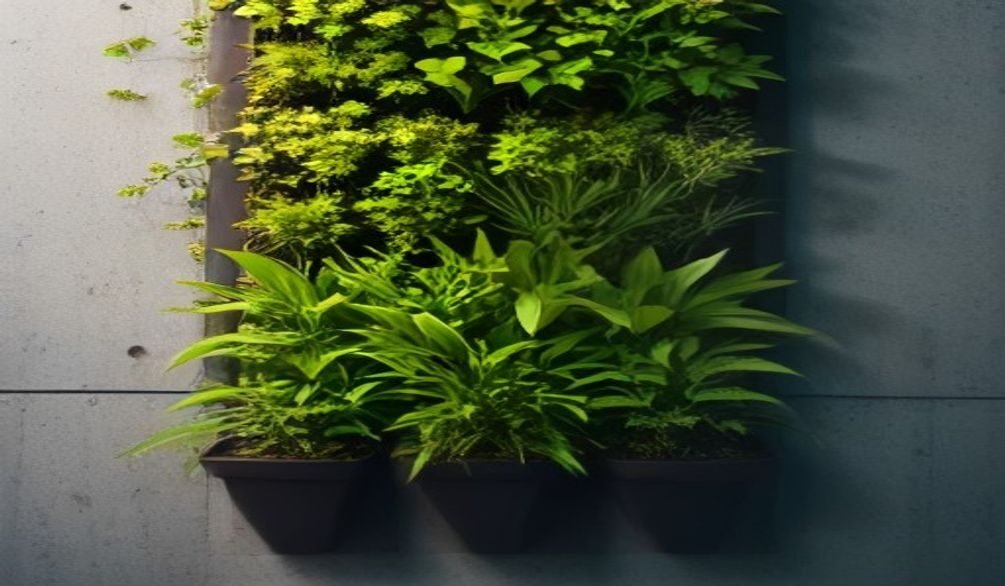
Vertical gardening involves growing plants upwards rather than outwards, often using structures like shelves, stacked planters, or wall-mounted pockets to maximize limited space. This innovative approach is a great way to take advantage of empty vertical space such as walls or fences, according to Oklahoma State University Cooperative Extension consumer horticulturist David Hillock. It’s especially popular in cities like Bangalore or Pune where balcony and terrace space is precious.
You might be thinking, “Why bother with this fancy setup when I can just use pots?” Well, for starters, it’s a huge space saver. Landscape designer Jenn Nawada emphasizes that “when you’re working with a small space, using vertical elements will allow you to maximize the use of that space.” But beyond just space, vertical gardening healthier plants is a real game-changer for plant vitality. It helps with air circulation, reduces pest problems, and generally makes for a more efficient growing system.
What are the 5 basic steps for setting up a vertical garden?
Setting up a vertical garden for healthier plants doesn’t have to be complicated; it essentially boils down to five key steps that I’ve refined over my 10 years of balcony gardening. These steps will guide you from planning to enjoying your thriving vertical oasis.
Step 1: choose your vertical garden system
The first decision is picking the right system for your space and needs. Think about how much sun your balcony gets and what you want to grow. You’ve got options like simple hanging pots, repurposed pallet gardens, or more advanced modular systems. For instance, a hanging system from your local nursery, costing around ₹500-₹1500, can be perfect for herbs on a small Mumbai balcony. Or, if you’re serious about growing a lot, a Garden Tower 2™ system can grow 50 plants in just 4 sq. ft., offering an integrated composting system that boosts soil health.
Step 2: select the right plants
Choosing the right plants is absolutely crucial for vertical gardening healthier plants. You might have heard that beginners should start with “easy” plants. In practice, “easy” is relative to your specific balcony conditions. A north-facing balcony in Bangalore and a south-facing terrace in Delhi need completely different starter plants. Location matters more than a generic difficulty rating. For example, leafy greens like spinach or pudina, and smaller vegetables like cherry tomatoes (Pusa Ruby is a great variety) or bhindi, thrive in vertical setups. I once planted a bougainvillea in a 6-inch pot thinking I would repot later; it became root-bound in 6 weeks, started dropping leaves, and took 4 months to recover after I moved it to a 12-inch container. Bougainvillea needs at least a 12-inch pot from day one or it stalls. This taught me the importance of matching plant size to container size, especially in vertical gardens.
Step 3: prepare your growing medium
Your soil mix is the foundation for vertical gardening healthier plants. Since vertical gardens can dry out faster and need good drainage but also moisture retention, a high-quality, lightweight potting mix is essential. I usually mix cocopeat (like Cocogreen brand), vermicompost, and perlite in a 2:1:1 ratio. This combination gives you excellent drainage while holding onto enough moisture. For a quick start, you can find pre-made potting mixes at Ugaoo or Nurserylive, typically priced around ₹150-₹300 for a 5kg bag.
Step 4: install and plant your garden
Once you have your system and soil, it’s time to install and plant. Secure your vertical structure firmly to a wall or fence, or place freestanding units on a stable surface. Fill your chosen containers or pockets with your prepared growing medium. Then, carefully transplant your seedlings or sow seeds, making sure not to overcrowd them. Give each plant enough room to grow and breathe; remember, good air circulation is a key benefit of vertical gardening healthier plants.
Step 5: water and fertilize properly
Watering in vertical gardens can be tricky because gravity pulls water down quickly. You’ll often need to water more frequently than in traditional beds. I recommend checking the soil moisture daily, especially during Indian summer heat. For example, water every 2 days in summer, but only once in 5 days during the monsoon. As for fertilizing, a balanced liquid fertilizer every 2-3 weeks works wonders. I tried liquid seaweed fertilizer on my hibiscus expecting faster flowering — got 3 new leaves and no flowers for 8 weeks. The seaweed was pushing vegetative growth because the plant was already in a nitrogen-rich soil. Lesson learned: understand what your plant needs before adding any fertilizer. For vertical gardening healthier plants, a consistent, tailored feeding schedule is best.
What are the best plants for a vertical garden?
The best plants for a vertical garden are generally those with compact growth habits, shallow root systems, or vining tendencies that can be trained upwards. Focusing on these types of plants ensures you’re truly promoting vertical gardening healthier plants. Here’s a quick breakdown:
- Leafy Greens: Lettuce, spinach, kale, and Swiss chard are fantastic. They grow quickly and don’t need deep roots.
- Herbs: Pudina, dhania (coriander), tulsi, basil, and oregano thrive in vertical pockets. They love the improved airflow.
- Strawberries: These are ideal for cascading over the edges of vertical planters, and harvesting is super easy.
- Cherry Tomatoes & Dwarf Bhindi: Compact varieties can do very well, especially in systems like the Garden Tower 2™ which offers ample space for their roots.
- Flowers: Petunias, marigolds, and nasturtiums add beauty and can even deter pests, making for vertical gardening healthier plants.
For Indian conditions, consider plants that tolerate local temperatures and humidity. During the monsoon, I always ensure my leafy greens have excellent drainage to prevent fungal issues, a common problem in humid climates like Mumbai.
How does vertical gardening lead to healthier plants?
Vertical gardening leads to healthier plants primarily by addressing several common horticultural challenges inherent in traditional ground-level gardening. It’s not just about saving space; it’s about creating a superior growing environment. Growing plants vertically can help reduce insect or disease issues by improving airflow and making early detection easier, according to CSU Horticulture Agent Cassey Anderson. This improved air circulation is especially vital in humid Indian climates, where fungal diseases can quickly take over.
Here’s how vertical gardening promotes healthier plants:
- Improved Air Circulation: Plants growing off the ground get better airflow all around them. This reduces humidity around the foliage, which is a major factor in preventing fungal diseases like powdery mildew, especially during the monsoon season.
- Reduced Pest Pressure: Elevating plants makes it harder for ground-dwelling pests to reach them. It also makes it easier for you to spot and deal with pests early, before they become a major infestation. Cassey Anderson notes that getting plants off the ground makes “scouting for starting populations easier.”
- Better Sun Exposure: In crowded urban spaces, vertical setups can often position plants to catch more direct sunlight throughout the day, which is crucial for photosynthesis and overall plant vigor. This means more energy for growth and fruiting.
- Optimized Drainage: Many vertical systems are designed with excellent drainage in mind, preventing waterlogging that can lead to root rot. For instance, the multi-tiered design of systems like Verti-Gro ensures excess water moves efficiently, preventing soggy roots.
- Ergonomic Maintenance: Plants at eye level or waist height are easier to inspect, prune, and harvest. This encourages more frequent interaction, allowing you to catch problems like nutrient deficiencies or early pest signs much faster, contributing to vertical gardening healthier plants.
What are the disadvantages of vertical gardening?
While vertical gardening healthier plants offers many benefits, it’s not without its drawbacks. Understanding these challenges can help you plan better and avoid common pitfalls.
One major disadvantage is that vertical gardens tend to dry out faster than traditional garden beds, requiring more frequent watering. This is due to increased air exposure and often smaller soil volumes in individual pockets or containers. You’ll need to be diligent with your watering schedule, especially during the peak Indian summer heat, or consider an automated drip irrigation system, which adds to the initial cost.
Another point to consider is the initial setup cost. While DIY options like pallet gardens can be budget-friendly, commercial systems like the Garden Tower 2™ or Verti-Gro can be a significant investment, ranging from ₹10,000 to ₹30,000 or more, depending on the size and features. Also, some vertical structures, especially heavier ones, need secure installation, which might require tools or skills you don’t possess. Maintenance can also be tricky; reaching plants at the very top or bottom of a tall structure might require a step stool or bending awkwardly. And honestly, while it saves horizontal space, a large vertical garden can still feel visually imposing in a small balcony space if not designed well.
Vertical gardening examples: diy & commercial systems
There’s a wide range of vertical gardening options available, from simple DIY projects you can tackle over a weekend to sophisticated commercial systems designed for maximum yield and ease of use. Both can lead to vertical gardening healthier plants if implemented correctly.
Here are some popular examples:
| Type of System | Description | Best For | Cost Estimate (₹) |
|---|---|---|---|
| Hanging Pots/Recycled Containers | Lightweight pots or repurposed plastic bottles hung from walls or fences. | Herbs (pudina, tulsi), lettuce, strawberries. Small spaces. | ₹200 – ₹1,000 (DIY) |
| Pallet Gardens | Wooden pallets lined with fabric and filled with soil, leaning against a wall. | Herbs, succulents, shallow-rooted greens. Rustic aesthetic. | ₹0 – ₹500 (repurposed pallet) |
| Gutter Gardens | Old rain gutters mounted on a frame, creating horizontal tiers. | Leafy greens, strawberries, small flowers. | ₹1,000 – ₹3,000 (DIY materials) |
| Garden Tower 2™ | An award-winning vertical garden planter with a built-in composting system, growing 50 plants in 4 sq. ft. | Vegetables, herbs, flowers. Efficient composting. | ₹15,000 – ₹25,000 |
| Verti-Gro Systems | Self-watering vertical hydroponic or soil-based towers, emphasizing high production. | Commercial scale, serious home growers. Reduced water/fertilizer. | ₹20,000 – ₹50,000+ |
| Varden™ Plantable Retaining Wall Blocks | Modular blocks that create living walls, transforming landscapes. | Larger, permanent installations. Edible landscaping. | Varies by project size |
For DIY options, you can find materials like eco-fabric liners and mounting hardware at local hardware stores or even from a sabziwala who might have spare wooden crates. The key is to ensure your chosen system provides good drainage and stability, which is essential for vertical gardening healthier plants.
Tips for maintaining a healthy vertical garden
Maintaining a vertical garden for healthier plants requires a bit of consistent attention, but it’s totally manageable once you get into a rhythm. It’s not just about setting it up and forgetting it; regular care makes all the difference.
First off, consistent watering is paramount. Because vertical gardens often have smaller soil volumes, they dry out faster. I recommend checking the soil moisture daily by sticking your finger about an inch deep. If it feels dry, it’s time to water. Consider a drip irrigation system for larger setups; these can be surprisingly affordable, with basic kits starting around ₹1,500-₹3,000 online on Ugaoo. This helps deliver water directly to the roots, preventing waste and ensuring all plants get what they need for vertical gardening healthier plants.
Next, nutrient replenishment is key. Plants in containers deplete soil nutrients faster than those in the ground. I usually feed my vertical garden plants with a balanced liquid organic fertilizer (like a diluted fish emulsion or seaweed extract) every two to three weeks. Remember my hibiscus experience? Always understand your plant’s needs. Pruning is also super important for air circulation and growth. Regularly snip off any yellowing leaves, spent flowers, or overcrowded branches. This isn’t just for aesthetics; it directs the plant’s energy to new growth and helps prevent disease spread, supporting vertical gardening healthier plants.
Finally, pest and disease scouting should be a regular part of your routine. The beauty of vertical gardens is that plants are often at eye level, making it easier to spot issues early. Look for discolored leaves, tiny bugs, or unusual spots. A quick spray of neem oil solution can often take care of common pests like aphids or mealybugs without harsh chemicals. Early detection and intervention are your best friends in keeping your vertical garden healthy and thriving.
Frequently asked questions
What are the 5 basic steps of gardening?
The 5 basic steps of gardening involve planning, preparing the soil, planting, watering and fertilizing, and ongoing maintenance. For vertical gardening, these steps are adapted to maximize space and plant health, often starting with choosing a specific vertical system. Vertical gardening can increase available growing area, leading to heartier harvests, according to gardening experts (2023).
What are the disadvantages of vertical gardening?
The main disadvantages of vertical gardening include faster soil dry-out, potentially higher initial setup costs, and the need for secure installation. Despite these, the benefits of vertical gardening healthier plants often outweigh the drawbacks for urban gardeners, as it significantly saves space.
What are the best plants for a vertical garden?
The best plants for a vertical garden are compact varieties like leafy greens (lettuce, spinach), herbs (pudina, tulsi), strawberries, and smaller vegetables such as cherry tomatoes. These plants thrive in the improved air circulation and easier access that vertical setups provide, contributing to vertical gardening healthier plants.
How do you set up a vertical garden?
You set up a vertical garden by first choosing a system (e.g., hanging pots, pallet garden), selecting appropriate plants, preparing a lightweight, well-draining growing medium, installing the structure, and then planting your chosen species. The global vertical farming market size was valued at USD 5.74 billion in 2023, showcasing the growing adoption of such systems (2023). Proper setup is crucial for vertical gardening healthier plants.
How does vertical gardening lead to healthier plants?
Vertical gardening leads to healthier plants by improving air circulation, reducing pest and disease pressure due to elevated growth, optimizing sun exposure, and preventing waterlogging through better drainage. CSU Horticulture Agent Cassey Anderson notes that growing up helps reduce insect or disease issues by increasing airflow and making scouting easier.
Setting up a vertical garden might seem like a big step, but it’s genuinely one of the most rewarding ways to garden in an urban Indian home. By following these five simple steps, you’re not just saving space; you’re actively cultivating an environment that promotes vertical gardening healthier plants. From the choice of system to consistent watering and smart fertilization, every action contributes to a thriving, productive green space. So, go ahead, transform that empty wall or balcony corner into a vibrant, healthy garden and enjoy the bounty it brings!







