Key Takeaways
- Indoor air can be 2 to 5 times more polluted than outdoor air, according to the U.S. Environmental Protection Agency (2023).
- The NASA Clean Air Study (1989) identified specific plants like the Spider Plant that filter harmful toxins such as formaldehyde and benzene.
- You might need 10 to 1,000 plants per square meter to match a window’s air-cleaning rate, according to a 2019 meta-analysis by Dr. Michael Waring.
- Plants with dense or hairy leaves, like *Cotoneaster franchetii*, are particularly effective at trapping pollution particles, as highlighted by the Royal Horticultural Society (RHS).
- The global indoor plant market was valued at approximately $20–21 billion in 2025, according to market research (2025).
Living in a bustling city like Mumbai or Delhi, you know the struggle of wanting fresh air, especially on your balcony. That’s why choosing the right balcony plants for air quality isn’t just a trend; it’s a practical step to make your urban oasis healthier. We’ll explore the best green companions that not only beautify your space but also actively work to filter out common pollutants.
Quick Answer: The 5 best plants for balcony gardening to improve air quality are Spider Plant, Snake Plant, Peace Lily, Boston Fern, and Pothos, all known for filtering common airborne toxins and enhancing oxygen levels.
What are the best plants to put on a balcony for air quality?
The best balcony plants for air quality are those that are robust, adaptable to container life, and scientifically proven to remove airborne toxins. The global indoor plant market was valued at approximately $20–21 billion in 2025, showing just how popular these green companions have become, according to market research (2025).
When you’re choosing plants for your balcony, you need options that can handle a bit of sun, wind, and the occasional dry spell that comes with urban living. Here are some top picks that I’ve found work really well in Indian conditions:
- Spider Plant (Chlorophytum comosum): This one is a champion for removing formaldehyde and xylene. It’s super low maintenance and produces little plantlets that you can easily propagate. You’ll often find them at local nurseries for around ₹50–100.
- Snake Plant (Sansevieria trifasciata): Talk about tough! Snake plants thrive on neglect and are fantastic for filtering benzene, formaldehyde, trichloroethylene, and xylene. Plus, they release oxygen at night, which is a big bonus for your bedroom balcony.
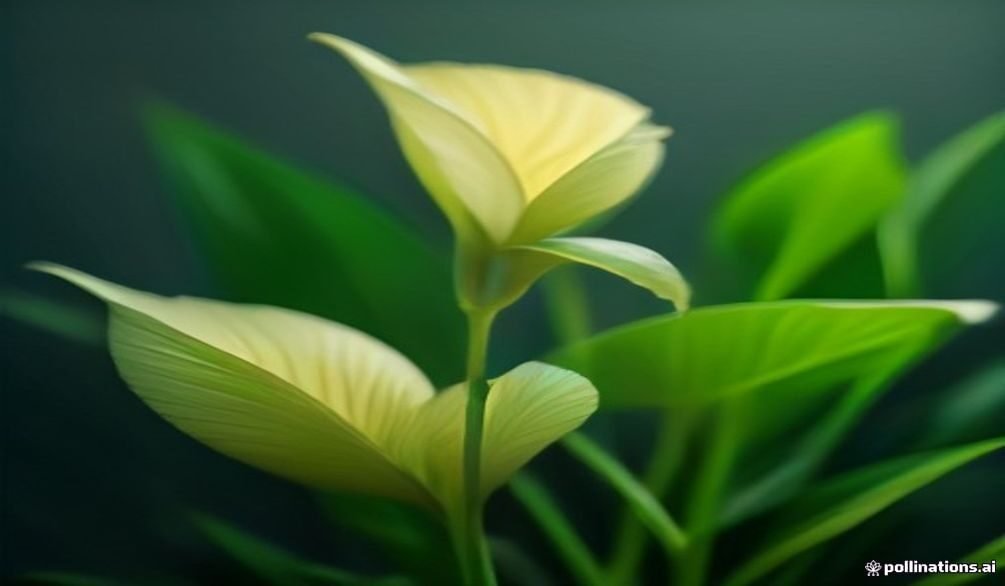
- Peace Lily (Spathiphyllum): These elegant plants tackle ammonia, benzene, formaldehyde, and trichloroethylene. They love a bit of shade, so they’re perfect for those north-facing balconies or spots that don’t get harsh afternoon sun.
- Boston Fern (Nephrolepis exaltata): Great for removing formaldehyde and xylene, Boston ferns also add a lush, tropical feel. They do need consistent moisture and humidity, which can be a challenge in dry Indian summers, but they’re worth the effort.
- Pothos (Epipremnum aureum): Also known as Money Plant, Pothos is incredibly forgiving and effective against formaldehyde, benzene, and carbon monoxide. It’s a vining plant, so it’s perfect for hanging baskets or letting it trail down from shelves.
These plants are not just pretty faces; they’re hard workers. I’ve personally seen how a few well-placed Pothos plants can make a corner feel much fresher, even in the dusty pre-monsoon heat of Pune.
How do balcony plants improve air quality?
Balcony plants improve air quality primarily through a process called phytoremediation, where they absorb pollutants through their leaves and roots. The NASA Clean Air Study (1989) famously demonstrated that common houseplants can remove volatile organic compounds (VOCs) from sealed environments.
It’s not just the leaves doing the work. The microorganisms living in the potting soil play a crucial role too. They break down airborne toxins that the roots absorb, essentially converting harmful chemicals into less harmful substances or plant nutrients. This symbiotic relationship between the plant and its soil ecosystem is what makes them so effective. So, when you’re thinking about your balcony plants for air quality, remember that healthy soil is just as important as the plant itself.
Plants also release oxygen through photosynthesis, which directly contributes to fresher air. They increase humidity, which can help settle dust and other particulate matter. Think about how much better you feel surrounded by greenery – it’s not just psychological!
Do outdoor plants help air quality in urban environments?
Yes, outdoor plants, including those on balconies, absolutely help improve air quality in urban environments, though their impact can vary. Indoor air can be 2 to 5 times more polluted than outdoor air, according to the U.S. Environmental Protection Agency (2023), making any effort to improve surrounding air quality valuable.
While a single balcony plant won’t magically purify an entire city’s air, a collection of them can make a noticeable difference in the immediate vicinity of your home. The Royal Horticultural Society (RHS) highlights that plants with dense foliage and hairy leaves, such as Cotoneaster franchetii, are particularly good at trapping pollution particles, recommending hedges at least 1.5m high for maximum effect. For balcony gardeners, this means choosing plants with lots of leaf surface area.
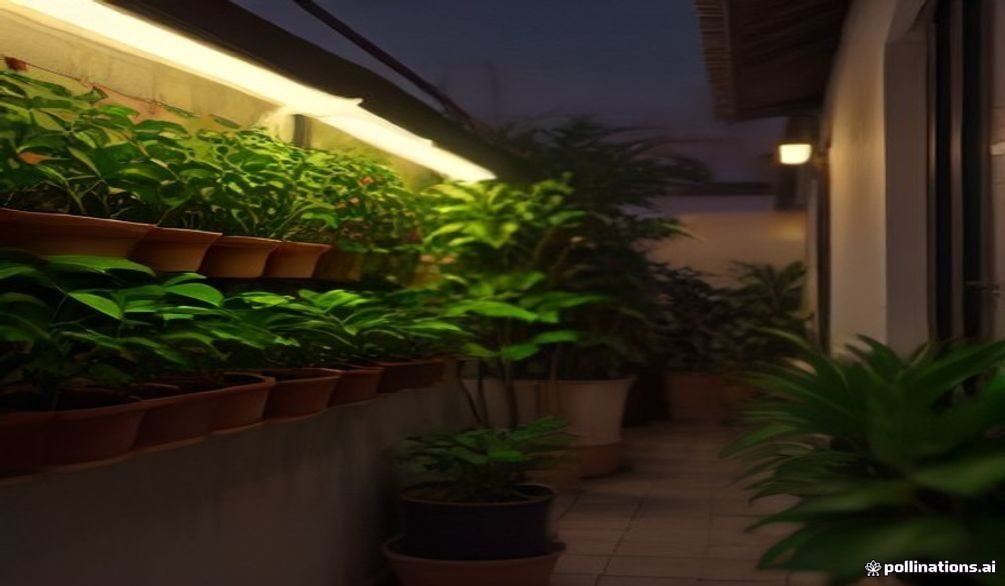
In my 10 years of experience, a dense vertical garden on a balcony, especially with plants like Pothos and Spider Plants, can noticeably reduce dust accumulation on nearby windows. It’s not just about what they absorb; it’s also about how they physically block and filter particles from reaching your living space. Consider pairing your balcony plants for air quality with other greenery to create a layered defense against urban pollution.
Which plants remove toxins from the air effectively?
Several plants stand out for their exceptional ability to remove specific toxins from the air, making them excellent choices for your balcony plants for air quality project. The NASA Clean Air Study (1989) identified many of these plants as powerful natural filters.
Here’s a breakdown of some top performers and the common VOCs they target:
| Plant Name | Key Toxins Removed | Balcony Suitability |
|---|---|---|
| Spider Plant | Formaldehyde, Xylene, Carbon Monoxide | High; tolerates various light, low maintenance |
| Snake Plant | Benzene, Formaldehyde, Trichloroethylene, Xylene | High; very hardy, drought-tolerant, good for beginners |
| Peace Lily | Ammonia, Benzene, Formaldehyde, Trichloroethylene | Medium; prefers shade, needs consistent moisture |
| Pothos (Money Plant) | Formaldehyde, Benzene, Carbon Monoxide | High; extremely adaptable, great for hanging |
| Boston Fern | Formaldehyde, Xylene | Medium; needs humidity, consistent watering |
| Chrysanthemum (Guldaudi) | Benzene, Formaldehyde, Trichloroethylene, Xylene, Ammonia | Medium; seasonal bloomer, needs bright light |
| Gerbera Daisy | Benzene, Trichloroethylene | Medium; needs bright light, consistent watering |
It’s interesting how specific plants target different chemicals. For instance, if your balcony is near a busy road, you might want plants that excel at removing benzene and formaldehyde, both common in vehicle exhaust. My own experience with growing Chrysanthemums (Guldaudi) for their flowers on my terrace in Bangalore showed me they also seemed to make the air feel crisper, especially during their blooming season.
How many plants do you need to purify air on a balcony?
The exact number of plants needed to significantly purify air on a balcony is a complex question, as research suggests a much higher density than typically imagined for residential spaces. A 2019 meta-analysis led by Dr. Michael Waring, an environmental engineer at Drexel University, calculated that “you would need somewhere between 10 and 1,000 plants per square meter of floor space to match the air-cleaning rate of simply opening a window or running a basic mechanical ventilation system.”
Honestly, that number can sound a bit daunting, right? For most balcony gardeners, aiming for that many plants isn’t practical or even necessary for a noticeable improvement in your immediate personal space. The truth is, even a few well-chosen balcony plants for air quality can contribute to a healthier microclimate around your sitting area or open windows.
Instead of focusing on a precise number, think about maximizing foliage density. Use vertical gardening techniques, hanging baskets, and tiered plant stands to fit more plants into your available space. A good rule of thumb for a small balcony (say, 4×6 feet) might be 5-7 medium-sized plants, focusing on varieties with dense leaf structures. Even if they don’t scrub the air like an industrial filter, the psychological benefits and the reduction of some local pollutants are definitely worth it.
What are the best care tips for air-purifying balcony plants?
Proper care is crucial to ensure your balcony plants for air quality thrive and continue their pollutant-fighting work. You might have heard advice about watering on a fixed schedule, but in practice, that’s one of the worst habits an Indian balcony gardener can have. Soil dries at completely different rates in summer versus monsoon, morning versus afternoon sun, and terracotta versus plastic pots. Always check the soil with your finger, never follow a calendar.
Here are some essential tips I’ve picked up over years of balcony gardening:
- Choose the Right Containers: Terracotta pots allow for better air circulation to the roots and help prevent overwatering, which is a common problem in Mumbai’s humidity. Just remember they dry out faster in Delhi’s summer heat. Ensure all pots have drainage holes!
- Provide Adequate Light: Research your plant’s light needs. A Peace Lily will burn in direct afternoon sun, while a Guldaudi needs bright light to flower well. Rotate your plants occasionally to ensure even growth.
- Water Wisely: As I said, don’t follow a schedule. Stick your finger an inch or two into the soil. If it feels dry, it’s time to water. In the monsoon, you might water once every 5-7 days; in peak Indian summer heat (40°C+), it could be every day or even twice a day for some plants.
- Use Quality Potting Mix: A good well-draining potting mix is key. I usually mix garden soil, cocopeat (like Cocogreen brand), and vermicompost in a 2:1:1 ratio. Just be careful with vermicompost for seedlings; I once mixed it directly into a seed-starting tray at 30% ratio and burned every seedling within 5 days because the nutrients were too concentrated for young roots. Vermicompost should be used for established plants only, not for germination.
- Fertilize Sparingly: Most air-purifying plants don’t need heavy feeding. A balanced liquid fertilizer every 4-6 weeks during the growing season (spring and summer) is usually enough.
- Clean Leaves Regularly: Dust buildup on leaves can hinder photosynthesis and reduce the plant’s ability to absorb pollutants. Gently wipe leaves with a damp cloth or give them a quick shower.
- Protect from Extreme Weather: Balconies can be windy and get intense sun. Consider moving sensitive plants to a sheltered spot during heavy monsoons or scorching summer afternoons. You might also want to check out my tips on terrace gardening: 7 proven ways to beat heat effectively for more ideas.
Beyond plants: other ways to improve balcony air quality
While cultivating a collection of balcony plants for air quality is a fantastic start, integrating other practices can amplify your efforts for a truly fresh space. Plants are part of a bigger picture, and combining them with smart habits will give you the best results.
Here are some additional strategies for improving your balcony’s air quality:
- Natural Ventilation: Sometimes, the simplest solution is the best. Regularly opening windows and doors, especially during off-peak traffic hours, can significantly exchange stale indoor air with fresher outdoor air. Just be mindful of peak pollution times in your city.
- Minimize Indoor Pollutants: Many indoor activities contribute to air pollution that can drift onto your balcony. Reduce the use of aerosol sprays, strong cleaning chemicals, and synthetic air fresheners. Opt for natural alternatives.
- Maintain Cleanliness: Dust and dirt carry pollutants. Regularly sweep and mop your balcony floor and wipe down surfaces. This prevents settled particles from becoming airborne again.
- Consider a Small Outdoor Air Purifier: For extremely polluted urban areas, a compact outdoor-rated air purifier can supplement your plants’ efforts. While an investment, it offers an extra layer of filtration.
- Strategic Placement: Place your air-purifying plants near windows or doors that lead into your home. This helps filter the air before it enters your living spaces. Also, consider placing denser plants on the side of your balcony facing the most pollution source, like a busy road.
It’s about creating a holistic approach. Your plants are doing their part, but you can give them a helping hand by managing other sources of pollution and ensuring good air circulation. It’s like building a mini green lung right outside your home.
Frequently asked questions
What are the best outdoor air purifying plants?
The best outdoor air purifying plants include Spider Plant, Snake Plant, and Pothos, all highly effective against common airborne toxins like formaldehyde and benzene. These plants were identified in the NASA Clean Air Study (1989) for their ability to filter pollutants. They are also quite hardy and adaptable to various balcony conditions.
How many plants are needed to purify a room?
To significantly purify a room, studies suggest a high density of plants, potentially between 10 and 1,000 plants per square meter, according to a 2019 meta-analysis by Dr. Michael Waring. For practical home use, even a few plants contribute to a healthier environment by increasing oxygen and reducing some toxins. Aim for as many as you can comfortably care for.
Do plants really clean the air in a house?
Yes, plants do clean the air in a house by absorbing pollutants through their leaves and roots, as confirmed by the NASA Clean Air Study (1989). While their effectiveness in large, open residential spaces is debated by some experts like John Girman (former head of the EPA’s indoor air division), they certainly contribute to improved air quality, especially in smaller, enclosed areas.
Which plant gives oxygen 24 hours?
The Snake Plant (Sansevieria trifasciata) is renowned for releasing oxygen at night, unlike most plants that primarily do so during the day. This makes it an excellent choice for bedrooms and for maximizing the oxygen-boosting benefits of your balcony plants for air quality. It’s also incredibly low-maintenance.
Which plant removes the most toxins from the air?
According to the NASA Clean Air Study (1989), plants like the Peace Lily and Chrysanthemum are highly effective at removing a broad spectrum of toxins, including benzene, formaldehyde, and trichloroethylene. The Snake Plant is also a strong contender, tackling multiple VOCs with impressive resilience. Choosing a variety of these can give you comprehensive toxin removal.
Bringing balcony plants for air quality into your urban space is a simple yet powerful way to enhance your well-being. From the resilient Snake Plant to the elegant Peace Lily, these green allies actively work to clean the air you breathe, transforming your balcony into a fresher, more inviting oasis. So, go ahead, visit your local nursery or check online platforms like Ugaoo, pick a few of these natural air purifiers, and start cultivating a healthier home environment today!