Key Takeaways
- A record 64% of respondents plan to plant more and expand their gardens, according to Axiom (2026).
- The average return on food gardening investment was 757% in 2021.
- Vertical gardening can multiply growing area significantly, according to VegPlotter (2026).
- 55% of U.S. households (71.5 million) have a garden.
- Renters out-purchase homeowners in vegetable seed (43.5% vs. 36.6%), indicating strong small-space demand.
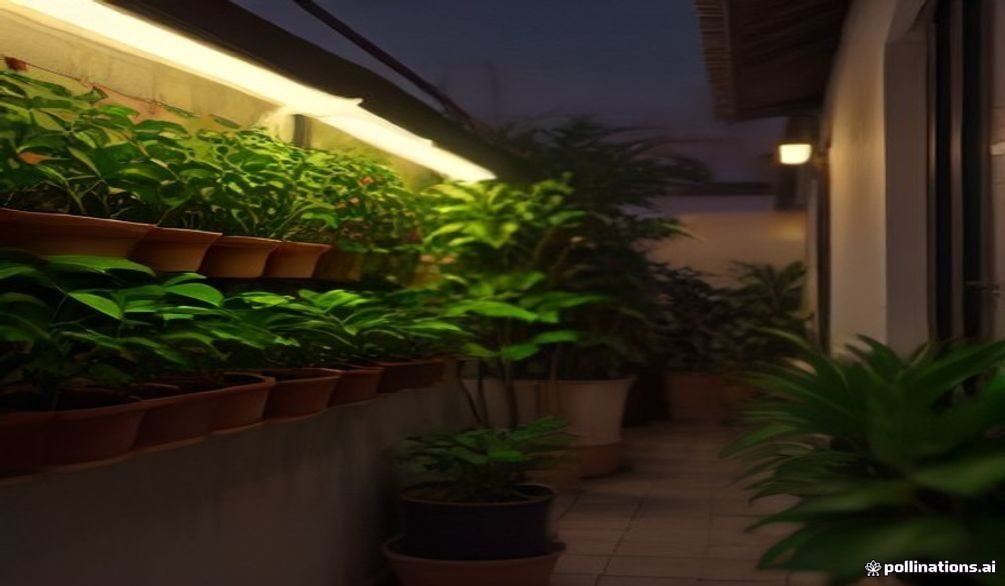
Most Mumbai balcony gardeners lose their dhania crop every May — not from pests, but from the scorching 40°C heat before the monsoon arrives. It’s a real struggle to maximize small vegetable garden space when climate and limited area are against you, but it’s absolutely doable. You’re not alone in finding this hard; many urban gardeners, like me, feel exactly this way. This guide will help you get the most out of your compact growing area, ensuring a bountiful harvest even with limited room.
Quick Answer: Maximize small vegetable garden space by growing vertically with trellises and cages, practicing succession planting, utilizing companion planting, choosing compact plant varieties, and implementing raised beds or containers for efficient growth.
What vegetables give the most yield in a small space?
High-yield vegetables for small spaces typically include leafy greens, bush beans, radishes, and compact tomato varieties because they offer continuous harvests or mature quickly. The average return on food gardening investment was 757% in 2021, showing how rewarding these efforts can be. When you’re trying to maximize small vegetable garden space, choosing the right plants is half the battle.
Here are some of my top picks that consistently perform well in Indian urban gardens:
- Pudina (Mint) & Dhania (Coriander): These herbs are fantastic for continuous harvesting. Just snip what you need, and they’ll regrow. I’ve found dhania does best in morning sun during pre-monsoon heat to avoid frying, unlike my May 2022 disaster where direct afternoon sun at 45°C killed my entire crop.
- Bush Beans: Unlike pole beans, bush varieties like ‘Provider’ don’t need tall trellises, though a small support helps. They produce a generous harvest in a concentrated period.
- Radishes: They mature incredibly fast, often in just 3-4 weeks. You can sow them, harvest, and sow again, making them perfect for quick turnarounds.
- Cherry Tomatoes: Varieties like ‘Tiny Tim’ or ‘Pusa Ruby’ are determinate (bushy) and do wonderfully in pots or hanging baskets. You’ll get a steady supply of small, delicious fruits.
- Bhindi (Okra): Dwarf varieties can be quite productive in large containers, giving you a steady supply through the warmer months.
These choices allow you to get a lot of edible produce without needing vast tracts of land.
How can you maximize space in a raised garden bed?
To maximize small vegetable garden space within a raised bed, focus on intensive planting, vertical supports, and smart soil management. Raised beds are highlighted as an effective use of space that can maximize production. They’re a game-changer for urban gardeners, especially in places like Bangalore where terrace gardens are popular.
Here’s how I approach it in my own garden:
- Square Foot Gardening: Instead of rows, plant in a grid pattern. This allows you to plant much closer together, as you’re focusing on the space each plant’s canopy needs, not just its root spread. For instance, you could fit 9 spinach plants in one square foot.
- Vertical Elements: Even in a raised bed, go vertical! Add a small trellis for cucumbers, gourds, or even a compact variety of bitter gourd. This frees up precious ground space for your bushier plants.
- Smart Soil Mix: This is crucial. You might have heard popular advice to use a 50% compost ratio in containers. In practice, especially in our humid Indian climate, a 50% compost ratio actually suffocates roots because it holds too much moisture. I’ve found that 20–30% compost is the sweet spot for most vegetables, combined with cocopeat and perlite for drainage.
- Edge Planting: Utilize the very edges of your raised bed for small, quick-growing crops like radishes or spring onions. They can thrive there without competing with larger plants in the center.
Remember, a well-planned garden layout is the foundation of a productive and efficient growing season, according to Shoal Creek Nursery (2026).
How do you get a good harvest from a small garden?
Getting a good harvest from a small garden means being strategic about every inch and every plant, focusing on consistent care and smart planting techniques. Renters who garden out-purchase homeowners in vegetable seed (43.5% vs. 36.6%), indicating a strong demand for small-space, container-driven gardening and the desire for substantial yields. When you want to maximize small vegetable garden space, it’s about working smarter, not harder.
My experience has taught me a few key lessons:
- Consistent Watering and Feeding: This is non-negotiable. Consistent and appropriate watering is the single most important factor for success in small space gardening, according to Ultimate Guide To Small Space Gardening For Beginners (2026). Small containers dry out faster, especially during Indian summer heat. I water my balcony plants every day in summer, sometimes twice, and once every 2-3 days in the monsoon, adjusting based on soil moisture.
- Succession Planting: Don’t let bare patches sit empty. As soon as one crop finishes, plant another. After harvesting lettuce, a warm-season crop like peppers can be planted in its place.
- Companion Planting: This isn’t just for aesthetics; it helps plants thrive by deterring pests or improving growth. The “Three Sisters” method (corn, beans, and squash planted together) allows for growing three vegetable varieties in the space that would traditionally house only one.
- Pruning for Production: For vining plants like tomatoes or gourds, judicious pruning can direct energy into fruit production rather than excessive foliage, which is vital to maximize small vegetable garden space.
- Good Quality Inputs: Don’t skimp on seeds or soil. I once tested cocopeat from three different brands in 2023. A local loose brand from the nursery had salt residue that burned my seedling roots. I had to wash it 4 times before it was safe! Branded cocopeat, though costing ₹80–120 more per block, saves a ruined batch.
What are the best vegetables to grow in a small garden?
The best vegetables for a small garden are those with compact growth habits, high yield-to-space ratios, or quick maturity times. With 55% of U.S. households (71.5 million) having a garden, the demand for efficient growing methods is clear. To truly maximize small vegetable garden space, you need to be selective.
Here’s a table of my go-to vegetables for compact spaces:
| Vegetable | Growth Habit | Yield Potential | Indian Variety Example |
|---|---|---|---|
| Pudina (Mint) | Sprawling, container-friendly | Continuous harvest | Local varieties, easy to root cuttings |
| Dhania (Coriander) | Bushy, quick-growing | Multiple cuts per plant | Local dhania seeds, Pusa Selection 1 |
| Radishes | Compact, fast | Quick succession planting | Pusa Chetki, Japanese White |
| Bush Beans | Bushy, self-supporting | High yield in short burst | Pusa Komal |
| Cherry Tomatoes | Determinate (bushy) | Continuous small fruits | Tiny Tim, Pusa Ruby |
| Spinach (Palak) | Leafy, compact | Cut-and-come-again | Pusa Jyoti |
| Bhindi (Okra) | Upright, dwarf varieties | Steady harvest | Pusa A-4 (dwarf types) |
These varieties help you grow vegetables in small spaces effectively.
Utilize vertical gardening for maximum yield
Vertical gardening is arguably the most effective strategy to maximize small vegetable garden space by extending your growing area upwards. “When you run out of floor space, the only way is up. Vertical gardening is the single most effective way to multiply your growing area,” according to VegPlotter (2026). It’s a lifesaver for my Mumbai balcony garden.
Think beyond just flat ground. Here’s how to incorporate vertical elements:
- Trellises and Cages: These are your best friends for vining plants. Trellises, cages, or arches allow plants like beans, cucumbers, and even melons to grow upward, freeing up valuable ground space. I use simple bamboo stakes tied together for my cucumbers, and they climb beautifully.
- Stackable Planters: Brands like GreenStalk Garden offer vertical planters that stack, giving you multiple planting pockets in a tiny footprint. You can find similar stackable pots at most local nurseries for ₹300-₹500.
- Hanging Baskets: Excellent for strawberries, cherry tomatoes like ‘Tumbler’, or trailing herbs like pudina. Just make sure they get enough sun and are watered frequently, as they dry out fast.
- Wall-Mounted Pockets: Fabric grow bags with multiple pockets can be hung on a sunny wall, perfect for leafy greens, herbs, or even small radishes.
Do not grow horizontally what you can grow vertically to save space! That’s a golden rule from the UC Master Gardener Program. This approach lets you maximize small vegetable garden space without needing to expand your physical footprint.
Implement succession planting for continuous harvests
Succession planting is a smart technique to maximize small vegetable garden space by ensuring you always have something growing and harvesting, preventing any patch from sitting idle. It means planning your plantings so that as one crop is harvested, another is ready to take its place or has already been sown. This strategy is key to a continuous harvest.
Here’s how I make it work in my own compact space:
- Staggered Sowing: Instead of planting all your lettuce seeds at once, sow a small batch every 2-3 weeks. This way, you’ll have a steady supply of fresh lettuce rather than a huge harvest all at once that might go to waste.
- Follow-Up Crops: Once a short-season crop like radishes or spinach is harvested, immediately plant something else. For example, after harvesting garlic in July, peas or radishes can be planted for a second harvest. In my Pune terrace garden, I often follow early monsoon bhindi with a late monsoon planting of cluster beans (guar).
- Interplanting: This is a slightly different but related technique. Plant fast-growing crops like radishes between slower-growing plants like cabbage. The radishes will be harvested long before the cabbage needs the full space.
This method helps you get a good harvest from a small garden throughout the year, especially with India’s varied growing seasons.
Choose compact vegetable varieties for pots and containers
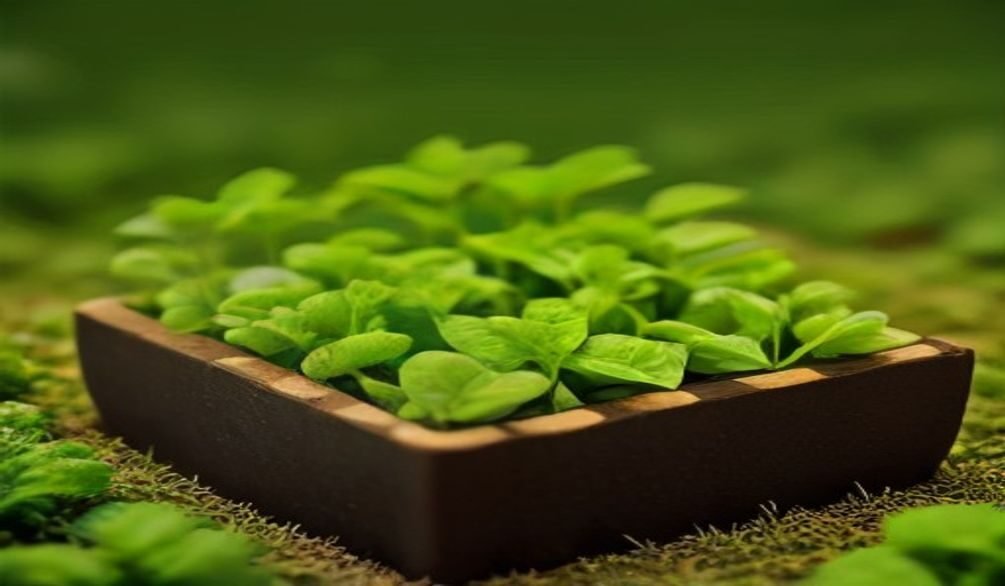
Selecting compact vegetable varieties is a fundamental strategy to maximize small vegetable garden space, as these plants are specifically bred to thrive in limited areas like pots, containers, or small raised beds. Many seed companies, like Burpee, offer specific “patio” or “bush” varieties for this exact purpose.
When you’re shopping for seeds or saplings, look for these keywords:
- Bush or Determinate: For tomatoes, look for “bush” or “determinate” varieties like ‘Hamberg Lettuce Seeds’ or ‘Blue Bantam Dwarf Pea Seeds’ from Burpee, as they grow to a manageable size. Indeterminate varieties can quickly outgrow a pot.
- Dwarf or Patio: These terms indicate that the plant has a naturally smaller footprint. “Chantenay Carrots,” for instance, are short and stout, ideal for pots where longer varieties would struggle.
- Microgreens or Cut-and-Come-Again: These are perfect for continuous harvesting in small trays. Palak (spinach) and dhania are excellent examples, offering multiple cuts from the same plant.
Don’t just grab any seed packet from the sabziwala; check the plant’s mature size. A huge pumpkin vine isn’t going to maximize small vegetable garden space on your balcony!
Plan your small garden layout effectively
Planning your small garden layout effectively means strategically arranging your plants, containers, and vertical elements to maximize small vegetable garden space and ensure each plant gets what it needs. A record 64% of respondents plan to plant more and expand their gardens in 2026, highlighting the growing interest in efficient planning.
Here’s how to approach it:
- Sun Mapping: Observe your space throughout the day. Which areas get morning sun? Which get afternoon shade? Place sun-loving plants like tomatoes and bhindi in the brightest spots, and shade-tolerant greens like lettuce and spinach where it’s cooler. My experience with dhania burning in 45°C afternoon sun taught me the importance of this.
- Container Grouping: Group containers by their watering needs. This makes daily care much easier. It also creates a microclimate that can benefit plants, especially in dry Delhi winters or humid Mumbai summers.
- Accessibility: Can you reach all your plants for watering, harvesting, and pest checks? Don’t cram plants so tightly that you can’t access them. Leave narrow pathways or ensure pots can be moved easily.
- Height Considerations: Place taller plants at the back or north side of your garden (if possible) so they don’t shade out shorter plants. This is crucial for light distribution.
This kind of thoughtful design truly helps you maximize small vegetable garden space.
Frequently asked questions
What are the best vegetables to grow in a small garden?
The best vegetables for a small garden are compact varieties like ‘Tiny Tim’ tomatoes, bush beans, radishes, spinach, and herbs like pudina and dhania. These choices offer high yields relative to their footprint and are suitable for container gardening.
How do you maximize space in a raised garden bed?
Maximize space in a raised garden bed by implementing square-foot gardening, adding vertical supports like trellises, and using a well-draining soil mix with 20-30% compost. Raised beds can significantly boost production, according to gardening experts.
How do you get a good harvest from a small garden?
Achieve a good harvest from a small garden through consistent watering and feeding, succession planting, companion planting, and judicious pruning. The average return on food gardening investment was 757% in 2021, showing the potential for significant yields.
What vegetables give the most yield in a small space?
Vegetables that give the most yield in a small space include leafy greens (spinach, lettuce), bush beans, radishes, and determinate (bush) tomato varieties. These crops either produce continuously or mature quickly, allowing for multiple harvests.
What are some small space vegetable gardening tips?
Small space vegetable gardening tips include choosing compact varieties, utilizing vertical growing structures, practicing succession planting for continuous harvests, and companion planting to optimize plant health and yield. These methods are key to efficient garden design.
So, there you have it! Don’t let a tiny balcony or a compact patch deter you from growing your own fresh produce. By smartly choosing varieties, going vertical, and planning your planting schedule, you can absolutely maximize small vegetable garden space and enjoy a rewarding harvest. It’s all about being clever with your limited area. Now go on, give these tips a try and watch your small garden thrive!