Key Takeaways
- U.S. households spent a record $79.0 billion on lawn and garden in 2025, a 13.5% increase over 2024.
- Raised beds filled with nutrient-rich soil are the single biggest factor in beginner gardening success, according to Nicole Johnsey Burke of Gardenary.
- The global garden seeds market is projected to grow from approximately $3.7 billion in 2025 to nearly $5.4 billion by 2035.
- 63.6% of gardeners plan to expand their gardens in 2026, indicating sustained interest in home growing.
- Lettuce and kale can thrive in pots as shallow as 6 inches, making them ideal for small-space gardening.
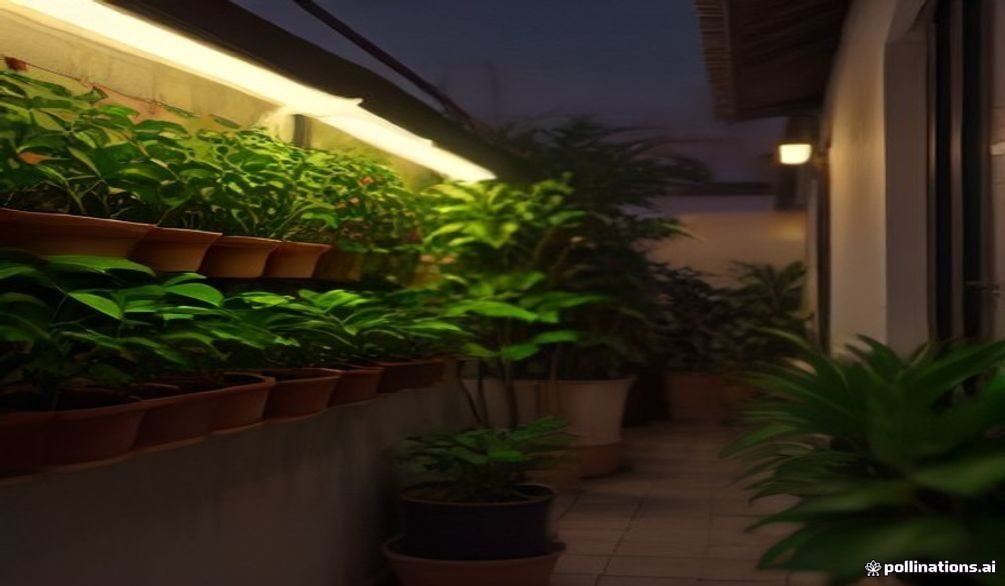
Most Mumbai balcony gardeners lose their tomato plants every May — not from pests, but from the scorching 40°C+ heat before the monsoon arrives. It’s a common struggle, and if you’re feeling overwhelmed by where to even begin, you’re not alone. This guide on **gardening basics for beginners** will walk you through 10 simple steps to help you start your own thriving garden, even in challenging Indian climates.
Quick Answer: Starting a garden involves choosing a sunny location, preparing nutrient-rich soil, selecting easy-to-grow plants like herbs or leafy greens, watering consistently, and protecting from pests, often best achieved with raised beds for beginners.
What are the 10 basic steps of gardening?
The 10 basic steps of gardening involve careful planning, proper soil preparation, plant selection, consistent care, and continuous learning. These steps provide a clear roadmap for anyone getting started with **gardening basics for beginners**. The global garden seeds market is projected to grow from approximately $3.7 billion in 2025 to nearly $5.4 billion by 2035, indicating a strong interest in home growing and the need for foundational knowledge. Let’s break down each step to make your gardening journey smoother.
Step 1: choose your garden location wisely
Before you even think about seeds, scout your space. Most vegetables and flowering plants need at least 6-8 hours of direct sunlight daily. Observe your chosen spot throughout the day; a sunny morning might turn into a shaded afternoon.
Step 2: prepare your soil for success
Good soil is the foundation of any successful garden. It needs to be loose, well-drained, and rich in organic matter, according to the Academy of Nutrition and Dietetics. This means getting your hands dirty and mixing in compost.
Step 3: select easy-to-grow plants
Start with plants known for their resilience and quick rewards. Think about what you love to eat or what brings you joy to see. Herbs and leafy greens are always a fantastic choice for **gardening basics for beginners**.
Step 4: plan your garden layout
Even for a small space, a little planning goes a long way. Consider plant sizes, sunlight needs, and companion planting. Sketching it out helps visualize your future green space.
Step 5: plant your seeds or seedlings
Follow the specific instructions on your seed packets from reputable suppliers like Botanical Interests. Don’t plant too deep or too shallow. If you’re using seedlings, ensure their roots are gently spread out.
Step 6: water consistently and correctly
Watering isn’t just about quantity; it’s about technique and timing. Deep, infrequent watering encourages strong root growth. In my 10 years of experience, I once lost a container plant during monsoon because I assumed rain was enough – but my balcony roof blocked it all, leaving the soil bone dry. Container plants on covered balconies still need your attention, even when it’s pouring!
Step 7: protect your plants from pests
Pests are a reality, but you can manage them organically. Regular inspection is key. Neem oil sprays or handmade garlic-chilli concoctions can be very effective against common Indian garden pests.
Step 8: maintain and harvest regularly
Pruning, weeding, and harvesting aren’t chores; they’re essential for plant health and productivity. Regular harvesting encourages many plants to produce more.
Step 9: learn and adapt from experience
Gardening is a continuous learning process. Don’t get discouraged by setbacks. Every plant that doesn’t thrive teaches you something valuable about your soil, watering, or local climate.
Step 10: consider raised beds for ease
For many beginners, especially in urban settings, raised garden beds offer numerous advantages. They give you control over soil quality and drainage, making **gardening basics for beginners** much simpler.
What is the first thing to do when starting a garden?
The very first thing to do when starting a garden is to assess your available sunlight and choose a suitable location. You can’t change the sun, so finding a spot that gets at least six to eight hours of direct sunlight is non-negotiable for most vegetables and many flowers. U.S. households spent a record $79.0 billion on lawn and garden in 2025, a 13.5% increase over 2024, showing that many people are investing in their outdoor spaces, and starting with the right location saves a lot of heartache. Don’t just guess; spend a day observing how the sun moves across your potential garden spot.
This initial assessment helps you align your plant choices with your environment, which is a crucial step in **gardening basics for beginners**. Without enough sun, even the easiest plants will struggle. It’s better to start small in a sunny spot than large in a shaded one.
How do you choose the best location for your beginner garden?
Choosing the best location for your beginner garden hinges on maximizing sunlight exposure, ensuring good drainage, and considering proximity to a water source. Most fruiting vegetables like tomatoes, bhindi, and lal mirch need at least 6-8 hours of direct sun daily. For Indian urban gardeners, this often means balconies, terraces, or a sunny patch in a courtyard.
Here’s what to look for:
- Sunlight: The most critical factor. Observe your space for a full day. A south-facing balcony in India generally gets the most sun.
- Water Access: Having a tap nearby makes watering much easier. Dragging heavy watering cans across your terrace gets old fast.
- Drainage: Even in pots, good drainage is vital. Avoid spots where water collects. Raised beds are excellent for controlling drainage.
- Protection: Can you shield your plants from harsh afternoon sun in Indian summers (40°C+) or strong monsoon winds? Shade nets are a saviour.
Nicole Johnsey Burke, founder of Gardenary, stresses that “Raised beds filled with nutrient-rich soil are the single biggest factor in beginner gardening success.” This is especially true if your natural ground soil is poor, or if you’re gardening on concrete. Think about your USDA Hardiness Zone Map for plant compatibility, but for Indian conditions, also consider local climate patterns like pre-monsoon heat and monsoon humidity.
What are the easiest things to grow for beginners?
The easiest things to grow for beginners are generally herbs and leafy greens, as they are forgiving, offer quick harvests, and don’t require extensive space. Herbs like pudina, dhania (coriander), and tulsi are incredibly resilient and provide continuous yields. John Cho, Founder & Gardening Specialist at My Cozy Plant, notes that watercress, chayote, and lemon balm are among the fastest-growing plants in terms of demand for the 2025-2026 planting cycle, highlighting their popularity.
For those just getting into **gardening basics for beginners**, consider these options:
| Plant Type | Examples | Why They’re Easy | Container Depth (Min.) |
|---|---|---|---|
| Herbs | Pudina, Dhania, Tulsi, Basil, Rosemary | Tolerant, continuous harvest, strong scent deters some pests. | 6-8 inches |
| Leafy Greens | Palak (Spinach), Methi, Lettuce, Kale | Fast growing, quick returns, can be harvested multiple times. | 6 inches |
| Vegetables | Cherry Tomatoes (like Pusa Ruby), Bhindi, Radish | Cherry tomatoes are more forgiving than larger varieties. Radishes grow very fast. | 8-12 inches |
Leafy greens like lettuce and kale can even grow in pots as shallow as 6 inches, making them perfect for urban balcony gardeners. Starting with these successes builds confidence and momentum.
How do you prepare nutrient-rich soil for gardening basics?
Preparing nutrient-rich soil for **gardening basics for beginners** involves starting with a good base and amending it with plenty of organic matter. Healthy soil is crucial for healthy plants, and it should be loose, well-drained, and rich in organic matter, according to the Academy of Nutrition and Dietetics. For me, the journey to finding the right soil mix in India was a process of trial and error.
Here’s my approach:
- Start with a Quality Potting Mix: Don’t just grab garden soil from anywhere. A good quality potting mix from your local nursery or online stores like Ugaoo or Nurserylive often contains a blend of cocopeat, vermicompost, and perlite.
- Add Compost: This is where the magic happens. Compost and composted manure are consistently cited as effective ways to improve soil nutrients and workability. However, you might have heard that adding a 50% compost ratio in containers is ideal. In practice, I’ve found this actually suffocates roots in our humid Indian climate because it holds too much moisture. My informed view is that a 20-30% compost ratio is the sweet spot for most vegetables, especially in containers.
- Improve Drainage: If your mix feels too heavy, add more perlite or coarse sand. Good drainage prevents root rot, a common issue in Indian monsoon conditions.
- Consider Specific Needs: For starting seeds, I recommend a specialized seedling mix like Black Gold from Sun Gro, or even a simple blend of cocopeat and vermicompost for better germination rates.
The truth is, getting the soil right is perhaps the most important of the **gardening basics for beginners**. It dictates how well your plants can access water and nutrients.
What are common beginner gardening mistakes to avoid?
Common beginner gardening mistakes include overwatering, planting in insufficient sunlight, neglecting soil quality, and trying to grow too much too soon. These errors can quickly lead to frustration and plant failure. For example, 72% of container plants fail due to poor drainage, according to Penn State Extension (2023), often exacerbated by overwatering.
Here are some pitfalls to steer clear of:
- Overwatering: This is probably the number one killer. Always check the soil moisture with your finger before watering. If the top inch is dry, it’s time to water.
- Ignoring Sunlight Needs: Planting sun-loving plants in shade is a recipe for leggy, unproductive growth. Be honest about your sunlight.
- Poor Soil: Skimping on soil preparation leads to nutrient deficiencies and compaction. Healthy soil is the bedrock of **gardening basics for beginners**.
- Over-fertilizing: I once tried liquid seaweed fertilizer on my hibiscus expecting faster flowering – but instead, I got 3 new leaves and no flowers for 8 weeks! The seaweed was pushing vegetative growth because the plant was already in nitrogen-rich soil. Understand what your plant needs before adding any fertilizer.
- Planting Too Close: Plants need space to grow and for air circulation, especially in humid climates like Mumbai. Read those seed packet spacing recommendations carefully.
- Not Researching Local Climate: Trying to grow temperate zone plants in intense Indian summer heat (40°C+) without adequate protection is often futile. Consult resources like The Old Farmer’s Almanac for general guidance, but always cross-reference with local Indian gardening advice.
Avoiding these common missteps will significantly boost your success with **gardening basics for beginners**.
How can you expand your garden after mastering the basics?
After mastering the **gardening basics for beginners**, you can expand your garden by introducing more diverse plants, experimenting with different growing techniques like vertical gardening, or optimizing your current space. The good news is that 63.6% of gardeners plan to expand their gardens in 2026, so you’re in good company.
Consider these ways to grow your green thumb:
- Try New Varieties: Branch out from leafy greens to more challenging vegetables like bell peppers, brinjal, or even small gourds.
- Explore Vertical Gardening: If space is a constraint, look into vertical planters or wall-mounted systems. This is an excellent way to maximize small balcony areas. You can even check out Vertical garden: 5 easy ways to boost growth for more ideas.
- Implement Companion Planting: Learn which plants grow well together, improving pest resistance and yield. For example, marigolds can deter nematodes from tomato plants.
- Composting at Home: Start a small compost bin. It’s a sustainable way to create your own nutrient-rich soil amendments.
- Join a Local Gardening Group: Connect with other gardeners in your city (like Pune or Bangalore) for tips, seed swaps, and shared learning. Their localized advice is invaluable.
Expanding your garden is a natural progression, and it’s exciting to see what new challenges and successes await you.
Frequently asked questions
What are the 5 basics of gardening?
The 5 basics of gardening are choosing the right location with ample sunlight, preparing nutrient-rich soil, selecting appropriate plants for your climate, providing consistent watering, and protecting plants from pests. These foundational steps ensure a strong start for any new gardener.
What are some beginner garden ideas?
Beginner garden ideas often include growing herbs like basil or pudina in small pots, cultivating leafy greens like palak or lettuce in raised beds, or starting with easy vegetables such as cherry tomatoes. These options provide quick success and build confidence for those learning **gardening basics for beginners**.
How much does it cost to start a small garden in india?
Starting a small garden in India can cost anywhere from ₹500 to ₹3000, depending on your choices. You can get seeds for ₹30-₹100 per packet, small pots for ₹50-₹150 each, and a good bag of potting mix for ₹200-₹400 from local nurseries or online platforms like Nurserylive.
What is the easiest vegetable to grow for first-time gardeners?
The easiest vegetable to grow for first-time gardeners is typically lettuce or spinach (palak), as they grow quickly and can be harvested multiple times. These leafy greens can thrive in pots as shallow as 6 inches, according to various gardening resources.
How do you start a vegetable garden from scratch for beginners?
To start a vegetable garden from scratch for beginners, first identify a spot with at least 6-8 hours of daily sun, then prepare the soil by mixing in compost, and finally plant easy-to-grow vegetables like dhania, methi, or radishes. Water regularly and watch for pests.
Starting your own garden, especially in a bustling Indian city, can feel daunting, but with these **gardening basics for beginners**, you’re well on your way to success. Remember, gardening is a journey of learning and discovery, not just about perfect harvests. Embrace the process, observe your plants, and don’t be afraid to experiment. Soon, you’ll be enjoying fresh produce or beautiful blooms straight from your own balcony or terrace. Happy gardening!