Key Takeaways
- The global earthworm farming market was valued at USD 183.68 million in 2025, according to market research (2025).
- Earthworms can increase overall plant productivity by about 25 percent, as estimated by Christopher Outcalt of Colorado State University (2025).
- Organic farmland increased by approximately 9% in 2025, according to industry reports (2025).
- Earthworms can reduce water run-off by up to 90%, according to environmental studies (2025).
- A 2025 study noted a 15% annual growth in vermicompost sales in Europe, linked to pesticide regulations.
When your dhania or pudina plants look a bit sad despite all your efforts, you might wonder what’s missing in your potting mix. To truly attract earthworms organic garden practices are key, transforming dull soil into a vibrant ecosystem that supports healthy plant growth. It’s all about creating the right environment for these tiny, tireless engineers.
Quick Answer: To attract earthworms, enrich soil with organic matter like compost and mulch, maintain consistent moisture, ensure a balanced pH (5-8), avoid synthetic chemicals and tilling, and provide cover with leaves or cardboard.
What attracts earthworms to an organic garden?
Earthworms are primarily attracted to an organic garden by a consistent supply of organic matter, stable moisture levels, and a chemical-free environment. Organic farmland increased by approximately 9% in 2025, according to industry reports (2025), showing a growing global shift towards practices that naturally foster these beneficial creatures. They thrive where the soil is rich in decomposing plant material, offering both food and shelter.
Think of it this way: earthworms are like tiny farmers, always looking for fertile ground. If your garden soil improvement efforts focus on building up that rich, dark, organic matter, you’re already halfway there. They absolutely love a buffet of decaying leaves, compost, and shredded paper. And honestly, who doesn’t love a good meal?
Why are earthworms important for your garden?
Earthworms are incredibly important for your garden because they act as natural soil engineers, enhancing soil structure, fertility, and drainage. Christopher Outcalt of Colorado State University’s College of Agricultural Sciences stated that earthworms can increase overall plant productivity by about 25 percent, according to his research (2025). They burrow through the soil, creating tunnels that improve aeration and allow water to penetrate deeper, which is crucial for plants, especially during the Indian summer heat.
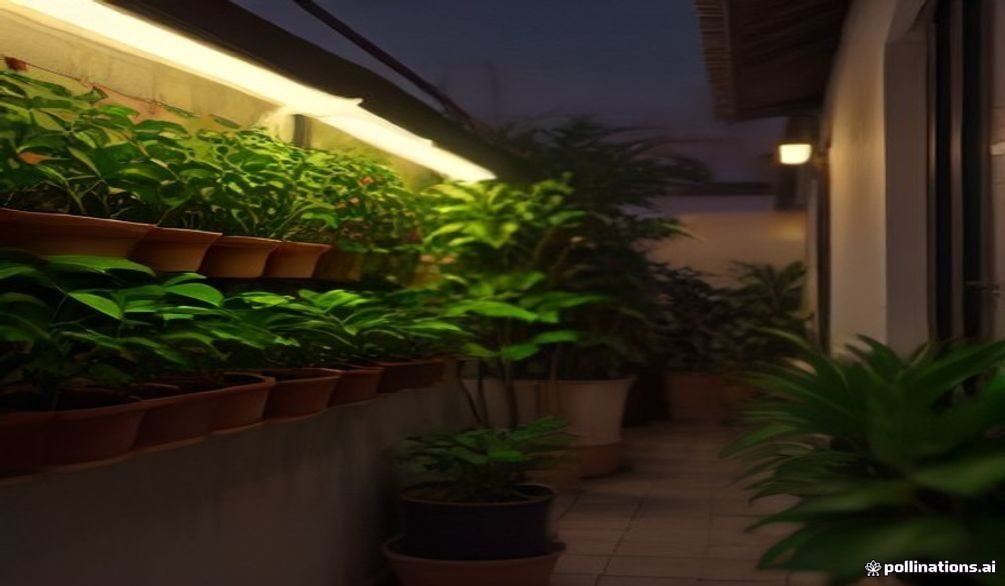
These tiny helpers also break down organic matter, turning it into nutrient-rich castings that feed your plants. Joel Salatin, a renowned sustainable farming expert, aptly calls earthworms “a litmus test for soil fertility,” highlighting their role as indicators of healthy garden soil improvement. In my 10 years of experience with balcony and terrace gardens, I’ve noticed a clear difference in the vigor of plants like methi or lal mirch when earthworms are present, compared to pots where they’re absent. It’s a natural pest control organic method, too, as healthier plants are more resilient.
How to prepare your soil to attract earthworms organically?
To prepare your soil and successfully attract earthworms organic garden methods are essential, focusing on enriching the soil with organic amendments and maintaining optimal conditions. The global earthworm farming market was valued at USD 183.68 million in 2025, according to market research (2025), indicating the significant demand for these soil improvers. This means you need to prioritize natural inputs over synthetic ones.
Here’s how to get your soil ready:
- Add Plenty of Organic Matter: This is non-negotiable. Earthworms feed on decaying plant material. Incorporate generous amounts of well-rotted compost, cow dung manure, or leaf mold into your garden beds. For container gardens, I often mix a good 30-40% compost into my potting mix.
- Maintain Consistent Moisture: Earthworms need moisture to breathe and move. Keep your soil consistently damp, not waterlogged. Mulching benefits soil by helping retain moisture, especially vital during pre-monsoon dryness in cities like Delhi or Pune.
- Ensure Balanced pH: Earthworms prefer a neutral to slightly acidic pH, typically between 5.0 and 8.0. You can test your soil pH with a simple kit, available at local nurseries for ₹80–150. If your soil is too acidic, add a bit of wood ash; if too alkaline, incorporate more compost.
- Avoid Tilling: Excessive digging disrupts earthworm tunnels and can injure them. Adopt a no-till or minimum-till approach. This preserves the soil structure they work so hard to create, promoting better soil health earthworms will love.
You might have heard that organic fertilizers are always best for any garden. In practice, for small container gardens, the soil volume in a 12-inch pot is too small for slow-release granular nutrients to work the way they do in ground soil. Liquid fertilizers like diluted jeevamrit or seaweed extract work faster and are easier to control in pots, providing quick boosts without overwhelming the limited soil. This is especially true for fast-growing greens like palak or pudina.
What food attracts earthworms most organically?
The food that attracts earthworms most organically is decomposed plant matter, primarily in the form of compost, leaf mold, and shredded organic waste. A 2025 study noted a 15% annual growth in vermicompost sales in Europe, linked to stringent pesticide regulations impacting chemical fertilizer use (2025), emphasizing the effectiveness of organic food sources for these beneficial creatures. They crave carbon-rich materials that are actively breaking down.
Here’s a look at their favorite organic meals:
| Food Source | Why Earthworms Love It | Application Tip |
|---|---|---|
| Compost | Rich in diverse organic matter, microorganisms, and nutrients. | Mix into the top few inches of soil or as a top dressing. ARBICO Organics offers live composting worm mixes that thrive on this. |
| Leaf Mold | Slow-decomposing leaves provide long-term food and cover. | Spread a thick layer (2-4 inches) over garden beds. |
| Shredded Cardboard/Newspaper | Adds carbon, retains moisture, and provides shelter. | Layer under mulch or mix into compost piles. Avoid glossy paper. |
| Vegetable Scraps | Kitchen waste breaks down into a nutrient feast. | Bury thinly beneath the soil surface in garden beds or add to a vermicompost bin. |
Remember, the goal is to consistently provide a food source. This continuous supply is what will increase worm population in your organic garden.
How do you get earthworms in dead soil?
You can get earthworms into “dead” soil by systematically reintroducing organic matter, moisture, and beneficial microbes, essentially bringing the soil back to life. India’s vermicompost adoption in smallholder farms rose by 21% in 2025 alone (2025), demonstrating the power of these methods to revitalize impoverished soil. Dead soil often lacks organic content and microbial activity, which are vital for earthworm survival.
My own experience with a root-bound bougainvillea taught me a lot about soil health. I planted it in a small 6-inch pot, thinking I’d repot later. It became root-bound in 6 weeks, started dropping leaves, and took 4 months to recover after I moved it to a 12-inch container. The initial soil was essentially “dead” for a plant like bougainvillea, lacking the space and nutrients to thrive. The fix wasn’t just a bigger pot, but enriching that new, larger soil volume with plenty of compost and ensuring proper drainage to mimic a healthy, worm-friendly environment.
To revive dead soil and attract earthworms organic garden practices should include:
- Heavy Organic Matter Application: Start with a thick layer of compost or well-rotted cow dung. Dig it in lightly, or simply layer it on top if you’re going no-till.
- Consistent Watering: Dead soil often struggles with water retention. Water regularly to keep the organic matter moist, creating a hospitable environment.
- Introduce Worms: While not strictly necessary if you add enough organic matter, you can speed up the process by introducing composting worms like *Eisenia fetida* or *Eisenia hortensis*. ARBICO Organics and Meme’s Worms offer these species specifically for soil improvement.
- Mulch Heavily: A thick layer of straw, wood chips, or shredded leaves will protect the soil, retain moisture, and slowly break down, providing continuous food.
This process takes time, but the payoff in terms of soil health earthworms provide is immense.
Are there specific earthworm species best for organic gardens?
Yes, specific earthworm species are particularly beneficial for organic gardens, primarily those known as “composting worms” or “red wigglers.” The most common and effective species are *Eisenia fetida* (Red Wigglers) and *Eisenia hortensis* (European Nightcrawlers). These species are epigeic, meaning they live in the top layers of soil and actively consume decaying organic matter, making them perfect for vermicompost benefits.
Worm Power, a company that secured a US $900,000 USDA grant in 2025 to expand vermicomposting, primarily works with these types of worms to produce high-quality fertilizer. These worms are not deep burrowers, but they are incredibly efficient at processing organic waste into nutrient-rich worm castings. When you’re trying to attract earthworms organic garden efforts should focus on creating an environment that these specific species will love. They thrive in conditions rich with compost for earthworms.
Avoiding harmful practices that repel earthworms
To maintain a thriving earthworm population, it’s crucial to avoid practices that damage their habitat and health, particularly the use of synthetic chemicals and excessive soil disturbance. Earthworms can reduce water run-off by up to 90%, according to environmental studies (2025), highlighting their critical role in soil health, which is easily undone by harmful practices. Many common gardening habits can inadvertently drive these beneficial creatures away.
Here are the key things to avoid:
- Synthetic Pesticides and Herbicides: These chemicals are designed to kill or inhibit life, and earthworms are not immune. They can be directly poisoned or suffer from a depleted food supply due to destroyed plant matter. Stick to natural pest control organic methods.
- Chemical Fertilizers: High concentrations of synthetic salts in chemical fertilizers can harm earthworms and the beneficial microorganisms they rely on. Opt for organic soil amendments like compost or well-rotted manure instead.
- Excessive Tillage: Deep and frequent digging destroys earthworm tunnels, exposes them to predators, and can injure or kill them. A no-till or minimum-till approach is one of the best organic gardening practices to increase worm population.
- Soil Compaction: Heavy foot traffic or machinery can compact the soil, making it difficult for earthworms to burrow and move. Keeping paths clear and using raised beds can help prevent this.
- Lack of Organic Matter: Without a consistent food source of decaying plant material, earthworms will simply move on. Always ensure your soil has a healthy layer of mulch or compost.
Avoiding these pitfalls ensures a welcoming environment, helping you attract earthworms organic garden systems thrive.
Frequently asked questions
What attracts earthworms to a garden?
Earthworms are primarily attracted to gardens rich in organic matter, consistent moisture, and a balanced pH level. They thrive in environments free from synthetic chemicals and excessive soil disturbance, which provides them with both food and shelter.
What is the fastest way to attract earthworms?
The fastest way to attract earthworms is by incorporating a thick layer of high-quality compost or well-rotted manure into your soil and keeping it consistently moist. Adding a layer of mulch will also help retain moisture and provide a continuous food source.
What food attracts earthworms most?
Earthworms are most attracted to decomposing organic materials such as vegetable scraps, fruit peels, coffee grounds, tea leaves, and especially well-rotted compost. A 2025 study noted a 15% annual growth in vermicompost sales in Europe, linked to stringent pesticide regulations (2025).
How do you get earthworms in dead soil?
To get earthworms in dead soil, you need to revitalize it by adding substantial amounts of organic matter, ensuring consistent moisture, and avoiding chemicals. You can also introduce specific composting worms like *Eisenia fetida* to speed up the process, which is a common practice in organic soil amendments.
Are there specific earthworm species best for organic gardens?
Yes, *Eisenia fetida* (Red Wigglers) and *Eisenia hortensis* (European Nightcrawlers) are considered the best earthworm species for organic gardens and composting. These species are highly efficient at breaking down organic matter into nutrient-rich vermicompost, enhancing soil health earthworms will love.
Cultivating a vibrant, healthy garden often boils down to nurturing the unsung heroes beneath our feet. By consistently applying organic gardening practices—enriching your soil with compost, maintaining moisture, and saying no to harsh chemicals—you’ll naturally attract earthworms organic garden benefits will follow. These tiny engineers will aerate your soil, improve drainage, and provide a steady supply of nutrient-rich castings, making your plants happier and healthier. Start today by giving your garden the organic love it deserves, and watch your soil come alive.