Key Takeaways
- Decorative lighting captured a 38.82% revenue share in the outdoor lighting market in 2025.
- LED technology made up 68.36% of the light source mix in the outdoor lighting market in 2025, according to market data.
- The residential outdoor lighting market is projected to grow at a 7.10% CAGR through 2026-2031.
- Full-spectrum LED grow lights are ideal for plant health in low-light balcony gardens, replicating natural sunlight.
- Outdoor lighting is “arguably the best bang for your buck on any garden renovation,” says garden designer Bridget Skinner with 30 years of experience.
Struggling to grow plants on your apartment balcony because of limited sunlight? Getting your balcony garden lighting low light conditions just right can feel like a daunting task, but with the right strategies, you can transform even the shadiest corner into a thriving green oasis. In my 10+ years of gardening, I’ve seen countless balconies flourish despite minimal natural light, and I’m here to share the essential solutions that make it possible.
Quick Answer: To light a balcony garden in low-light, use full-spectrum LED grow lights for plants and supplement with ambient options like string lights or solar lanterns for aesthetics. Optimize with timers and reflective surfaces for efficiency.
What is the best lighting for a balcony garden in low light?
The best lighting for a balcony garden in low light conditions combines functional grow lights for plant health with ambient lighting for aesthetics and usability. My top recommendation for plant growth is always full-spectrum LED grow lights, as they effectively mimic natural sunlight and are incredibly energy-efficient.
These specialized lights provide the specific wavelengths plants need for photosynthesis, making them indispensable for north-facing balcony lighting or any space lacking direct sun. But don’t forget the human element! Marlena Kaminska, a designer at Value Lights, explains that lighting “doesn’t just have to be practical… there are plenty of modern lighting options that can visually take your balcony to the next level in terms of design and style.” This means balancing your plant’s needs with creating a cozy, inviting atmosphere for yourself. The trick is to integrate both without overwhelming the space. In practice, this often means using discreet grow lights that can be hidden or blended, paired with more decorative elements.
Can plants grow on a balcony without direct sunlight?
Yes, plants can absolutely grow on a balcony without direct sunlight, especially with strategic balcony garden lighting low light solutions. The key is to select the right plants and supplement natural light with artificial sources to ensure they receive adequate photons for growth.
Many people assume a shaded balcony means no gardening, but that’s simply not true. While direct, unfiltered sunlight is ideal for many fruiting and flowering plants, plenty of beautiful and edible varieties thrive in partial or even full shade. For those truly low-light plants balcony conditions, grow lights become non-negotiable. I’ve personally seen incredible results with supplemental lighting on balconies that receive only an hour or two of weak morning sun. It’s about understanding what your plants need and providing it, even if nature isn’t cooperating fully.
How do you light up a small balcony effectively?
Effectively lighting up a small balcony involves a multi-layered approach that maximizes both functional plant light and ambient illumination without cluttering the space. For small spaces, the most effective strategy is often verticality and integrated solutions.
What most people miss is that every lighting choice for a small balcony garden lighting low light scenario should serve a dual purpose if possible. For instance, a slim linear glow wall light or sconce from brands like Hinkley Lighting can provide soft, directed ambient light while also subtly bouncing some illumination towards nearby plants. Here’s a breakdown of effective strategies:
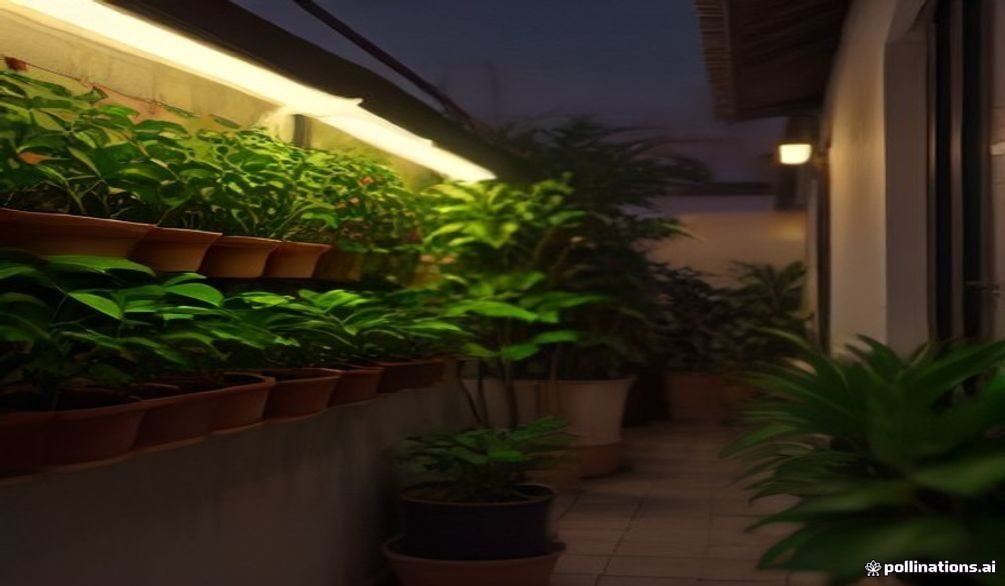
- Vertical Lighting: Use clip-on grow lights on shelving units or attach strip LEDs to the underside of shelves. This saves precious floor space.
- String Lights & Festoons: Emily Kelsey of Lights4Fun suggests creating a “twinkly canopy” with festoon lights strung overhead or looped along a balustrade for a “tranquil after-dark glow.” This is excellent for outdoor LED lighting balcony aesthetics.
- Solar-Powered Options: Solar balcony lights, such as solar glow ball lights, are fantastic for ambient light as they require no wiring and charge during the day. Just make sure they get enough indirect light to charge properly.
- Rechargeable Table Lamps: These offer portable light without the need for new wiring, perfect for flexible placement on a small table or tucked into a planter.
- Reflective Surfaces: Paint walls a light color or add mirrors strategically. This helps bounce existing light – natural or artificial – to plants, enhancing your balcony garden lighting low light setup.
Real talk: Trying to cram too many different types of lights into a small space can make it feel cluttered. Focus on a few key pieces that offer impact.
What plants thrive in low-light balcony conditions?
Many plants thrive in low-light balcony conditions, especially when supported by appropriate balcony garden lighting low light solutions. These plants are naturally adapted to less intense sunlight, making them ideal candidates for shaded or north-facing balconies.
When selecting low light plants balcony varieties, think about their natural habitats. Ferns, for example, often grow on forest floors where light is dappled. Here are some excellent choices:
- Foliage Plants: Hostas, ferns (Maidenhair, Boston, Asparagus), caladiums, and coleus (many varieties tolerate shade) add lush greenery.
- Herbs: Mint, parsley, and cilantro can often tolerate partial shade, though they might grow slower than in full sun.
- Flowering Plants: Impatiens, fuchsias, begonia (especially tuberous and wax varieties), and bleeding hearts can provide color in shadier spots.
- Edibles: Leafy greens like lettuce, spinach, and Swiss chard are surprisingly tolerant of low light and can produce well with supplemental balcony grow lights.
This surprised me the first time I tried it – how much difference even a few hours of artificial light made for my leafy greens in a shady spot. It’s all about matching the plant’s needs with the available light, both natural and artificial.
Choosing the right grow lights for your balcony garden
Selecting the right grow lights for your balcony garden is crucial for plant health in low light, as these devices directly influence photosynthesis and growth. The best grow light setup balcony gardeners can implement involves full-spectrum LED technology due to its efficiency and tailored light output.
LED technology captured a significant 68.36% of the light source mix in the outdoor lighting market in 2025 due, in part, to its efficacy and long life. This makes LEDs a no-brainer for your balcony garden lighting low light needs. What most people miss is that not all “grow lights” are created equal. You need full-spectrum lights that provide red and blue wavelengths, which are vital for plant development. Brands like Philips Hue offer sophisticated options, though simpler, affordable full-spectrum LED strips can also be highly effective.
Consider these factors when choosing:
| Feature | Why it Matters for Balcony Garden Lighting Low Light | Recommendation |
|---|---|---|
| Spectrum | Full spectrum mimics natural sunlight, supporting all growth stages. | Look for “full spectrum” LEDs. |
| Intensity (PPFD) | Measures light available for photosynthesis. Too low, plants struggle; too high, can burn. | Adjustable intensity is ideal for different plants. |
| Energy Efficiency | LEDs consume less power, important for long operating hours. | Always choose LED plant growth lights. |
| Water Resistance | Essential for outdoor use, even on a covered balcony. | Look for IP ratings (e.g., IP65 or higher). |
| Form Factor | Available as bars, panels, or bulbs; choose what fits your space. | Clip-on bars or strip lights are great for small spaces. |
Don’t just buy the cheapest option; invest a little more in quality full-spectrum LEDs. It will pay off in healthier, more vibrant plants, especially when you’re dealing with a truly low-light balcony.
Creative ambient balcony garden lighting ideas
Beyond functional grow lights, creative ambient balcony garden lighting ideas are key to transforming your low-light space into an inviting outdoor retreat. These additions enhance the mood and extend the usability of your balcony into the evening hours.
Bridget Skinner, a garden designer with 30 years of experience, states that outdoor lighting is “arguably the best bang for your buck on any garden renovation.” And she’s right – I’ve never had a client say they had too many lights. Decorative lighting held a 38.82% revenue share in the outdoor lighting market in 2025, underscoring its importance. For your balcony garden lighting low light setup, consider these elements:
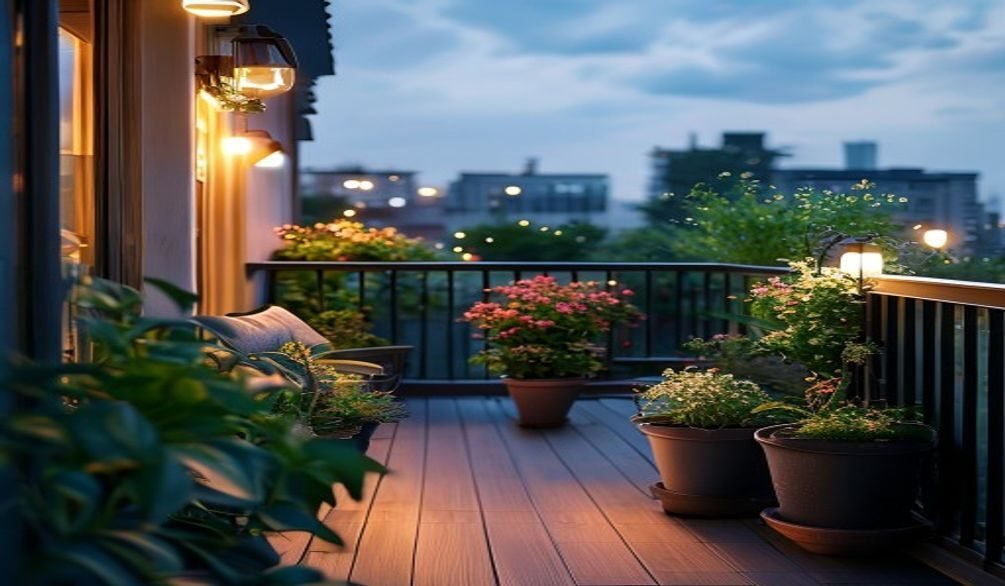
- String Lights (Festoon/Bistro Lights): These are a classic for a reason. Drape them along railings, crisscross them overhead to create a canopy, or even weave them through a planter trellis as suggested by gardens expert Thom Rutter. They provide a soft, warm glow.
- Solar Lanterns and Path Lights: Brands like LITOM offer reliable solar landscape lighting. Place solar glow ball lights directly within your planters or hang small lanterns for a whimsical touch. They charge invisibly during the day and illuminate automatically at dusk.
- Wall Sconces: If you have an exterior wall, wall-mounted fixtures can provide directed, upward or downward light without glare. Kichler Lighting and Hinkley Lighting offer elegant options.
- Rechargeable Table Lamps: Versatile and portable, these can be moved wherever you need a spot of light for reading or dining.
- LED Strip Lights: These can be hidden under benches or along the edges of planters for a subtle, modern glow that highlights your plants and features.
The key here is layering. Combine different types of ambient lights to create depth and interest. A single overhead light can feel harsh, but a mix of string lights, a few lanterns, and some subtle strip lighting creates a truly magical atmosphere for your balcony garden aesthetics.
Smart lighting solutions for automated balcony gardens
Integrating smart lighting solutions can automate and optimize your balcony garden lighting low light setup, providing convenience and ensuring your plants always get the light they need. This is where modern technology truly enhances the gardening experience.
The residential outdoor lighting market is the fastest-growing segment, with a 7.10% CAGR through 2026-2031, indicating a clear trend towards homeowners upgrading their outdoor spaces with smart tech. For a smart balcony garden, the goal is to set it and forget it. I’ve found that automated systems are particularly useful for grow lights, ensuring consistent light cycles crucial for plant health. Consider these smart solutions:
- Smart Plugs: These are the easiest entry point. Plug your grow lights or ambient string lights into a smart plug (like those compatible with Philips Hue or other smart home ecosystems) and control them via an app or set schedules. This is perfect for energy-efficient balcony lighting.
- Smart Grow Light Systems: Some grow lights come with integrated smart features, allowing you to program intensity, spectrum, and on/off times directly from your phone.
- Motion Sensors: For ambient lighting, motion-activated lights can be useful for security or simply for convenience when you step out onto the balcony at night.
- Light Sensors: More advanced systems can detect ambient light levels and adjust grow light intensity accordingly, providing truly dynamic balcony garden lighting low light management.
The short answer: An automated balcony lighting system takes the guesswork out of providing consistent light. This is particularly beneficial for winter balcony garden lighting, where natural light is scarce and consistent supplemental light is vital. What most people miss is that even simple timers on your grow lights are a form of automation and can make a huge difference.
Frequently asked questions
Can plants grow on a balcony without sunlight?
Yes, many plants can grow on a balcony without direct sunlight, especially with the aid of supplemental lighting. Low-light plants like ferns or hostas thrive in indirect light, and adding full-spectrum LED grow lights significantly expands your options. With proper balcony garden lighting low light strategies, you can cultivate a diverse range of plants.
What is the best lighting for a balcony garden?
The best lighting for a balcony garden combines full-spectrum LED grow lights for optimal plant growth with ambient lighting like string lights or solar lanterns for aesthetic appeal. LED technology made up 68.36% of the light source mix in the outdoor lighting market in 2025, highlighting its efficiency and effectiveness. This dual approach ensures both plant health and a pleasant atmosphere.
How do you light up a small balcony effectively?
To light up a small balcony effectively, use a combination of space-saving grow lights and multi-functional ambient options. String lights draped along railings, solar lanterns, and rechargeable table lamps are excellent choices for balcony lighting ideas small space. Prioritize vertical lighting solutions and reflective surfaces to maximize illumination without clutter.
What plants can grow in low light on a balcony?
Plants that can grow in low light on a balcony include shade-tolerant varieties such as impatiens, begonias, ferns, hostas, and leafy greens like lettuce and spinach. These low light plants balcony options often benefit greatly from supplementary balcony grow lights to ensure robust growth. Always match the plant to its light requirements.
What are some energy-efficient options for balcony garden lighting?
Energy-efficient options for balcony garden lighting predominantly include LED lights, whether they are full-spectrum grow lights or decorative string lights. LED technology is highly efficient and has a long lifespan, reducing both energy consumption and replacement costs. Solar-powered lights are also an excellent energy-saving choice for ambient illumination.
Creating a vibrant balcony garden, even with challenging low-light conditions, is entirely achievable with the right balcony garden lighting low light solutions. By strategically combining full-spectrum LED grow lights with creative ambient lighting, you not only ensure your plants thrive but also transform your outdoor space into a beautiful, functional extension of your home. Don’t let a lack of direct sun deter you; embrace these smart lighting strategies and watch your balcony garden flourish.