Key Takeaways
- Over half of American households, 55%, are engaged in gardening activities, according to research by Scotts Miracle-Gro and Wakefield (2025).
- Container gardening is projected to grow from $14.9 billion in 2024 to $26.47 billion by 2034, driven by its adaptability, according to EarthBox Container Gardening Experts (2025).
- Using a soilless mix is crucial for container plants, as garden soil often compacts and drains poorly, advises Penn State Extension (2023).
- Leggy seedlings, a common problem, often result from insufficient light, requiring supplemental grow lights for healthy growth.
- Gradually acclimating seedlings to outdoor conditions, known as hardening off, is essential to prevent transplant shock and ensure survival.
Are you eager to cultivate a vibrant garden right on your balcony, but unsure how to begin with tiny seeds? Mastering Balcony Garden Seed Starting Tips is the key to transforming your urban outdoor space into a thriving green oasis, allowing you to grow unique varieties and enjoy fresh produce or beautiful blooms from scratch. This comprehensive guide, drawing on my 10+ years in horticulture, will walk you through every essential step, ensuring your balcony seedlings get the strongest possible start.
Quick Answer: To successfully start seeds for a balcony garden, prioritize appropriate containers with drainage, use a quality soilless potting mix, provide adequate light (often with supplemental grow lights), ensure consistent moisture without overwatering, and gradually acclimate seedlings to outdoor balcony conditions before transplanting.
Why Start Seeds for Your Balcony Garden?
Starting seeds for your balcony garden offers numerous advantages, from expanding your plant selection to significant cost savings. Over half of American households, 55%, are engaged in gardening activities, according to research by Scotts Miracle-Gro and Wakefield (2025), reflecting a widespread interest that extends to urban spaces. These Balcony Garden Seed Starting Tips empower you to cultivate a wider array of plants than what’s available at local nurseries.
By starting your own seeds, you gain control over the entire growth process, ensuring your plants are healthy and robust from day one. You can choose specific heirloom varieties or organic seeds that might not be stocked by garden centers, giving your balcony garden a unique personal touch. This proactive approach is a core component of effective Balcony Garden Seed Starting Tips.
Beyond variety, starting seeds indoors allows you to get a head start on the growing season, especially in regions with shorter summers. This means you can enjoy fresh produce or flowers much earlier than if you waited to purchase established plants. This early start can be particularly beneficial for plants with longer growing seasons.
Cost savings are another major benefit. Seed packets are significantly cheaper than individual nursery plants, making Balcony Garden Seed Starting Tips a budget-friendly option for expanding your green space. For example, a single packet of tomato seeds can yield dozens of plants for the price of one store-bought seedling.
Essential Supplies for Balcony Seed Starting
To successfully implement Balcony Garden Seed Starting Tips, gathering the right supplies is paramount. Having the correct tools ensures your seedlings have the best environment for germination and early growth. Penn State Extension advises against using straight garden soil in containers, recommending “soilless mixes contain a blend of several materials such as sphagnum moss, composted bark, perlite, vermiculite, or coconut coir to create a medium that drains well while holding onto water and nutrients” (2023).
Here’s a list of essential items you’ll need for effective Balcony Garden Seed Starting Tips:
- Seed Starting Trays or Pots: Look for trays with good drainage holes. Gardzen Seed Starting Trays are a popular, affordable option, often coming with domes and base trays. Small cell packs or biodegradable peat pots from Jiffy are also excellent for individual seedlings.
- Quality Seed Starting Mix: This is not regular potting soil. A sterile, fine-textured soilless mix provides the ideal environment for delicate seedlings. Brands like Jiffy offer specialized mixes that retain moisture while providing excellent aeration.
- Grow Lights: Balconies, especially in urban areas, may lack sufficient direct sunlight. Compact grow lights for seedlings are often necessary to prevent leggy growth. Epic Gardening offers various kits that include durable trays and grow lights.
- Watering Can or Spray Bottle: Gentle watering is crucial. A small watering can with a fine rose or a spray bottle helps avoid dislodging tiny seeds or overwatering. Bottom watering technique can also be very effective.
- Humidity Domes: These covers create a greenhouse effect, maintaining consistent moisture and warmth, which is vital for germination. Many seed starting kits, like the Jiffy Professional Greenhouse Starter Kit, include these.
- Heat Mat (Optional but Recommended): For some seeds, consistent warmth from below significantly speeds up germination.
- Labels and Markers: Keep track of what you’ve planted and when. Clear labeling is crucial for successful Balcony Garden Seed Starting Tips.
Choosing the right container is vital for successful Balcony Garden Seed Starting Tips. EarthBox Container Gardening Experts emphasize selecting containers that are “deep and wide enough to support the plant’s root system and hold enough soil to retain moisture between waterings” (2025). This ensures sufficient space for root development and nutrient uptake.
Choosing the Best Seeds for Your Balcony Space
Selecting the right seeds is a critical early step for effective Balcony Garden Seed Starting Tips, as your choice will dictate how well your plants thrive in limited space. The easiest seeds to start for a balcony garden are those that are naturally compact or have dwarf varieties, along with those known for their resilience and high yield in containers. Tomatoes are the most popular homegrown vegetable, found in 86% of food gardens, according to RubyHome (2025), and many compact varieties exist.
When considering Balcony Garden Seed Starting Tips, always read seed packets carefully for information on mature plant size, light requirements, and days to maturity. Opt for varieties specifically bred for container gardening or small spaces.
Here are some excellent choices for a balcony garden:
- Leafy Greens: Lettuce, spinach, arugula, and kale are fast-growing and often have compact forms. They tolerate partial shade, which is common on urban balconies.
- Herbs: Basil, cilantro, parsley, mint, and chives are incredibly rewarding and can be grown in small pots. Many herbs thrive with good sunlight but are forgiving.
- Bush Beans: Unlike pole beans, bush varieties don’t need extensive trellising and produce well in containers.
- Radishes: These root vegetables mature quickly and require minimal space.
- Dwarf Tomatoes: Look for determinate or “patio” varieties like ‘Tiny Tim’ or ‘Micro Tom’. These are some of the easiest balcony vegetables to grow.
- Compact Peppers: Bell peppers and chili peppers also come in smaller varieties suitable for pots.
- Strawberries: Alpine strawberries are particularly well-suited for containers and can even trail attractively over the edge of a pot.
In my 10 years of experience, I’ve found that prioritizing “compact” or “dwarf” descriptions on seed packets is one of the best Balcony Garden Seed Starting Tips you can follow. This foresight prevents overcrowding and ensures each plant has adequate resources to flourish.
Step-by-Step: How to Start Seeds for a Balcony Garden
Successfully navigating Balcony Garden Seed Starting Tips requires a systematic approach, ensuring each stage of development is met with optimal conditions. This step-by-step guide covers everything from preparing your mix to transplanting, setting your balcony garden up for success.
Step 1: Gather Essential Supplies
Before you begin sowing, ensure you have all necessary materials on hand. This prevents interruptions and ensures a smooth seed starting process, crucial for effective Balcony Garden Seed Starting Tips. Refer to the “Essential Supplies” section for a comprehensive checklist of items like seed trays, grow lights, and quality seed starting mix.
Step 2: Choose Seeds for Your Balcony
Select seed varieties that are well-suited for container growing and your balcony’s specific light conditions. This initial choice significantly impacts the success of your Balcony Garden Seed Starting Tips, avoiding issues with overcrowding or insufficient light later on. Consider compact varieties of vegetables, herbs, and flowers.
Step 3: Prepare Seed Starting Mix
Moisten your sterile seed starting mix thoroughly before adding it to trays. A properly hydrated mix ensures consistent moisture for germination and prevents dry pockets, which is key for successful Balcony Garden Seed Starting Tips. The mix should be damp, like a wrung-out sponge, but not waterlogged.
Step 4: Sow Seeds Correctly
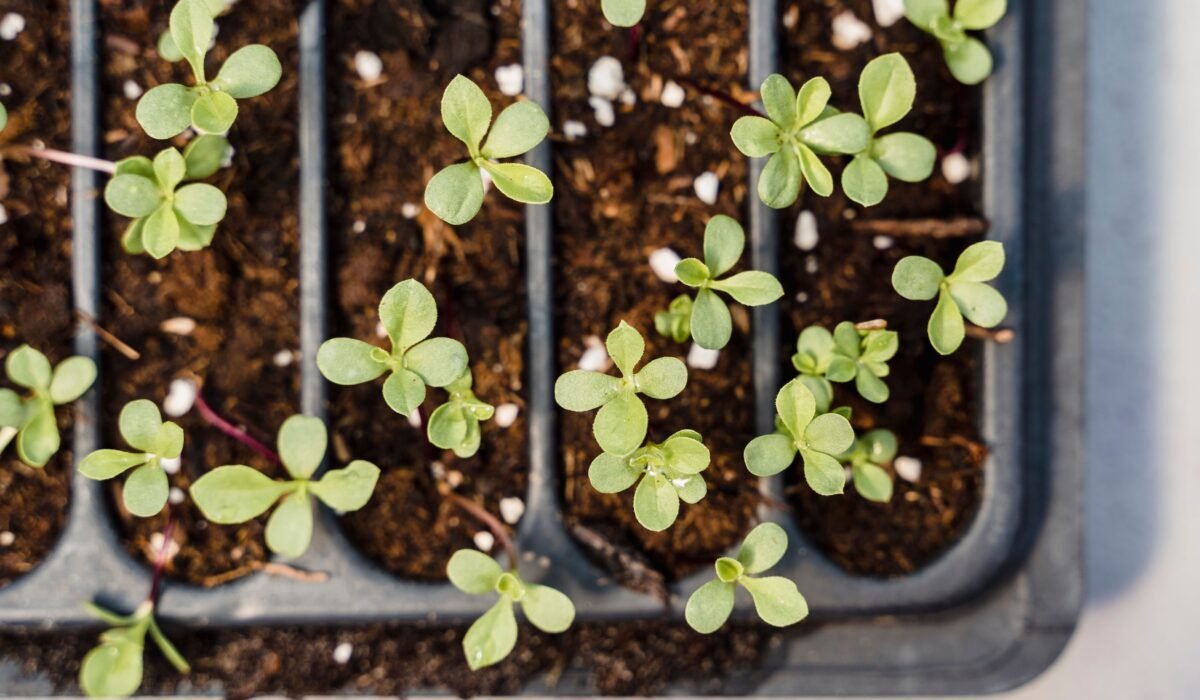
Fill your seed trays or pots with the moistened mix, gently firming it down. Plant seeds according to packet instructions regarding depth and spacing, as proper placement is fundamental to good germination rates and healthy Balcony Garden Seed Starting Tips. Cover with a thin layer of mix, then gently water again.
Step 5: Provide Optimal Growing Conditions
After sowing, cover your trays with humidity domes and place them in a warm location, ideally with a heat mat for consistent bottom warmth. Consistent temperature and humidity are vital for germination, forming the backbone of effective Balcony Garden Seed Starting Tips. Once seeds sprout, remove the domes and immediately provide ample light, typically with grow lights positioned just a few inches above the seedlings. Maintain consistent moisture through gentle top watering or bottom watering.
Step 6: Harden Off Seedlings
Gradually acclimate your young plants to outdoor conditions before transplanting them to your balcony. This process, known as hardening off, prevents transplant shock and strengthens seedlings against wind and sun, a non-negotiable step in any list of Balcony Garden Seed Starting Tips. This will be detailed in a later section.
Step 7: Transplant to Balcony Containers
Once hardened off and mature enough, carefully transplant your seedlings into their final balcony containers. Ensure containers have adequate drainage and are filled with a good quality potting mix, providing the necessary space and nutrients for continued growth. This final step completes the initial journey of Balcony Garden Seed Starting Tips.
Addressing Unique Challenges of Balcony Seedlings
Balcony Garden Seed Starting Tips must account for the specific environmental hurdles presented by an elevated urban space. Unlike ground-level gardens, balconies face distinct challenges such as increased wind exposure, variable sunlight, and temperature fluctuations, which can stress young seedlings. A Melbourne couple successfully growing food on their 8-square-meter balcony found that balcony growing offered better pest control than community garden plots, but still had to manage other environmental factors.
One significant challenge is **wind exposure**. Balconies, especially on higher floors, can experience strong gusts that can damage delicate seedlings or dry out their soil quickly. To mitigate this, consider placing seed starting trays in a sheltered corner or using temporary windbreaks, such as clear plastic sheeting or even larger, sturdier plants. These proactive measures are crucial Balcony Garden Seed Starting Tips.
**Limited or inconsistent sunlight** is another common issue for urban balcony gardeners. Buildings can cast shadows, and the direction of your balcony (north, south, east, west) dictates the amount and intensity of light received. Supplemental compact grow lights for seedlings are almost always a necessity indoors, ensuring your young plants get the 14-16 hours of intense light they need.
**Temperature fluctuations** can also be more pronounced on a balcony. Daytime temperatures can soar, while nights can become surprisingly cool, especially in spring. Bringing seed trays indoors during extreme weather or using insulating materials around containers can help stabilize temperatures. Consistent temperature control is a vital aspect of practical Balcony Garden Seed Starting Tips.
A comparison of common balcony challenges and their solutions:
| Challenge | Impact on Seedlings | Balcony Garden Seed Starting Tips Solution |
|---|---|---|
| High Winds | Physical damage, rapid soil drying | Use sheltered spots, temporary windbreaks, stronger trays. |
| Limited Sunlight | Leggy growth, weak stems | Utilize grow lights indoors, orient trays for maximum sun exposure. |
| Temperature Swings | Stunted growth, stress, dormancy | Move trays indoors during cold nights, use heat mats for germination. |
| Drainage Concerns | Root rot, nutrient leaching | Always use containers with drainage holes, quality soilless mix, saucer trays. |
Proper **drainage** is also critical, not just for the plants but for your neighbors below. Ensure all seed starting trays and future containers have ample drainage holes to prevent waterlogging. Using saucers or Gardzen base trays can catch excess water, preventing runoff onto lower balconies. This careful management is one of the most important Balcony Garden Seed Starting Tips.
Hardening Off Seedlings for Balcony Conditions
Hardening off seedlings is a non-negotiable process that gradually acclimates your young plants to the harsher outdoor environment of your balcony, preparing them for successful transplant. This crucial step prevents transplant shock, which can severely stunt growth or even kill tender seedlings. Without proper hardening off, your carefully nurtured Balcony Garden Seed Starting Tips efforts could be wasted.
The process involves slowly exposing seedlings to outdoor elements such as direct sunlight, wind, and cooler temperatures over a period of 7 to 14 days. Start by placing your seedlings in a sheltered, shady spot on your balcony for just an hour or two on the first day. This gentle introduction is a key element of effective Balcony Garden Seed Starting Tips.
Here’s a detailed schedule for hardening off seedlings for balcony conditions:
- Day 1-2: Place seedlings in a shaded, sheltered spot on your balcony for 1-2 hours. Bring them indoors afterward.
- Day 3-4: Increase exposure to 3-4 hours, moving them to a slightly brighter, but still indirect, light.
- Day 5-6: Gradually introduce them to a few hours of direct morning sun, while still providing shelter from strong winds. Increase outdoor time to 5-6 hours.
- Day 7-9: Leave seedlings out for most of the day, including some direct afternoon sun, but bring them in at night.
- Day 10-14: If nighttime temperatures are consistently above 50°F (10°C) and there’s no frost risk, you can begin leaving them out overnight.
During the hardening off period, monitor your seedlings closely for signs of stress, such as wilting or leaf burn. If you observe any, reduce their outdoor exposure immediately. Consistent moisture is also vital during this time; wind can dry out small pots rapidly. These observations are part of mastering Balcony Garden Seed Starting Tips.
In my experience, skipping or rushing the hardening off stage is one of the most common mistakes beginners make. Taking the time to properly acclimate your plants significantly increases their chances of survival and robust growth once permanently placed in their balcony containers. It’s an investment in the long-term health of your Balcony Garden Seed Starting Tips.
Troubleshooting Common Balcony Seed Starting Problems
Even with the best Balcony Garden Seed Starting Tips, you might encounter a few common issues with your seedlings. Understanding how to diagnose and address these problems promptly is crucial for saving your young plants and ensuring a successful balcony garden.
One of the most frequent complaints is **leggy seedlings**, characterized by tall, thin, and stretched-out stems. This problem almost always indicates insufficient light. The solution is to provide more intense light, ideally with a compact grow light for seedlings, positioned just a few inches above the plant canopy. Lowering the light or increasing its duration, up to 16 hours a day, can dramatically improve seedling health. This is a critical adjustment in Balcony Garden Seed Starting Tips.
Another common issue is **damping-off disease**, where healthy seedlings suddenly collapse and die at the soil line. This fungal disease is often caused by overly wet conditions, poor air circulation, or non-sterile seed starting mix. To prevent it, ensure good drainage, avoid overwatering, and improve air circulation with a small fan. Using a sterile seed starting mix from brands like Jiffy also helps.
**Yellowing leaves** can signal a nutrient deficiency or overwatering. If the entire plant is yellowing, it might be a nitrogen deficiency, requiring a very dilute liquid fertilizer. If only lower leaves are yellow, it could be overwatering. Check soil moisture and adjust your watering schedule.
Here’s a quick guide to troubleshooting common issues with Balcony Garden Seed Starting Tips:
| Problem | Symptoms | Cause | Solution for Balcony Garden Seed Starting Tips |
|---|---|---|---|
| Leggy Seedlings | Tall, thin, stretched stems | Insufficient light | Provide more intense light (grow lights), move closer to window. |
| Damping-Off | Seedlings collapse at soil line | Fungal disease (overwatering, poor air circulation) | Improve drainage, reduce watering, use sterile mix, add fan. |
| Yellowing Leaves | Leaves turn yellow | Nutrient deficiency, overwatering | Apply dilute fertilizer, check soil moisture, adjust watering. |
| Slow Growth | Seedlings not growing | Low temperature, nutrient deficiency, poor light | Ensure warmth (heat mat), dilute fertilizer, adequate light. |
| Pests | Tiny insects, damaged leaves | Aphids, fungus gnats, spider mites | Introduce beneficial insects, use neem oil, sticky traps. For more, see Balcony Garden Pest Control Organic. |
For pest control in a confined space like a balcony, early detection is key. Fungus gnats are common with moist seed starting mixes; sticky traps can help. Aphids can be gently wiped off or sprayed with insecticidal soap. Addressing these issues quickly ensures your Balcony Garden Seed Starting Tips lead to healthy plants.
Advanced Tips for Mighty Balcony Starts
Once you’ve mastered the basics, incorporating some advanced Balcony Garden Seed Starting Tips can significantly boost the health and vigor of your balcony plants. These techniques focus on optimizing moisture, nutrition, and root development, even in a small space.
One highly effective technique is **bottom watering**. Instead of watering from above, place your seed trays into a larger tray filled with about an inch of water. The growing medium will absorb water from the bottom, ensuring even moisture distribution and encouraging roots to grow downwards. This method also helps prevent damping-off disease by keeping the soil surface drier. Many Gardzen seed starting trays come with base trays specifically designed for this purpose, making it easier to implement these Balcony Garden Seed Starting Tips.
Consider using **self-watering containers** for your final balcony setup, or even for larger seedlings. Systems like EarthBox are designed to provide a consistent water supply to plant roots, reducing the frequency of watering and ensuring steady moisture. This is especially beneficial for busy gardeners or during hot spells.
Creating **DIY humidity domes** from recycled materials is another smart tip. Clear plastic containers, like those from take-out food or berry punnets, can be inverted over small pots to create a mini-greenhouse effect. This maintains the high humidity crucial for germination and early seedling growth, enhancing your Balcony Garden Seed Starting Tips without extra cost.
For maximizing space, explore **vertical seed starting systems**. These allow you to grow more seedlings in a smaller footprint, ideal for urban garden challenges. Simple tiered shelving units or wall-mounted pockets can hold multiple trays, making efficient use of your balcony’s vertical dimension. For more ideas, explore DIY Vertical Garden Easy Steps.
Finally, incorporating **mild, diluted liquid fertilizer** once true leaves appear can give your seedlings a significant boost. Start with a quarter-strength solution of a balanced organic fertilizer. This provides essential nutrients that might be lacking in the soilless mix as the seedlings grow, strengthening them for their eventual move to the balcony. This thoughtful feeding is a key part of advanced Balcony Garden Seed Starting Tips.
Frequently Asked Questions
What are the easiest seeds to start for a balcony garden?
The easiest seeds to start for a balcony garden include leafy greens like lettuce and spinach, herbs such as basil and cilantro, and compact vegetables like radishes and dwarf tomatoes. These varieties are generally resilient and well-suited for container growing, making them excellent choices for implementing Balcony Garden Seed Starting Tips. Tomatoes are the most popular homegrown vegetable, found in 86% of food gardens, according to RubyHome (2025). Start with these to build confidence and ensure early success.
What supplies do I need to start seeds for a balcony garden?
To start seeds for a balcony garden, you’ll need seed starting trays with drainage, a quality soilless seed starting mix, compact grow lights for seedlings, a gentle watering can, and humidity domes. These essential supplies create an optimal environment for germination and early growth, ensuring your Balcony Garden Seed Starting Tips are effective. Many beginner kits, like those from Jiffy or Epic Gardening, bundle these items for convenience.
How do I keep my balcony garden seedlings alive?
To keep your balcony garden seedlings alive, provide consistent light (often with supplemental grow lights), maintain even moisture without overwatering, ensure good air circulation, and gradually harden them off before transplanting. Over half of American households (55%) are engaged in gardening activities, according to Scotts Miracle-Gro and Wakefield (2025), highlighting the widespread success possible with proper care. Regular monitoring for pests and diseases is also crucial for seedling survival.
How much sun do balcony seedlings need?
Balcony seedlings generally need 14-16 hours of bright, indirect light daily, often requiring supplemental compact grow lights indoors due to urban shading. Direct sun exposure should be introduced gradually during the hardening off process to prevent scorching. Without adequate light, seedlings will become leggy and weak, undermining your Balcony Garden Seed Starting Tips.
When should I start seeds for my balcony garden?
You should start seeds for your balcony garden 6-8 weeks before your region’s average last frost date, or according to the specific instructions on your seed packets. This timing allows seedlings to reach an appropriate size for transplanting after the danger of frost has passed. Creating a seed starting calendar for urban gardens helps organize planting times for various crops, optimizing your Balcony Garden Seed Starting Tips.
Embarking on Balcony Garden Seed Starting Tips can be an incredibly rewarding journey, transforming your limited outdoor space into a productive and beautiful extension of your home. By following these essential steps—from selecting the right seeds and supplies to hardening off and troubleshooting—you’ll lay a strong foundation for thriving plants. Remember, consistent care and attention to the unique challenges of balcony growing are your best allies. Start small, learn as you grow, and enjoy the satisfaction of nurturing life from a tiny seed right on your own balcony.