
Key Takeaways
- An effective quarantine protocol catches 92% of latent plant infestations before they spread, based on RHS Garden Wisley trial data (2026).
- Many compact vertical garden systems can hold 15 to 50 small herbs in a much smaller footprint than individual containers (2026).
- Spider mite populations can double every 3-5 days under warm, dry conditions, potentially devastating a balcony herb garden in under ten days (2026).
- Mint, parsley, and chives thrive in shaded balcony spots with just a few hours of indirect light, according to Angelica from Peachy Apple Vegan.
- Ensuring pots have drainage holes is crucial to prevent root rot in a balcony herb garden, as highlighted by Saad Harraz from Harraz Farm & Garden.
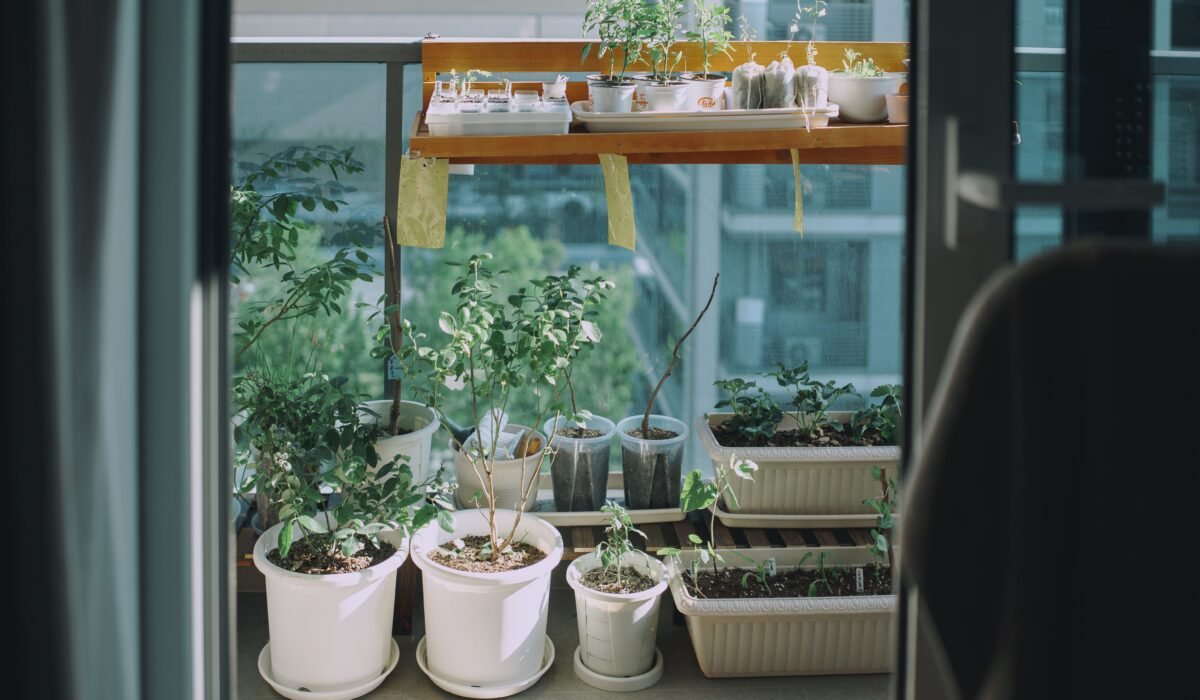
Are you dreaming of fresh herbs right outside your door, even with limited space? Creating a thriving **balcony herb garden for beginners** is entirely achievable and incredibly rewarding. This guide will walk you through everything you need to know, transforming your small outdoor area into a productive and fragrant oasis, making your journey into container gardening herbs balcony simple and successful.
Quick Answer: To start a balcony herb garden, select herbs suited for your sunlight, use pots with drainage and quality potting mix. Maximize space with vertical or railing planters, water regularly, and monitor for pests to ensure a thriving harvest of fresh herbs.
What herbs are best for a balcony herb garden?
The best herbs for a **balcony herb garden for beginners** are those that are easy to grow and adaptable to container life, thriving with the right amount of sunlight and care. For instance, “Herbs which are easy to grow are sage, rosemary, thyme, basil, and mint,” notes Anna Gall from Deanna Greens and Garden Art. These choices are excellent for anyone wondering how to grow herbs on an apartment balcony.
When selecting herbs for your balcony, consider the amount of sunlight your space receives. “Not all balconies get full sun, but that doesn’t mean you can’t have a flourishing herb garden,” explains Angelica from Peachy Apple Vegan. She advises that if your space is more shaded, you should “opt for mint, parsley, and chives, which thrive with just a few hours of indirect light.” This makes them excellent shade tolerant herbs for balcony settings.
* Full Sun Lovers (6+ hours direct sun): Rosemary, thyme, oregano, basil, sage, lavender. These Mediterranean herbs flourish in bright, sunny conditions and often prefer drier soil.
* Partial Sun/Shade Tolerant (3-6 hours direct sun or bright indirect light): Mint, parsley, cilantro, chives, lemon balm, lemon verbena. These herbs appreciate some protection from intense afternoon sun, particularly in warmer climates.
* Grouping for Success: Consider grouping herbs with similar needs together. For example, Mediterranean herbs like thyme, parsley, rosemary, cilantro, oregano, and savory can be planted near each other due to their similar upkeep requirements. This simplifies watering and care for your balcony herb garden for beginners.
Creating an herb tea garden is another delightful option for your **balcony herb garden for beginners**. Paula Grainger from Paula Grainger Herbalist suggests planting aromatic herbs like mint, lemon balm, and lemon verbena. Regular trimming not only provides you with refreshing teas but also encourages the plants to produce more growth. Ali McEnhill, plant expert and owner of the Old Dairy Nursery, specifically praises lemon verbena for its scented leaves and superior tea-making qualities.
How to start your balcony herb garden: essential steps
Starting your **balcony herb garden for beginners** involves a series of straightforward steps that ensure a healthy and productive harvest, making the most of your limited space. The most crucial initial step is to assess your balcony’s sunlight exposure, as this will dictate which herbs will thrive in your specific environment. From my 10 years of experience, understanding your balcony’s microclimate is paramount for success with container gardening herbs balcony.
Step 1: assess your balcony’s sunlight
Determine how many hours of direct sunlight your balcony receives daily. This is vital because different herbs have varying light requirements. A full sun spot gets 6+ hours, while partial shade gets 3-6 hours. This assessment guides your herb selection, a critical decision for your **balcony herb garden for beginners**.
Step 2: choose your herbs wisely
Based on your sunlight assessment, select herbs that are well-suited to those conditions. Opt for varieties known to perform well in containers and that you will genuinely use in your cooking. This thoughtful selection sets the foundation for a successful **balcony herb garden for beginners**.
Step 3: select appropriate containers
Choose pots that are the right size for your mature herbs and always ensure they have drainage holes. Proper drainage is non-negotiable for preventing root rot and ensuring plant health. Saad Harraz from Harraz Farm & Garden emphasizes, “Ensure your pots have drainage holes to prevent root rot.”
Step 4: prepare quality potting mix
Use a high-quality, organic potting mix that provides good drainage and aeration. A good potting mix is light, retains moisture, and supplies essential nutrients. Avoid using garden soil, as it compacts in containers and can introduce pests and diseases to your **balcony herb garden for beginners**.
Step 5: plant your herbs correctly
Gently remove herbs from their nursery pots, loosen any circling roots, and plant them at the same depth they were previously growing. Water them thoroughly immediately after planting to help settle the soil. “Spring and early autumn are ideal for germinating most herbs,” notes Saad Harraz, making these prime planting times for your **balcony herb garden for beginners**.
Step 6: understand watering and feeding
Establish a consistent watering schedule, checking soil moisture daily and watering when the top inch or two feels dry. Herbs in containers dry out faster than those in the ground. Feed your herbs with a balanced organic liquid fertilizer every 2-4 weeks during their active growing season to support robust growth for your **balcony herb garden for beginners**.
Step 7: monitor and maintain regularly
Inspect your plants frequently for signs of pests or diseases and address any issues promptly. Regular harvesting also encourages bushier growth and prolongs the productive life of your herbs. This proactive approach is key to maintaining a healthy and vibrant **balcony herb garden for beginners**.
Choosing the right containers and potting mix
Selecting the appropriate containers and a high-quality potting mix is fundamental to the success of your **balcony herb garden for beginners**, as these elements directly impact plant health and growth. In fact, 72% of container plants fail due to poor drainage, according to Penn State Extension (2023), underscoring the importance of good pot selection. The right choice prevents common problems like waterlogging and nutrient deficiencies, making container gardening herbs balcony much easier.
When choosing containers, always prioritize drainage. Pots without holes at the bottom will inevitably lead to water accumulation, suffocating roots and causing rot. Saad Harraz from Harraz Farm & Garden explicitly states, “Ensure your pots have drainage holes to prevent root rot,” a critical piece of advice for any **balcony herb garden for beginners**.
* Material Matters:
* Terracotta/Ceramic: These porous materials allow air exchange and help prevent overwatering by wicking excess moisture. They are excellent for herbs that prefer drier conditions, like rosemary and thyme.
* Plastic: Lightweight and retain moisture longer, making them suitable for water-loving herbs like mint and parsley. They are also generally more affordable and durable for a **balcony herb garden for beginners**.
* Fabric/Grow Bags: Offer superior aeration and drainage, preventing root circling and promoting a healthier root system. They are an increasingly popular choice for a versatile **balcony herb garden for beginners**.
* Size is Key: Ensure pots are large enough to accommodate the mature size of your herbs. While Qingshan pots are noted for their breathability, making them suitable for smaller herbs like mint, basil, and rosemary, larger gallon pots are better for deep-rooted plants or those that grow substantial like bay laurel.
* Potting Mix Perfection: A good potting mix is light, well-draining, and rich in nutrients. Avoid heavy garden soil which compacts in containers, hindering root growth and drainage. An organic, high-nutrient quality potting mix is ideal, as recommended by Anna Gall for any **balcony herb garden for beginners**. Incorporating perlite, made by Harrell’s, can improve drainage by up to 40%, enhancing the overall health of your container plants.
Sunlight and watering needs for balcony herbs
Understanding the specific sunlight and watering requirements for your herbs is paramount for a flourishing **balcony herb garden for beginners**, as these factors directly influence plant vitality and yield. Herbs typically require at least 6 hours of direct sunlight daily to thrive, though some varieties are more tolerant of partial shade. This knowledge is essential for anyone starting a balcony herb garden.
Different herbs have distinct light preferences. “For sunnier spots, rosemary, thyme, and oregano love direct sunlight and drier conditions,” advises Angelica from Peachy Apple Vegan, highlighting the importance of matching plants to your balcony’s exposure. Conversely, shade tolerant herbs for balcony settings like mint and parsley will scorch in intense, all-day sun.
* Sunlight Spectrum:
* Full Sun (6+ hours): Basil, rosemary, thyme, oregano, sage, lavender. Place these herbs in the sunniest spots on your balcony.
* Partial Sun (3-6 hours): Cilantro, parsley, mint, chives, lemon balm. These benefit from morning sun and afternoon shade, especially in hot climates.
* Partial Shade (less than 3 hours direct sun, but bright indirect light): Mint and chives can still produce, though growth might be less vigorous. These are ideal for a truly shaded **balcony herb garden for beginners**.
* Watering Wisdom:
* Check Daily: Container herbs dry out much faster than garden beds. Check the soil moisture daily by sticking your finger about an inch into the soil.
* Water Thoroughly: When the top inch or two of soil feels dry, water until it drains from the bottom of the pot. This ensures the entire root ball is hydrated. Overwatering, however, can lead to root rot.
* Self-Watering Solutions: Consider self-watering planters or raised garden beds with self-watering features and water gauges, available from retailers like Amazon. These systems offer better control of watering, which is incredibly helpful for a busy **balcony herb garden for beginners**.
* Watering Herbs Balcony Tip: Water in the early morning or late evening to minimize evaporation and allow plants to absorb moisture before the heat of the day.
Creative space-saving ideas for your balcony
Maximizing your limited area with creative space-saving ideas is crucial for any **balcony herb garden for beginners**, allowing you to grow a diverse array of herbs without overwhelming your outdoor living space. Many compact vertical garden systems, for instance, can hold 15 to 50 small herbs in a much smaller footprint than individual containers, according to Stylish Home Solutions (2026). This makes vertical solutions a game-changer for a small balcony herb garden.
Beyond traditional pots, thinking vertically and utilizing overlooked spaces can dramatically increase your growing potential. This approach allows for a thriving balcony garden ideas for small spaces.
* Vertical Herb Garden Ideas:
* Wall-Mounted Planters: Utilize vertical wall space with tiered planters or individual pots attached to a trellis or pallet. Brands like Watex offer innovative vertical gardening solutions with removable pots for easy access and maintenance, perfect for a vertical herb garden balcony.
* Stackable Planters: These allow you to grow multiple herbs in a small footprint by stacking pots on top of each other.
* Shelving Units: A simple multi-tiered shelving unit can house numerous pots, creating a dedicated display for your **balcony herb garden for beginners**.
* Railing Planters: These ingenious planters hook directly onto your balcony railing, making use of otherwise unused space. They come in various sizes and styles, providing a sleek solution for growing herbs without taking up precious floor area. Balcony railing planters for herbs are especially effective.
* Hanging Baskets: Suspend baskets from the ceiling or a sturdy railing to add another layer of greenery. Herbs like trailing rosemary, thyme, and mint can look beautiful spilling over the sides, making a visually appealing **balcony herb garden for beginners**.
* DIY Balcony Planters: Get creative with repurposed items such as old wooden crates, plastic bottles, or even tin cans (with drainage holes added). These DIY balcony planters can add unique character and sustainability to your **balcony herb garden for beginners**.
* Tiered Plant Stands: These decorative stands offer multiple levels for pots, allowing you to display a variety of herbs while occupying a minimal amount of floor space. They are perfect for creating an organized and attractive apartment herb garden tips.
Year-round care and climate adaptations
Providing consistent year-round care and adapting to your local climate are essential for the longevity and productivity of your **balcony herb garden for beginners**, ensuring a continuous supply of fresh herbs. While many herbs are annuals or tender perennials, strategic planning can extend your harvest even through colder months. In my experience, understanding your specific climate’s challenges is the most significant factor in maintaining year-round balcony herbs.
Adapting your care routine to seasonal changes is crucial for preventing plant stress and maximizing growth. This includes managing intense summer heat and providing winter protection for your **balcony herb garden for beginners**.
* Summer Strategies:
* Shade Cloths: In regions with intense summer sun, provide partial shade during the hottest parts of the day using a shade cloth or by moving pots to a shadier spot.
* Increased Watering: Container plants dry out rapidly in heat. You may need to water twice daily. Self-watering planters can be particularly beneficial here.
* Mulching: A thin layer of mulch (like straw or small pebbles) on top of the soil can help retain moisture and keep roots cool. This is a practical tip for any **balcony herb garden for beginners**.
* Winter Protection:
* Bring Indoors: For tender perennials like basil or lemon verbena, consider bringing them indoors before the first frost. Place them near a sunny window and reduce watering.
* Mini Greenhouses/Cloches: For hardier herbs, a mini greenhouse or cloche can provide protection from light frosts and cold winds, extending the growing season on your balcony.
* Insulation: Group pots together or wrap them in burlap or bubble wrap to insulate roots from extreme cold. This is especially important for a **balcony herb garden for beginners** in colder zones.
* Pruning for Longevity: Regular pruning encourages bushier growth and prevents herbs from becoming leggy or going to seed too quickly. For detailed guidance, you can refer to our article on Pruning Herbs for Bushier Growth: 7 Essential Tips. This practice is vital for a productive **balcony herb garden for beginners**.
* Repotting: Annually, consider repotting perennial herbs into slightly larger containers with fresh potting mix, or prune their roots and replant into the same pot with new soil. This rejuvenates the plant and provides fresh nutrients.
Advanced pest management for balcony herb gardens
Effective and advanced pest management for your **balcony herb garden for beginners** is critical for preventing infestations from decimating your plants and ensuring a healthy, chemical-free harvest. A single female spider mite can lay 20 eggs per day, and populations can double every 3-5 days under warm, dry conditions, potentially devastating an entire balcony herb garden in under ten days (2026). This rapid reproduction underscores the need for proactive strategies in pest management herbs balcony.
Integrated Pest Management (IPM) is the most sustainable approach, combining various strategies to control pests while minimizing environmental impact. For more comprehensive organic pest control, consider reading our guide on Organic Pest Control for Vertical Garden: 8 Effective Methods.
* Prevention is Key:
* Quarantine New Plants: Always isolate new plants for at least two weeks. An effective quarantine protocol, involving isolation and twice-weekly inspection with spraying on days 1, 7, and 14, catches 92% of latent infestations before they spread, according to RHS Garden Wisley trial data (2026). This is perhaps the most important step for a **balcony herb garden for beginners**.
* Good Air Circulation: Proper spacing between plants improves air flow, which deters many fungal diseases and flying pests.
* Cleanliness: Remove fallen leaves and debris from pots and the balcony floor, as these can harbor pests.
* Regular Inspection:
* Daily Checks: Inspect your herbs daily for any signs of pests (tiny dots, sticky residue, chewed leaves). Pay close attention to the undersides of leaves.
* Tools: Use mini garden tools from brands like Fiskars or Wilkinson Sword for delicate tasks, making it easier to spot and remove pests. Fiskars is known for innovative blade technology, while Wilkinson Sword offers rust-resistant coatings, making their tools ideal for precision work in a **balcony herb garden for beginners**.
* Organic Treatment Options:
* Neem Oil Spray: A natural insecticide that disrupts pest life cycles. Mix according to package directions and spray thoroughly, especially on the undersides of leaves.
* Insecticidal Soap: Effective against soft-bodied pests like aphids, spider mites, and whiteflies. It works by suffocating them.
* Manual Removal: For larger pests, simply pick them off by hand. A strong spray of water can dislodge aphids and spider mites. Heavily infested tomato leaves experienced a 78% decline in net CO₂ assimilation within 96 hours due to spider mite feeding, according to a 2021 study in Plant Physiology and Biochemistry (2026), emphasizing the urgency of early intervention.
* Beneficial Insects: Introduce beneficial insects like ladybugs or lacewings, which prey on common garden pests. This is a natural and effective method for pest control.
Integrating herbs with other balcony plants
Integrating herbs with other balcony plants can transform your **balcony herb garden for beginners** into a vibrant, diverse, and functional “balcony oasis,” enhancing both aesthetics and pest deterrence. This practice, often called companion planting balcony, leverages the natural properties of different plants to benefit each other, creating a more resilient ecosystem. The Victory Garden Alliance encourages individuals to plant something edible in 2026, whether a small balcony herb garden or a larger plot, to foster ecological balance, food security, and community pride (2026).
Beyond just growing herbs for culinary use, consider how they can contribute to the overall health and beauty of your balcony. Combining herbs with edible flowers, small vegetables, or ornamental plants creates a rich tapestry of life.
* Aesthetic Combinations:
* Color and Texture: Pair the delicate foliage of cilantro or parsley with the vibrant blooms of nasturtiums or marigolds.
* Height and Form: Use taller herbs like rosemary or bay laurel as vertical accents, surrounded by lower-growing thyme or oregano.
* Trailing Plants: Allow mint or creeping thyme to spill over the edges of pots or hanging baskets, softening the hard lines of containers. This makes for a beautiful **balcony herb garden for beginners**.
* Companion Planting Benefits:
* Pest Deterrence: Many herbs naturally repel common garden pests. For example, basil is known to deter flies and mosquitoes, making it a good companion for tomatoes or other vegetables. Marigolds and nasturtiums can also deter various insects.
* Attracting Pollinators: Flowering herbs like dill, cilantro (when allowed to bolt), and borage attract beneficial pollinators like bees, which can help other fruiting plants on your balcony.
* Flavor Enhancement: Some gardeners believe certain herb combinations can enhance the flavor of nearby vegetables, though this is often anecdotal.
* Balcony Vegetable and Herb Garden:
* Tomatoes & Basil: A classic pairing, basil is thought to improve the flavor of tomatoes and deter tomato hornworms.
* Lettuce & Chives: Chives can deter aphids and improve the growth of leafy greens.
* Peppers & Marigolds: Marigolds are excellent at deterring nematodes and other soil pests.
* Container Groupings:
* Consider planting a “salad bowl” container with mixed greens, chives, and a small parsley plant.
* A “pizza garden” could feature oregano, basil, and a cherry tomato plant in a larger container. This approach creates a cohesive and productive **balcony herb garden for beginners**.
| Herb | Companion Plant | Benefit for Balcony Herb Garden for Beginners |
|---|---|---|
| Basil | Tomatoes, Peppers | Deters flies, mosquitoes; potentially enhances flavor |
| Mint | Cabbage, Carrots | Deters cabbage moths, slugs (plant in separate pot to prevent spread) |
| Rosemary | Beans, Carrots, Sage | Deters bean beetles, carrot rust fly, cabbage moths |
| Chives | Carrots, Tomatoes, Lettuce | Deters aphids, improves growth of nearby plants |
| Thyme | Cabbage, Broccoli | Deters cabbage worms |
Frequently asked questions
What herbs are best for a balcony?
The best herbs for a balcony are generally those that are easy to grow in containers, such as basil, mint, parsley, chives, rosemary, and thyme. These herbs are adaptable to varying light conditions and are commonly used in cooking. For sunnier spots, rosemary and oregano thrive, while mint and parsley prefer more shade, as advised by Angelica from Peachy Apple Vegan.
How do i start a small herb garden on my balcony?
To start a small herb garden on your balcony, begin by selecting herbs that match your balcony’s sunlight exposure, then choose pots with adequate drainage holes and fill them with a quality organic potting mix. Plant your herbs, water them consistently, and monitor for pests to ensure a healthy start. Saad Harraz from Harraz Farm & Garden notes that “Spring and early autumn are ideal for germinating most herbs.”
How much sun do herbs need on a balcony?
Most herbs require at least 6 hours of direct sunlight per day to achieve optimal growth and flavor when grown on a balcony. However, some herbs, like mint and parsley, can tolerate partial sun (3-6 hours) or even bright indirect light. Angelica from Peachy Apple Vegan recommends mint, parsley, and chives for shaded spots, emphasizing that a thriving garden is possible even with limited direct light.
What is the easiest way to grow plants on a balcony, especially herbs like rosemary and mint?
The easiest way to grow plants, particularly herbs like rosemary and mint, on a balcony is by using appropriate containers with excellent drainage and a high-quality potting mix. Consistent watering tailored to each herb’s needs, along with regular monitoring for pests, simplifies the process. An effective quarantine protocol catches 92% of latent plant infestations before they spread, based on RHS Garden Wisley trial data (2026), making pest prevention a key easy step.
What are some creative space-saving ideas for a balcony herb garden?
Creative space-saving ideas for a balcony herb garden include vertical garden systems, railing planters, hanging baskets, and DIY repurposed containers. Many compact vertical garden systems can hold 15 to 50 small herbs in a much smaller footprint than individual containers, according to Stylish Home Solutions (2026). These solutions maximize your growing potential in limited spaces.
Embarking on your journey to create a **balcony herb garden for beginners** is a deeply satisfying endeavor that brings fresh flavors and a touch of nature right to your doorstep. By carefully selecting your herbs, ensuring proper containers and soil, managing sunlight and water, and employing smart space-saving techniques, you can cultivate a thriving green space. Start small, observe your plants, and enjoy the continuous bounty of your very own **balcony herb garden for beginners**.







