
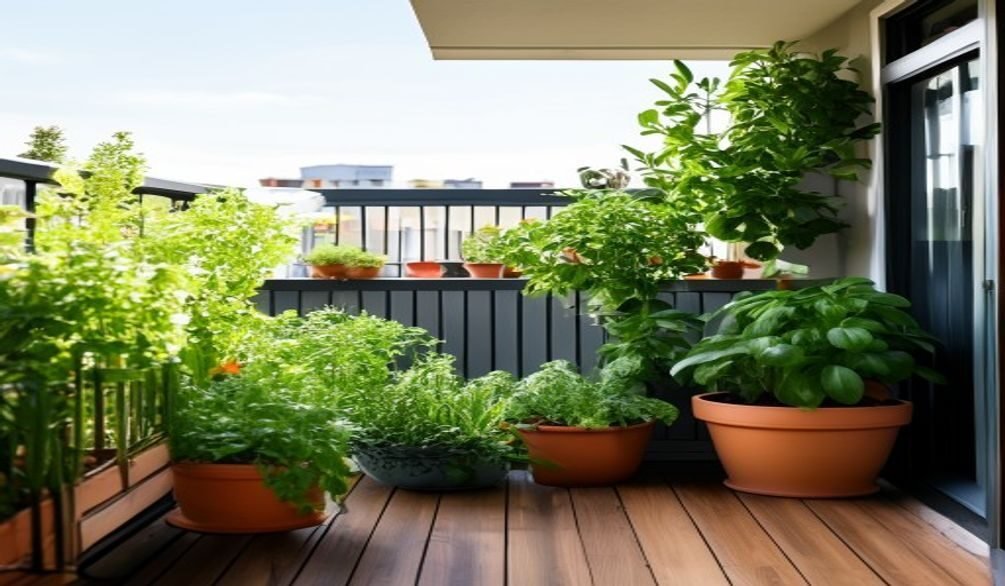
Key Takeaways
- The global home gardening market is projected to reach USD 26.47 billion by 2034, according to a market analysis (2024).
- 49.5% of gardeners spent more money on gardening in 2025, an 11.5% increase from 2024, according to Garden Research (2025).
- Jekka McVicar recommends using a gritty, well-drained, peat-free, and loam-based compost for container herbs.
- VegTrug offers a Slimline Herb Garden specifically designed for balconies, featuring eight deep pockets with built-in drainage.
- For optimal growth, most herbs require at least 6 hours of direct sunlight daily, according to Bonnie Plants (2024).
Most Bangalore apartment dwellers struggle with growing fresh pudina and dhania, often seeing them wilt in a few days or get leggy from lack of sun. But with the right balcony herb garden ideas, you can easily turn your small outdoor space into a thriving source of fresh ingredients, enhancing both your cooking and your well-being.
Quick Answer: A balcony herb garden provides fresh ingredients and enhances well-being, even in urban settings. Success depends on selecting herbs suited to your light, using well-draining containers, and consistent care, including watering and pruning.
What herbs are best for a balcony herb garden?
The best herbs for a balcony herb garden are those that are compact, adaptable to containers, and frequently used in your kitchen. Many urban gardeners are embracing container gardens at high rates, often renters on balconies or apartment dwellers, according to Garden Research (2025). You’ll want to pick varieties that thrive in pots and don’t need a lot of sprawling space.
From my 10 years of experience growing on Indian balconies, I’ve found that certain herbs are absolute champions for small spaces. Jekka McVicar, an acclaimed herb expert, always emphasizes growing herbs you will actually use, which makes perfect sense. Why grow something if it’s just going to sit there?
Step 1: choose the right herbs for your balcony
Start by listing the herbs you use most often in your cooking. For an easy start, consider robust options like pudina, dhania, and tulsi. I always recommend getting pudina from cuttings; I’ve tried growing it from seeds twice, and both times it was slow and patchy. But cuttings from a fresh sabziwala bunch? Nine out of ten rooted in water in just six days and were ready for soil by day eight. That’s a game-changer for a small space herb garden.
- Pudina (Mint): This herb is super vigorous and loves to spread, making it perfect for its own pot. Keep it contained, and you’ll have fresh leaves all year.
- Dhania (Coriander): A staple in Indian cooking, dhania grows well in containers. Plant seeds every few weeks for a continuous supply.
- Tulsi (Holy Basil): More than just a herb, tulsi is revered and thrives on balconies, offering aromatic leaves for teas and remedies.
- Chives: These oniony greens are compact and easy to snip for garnishes.
- Rosemary: A woody herb that does well in pots, especially in sunny spots.
- Thyme and Oregano: These Mediterranean herbs love good drainage and plenty of sun, perfect for a sunny balcony.
How much sun does a balcony herb garden need?
Most balcony herb garden ideas thrive with at least 6 hours of direct sunlight daily to produce strong flavors and healthy growth. Many herbs, especially those originating from Mediterranean climates like rosemary and thyme, are sun-lovers and will become leggy and less flavorful without adequate light, according to Bonnie Plants (2024). This is crucial for a successful container herb garden.
If your balcony faces south or west, you’re probably in luck. My west-facing balcony in Pune gets intense afternoon sun, which is great for herbs like lal mirch and even some compact bhindi varieties. But if you’re in a city like Mumbai, remember that the pre-monsoon heat (March–May) can be brutal, often exceeding 40°C. You might need to provide some afternoon shade during those months to prevent scorching.
What size containers work best for balcony herbs?
Choosing the right container size is crucial for any balcony herb garden, as it directly impacts root development and moisture retention. A good rule of thumb is to use pots that are at least 6-8 inches (15-20 cm) in diameter for individual herbs, but larger is often better for a thriving urban herb growing setup. For instance, GreenShip Garden USA offers a 27-inch Tall Square Outdoor Planter, which is a top pick for outdoor herb gardens due to its ample soil depth and durability.
Step 2: select appropriate containers and soil
When planning your balcony herb garden ideas, don’t skimp on containers. They’re the foundation. Deeper pots allow for better root growth, which translates to healthier, more productive plants.
| Herb Type | Recommended Pot Size (Diameter) | Material Considerations |
|---|---|---|
| Pudina, Dhania | 6-8 inches (15-20 cm) | Plastic, terracotta (needs more watering) |
| Tulsi, Rosemary | 8-10 inches (20-25 cm) | Terracotta, ceramic (good for drainage) |
| Thyme, Oregano | 6 inches (15 cm) | Terracotta (prefers drier conditions) |
| Mixed Herbs | 10-12 inches (25-30 cm) | Any with good drainage |
For soil, I’ve found that most Indian gardening content recommends adding too much compost. A 50% compost ratio in containers actually suffocates roots in our humid climate because it holds too much moisture. I’ve seen countless plants struggle with root rot because of this. Instead, aim for a 20-30% compost ratio, mixed with cocopeat and garden soil. This is the sweet spot for most vegetables and herbs, providing enough nutrients without waterlogging. Jekka McVicar also advocates for a gritty, well-drained, peat-free, and loam-based compost for container herbs, which aligns with my findings.
Step 3: plan your balcony layout for sunlight
Before planting, observe your balcony throughout the day. Where does the sun hit and for how long? This will dictate the placement of your herbs. Sun-loving herbs need the prime spots, while shade-tolerant ones can be tucked into more protected areas. Think about using vertical space if direct sunlight is limited, as we’ll discuss later.
How do you care for balcony herbs?
Caring for balcony herbs involves consistent watering, appropriate feeding, and regular pruning to encourage bushy growth and prevent bolting. Proper care is what separates a struggling apartment herb garden from a flourishing one.
Step 4: plant your herbs carefully
When you’re ready to plant, gently remove the herb from its nursery pot. Loosen any circling roots and place it in the prepared container. Backfill with your chosen soil mix, making sure the plant is at the same level as it was in the nursery pot. Give it a good water immediately after planting to help settle the soil. Bonnie Plants offers a wide selection of starter herbs, which can give you a head start for your balcony herb garden ideas.
Step 5: water and fertilize consistently
Watering is probably the trickiest part of balcony plant care, especially in India. In my experience, I used to skip watering during monsoon, assuming rain was enough. I lost a container plant one July because the balcony roof blocked all rain — the soil was bone dry while the ground around it was soaked. It taught me that container plants on covered balconies still need watering in monsoon!
- Watering: Check the soil moisture daily by sticking your finger about an inch deep. If it feels dry, it’s time to water. In Indian summers, this might mean watering every day or even twice a day, especially for smaller pots or terracotta. Reduce frequency in cooler months or during monsoon if your balcony is exposed.
- Fertilizing: Container herbs use up nutrients faster than those in the ground. I prefer organic liquid fertilizers every 2-4 weeks during the growing season. You can find good options at local nurseries or online on Ugaoo.
Step 6: prune and harvest regularly
Regular pruning is key to a productive balcony herb garden. It encourages the plant to branch out, giving you more leaves to harvest. Don’t be afraid to snip!
- Pinching: For bushy herbs like tulsi and pudina, pinch off the top few leaves regularly. This stops them from flowering too early (bolting) and becoming bitter.
- Harvesting: Harvest herbs as needed, taking no more than one-third of the plant at a time. This allows the plant to recover and continue producing.
Can you grow herbs on a shady balcony?
Yes, you absolutely can grow herbs on a shady balcony, but your choices will be more limited to those that naturally tolerate lower light conditions. While most herbs prefer full sun, there are several shady balcony herbs that can still thrive and provide fresh flavors for your kitchen.
For balconies that receive less than 4 hours of direct sun, focus on leafy herbs that are more forgiving. These herbs generally grow slower and might not be as robust as their sun-loving counterparts, but they’ll still be perfectly usable. For instance, dhania can tolerate some shade, though it might bolt faster in intense heat if not managed carefully. If you’re looking for more options, consider checking out best shade-loving flowers for companion planting ideas.
Here are some excellent choices for a low-light balcony herb garden:
- Pudina (Mint): This is a superstar for shade! It actually prefers some afternoon shade, especially in the intense Indian summer heat.
- Dhania (Coriander): While it likes some sun, dhania can tolerate partial shade and may even last longer before bolting in cooler, shadier spots.
- Chives: These do quite well in partial shade, producing tender green shoots.
- Lemon Balm: A member of the mint family, lemon balm thrives in shady conditions and offers a lovely citrusy scent.
- Parsley: Both flat-leaf and curly parsley can grow successfully in partial shade.
Maximizing space: vertical gardening for balconies
Vertical gardening is an ingenious solution for maximizing growing potential in a small space herb garden, especially on balconies where horizontal space is at a premium. This approach allows you to cultivate a significant number of herbs without taking up precious floor area. In fact, a record 63.6% of respondents indicated they would plant more and expand their gardens in 2026, according to Garden Research (2025), highlighting the growing interest in creative space solutions.
There are many creative vertical herb garden balcony ideas to consider, from simple hanging planters to more elaborate wall-mounted systems. VegTrug, for example, offers a Slimline Herb Garden specifically designed for balconies and patios. It features eight deep pockets with built-in drainage and is crafted from FSC® 100% certified cedar wood, making it a stylish and functional choice. You can find more inspiration for balcony vertical garden ideas on our blog.
Consider these options for your diy balcony herb garden:
- Stackable Planters: These units allow you to grow multiple herbs in a single footprint, often with built-in irrigation channels.
- Wall-Mounted Pockets: Fabric or plastic pockets that attach directly to a wall or railing. They’re great for smaller, shallow-rooted herbs.
- Shelving Units: Simple tiered shelves can turn a blank wall into a multi-level herb display, perfect for showcasing your balcony herb garden ideas.
- Hanging Baskets: Excellent for trailing herbs like pudina, keeping them off the ground and adding visual interest.
Troubleshooting common balcony herb garden problems
Even with the best balcony herb garden ideas, you’ll inevitably face a few challenges, but most common issues can be easily resolved with a bit of observation and timely action. The truth is, gardening always has its ups and downs.
Step 7: monitor for pests and diseases
Pests can quickly decimate a small space herb garden. Regularly inspect your plants for signs of trouble.
- Yellowing Leaves: Often a sign of overwatering (too much moisture, especially with high compost ratios) or nutrient deficiency. Check soil moisture and consider a balanced liquid feed.
- Leggy Growth: This usually means your herbs aren’t getting enough sunlight. Try moving them to a sunnier spot or pruning them back hard to encourage bushier growth.
- Pests: Common culprits include aphids, spider mites, and mealybugs. In my experience, a simple neem oil spray, available at most local nurseries, is incredibly effective. For a mild infestation, a strong spray of water can often dislodge them.
- Bolting: When herbs like dhania and basil send up a flower stalk, it means they’re “bolting.” This often happens in hot weather or when the plant is stressed. Harvest regularly to delay this, and consider planting heat-tolerant varieties or providing afternoon shade.
One common mistake I’ve seen with new gardeners is planting too many herbs in one small pot. This leads to competition for nutrients and water, ultimately stunting growth. The fix is simple: give each herb enough space, or group compatible herbs (like thyme and oregano, which both like similar conditions) in a larger container. Gardenuity® addresses this by providing all-inclusive kits with fully rooted seasonal herb plants and growing media, customized to your growing zone, ensuring less guesswork for beginners.
Frequently asked questions
What is the easiest herb for beginners to grow on a balcony?
Pudina (mint) is arguably the easiest herb for beginners to grow on a balcony because it’s incredibly vigorous and forgiving. It can even tolerate some shade, which is great for less-than-ideal light conditions, according to Bonnie Plants (2024). You can even start it from cuttings, making it a very low-effort option.
How often should i water my balcony herb garden?
You should water your balcony herb garden when the top inch of soil feels dry to the touch, which can range from daily in hot Indian summers to once every 3-5 days in cooler weather. Container plants dry out much faster than garden beds, and 47.6% of gardeners spent more time gardening in 2025, suggesting increased attention to consistent care, according to Garden Research (2025). Always check the soil before watering to avoid overwatering.
Can i grow a variety of herbs in one large container?
Yes, you can grow a variety of herbs in one large container, but it’s best to group herbs with similar watering and sunlight requirements. For example, Mediterranean herbs like rosemary, thyme, and oregano prefer drier conditions, while pudina and dhania need more moisture. This thoughtful grouping ensures all plants thrive in your balcony herb garden.
What are the best pots for herbs balcony gardening?
The best pots for herbs balcony gardening are those with good drainage holes, made from materials like terracotta, ceramic, or durable recycled resin. GreenShip Garden USA’s 27-inch tall square planter is highly recommended for its depth and weather resistance, providing ample room for root growth. Terracotta pots look great, but they dry out faster, so be prepared for more frequent watering, especially in places like Delhi summers.
How can i protect my balcony herbs from intense indian summer heat?
Protect your balcony herbs from intense Indian summer heat by providing afternoon shade with a shade cloth or by moving pots to a more sheltered spot during the hottest part of the day. Consistent watering is also critical, as temperatures can easily exceed 40°C in many Indian cities, stressing plants. Mulching the soil surface can also help retain moisture and keep roots cool.
Creating a thriving balcony herb garden ideas in your urban space is absolutely achievable with a bit of planning and consistent care. From choosing the right herbs to maximizing vertical space and knowing when to water, these tips will help you enjoy fresh ingredients right outside your door. It’s a rewarding journey, and watching your own pudina and dhania flourish brings a unique satisfaction that store-bought can’t match. So go ahead, start small, experiment, and soon you’ll have a fragrant, flavorful oasis on your balcony.







