
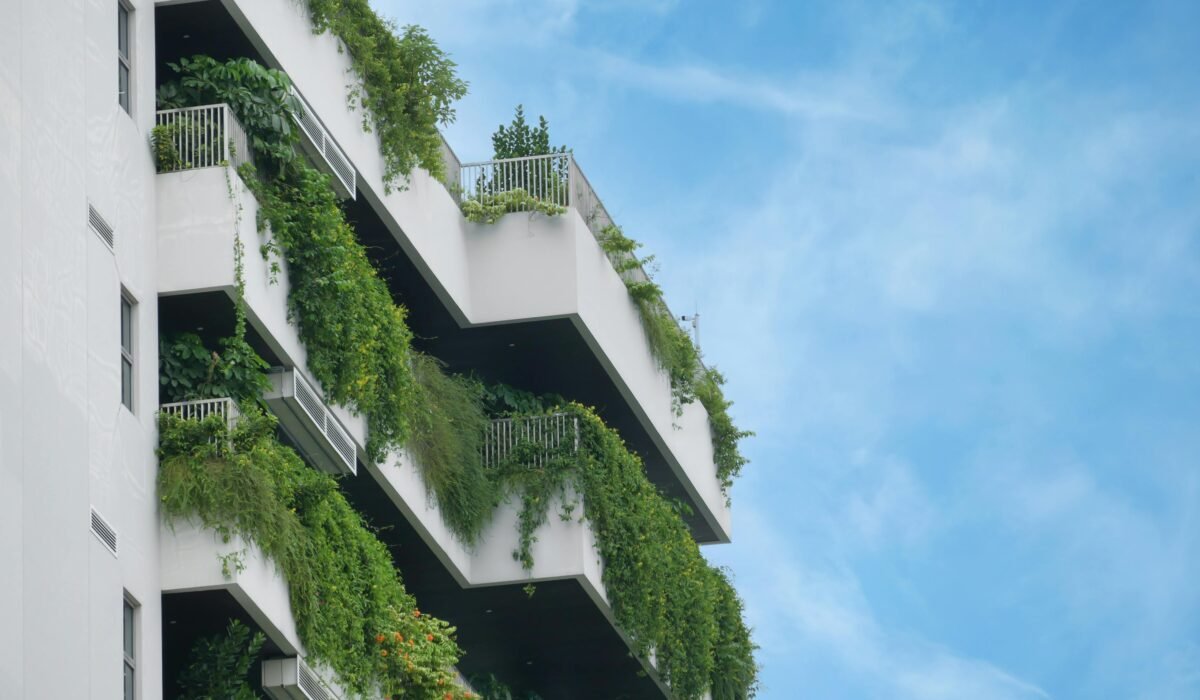
Do you dream of a lush garden but find your balcony space limiting? The good news is that balcony garden vertical planters offer an ingenious solution, transforming even the tiniest outdoor area into a thriving green oasis. This guide will walk you through everything you need to know about maximizing small space growing, from selecting the perfect system to smart, sustainable maintenance.
Why Balcony Garden Vertical Planters Are Perfect for Small Spaces
Living in an urban environment often means sacrificing expansive garden plots for compact outdoor spaces, yet your gardening dreams don’t have to shrink. Vertical gardening leverages unused air space, allowing you to cultivate a surprising amount of greenery without taking up precious floor area. This innovative approach is particularly effective for small space gardening, making it ideal for balconies.
The core benefit of vertical gardening is its ability to significantly increase your growing capacity. As Quilenthia Wingfield-Accime, founder of Dearest Garden, explains, it “allows plants to grow upwards rather than the traditional horizontal method.” This means you can grow more herbs, vegetables, and flowers in the same footprint. In fact, vertical farming systems can enable yield improvements of 10x to 400x compared to traditional farming, according to Fortune Business Insights, a principle that scales down beautifully to your balcony.
Beyond maximizing yields, balcony garden vertical planters offer several other compelling advantages:
- Space Efficiency: They transform walls, railings, and even corners into productive growing areas, perfect for urban gardening.
- Aesthetic Appeal: A living wall system adds vibrant beauty and a natural focal point to your balcony, enhancing its overall ambiance.
- Accessibility: Growing vertically can make planting, tending, and harvesting easier, especially beneficial for seniors or those with limited mobility, as noted by Oklahoma State University Extension horticulturist David Hillock.
- Improved Air Quality: More plants mean more oxygen production and filtration of airborne pollutants, creating a healthier microclimate on your balcony.
The growing trend of small-space gardening, evidenced by a 30% increase in sales of space-saving gardening tools and containers reported by UrbanGarden Trends Magazine, underscores the demand for solutions like vertical planters. These systems turn limitations into opportunities, proving that a thriving garden is possible, no matter how small your balcony. You can even explore DIY upcycled planters for small balconies to get started economically.
Choosing the Best Vertical Planters for Your Balcony
Selecting the right vertical planter is crucial for your balcony’s success, balancing your space, budget, and aesthetic preferences. There’s no one-size-fits-all answer, as Marie-Helene Attwood, founder of Edible Petals, wisely points out: “there’s no one way to create a vertical garden — there are many possibilities!”
Consider these popular types of space-saving planters:
- Stackable Planters: These systems consist of multiple tiers that stack on top of each other, forming a tower. They are excellent for small space vegetable garden vertical setups and often come with clever drainage designs. The Amazing Creation Stackable Vertical Garden Planter is a popular example, ideal for beginners due to its ease of assembly and movability.
- Wall-Mounted Systems: These attach directly to a balcony wall or railing, often using pockets, shelves, or modular panels. They create a true living wall system and are perfect for maximizing vertical growing. The Algreen Vertical Living Wall Planter, with its rustic wood frame and resin bins, exemplifies this style.
- Pocket Planters: Made from durable felt or fabric, these planters feature multiple pockets sewn onto a backing that can be hung over a railing or mounted on a wall. They are lightweight, flexible, and particularly good for herbs and shallow-rooted plants.
- Freestanding Towers: Systems like the Garden Tower 2™ are robust, self-contained units designed to hold many plants while also often incorporating composting features. They are a significant investment but offer comprehensive vertical growing systems for beginners and experienced gardeners alike, often featuring advanced self-watering systems.
- Railing Planters: While not strictly vertical in the same way as a wall system, specific balcony railing planters vertical designs hang over the railing, utilizing that often-overlooked space for smaller plants or cascading varieties.
When making your choice, think about the material – plastic is lightweight and affordable, wood offers a natural aesthetic but requires more maintenance, and fabric provides excellent drainage. Always consider the weight once filled with soil and plants to ensure your balcony can safely support it. For systems with advanced features, check out our guide on best self-watering planters, many of which are perfect for vertical setups.
How to Design and Install Your Balcony Vertical Garden
A successful balcony garden vertical planter setup requires careful planning and a secure installation. Don’t just buy a system and hope for the best; a little foresight goes a long way in creating a flourishing vertical garden.
Planning Your Layout
Before you even unbox your planters, take a moment to assess your balcony’s environment:
- Sunlight Exposure: Observe how much direct sunlight your balcony receives throughout the day. Most vegetables and flowering plants need at least 6 hours of direct sun. A south-facing balcony will differ vastly from a north-facing one.
- Weight Considerations: Soil, water, and plants can get heavy. Ensure your balcony structure can support the combined weight of your chosen system, especially for larger freestanding units or extensive wall-mounted setups. If you’re renting, check with your landlord or building management for any weight restrictions.
- Water Access & Drainage: How will you water your plants? Consider proximity to a water source. Also, think about where excess water will drain. You don’t want to flood your downstairs neighbors or create a slippery mess. Some systems have built-in reservoirs, while others require drip trays.
- Rental Property Restrictions: This is a crucial, yet often overlooked, challenge. Many rental agreements prohibit drilling into walls or making permanent modifications. Opt for freestanding units, railing planters, or systems that use tension rods or strong adhesives if drilling isn’t allowed.
Marie-Helene Attwood suggests installing “narrow planters at different heights with a trellis connecting them to allow for space to grow” for easier upkeep and less watering. This approach also allows for creative design while maximizing space.
Installation Steps
Once you’ve planned, the installation itself is straightforward:
- Assemble Your System: Follow the manufacturer’s instructions carefully for your chosen balcony garden vertical planters. For DIY vertical garden projects, ensure all components are sturdy and properly joined.
- Securely Mount/Place: If wall-mounted, use appropriate hardware for your wall type (e.g., masonry anchors for concrete, toggle bolts for drywall if permitted). Freestanding units should be placed on a level, stable surface. For railing planters, ensure they are tightly secured to prevent tipping in wind.
- Prepare Your Growing Medium: Use a high-quality, lightweight potting mix, especially formulated for containers. This provides good drainage and aeration, which is vital for plants in vertical setups. Avoid heavy garden soil.
- Plant Your Selections: Carefully place your chosen plants into their designated pockets or containers. Consider how each plant will cascade or grow upwards to create a visually appealing arrangement.
- Initial Watering: Water thoroughly after planting to help settle the soil and reduce transplant shock.
In practice, ensuring stability is paramount. A strong gust of wind can quickly undo all your hard work if your vertical garden isn’t properly secured.
Best Plants for Balcony Vertical Gardens
The beauty of vertical gardening is its versatility; “there is no limit to what type of plants can be grown in this fashion,” from flowers to vegetables, according to Quilenthia Wingfield-Accime. However, certain plant selections thrive particularly well in the unique environment of balcony garden vertical planters.
When choosing plants, consider their growth habits, light requirements, and water needs:
- Herbs: Most herbs are fantastic for vertical gardens. Varieties like basil, mint, rosemary, thyme, oregano, and chives are compact and don’t require deep roots. A vertical herb garden for balcony use is incredibly convenient for cooking.
- Leafy Greens: Lettuce, spinach, kale, Swiss chard, and arugula are shallow-rooted and grow quickly, making them perfect for successive harvests in a small space vegetable garden vertical setup.
- Strawberries: These berries love to trail and are ideal for hanging pockets or the edges of stackable planters, producing sweet fruit throughout the season.
- Compact Vegetables: Bush beans, peas, cherry tomatoes (determinate varieties), and small peppers can do well in larger pockets or containers within a vertical system. Look for varieties specifically bred for container gardening.
- Flowering Annuals: Petunias, impatiens, lobelia, nasturtiums, and pansies add vibrant color and can cascade beautifully, softening the lines of your planters.
- Succulents: For sunny, dry balconies, succulents like sedum and sempervivum require minimal water and maintenance, creating a striking visual display.
What most people miss is considering the specific microclimates within their vertical garden. Plants at the top might get more sun and wind, drying out faster, while those at the bottom might be shadier. Group plants with similar light and water needs together to simplify care. For inspiration on flavorful urban oases, explore the best herbs for terrace garden, many of which translate perfectly to vertical balcony systems.
Smart & Sustainable Solutions for Low-Maintenance Balcony Gardening
The winning angle for modern balcony gardening is creating a smart and sustainable system that maximizes growth with minimal effort and eco-impact. This means embracing technology and thoughtful design to reduce your workload and conserve resources.
The short answer to low-maintenance vertical gardening lies in advanced watering and feeding systems:
- Self-Watering Systems: Many vertical planters, like the Garden Tower 2™, come with integrated self-watering systems that distribute water evenly to all levels, significantly reducing manual watering. This is a game-changer for a self-watering vertical planter balcony.
- Smart Irrigation: For more advanced setups, consider smart irrigation systems with app control. These systems can be programmed to water on a schedule, or even adjust based on local weather forecasts, ensuring your plants get exactly what they need without overwatering. Some even offer automated nutrient dosing, providing a consistent supply of plant nutrition.
- Drip Irrigation: A simple drip irrigation system, especially for larger vertical walls, delivers water directly to the plant roots, minimizing evaporation and runoff. This method can reduce water usage by up to 95-98% compared to traditional farming, according to Fortune Business Insights, making it incredibly sustainable. Quilenthia Wingfield-Accime specifically highlights the benefit of drip irrigation or self-watering systems to “take the guesswork out of the process.”
Beyond watering, consider these sustainable practices:
- Composting: Integrate a small composting system, perhaps even a worm bin, to turn kitchen scraps into nutrient-rich soil for your balcony garden. This reduces waste and provides free, organic fertilizer.
- Rainwater Harvesting: Set up a small rain barrel or collection system to capture rainwater for your plants. It’s free, natural, and reduces your reliance on tap water.
- Native Plant Selection: While not always feasible for edibles, incorporating some native plants can reduce water needs and support local pollinators.
By leveraging smart irrigation and sustainable practices, your balcony garden vertical planters can become a low-maintenance, high-yield, and environmentally friendly haven. For more detailed information on water-saving techniques, explore resources like those from Utah State University Extension.
Overcoming Balcony-Specific Challenges
While balcony garden vertical planters offer immense potential, balconies present unique environmental challenges that require strategic solutions. Addressing these proactively will ensure the long-term health of your vertical garden.
- Strong Winds: Balconies, especially on higher floors, can experience significant wind. Wind can dehydrate plants quickly, damage foliage, and even knock over unsecured planters.
- Solutions: Choose sturdy, heavy planters, or securely anchor wall-mounted systems. Consider creating a windbreak using a trellis with climbing plants, a screen, or even strategically placed taller, robust plants. For instance, Oklahoma State University Extension emphasizes securing vertical structures.
- Extreme Temperature Fluctuations: Unshaded balconies can experience intense heat in summer and harsh cold in winter. Concrete surfaces can absorb and radiate heat, creating a microclimate that’s hotter than ambient air.
- Solutions: Select heat-tolerant plants for sunny spots and cold-hardy varieties for cooler seasons. Use lighter-colored planters to reflect heat. For extreme heat, consider temporary shade cloths. For winter, move delicate plants indoors or provide frost protection.
- Limited Light: North-facing or heavily shaded balconies can struggle to provide enough light for sun-loving plants.
- Solutions: Focus on shade-tolerant plants like leafy greens, herbs (mint, parsley), and certain flowers (impatiens). Consider supplemental vertical garden lighting, especially if you’re serious about growing edibles indoors or in very dim conditions.
- Pest Management: Balcony gardens aren’t immune to pests. While being off the ground can deter some, others, like aphids or spider mites, can still find their way.
- Solutions: Regular inspection is key. Use organic pest control methods like neem oil, insecticidal soap, or introducing beneficial insects. Good air circulation around your vertical planters can also help deter fungal issues.
By anticipating these issues and implementing thoughtful solutions, you can create a resilient and vibrant vertical garden that thrives despite the specific demands of your balcony environment.
DIY Vertical Garden Ideas & Budgeting Tips
Embarking on a DIY vertical garden balcony ideas project can be incredibly rewarding and often more budget-friendly than purchasing pre-made systems. Simplicity often leads to the longest-lasting results, as Megan Speckmann of Far Out Flora suggests for vertical gardens in small spaces.
Popular DIY Approaches
You can create effective and attractive balcony garden vertical planters using readily available materials:
- Pallet Gardens: Repurposed wooden pallets are a classic and budget-friendly DIY option. Line the spaces between slats with landscape fabric or plastic bags to create pockets for herbs, leafy greens, or shallow-rooted flowers. Remember to choose heat-treated (HT stamped) pallets to avoid chemical treatments.
- Plastic Bottle Gardens: Cut plastic bottles in half lengthwise, punch drainage holes, and hang them horizontally from a frame or railing. This is an excellent way to upcycle and create a small space vegetable garden vertical system.
- Gutter Gardens: Sections of old or new PVC gutters can be mounted horizontally in a staggered fashion on a wall or fence. They are perfect for herbs and greens and offer a clean, modular look.
- Shoe Organizer Planters: Fabric shoe organizers with multiple pockets can be hung on a wall or door, providing instant pockets for small plants. These are incredibly versatile and easy to set up.
- Staggered Shelf Systems: A simple wall of shelving filled with potted plants, as described by Megan Speckmann, counts as a vertical garden. You can use old crates, wooden planks, or even metal shelving units to create varied heights.
These DIY options allow for immense creativity and customization, letting you tailor your vertical garden to your specific balcony aesthetics and plant choices.
Budgeting Your Balcony Garden
Understanding the costs involved will help you plan effectively. Here’s a comparative cost breakdown:
| System Type | Initial Cost (Estimate) | Pros | Cons |
|---|---|---|---|
| DIY Pallet/Bottle Garden | $0 – $50 | Very low cost, uses recycled materials, customizable. | Requires effort, can be less durable, aesthetic varies. |
| Budget-Friendly Kits (e.g., Stackable Plastic) | $50 – $150 | Easy assembly, good for beginners, decent durability. | Limited design options, can look less premium. |
| Mid-Range Systems (e.g., Fabric Pockets, Basic Wall Mounts) | $150 – $300 | Good balance of aesthetics & function, versatile. | May require more secure mounting. |
| Premium Systems (e.g., Garden Tower 2™, Advanced Living Walls) | $300 – $1000+ | High durability, often includes smart features, superior aesthetics. | Significant upfront investment. |
Remember to factor in long-term investments: soil, plants, and potentially a smart irrigation system. While DIY options have low upfront costs, investing in quality potting mix and healthy plants will pay dividends in your garden’s success. The key is to balance your initial outlay with the desired aesthetics and functionality for your vertical growing systems for beginners or experienced gardeners.
Frequently Asked Questions
Is vertical gardening good for balconies?
Yes, vertical gardening is exceptionally good for balconies because it maximizes growing space by utilizing vertical surfaces rather than limited floor area. This approach allows you to cultivate a diverse range of plants, from herbs and vegetables to flowers, even in the smallest urban settings, transforming an otherwise unused wall into a productive and beautiful garden.
How do you make a vertical garden on a small balcony?
To make a vertical garden on a small balcony, start by assessing sunlight and available wall space. Choose compact vertical planters like stackable towers, wall-mounted pockets, or railing planters. Securely install your chosen system, fill it with lightweight potting mix, and select plants suited to your balcony’s light conditions, such as herbs, leafy greens, or small flowering annuals.
Which plants are best for vertical garden balcony?
The best plants for a vertical garden balcony are typically those with shallow root systems or trailing habits, and those that thrive in containers. Excellent choices include various herbs (basil, mint, thyme), leafy greens (lettuce, spinach, kale), strawberries, compact cherry tomatoes, bush beans, and cascading flowers like petunias or impatiens.
What is the easiest vertical garden to maintain?
The easiest vertical garden to maintain often incorporates self-watering features or a simple drip irrigation system. Stackable planters or wall-mounted systems with built-in reservoirs or easily accessible watering points significantly reduce daily effort. Additionally, choosing robust, low-maintenance plants like succulents or drought-tolerant herbs can further simplify care.
Embracing balcony garden vertical planters is more than just a trend; it’s a smart, sustainable way to bring nature into your urban life. By carefully selecting your system, planning your layout, and choosing the right plants, you can transform your small balcony into a vibrant, productive, and beautiful green space. Start your vertical gardening journey today and discover the boundless possibilities of growing upwards!







