
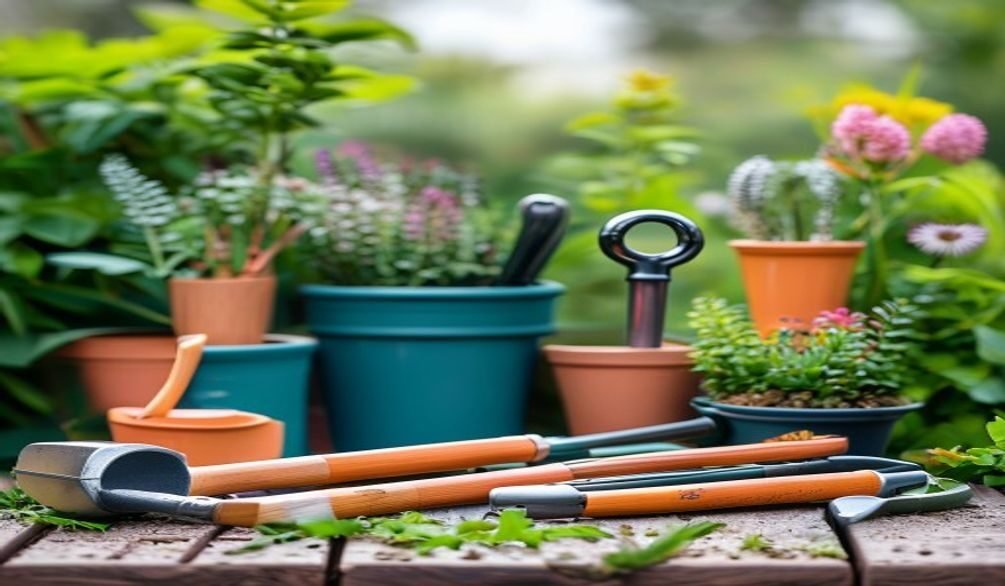
Key Takeaways
- Regular basic garden tool care prevents rust and maintains sharp edges, extending tool lifespan significantly.
- Disinfecting garden tool blades with a 70% alcohol solution reduces disease transmission by up to 90%, according to the University of Minnesota Extension (2023).
- Proper lubrication with products like Boeshield T-9 protects moving parts, reducing friction and preventing corrosion.
- The global garden tools market reached USD 119.13 billion in 2025, according to Market Data Forecast (2025).
- Storing tools in a dry, organized space like a shed or garage can prevent up to 80% of rust and damage incidents.
Are your trusty garden tools feeling a bit neglected, making your gardening tasks harder than they should be? Effective basic garden tool care is crucial for every gardener, ensuring your equipment remains sharp, efficient, and lasts for years to come. This guide, drawing on my 10+ years of horticultural expertise, will walk you through seven essential steps to maintain your tools, saving you money and effort.
Quick Answer: To maintain garden tools, regularly clean dirt and sap, disinfect blades, sharpen cutting edges, lubricate moving parts to prevent rust, and store them dry. This ensures longevity and optimal performance.
Why is basic garden tool care essential?
Basic garden tool care is essential because it significantly extends the lifespan of your equipment, improves performance, and prevents the spread of plant diseases. Neglecting tools can lead to rust, dull blades, and inefficient work, turning gardening into a chore.
Proper maintenance helps you avoid the cost of frequent replacements, as highlighted by Mary Fischer, a University of Illinois Extension horticulture educator, who advises, “Buy the best you can afford. Take care of your tools, and they will take care of you.” In my experience, a well-maintained tool can last decades, whereas a neglected one might fail within a year.
The global gardening tools market was valued at $12.4 billion in 2025 and is projected to reach $20.1 billion by 2034, expanding at a compound annual growth rate (CAGR) of 5.5% during the forecast period from 2026 to 2034, according to Market Data Forecast (2025). This growth underscores the importance of investing in quality tools and, more importantly, in their upkeep. Investing time in basic garden tool care truly pays off.
Moreover, sharp and clean tools make gardening safer and more enjoyable. Dull blades require more force, increasing the risk of injury, while dirty tools can harbor pathogens. Consistent basic garden tool care ensures every cut is clean, promoting healthier plant growth.
How do you clean and disinfect garden tools?
To clean and disinfect garden tools effectively, you should remove all dirt and sap after each use, then wipe down blades with a disinfectant to prevent disease transmission. This simple routine is a cornerstone of effective basic garden tool care.
Regular cleaning is vital because soil and plant sap can corrode metal and dull cutting edges. The University of Minnesota Extension (2023) states that disinfecting garden tool blades with a 70% alcohol solution reduces disease transmission by up to 90%. This practice is especially important when moving between different plants or beds, safeguarding your garden against fungal and bacterial infections.
Step 1: clean tools thoroughly after each use
After every gardening session, take a moment to clean your tools. This prevents caked-on dirt and sap from hardening, which can be much harder to remove later.
Use a stiff brush or an old rag to scrub off soil, then wash blades and metal parts with warm soapy water. For stubborn sap, especially on pruners like Felco or Fiskars models, a bit of mineral spirits or WD-40 on a rag can dissolve it effectively. This daily act of basic garden tool care saves significant effort in the long run.
Step 2: disinfect blades to prevent disease spread
Disinfecting your tools is crucial for preventing the spread of diseases among your plants. This step is often overlooked but is a vital part of basic garden tool care.
After cleaning off physical debris, wipe down all cutting surfaces with a disinfectant. A solution of 70% isopropyl alcohol or a 10% bleach solution (one part bleach to nine parts water) are effective choices, as recommended by the University of Minnesota Extension (2023). Let the disinfectant sit for a few minutes before wiping dry, especially when pruning diseased plants. This simple action can protect your entire garden.
What’s the best way to sharpen your garden tools?
The best way to sharpen your garden tools is to use a sharpening stone or diamond file, maintaining the original blade angle to ensure clean cuts and optimal performance. A sharp edge is fundamental to effective basic garden tool care.
Dull tools tear plant tissue rather than cutting it cleanly, leaving plants vulnerable to disease, according to the University of Florida IFAS Extension (2023). Regular sharpening, especially for tools like pruners and loppers, is critical for plant health and ease of use.
Step 3: sharpen cutting edges for optimal performance
Sharpening ensures your tools glide through branches and soil effortlessly, reducing strain on your hands and wrists. This is a primary component of basic garden tool care.
For pruners, such as the widely praised Felco pruners, use a fine-grit sharpening stone or diamond file at a 20-30 degree angle, sharpening only the beveled side of the blade. For shovels and hoes, a mill file can quickly restore a working edge. Always wear gloves and eye protection when sharpening. A well-sharpened tool, like my reliable DeWit perennial spade, makes gardening a joy.
Here’s a quick guide to sharpening different tool types:
| Tool Type | Recommended Sharpening Tool | Angle | Notes for Basic Garden Tool Care |
|---|---|---|---|
| Pruners/Loppers | Diamond File or Sharpening Stone | 20-30 degrees | Sharpen only the beveled edge; wipe with oil afterwards. |
| Shovels/Spades | Mill File | Original bevel | Sharpen the top side of the blade; remove burrs. |
| Hoes/Weeders | Mill File or Stone | Original bevel | Maintain a consistent angle for effective cutting. |
| Axes/Hatchets | Grinding Wheel or File | 25-30 degrees | Requires careful attention to balance and safety. |
How do you prevent and remove rust on garden tools?
To prevent rust, always clean and dry your garden tools thoroughly after each use, then apply a protective oil or wax to all metal surfaces. If rust has already formed, you can remove it using abrasive methods or rust-removing chemicals.
Rust weakens tool integrity and makes them inefficient, forcing you to exert more effort, according to the University of Wisconsin-Madison Extension (2023). Preventing rust is a critical aspect of basic garden tool care, ensuring longevity and peak performance.
Step 4: remove and prevent rust on metal surfaces
Rust is the arch-nemesis of metal garden tools, often leading to deterioration and reduced effectiveness. Proactive basic garden tool care is key to rust prevention.
After cleaning and drying, apply a light coat of a rust-inhibiting lubricant like Boeshield T-9 or linseed oil to all metal parts. For existing rust, a wire brush or steel wool can remove light corrosion. For heavy rust, products like Evapo-Rust or Bull Frog Rust Remover, as cited in research, can safely dissolve it without damaging the underlying metal. Always rinse and dry thoroughly after using rust removers, then re-lubricate.
Lubricating and protecting moving parts for garden tool care
Lubricating and protecting moving parts involves applying a suitable oil or grease to joints, pivots, and springs to ensure smooth operation and prevent corrosion. This is a vital step in comprehensive basic garden tool care.
Proper lubrication reduces friction, extends the life of moving components, and prevents stiff, difficult-to-operate tools, as many professional gardeners attest. Without it, tools like bypass pruners can seize up, making them unusable.
Step 5: lubricate moving parts for smooth operation
Lubrication is essential for any tool with moving parts, from pruners to loppers and even the wheels of a wheelbarrow. Regular lubrication is a non-negotiable part of basic garden tool care.
Use a few drops of a general-purpose oil, like 3-in-1 oil, mineral oil, or a specialized product like Boeshield T-9, on pivots and spring mechanisms. For larger tools with gears or chains, a heavier grease might be more appropriate. Work the oil into the joints by opening and closing the tool several times, then wipe off any excess to prevent dirt from sticking. This simple action ensures your tools remain responsive and easy to use.
Step 6: maintain and protect wooden handles
Wooden handles, though durable, require attention to prevent splintering, cracking, and drying out. Protecting them is an integral part of basic garden tool care.
Clean wooden handles with warm soapy water and a stiff brush, then allow them to dry completely. Once dry, apply a coat of linseed oil or Danish oil. This nourishes the wood, restores its natural luster, and creates a protective barrier against moisture. Repeat this treatment annually or whenever the wood appears dry. For handles with existing splinters, sand them smooth before oiling to ensure comfortable and safe use.
Seasonal garden tool care checklists
Seasonal garden tool care checklists provide a structured approach to maintaining your tools throughout the year, ensuring they are always ready for the task at hand and properly stored during dormant periods. Implementing these checklists is a proactive measure in basic garden tool care.
Adapting your basic garden tool care routine to the season maximizes efficiency and prevents damage from extreme weather or prolonged storage, as recommended by horticultural experts. For instance, winterizing tools is crucial for preventing rust and deterioration.
Spring preparation
- Inspect: Check all tools for damage, loose handles, or dull blades.
- Clean & Sharpen: Give all cutting tools a thorough cleaning and sharpening.
- Lubricate: Oil all moving parts and wooden handles.
- Organize: Ensure your tool storage is clean and accessible for the busy season ahead.
Summer maintenance
- Daily Wipe-Down: Quickly clean off dirt and sap after each use.
- Spot Sharpening: Touch up edges of frequently used tools like pruners (e.g., Fiskars or Felco) if they feel dull.
- Hydrate Handles: Reapply oil to wooden handles if they appear dry from sun exposure.
Autumn cleanup
- Deep Clean: Thoroughly clean all tools, removing all plant debris and soil.
- Inspect for Wear: Identify tools that might need repair or replacement.
- Sharpen Heavily: Prepare all cutting tools for sharpening before winter storage.
- Rust Prevention: Apply a heavier coat of rust inhibitor to metal parts.
Winter storage (winterizing garden tools)
Winterizing your garden tools is perhaps the most critical seasonal basic garden tool care task. Proper storage protects tools from moisture and cold, preventing rust and damage during their dormant period.
- Thorough Cleaning: Remove all dirt, sap, and rust.
- Sharpening: Ensure all blades are sharp and ready for spring.
- Lubrication & Protection: Apply a generous coating of oil (e.g., Boeshield T-9) to all metal parts and wooden handles.
- Dry Storage: Store tools in a dry, unheated shed or garage. Hang them on hooks or place them in toolboxes to keep them off damp floors. This prevents moisture accumulation, a primary cause of rust.
Sustainable practices for eco-friendly tool maintenance
Sustainable practices for eco-friendly tool maintenance involve choosing natural cleaning agents, opting for non-toxic lubricants, and extending tool life through diligent care to reduce waste. This approach aligns with broader sustainable gardening principles.
By minimizing the use of harsh chemicals and extending the life of your tools, you reduce your environmental footprint, supporting a healthier ecosystem. This conscious effort in basic garden tool care benefits both your garden and the planet.
When it comes to eco-friendly garden tool cleaners, consider using vinegar and baking soda for rust removal instead of strong acids. For lubrication, natural oils like linseed oil or tung oil are excellent alternatives to petroleum-based products. These options are less harmful to the environment and still highly effective for basic garden tool care.
Consider the entire lifecycle of your tools. Brands like DeWit, known for their hand-forged boron steel tools and ash wood handles, exemplify durability and repairability, reducing the need for frequent replacements. Investing in such quality tools, and then providing diligent basic garden tool care, is a truly sustainable choice.
Troubleshooting common garden tool issues
Troubleshooting common garden tool issues involves diagnosing problems like stiff joints, damaged handles, or persistent rust, and then applying targeted solutions to restore functionality. Addressing these problems promptly is a key component of effective basic garden tool care.
Early intervention can prevent minor issues from becoming major repairs or requiring premature tool replacement, ensuring your tools remain reliable. Many common problems can be resolved with simple home remedies or readily available products.
Stiff pruner joints
If your Felco or Fiskars pruners feel stiff, it’s often due to dried sap or dirt in the pivot. A quick solution is to spray the joint with a penetrating oil like WD-40 or Boeshield T-9, let it sit for a few minutes, then work the blades open and closed. Follow up with a good cleaning and lubrication for ongoing basic garden tool care.
Damaged wooden handles
Splintered or cracked wooden handles can be uncomfortable and unsafe. For splinters, sand the area smooth with fine-grit sandpaper, then apply several coats of linseed oil. For deeper cracks, wood glue can be used, clamped overnight, and then sanded and oiled. Replacing severely damaged handles might be necessary, but often, proper basic garden tool care can restore them.
Persistent rust
If rust keeps returning despite regular oiling, your storage area might be too damp. Consider adding a dehumidifier to your shed or garage, or storing tools in airtight containers with desiccant packets. For stubborn rust, products like Evapo-Rust are effective. Remember, consistent rust prevention is a core aspect of basic garden tool care.
Power tool maintenance (e.g., stihl hsa 26 grass shears)
For battery-powered tools like the Stihl HSA 26 Grass Shears, ensure batteries are stored in a cool, dry place and charged regularly, but not overcharged. Clean blades and air vents, and check for any loose connections. This specialized basic garden tool care ensures optimal performance and battery longevity.
If you encounter issues beyond simple fixes, like a bent blade on a quality DeWit spade or a complex mechanism on a Stihl power tool, it might be time to seek professional repair. Many hardware stores offer garden tool repair near me services, including expert sharpening and handle replacement, ensuring your valuable tools get the attention they deserve. This is an extension of comprehensive basic garden tool care.
Frequently asked questions
How do you maintain garden tools?
You maintain garden tools by consistently cleaning, disinfecting, sharpening, lubricating, and properly storing them. This routine, often called basic garden tool care, prevents rust and extends tool life significantly, saving money on replacements.
What oil do you use for garden tools?
You should use a multi-purpose oil like 3-in-1 oil, mineral oil, or a specialized rust-inhibiting lubricant such as Boeshield T-9 for garden tools. According to the University of Wisconsin-Madison Extension (2023), these oils protect metal from corrosion and ensure moving parts operate smoothly. Apply a light coat to all metal surfaces and joints after cleaning.
How do you clean rusty garden tools naturally?
You can clean rusty garden tools naturally using a paste of baking soda and water or by soaking them in white vinegar overnight. This method helps dissolve rust without harsh chemicals. After soaking, scrub with a wire brush or steel wool, then rinse, dry thoroughly, and apply a protective oil as part of your basic garden tool care.
How do you keep gardening tools from rusting?
You keep gardening tools from rusting by cleaning and drying them immediately after each use, then applying a protective layer of oil or wax to all metal surfaces. Storing tools in a dry environment, like a shed or garage, further prevents moisture exposure, which is the primary cause of rust.
How often should you sharpen garden tools?
You should sharpen garden tools, especially cutting tools like pruners and hoes, at least once a season, or whenever you notice them tearing instead of cleanly cutting. For frequently used tools, a quick touch-up every few weeks as part of your basic garden tool care can maintain optimal performance, as advised by the University of Florida IFAS Extension (2023).
Mastering basic garden tool care is an investment that pays dividends in your gardening journey, enhancing efficiency, extending tool life, and promoting healthier plants. By consistently cleaning, sharpening, lubricating, and storing your tools properly, you ensure they are always ready to perform. Implement these practices, and you’ll find your gardening tasks become more enjoyable and productive. Start your routine today and witness the lasting difference it makes in your garden.







