Key Takeaways
- 63.6% of gardeners plan to expand their gardens and plant more in 2026, according to Axiom.
- Rooting cuttings, known as asexual propagation, is a highly effective way to multiply plants, states Brie Arthur.
- The global plant tissue culture market is estimated at USD 574.5 million in 2025, according to Axiom.
- 42.8% of gardeners expect to spend more money on gardening in 2026, according to Axiom.
- Pothos and philodendrons are easily propagated by stem cuttings, offering quick results.
Ever wish you could have more of your favorite plants without breaking the bank? Learning basic plant propagation methods is your secret weapon, allowing you to multiply beloved specimens, save money, and share your green thumb with friends and family. This guide will walk you through seven simple, effective techniques to start growing new plants from existing ones right at home.
Quick Answer: Basic plant propagation involves creating new plants from existing ones using simple methods like stem cuttings, leaf cuttings, root division, layering, and seeds, offering a cost-effective way to expand your garden and multiply your favorite plants.
What is basic plant propagation?
Basic plant propagation is the art and science of creating new plants from existing ones, utilizing various simple techniques that allow gardeners to expand their collections without purchasing new specimens. This process is a simple and cost-effective way to grow any collection, according to the University of Illinois Extension. Essentially, you’re giving life to new plants using seeds or vegetative parts like stems, leaves, or roots from a parent plant—it’s truly rewarding.
What most people miss is how accessible these plant propagation techniques are. You don’t need a fancy greenhouse or specialized equipment to get started. My 10 years in gardening have shown me that even a simple kitchen counter can become a propagation station for many common houseplants. It’s about understanding the plant’s natural ability to regenerate and providing the right conditions. Learning basic plant propagation methods means you can clone your favorite plants, ensuring their desirable traits are passed on.
What are the easiest methods of plant propagation?
The easiest methods of plant propagation for beginners typically involve stem cuttings, leaf cuttings, and root division, as these often require minimal tools and offer high success rates. Rooting cuttings is what’s known as asexual propagation and is one of the easiest and most effective ways to propagate additional plants, according to Brie Arthur, author of *The Foodscape Revolution*. These methods are perfect for getting started with basic plant propagation methods because they don’t involve the complexities of seed germination or the commitment of layering.
In practice, I’ve found that many popular houseplants like Pothos or Snake Plants practically beg to be propagated this way. They root quickly, providing almost instant gratification. For those looking to expand their garden in 2026, 63.6% of gardeners plan to do just that, according to Axiom, making these easy plant cloning methods particularly relevant. Choosing the right method depends on your specific plant, but these three are generally foolproof for beginners.
| Propagation Method | Ease for Beginners | Common Plants | Key Benefit |
|---|---|---|---|
| Stem Cuttings | Very Easy | Pothos, Philodendron, Basil | Quick rooting, true to parent |
| Leaf Cuttings | Easy | Snake Plant, African Violet | Can produce multiple plants |
| Root Division | Moderate | ZZ Plant, Hostas, Perennials | Instant mature plants |
| Layering | Moderate | Vines, Shrubs | High success rate, roots on parent |
| Seeds | Varies (Easy to Hard) | Annuals, Vegetables, Flowers | Genetic diversity, many plants |
How to propagate plants by stem cuttings
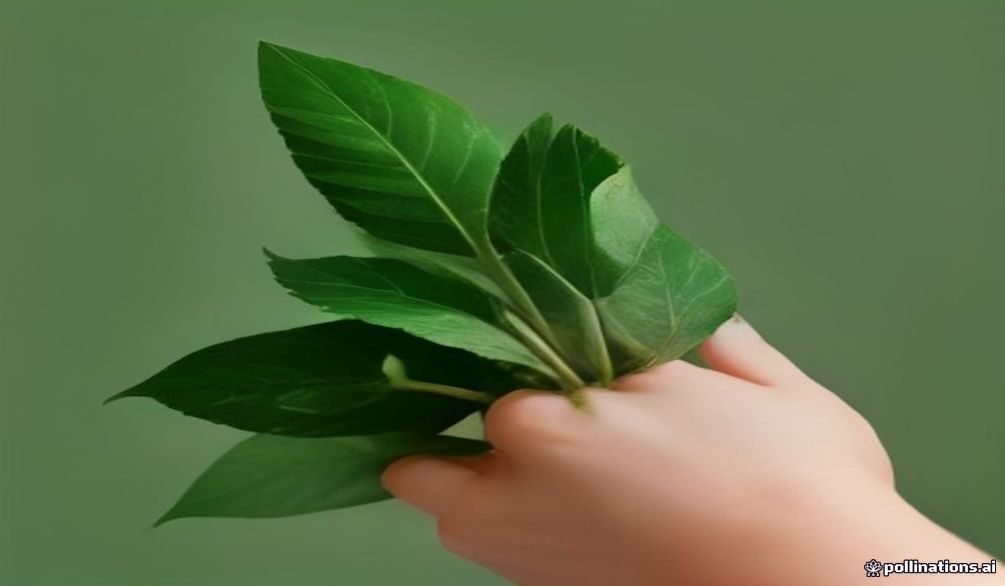
Propagating plants by stem cuttings involves taking a section of a stem from a parent plant and encouraging it to grow new roots, creating an exact clone. This is often the first method people try when exploring basic plant propagation methods because it’s so straightforward. Many herbs like basil can root in days or weeks when placed in water, according to common gardening practices.
Here’s the thing: most people just snip and stick, but there’s a bit more to it for optimal success. You want to make sure your cutting has at least one node—that’s the bump on the stem where leaves or roots emerge. This is where the magic happens for new root growth.
To successfully propagate by stem cuttings:
- Select a healthy stem: Choose a non-flowering stem about 4-6 inches long with several leaves.
- Make a clean cut: Cut just below a node using sharp, clean scissors or a knife. This minimizes damage and prevents disease.
- Remove lower leaves: Strip off any leaves that would be submerged in water or buried in soil to prevent rot.
- Apply rooting hormone (optional but recommended): Dip the cut end into a rooting hormone like Clonex gel or Bontone II Rooting Powder to encourage faster root development.
- Place in medium: You can place the cutting in a glass of water, changing the water every few days, or directly into a moist, well-draining potting mix.
- Provide proper care: Keep the cutting in bright, indirect light and maintain consistent moisture. A humidity dome can also help.
I’ve seen countless Pothos and Philodendron plants successfully propagated this way. It’s truly one of the most satisfying basic plant propagation methods.
How to propagate plants by leaf cuttings
Leaf cuttings involve using a single leaf, or part of a leaf, to generate an entirely new plant, a method particularly effective for plants with fleshy leaves that readily produce new plantlets. This is another excellent technique among basic plant propagation methods, especially for plants like snake plants, croton, peperomia, and African violets, which are commonly propagated this way. What most people miss is that not all plants can be propagated from a single leaf; some require a piece of the stem attached.
For plants like African violets, you can take an entire leaf with its petiole (leaf stem) and insert it into a moist potting mix. For snake plants, you can cut a long leaf into several 2-3 inch sections. Make sure you remember which end is “up” to plant them correctly! This might sound simple, but it’s not always. Sometimes, it takes a few tries to get the conditions just right for these vegetative propagation techniques.
How to propagate plants by root division
Root division is a straightforward basic plant propagation method that involves physically separating a mature, clumping plant into smaller sections, each with its own roots and shoots, to create multiple new plants. This technique is ideal for ZZ plants with their rhizomes, as well as many perennials and plants with tight crowns, according to common gardening advice. It’s an instant way to get more mature plants, unlike waiting for cuttings to root or seeds to germinate.
Here’s how I approach root division:
- Unpot the plant: Gently remove the parent plant from its container. For garden plants, carefully dig around the root ball.
- Clean the roots: Shake off excess soil to better see the root structure.
- Identify natural divisions: Look for natural clumps or sections that can be easily pulled apart or cut.
- Divide the plant: Use clean, sharp tools (or even your hands for some plants) to separate the root ball into smaller sections. Ensure each section has a good portion of roots and at least one growth point.
- Repot immediately: Plant the newly divided sections into fresh potting mix or directly into the garden.
This is one of the most satisfying plant propagation techniques because you get immediate results. I always make sure my tools are sterilized to prevent any disease transfer.
How to propagate plants by layering
Layering is a basic plant propagation method where a stem is encouraged to root while still attached to the parent plant, providing a continuous supply of water and nutrients until the new plant is established. This technique offers a very high success rate because the “cutting” isn’t severed until it has already developed its own root system. Air layering, for example, involves removing a strip of bark from a branch, covering the area with moist sphagnum moss and plastic wrap, and then cutting below the rooted area once roots are visible, according to various horticultural guides.
There are two main types of layering:
- Simple Layering: A low-growing stem is bent to the ground, a section is buried in the soil, and the tip is left exposed. Once roots form, the new plant is cut from the parent. This works well for many shrubs and vining plants.
- Air Layering: This is perfect for plants with woody stems that can’t easily be bent to the ground. You make a small incision on the stem, apply rooting hormone, wrap it in moist sphagnum moss, and then seal it with plastic wrap or aluminum foil. After several weeks or months, you’ll see roots forming within the moss.
Let me be honest with you: air layering requires a bit more patience and precision than a simple stem cutting, but the success rate makes it worth the effort for those tougher-to-root specimens. It’s a fantastic way to ensure your efforts in basic plant propagation methods pay off.
How to propagate plants from seeds
Propagating plants from seeds involves planting viable seeds into a growing medium, allowing them to germinate and grow into new plants, and it’s a fundamental method for producing many plants at once. This approach is ideal for annuals, vegetables, and some perennials, providing genetic diversity and often a cost-effective way to fill your garden, as highlighted by the University of Illinois Extension. While not always considered a “cloning” method, it’s a core part of basic plant propagation methods.
Growing flowers from seed, or any plant for that matter, is a rewarding experience. Here’s what I recommend:
- Choose quality seeds: Fresh, viable seeds are key. Consider varieties like the “Better Boy Tomato Hybrid” which started from seed propagation.
- Prepare your medium: Use a sterile seed-starting mix in trays or small pots. Burgon & Ball produces a seed tray tamper for consistent soil density.
- Plant at the correct depth: Follow package instructions for depth and spacing. A general rule is to plant seeds at a depth equal to their diameter.
- Provide consistent moisture: Keep the soil consistently moist but not waterlogged. A humidity dome can help maintain ideal conditions.
- Ensure warmth and light: Most seeds need warmth to germinate and then bright light once they sprout to prevent leggy growth. Heat mats from HTG Supply can be beneficial.
This is where most guides stop—we won’t. Remember, once your seedlings emerge, they’ll need gradual hardening off before being transplanted outdoors. It’s a critical step often overlooked in basic plant propagation methods.
Tips for successful plant propagation
Achieving success with basic plant propagation methods hinges on providing the right conditions and paying attention to detail, ensuring your new plants have the best chance to thrive. From my experience, consistent moisture and proper light are non-negotiable for rooting cuttings and germinating seeds. In 2025, 49.5% of gardeners spent more money on gardening, an 11.5% increase from 2024, indicating a growing passion that extends to successful propagation, according to Axiom.
Here are some key tips that I’ve found make a huge difference:
- Sterilize your tools: Always use clean, sharp scissors, knives, or pruners. This prevents the spread of diseases.
- Use a rooting hormone: Products like Clonex gel can significantly increase rooting success and speed, especially for stem cuttings.
- Provide adequate humidity: Many cuttings benefit from high humidity. A plastic bag or a propagation dome can create a miniature greenhouse effect.
- Ensure proper drainage: Whether in water or soil, good drainage prevents rot. For soil, use a well-aerated propagation mix.
- Patience is key: Some plants root faster than others. Don’t give up if you don’t see results immediately.
- Monitor environmental conditions: Keep an eye on temperature, light, and humidity. Too much direct sun can scorch young cuttings.
- Label your cuttings: Especially when propagating multiple types of plants, labels prevent confusion.
HRI is investing in projects in 2026 to improve propagation systems and rooting success, including Hsuan Chen at North Carolina State University developing micropropagation systems for redbud cultivars due to rising demand. This research underscores the importance of refining these basic plant propagation methods for even greater efficiency.
Frequently asked questions
What are the 4 main methods of plant propagation?
The four main methods of plant propagation are seeds, cuttings (stem, leaf, or root), division, and layering. These cover both sexual and asexual plant propagation techniques, offering diverse ways to create new plants. The University of Illinois Extension highlights these as simple and cost-effective methods for expanding a plant collection.
What are the 7 types of plant propagation?
The seven common types of plant propagation include seeds, stem cuttings, leaf cuttings, root cuttings, division, layering (simple and air layering), and grafting. Each method leverages different parts of the plant or genetic material to produce new individuals. Understanding these basic plant propagation methods allows gardeners to choose the best approach for their specific plants.
What is the easiest method of plant propagation?
The easiest method of plant propagation for many beginners is often stem cuttings, especially for common houseplants like Pothos or Philodendron. Brie Arthur states that rooting cuttings, known as asexual propagation, is one of the easiest and most effective ways to propagate additional plants. These plants root readily in water or soil, providing quick and satisfying results.
What are the 2 types of plant propagation?
The two fundamental types of plant propagation are sexual propagation and asexual (or vegetative) propagation. Sexual propagation involves seeds, which result from the fusion of male and female gametes, while asexual propagation uses vegetative parts like stems, leaves, or roots to create genetic clones of the parent plant. Both are crucial basic plant propagation methods for gardeners.
Mastering basic plant propagation methods empowers you to expand your garden, preserve cherished plants, and share the joy of gardening without constant purchases. By understanding and applying these simple techniques—from stem cuttings to root division and planting seeds—you can transform a single plant into many. So, grab your pruners, get inspired, and start growing your green oasis today!