Key Takeaways
- 63.6% of gardeners plan to expand their gardens in 2026, according to the Axiom 2026 Gardening Outlook Study.
- The global garden seeds market is projected to reach nearly $5.4 billion by 2035, growing from $3.7 billion in 2025.
- Tomatoes are the most popular homegrown vegetable, found in 86% of food gardens, based on RubyHome’s Gardening Statistics (2026).
- Choosing seeds for beginners in 2026 involves prioritizing easy-to-grow varieties like radishes and leafy greens.
- Reputable seed companies like Baker Creek Heirloom Seeds and Burpee offer quality seeds with high germination rates.
Navigating the vast world of seed choices can feel overwhelming for new gardeners, but **Choosing Seeds for Beginners 2026** is simpler than you might think when armed with the right knowledge. This guide will empower you to select the ideal seeds for a thriving garden, ensuring a successful and rewarding growing season from the very start. My 10+ years in horticulture have shown me that a strong foundation in seed selection is the secret to a bountiful harvest.
Quick Answer: Choosing seeds for beginners in 2026 involves selecting easy-to-grow varieties suited to your climate and space. Focus on reputable sources and understand seed types like heirloom vs. hybrid to ensure a successful, bountiful garden.
What seeds are easiest for beginners to grow in 2026?
The easiest seeds for beginners to grow in 2026 are generally fast-germinating, low-maintenance vegetables and herbs that tolerate a range of conditions. For instance, tomatoes are the most popular homegrown vegetable, found in 86% of food gardens, according to RubyHome’s Gardening Statistics (2026), making them a rewarding choice even for novices. When you are just starting out with choosing seeds for beginners in 2026, building confidence is key.
Many beginners find success with quick-growing varieties that show results quickly. This immediate feedback helps maintain enthusiasm and provides valuable learning experiences. Focus on plants that don’t require complex care or specific environmental controls.
Radishes are among the fastest-growing options, often sprouting in just 3-5 days. Their rapid development makes them incredibly satisfying for new gardeners.
Leafy greens like lettuce and spinach are also excellent choices for choosing seeds for beginners in 2026, thriving in cooler weather and offering continuous harvests. These plants are relatively forgiving of minor mistakes.
Here are some top easy-to-grow vegetable seeds for beginners:
- Radishes: Quick to mature and tolerant of various soil types.
- Lettuce & Spinach: Ideal for early-season planting and cut-and-come-again harvesting.
- Green Beans: Flourish in warm weather with minimal fuss, available in bush or pole varieties.
- Zucchini & Summer Squash: Prolific producers once established, offering generous yields.
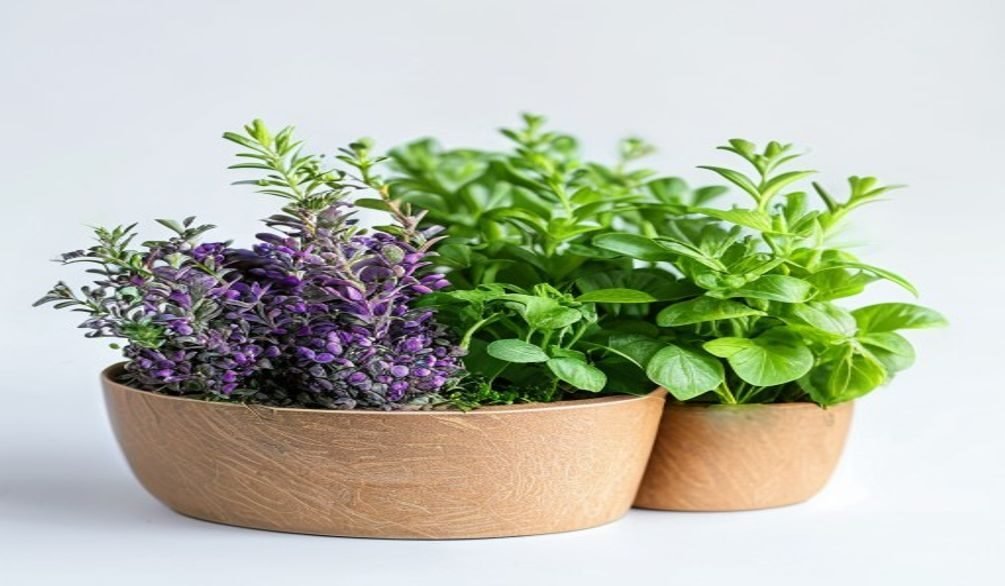
- Basil: A fragrant herb that grows well in containers or garden beds, perfect for culinary use.
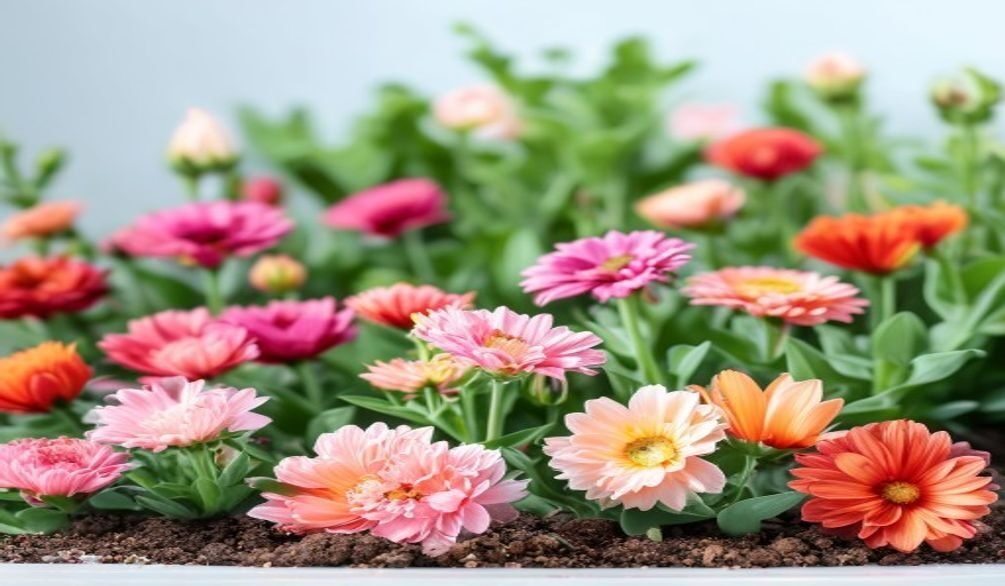
- Marigolds & Zinnias: Easy-to-grow flowers that add beauty and can deter pests naturally.
For those interested in starting a vegetable garden, the article Starting Your First Vegetable Garden 2026: Easy Blueprint offers further guidance. Choosing seeds for beginners in 2026 should prioritize these resilient and rewarding options.
How do I choose good quality seeds for my garden?
Choosing good quality seeds for your garden involves prioritizing reputable suppliers, checking germination rates, and understanding seed treatment. High-quality seeds are the foundation of a healthy garden, directly impacting plant vigor and yield, as Petra Page-Mann of Fruition Seeds emphasizes, “the seeds that you choose are the foundation of the bountiful harvest that you will enjoy.” This makes choosing seeds for beginners in 2026 a crucial first step.
The quality of your seeds dictates everything from germination success to disease resistance. Investing in good seeds reduces the likelihood of disappointing results and wasted effort. Always opt for fresh seeds from trusted sources.
Reputable seed companies rigorously test their seeds for viability and purity. They provide essential information like germination rates and best-by dates, ensuring you receive viable products.
Look for seed packets that clearly state the year the seeds were packed and a “sell by” date. Fresher seeds generally have higher germination rates.
When you are choosing seeds for beginners in 2026, consider these factors:
- Reputable Seed Companies: Brands like Baker Creek Heirloom Seeds, Burpee, Johnny’s Selected Seeds, and Hoss Tools are known for their quality and extensive selections. Seed Savers Exchange is excellent for heirloom and open-pollinated varieties.
- Germination Rate: While not always listed on every packet, reputable companies maintain high standards. A germination rate of 80% or higher is generally considered excellent for most vegetable seeds.
- Seed Age: Purchase seeds packed for the current growing season (2026). Seeds lose viability over time, so fresh stock is crucial.
- Organic vs. Conventional Seeds: Organic seeds are produced without synthetic pesticides or fertilizers, appealing to those seeking an organic garden. Conventional seeds are more widely available and often more affordable.
- Treated vs. Untreated Seeds: Treated seeds may have fungicides or insecticides applied, which can protect against early disease but are not suitable for organic gardening. Untreated seeds are preferable for natural growing methods.
From my experience, a simple “ragdoll test” at home can also check viability: place 10 seeds on a damp paper towel, roll it up, put it in a plastic bag, and check for sprouts in 5-7 days. This helps with choosing seeds for beginners in 2026 by verifying their quality.
What is the difference between heirloom and hybrid seeds?
Heirloom seeds are open-pollinated varieties that have been passed down through generations, typically for at least 50 years, maintaining their genetic integrity and producing offspring identical to the parent plant. In contrast, hybrid seeds are created by cross-pollinating two different parent plants to combine desirable traits, but their offspring (F2 generation) will not be true to type. In 2025, the hybrid seeds segment dominated the market, valued at USD 27.54 billion, due to their superior yield potential and disease resistance, showcasing their commercial importance. Understanding this distinction is vital for choosing seeds for beginners in 2026.
This fundamental difference impacts everything from flavor and disease resistance to seed saving potential. Both types have advantages, depending on your gardening goals. Many new gardeners find themselves at a crossroads when deciding between these two.
Heirloom varieties are prized for their unique flavors, historical significance, and the ability to save seeds for future planting. They offer genetic diversity and a connection to gardening heritage.
Hybrid seeds often boast improved vigor, uniformity, and resistance to common pests and diseases, making them a reliable choice for consistent harvests. They are bred for specific performance traits.
Here’s a comparison to help with choosing seeds for beginners in 2026:
| Feature | Heirloom Seeds | Hybrid Seeds |
|---|---|---|
| Definition | Open-pollinated varieties passed down for generations (often 50+ years). | Cross-pollination of two distinct parent plants (F1 generation). |
| Seed Saving | Yes – offspring will be true to type (identical to parent). | No – offspring will not be true to type (variable traits). |
| Genetic Diversity | High – adapted to local conditions over time. | Lower – bred for specific, uniform traits. |
| Flavor | Often praised for unique, complex, and intense flavors. | Good, but sometimes less complex than heirlooms; bred for consistency. |
| Disease Resistance | Variable – can be susceptible to some diseases unless specifically bred for resistance. | Often bred with specific disease resistance for improved reliability. |
| Yield | Good, but can be less uniform or prolific than hybrids in some conditions. | Often higher and more uniform yields, especially in commercial settings. |
| Cost | Generally comparable to hybrids, sometimes slightly more for rare varieties. | Can be more expensive due to breeding costs. |
| Example | Brandywine Tomato, Black Krim Tomato | Celebrity Tomato, Big Beef Tomato |
For a beginner, I often recommend trying a mix. Start with easy heirloom vegetables like ‘Black Krim’ tomatoes from Baker Creek Heirloom Seeds for flavor, and a reliable hybrid like ‘Obsession’ sweet corn from Hoss Tools for consistent yield. This balanced approach helps in choosing seeds for beginners in 2026.
How to choose seeds that thrive in your local climate?
To choose seeds that thrive in your local climate, you must first understand your USDA hardiness zone, average frost dates, and local microclimates. As Kelly Pemberton of Green and Prosperous advises, “When you choose seeds that align with your climate and season length, you dramatically increase your chances of success.” This careful selection process is integral to successfully choosing seeds for beginners in 2026.
Your local climate dictates which plants will flourish and which will struggle. Ignoring these factors can lead to stunted growth, poor yields, or complete crop failure. Proper climate matching ensures your plants receive adequate heat, light, and a sufficient growing season.
Knowing your last spring frost date and first fall frost date defines your growing season. This helps you select varieties with “days to maturity” that fit within that window.
Consider local specifics like soil type, wind exposure, and sun patterns. These microclimates can significantly impact how well a plant performs, even within your general zone.
Step 1: Assess Your Local Climate & Space for Choosing Seeds for Beginners 2026
The first step in choosing seeds for beginners in 2026 is to thoroughly assess your local climate and available gardening space. Understanding these factors will prevent you from planting seeds that are ill-suited to your environment. This assessment forms the bedrock of successful garden planning 2026.
Identify your USDA Plant Hardiness Zone, which indicates the average annual extreme minimum winter temperature. This zone helps determine which perennial plants can survive winter outdoors in your region.
Research your specific area’s average last spring frost date and first fall frost date. These dates define your growing season, impacting when you can safely plant seeds outdoors.
Consider the following:
- Sunlight: Most vegetables require at least 6-8 hours of direct sunlight daily. Observe your garden throughout the day to map sun exposure.
- Soil Type: Is your soil sandy, clay, or loamy? Different plants prefer different soil conditions. Consider soil testing for nutrient levels and pH.
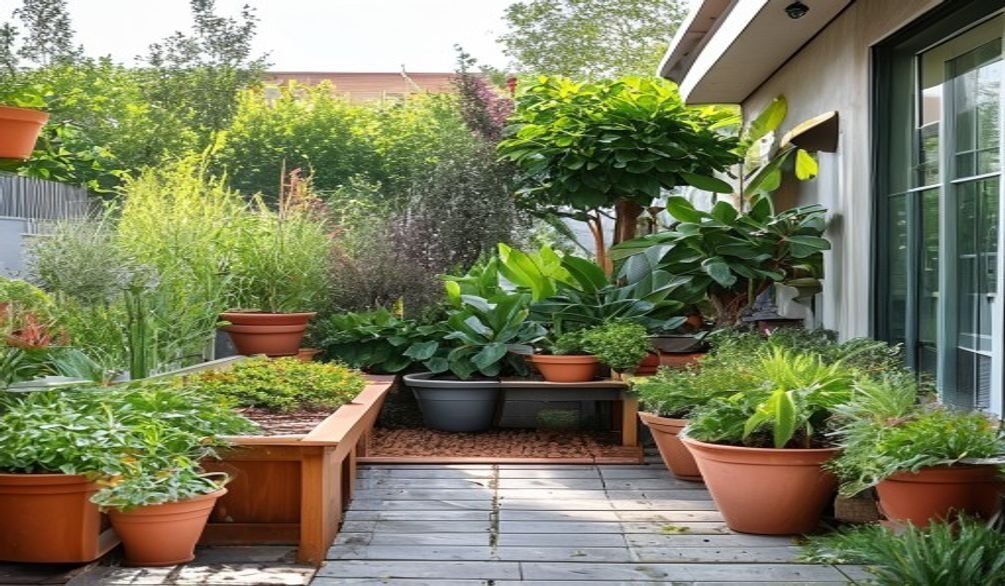
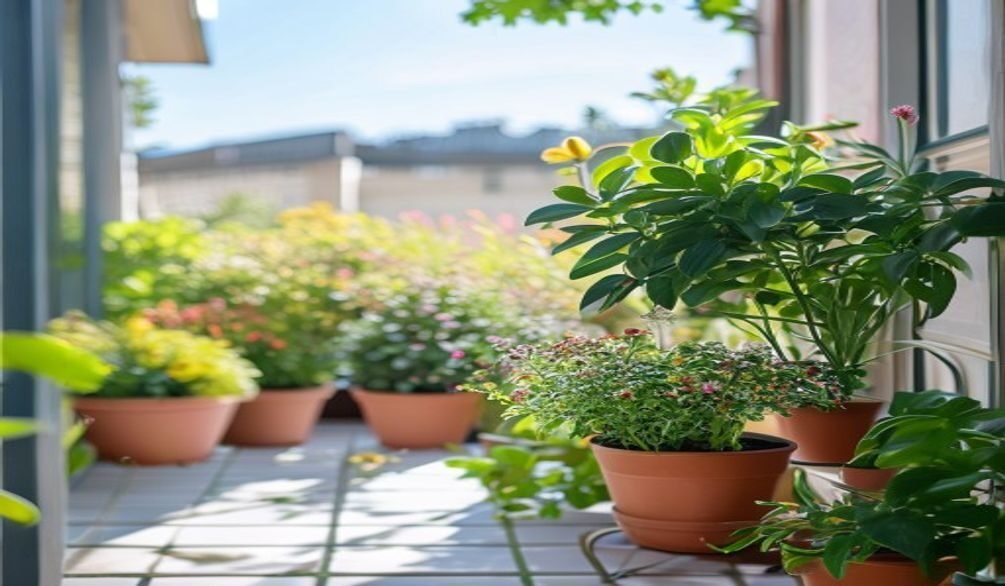
- Space Available: Are you growing in raised beds, containers, or a large in-ground plot? This impacts the type and quantity of seeds you can choose. For small spaces, look for compact or bush varieties.
Step 2: Choose Easy-to-Grow Seed Varieties for Beginners
After assessing your climate, the next step in choosing seeds for beginners in 2026 is to select specific easy-to-grow seed varieties. Prioritizing resilient plants ensures a higher chance of success and a more enjoyable gardening experience. This is especially important when you are just starting out.
Look for varieties labeled “beginner-friendly” or “easy to grow” in seed catalogs. These often have broad adaptability and strong germination rates.
Consider pest-resistant vegetable seeds. Varieties naturally resistant to common local pests will reduce maintenance and the need for interventions, making gardening simpler for beginners.
Here are some varieties known for their beginner-friendliness:
- Bush Beans: Varieties like ‘Provider’ or ‘Contender’ are reliable and don’t require trellising.
- Cherry Tomatoes: ‘Sungold’ or ‘Sweet 100’ are prolific and less prone to disease than larger varieties.
- Swiss Chard: Tolerant of both cool and warm temperatures, providing continuous harvests.
- Radishes: ‘Cherry Belle’ or ‘French Breakfast’ are quick and easy.
- Drought-tolerant seeds: If you live in a drier climate, look for specific drought-tolerant seeds like ‘Black Eyed Peas’ or certain squash varieties to conserve water.
When choosing seeds for beginners in 2026, don’t be afraid to experiment with a few different easy types.
When should a beginner start seeds indoors in 2026?
A beginner should start seeds indoors in 2026 typically 4-12 weeks before their average last spring frost date, depending on the specific plant’s requirements. This practice gives plants a head start on the growing season, allowing them to mature properly and produce earlier harvests, which is particularly beneficial for plants with long maturity periods. For many, this indoor seed starting guide 2026 is a critical phase.
Starting seeds indoors extends your effective growing season, especially in regions with shorter summers. It also allows you to grow varieties that might not have enough time to mature if sown directly outdoors.
Consult your seed packets for specific “start indoors” recommendations. Most will provide a timeframe relative to the last frost date, such as “6-8 weeks before last frost.”
Using a seed starting calendar tailored to your hardiness zone is highly recommended. These calendars provide precise timing for various crops based on your local climate.
When considering choosing seeds for beginners in 2026 for indoor starting, keep these points in mind:
- Long-Season Crops: Peppers, tomatoes, and eggplants often require 8-10 weeks indoors due to their extended growth cycles.
- Slow Germinators: Herbs like rosemary or lavender can take several weeks to sprout, benefiting from an early indoor start.
- Cool-Season Crops: Broccoli, cabbage, and kale can be started 6-8 weeks before the last frost for an early spring transplant.
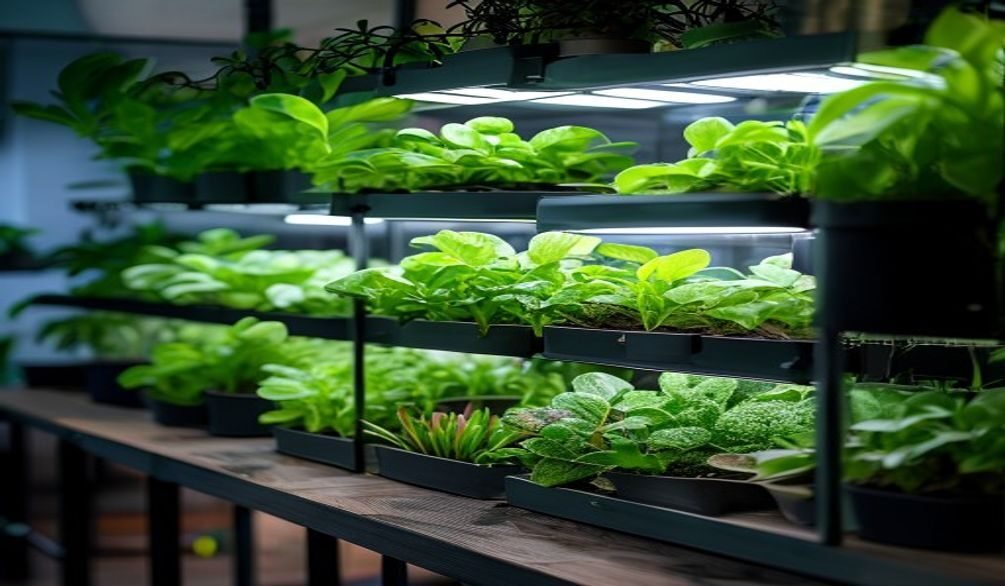
- Space and Light: Ensure you have adequate space and a strong light source (grow lights are often necessary) to prevent leggy seedlings. Balcony Garden Grow Lighting Ideas 2026: Ultimate Guide can provide useful tips.
From my experience, proper indoor conditions are paramount. Maintain consistent soil moisture, provide good air circulation, and use sterile seed-starting mix to prevent diseases. This proactive approach significantly improves success when choosing seeds for beginners in 2026.
Maximizing your harvest: Budget-friendly seed strategies for beginners
Maximizing your harvest with budget-friendly seed strategies for beginners involves purchasing seeds wisely, practicing seed saving, and utilizing community resources to reduce costs. Many gardeners are cost-conscious, and with 42.8% of U.S. homeowners expecting to spend more money on gardening in 2026, according to RubyHome’s Gardening Statistics (2026), smart spending on seeds is more relevant than ever. This approach is key to successfully choosing seeds for beginners in 2026 without breaking the bank.
Gardening doesn’t have to be an expensive hobby. Strategic seed choices and management can significantly cut costs while still yielding a bountiful harvest. Every dollar saved on seeds can be invested in soil amendments or tools.
Buying seeds in bulk or through co-ops can offer substantial savings compared to individual packets. Share larger seed packets with fellow gardeners to reduce per-seed cost.
Focus on open-pollinated varieties, as these allow for successful seed saving from your own plants, creating a self-sustaining and free seed supply for future seasons.
Here are some budget-friendly seed strategies:
- Purchase Seeds on Sale: Many seed companies offer discounts towards the end of the season or during specific sales events. Keep an eye out for these opportunities when choosing seeds for beginners in 2026.
- Seed Swaps & Exchanges: Participate in local seed swap events or online seed exchanges. This is a fantastic way to acquire new varieties for free and share your surplus.
- Seed Saving for Beginners: Learn to save seeds from your open-pollinated (non-hybrid) plants. Vegetables like beans, peas, lettuce, and tomatoes are excellent for beginners to start saving seeds from. This practice ensures free seeds for next year.
- Grow High-Value Crops: Prioritize vegetables that are expensive to buy at the grocery store, such as specialty greens, herbs, or certain tomatoes. Growing these from seed offers the greatest cost savings.
- Utilize Community Gardens: Some community gardens offer shared seed libraries or group purchasing discounts, further reducing the cost of choosing seeds for beginners in 2026.
From my 10 years of gardening, I’ve seen firsthand how seed saving can transform a garden’s budget. Companies like Seed Savers Exchange also promote and educate on seed saving, which is a great resource. This is a vital aspect of choosing seeds for beginners in 2026 for long-term sustainability.
Troubleshooting common seed starting issues for beginners
Troubleshooting common seed starting issues for beginners involves identifying the root cause of problems like poor germination, leggy seedlings, or damping-off, and implementing corrective measures. Matt Montgomery, agronomy education lead at Beck’s, advises gardeners to “Take notes from now to harvest about issues that have arisen” to inform future seed choices and improve success. Addressing these issues early can salvage your efforts when choosing seeds for beginners in 2026.
Even with the best planning, problems can arise. Knowing how to diagnose and fix these issues is a valuable skill for any new gardener, turning potential failures into learning opportunities. Early intervention is often the key to recovery.
Poor germination is often due to old seeds, incorrect planting depth, or inconsistent moisture and temperature. Always use fresh, viable seeds and follow packet instructions precisely.
Leggy seedlings, characterized by long, thin stems, indicate insufficient light. Provide stronger, closer light sources or extend the duration of light exposure to prevent this common problem.
Here are common issues and their solutions for choosing seeds for beginners in 2026:
- No Germination:
- Cause: Old seeds, too deep/shallow planting, incorrect temperature, lack of moisture.
- Solution: Use fresh seeds (packed for 2026), check planting depth, ensure consistent warmth (use a heat mat), keep soil consistently moist but not waterlogged.
- Leggy Seedlings:
- Cause: Insufficient light.
- Solution: Move light source closer (1-2 inches above seedlings), use brighter grow lights, increase light duration to 14-16 hours daily.
- Damping-Off Disease:
- Cause: Fungal disease in overly wet, poor-draining soil; unsterile equipment.
- Solution: Use sterile seed-starting mix and trays, ensure good air circulation (a small fan helps), avoid overwatering, and clean tools.
- Yellowing Leaves:
- Cause: Nutrient deficiency, overwatering, or underwatering.
- Solution: Fertilize with a diluted liquid fertilizer once true leaves appear, check soil moisture, ensure proper drainage.
- Stunted Growth:
- Cause: Lack of nutrients, overcrowding, incorrect temperature, root bound.
- Solution: Thin seedlings to appropriate spacing, transplant into larger pots if root bound, provide adequate light and nutrients.
For choosing seeds for beginners in 2026, remember that observation is your best tool. Regularly check your seedlings for any signs of distress and address them promptly. This proactive approach will save many plants.
Frequently Asked Questions
What are the easiest vegetables to grow from seed for beginners?
The easiest vegetables for beginners to grow from seed include radishes, lettuce, green beans, and zucchini, as they germinate quickly and require minimal care. Tomatoes are also a popular choice, found in 86% of food gardens, according to RubyHome’s Gardening Statistics (2026). Starting with these resilient options builds confidence and ensures early gardening success.
How do I choose the best online seed companies for organic seeds in 2026?
To choose the best online seed companies for organic seeds in 2026, look for certifications (like USDA Organic), read reviews, and check their selection of heirloom and open-pollinated varieties. Companies like Baker Creek Heirloom Seeds, Seed Savers Exchange, and Johnny’s Selected Seeds are highly regarded for their quality organic and heirloom offerings. Prioritize companies that provide detailed growing information and customer support.
What is the most important factor when choosing seeds for beginners in 2026?
The most important factor when choosing seeds for beginners in 2026 is selecting varieties that are well-suited to your local climate and growing conditions. As Kelly Pemberton states, aligning seeds with your climate “dramatically increase[s] your chances of success.” This ensures plants can thrive with minimal intervention, making gardening enjoyable and productive.
How do I read seed packets to ensure success as a beginner?
To ensure success as a beginner, carefully read seed packets for vital information such as planting depth, spacing, days to germination, days to maturity, and light requirements. The packet also provides the “packed for” year (e.g., 2026) and specific instructions for starting seeds indoors or direct sowing. Understanding these details is crucial for successful plant establishment.
Can beginners save seeds from their garden in 2026?
Yes, beginners can absolutely save seeds from their garden in 2026, especially from open-pollinated varieties like beans, peas, and tomatoes. This budget-friendly practice allows you to grow free