Key Takeaways
- Northern Hemisphere citrus production is projected to decrease by 1.51% for the 2025-2026 season, according to the World Citrus Organisation (2025).
- Florida’s lemon production for the 2025-2026 season is estimated at 900,000 boxes, a 29% increase from the previous season, as reported by the U.S. Department of Agriculture (2026).
- Southern Hemisphere grapefruit production is forecast to increase by 21.21% in 2026 compared to 2025.
- The Owari Satsuma mandarin can tolerate temperatures as low as 12°F (-11°C) briefly on mature trees, according to “Growing Your Greens” (2020).
- The Flying Dragon rootstock can help citrus trees survive to zero degrees Fahrenheit unprotected, according to “Growing Your Greens” (2020).
Ever wondered if you can enjoy fresh, homegrown citrus even if you live where winter brings a chill? The good news is, successfully growing citrus cool climates is not only possible but increasingly popular with the right knowledge and techniques. As an expert gardener with over 10 years of experience, I’ve seen firsthand how dedicated growers can cultivate thriving citrus trees far beyond traditional warm zones. This guide will share 7 essential tips to help your citrus flourish, even when the temperatures drop.
Quick Answer: Growing citrus in cool climates is possible by choosing cold-hardy varieties like Yuzu or Owari Satsuma, utilizing cold-tolerant rootstocks, and implementing protective measures such as container growing, strategic microclimate placement, and frost covers.
What is the lowest temperature a citrus tree can tolerate?
The lowest temperature a citrus tree can tolerate varies significantly by species and maturity, but generally, most common citrus varieties suffer damage or death below 28°F (-2°C). However, certain cold-hardy citrus varieties can briefly withstand temperatures as low as 12°F (-11°C), as demonstrated by the Owari Satsuma mandarin, according to “Growing Your Greens” (2020). This remarkable resilience is key for growing citrus cool climates, especially when paired with protective measures.
Real talk: it’s not just about the absolute lowest temperature, but also the duration of the cold snap and the health of the tree. Young trees are far more susceptible to cold damage than established ones. For instance, a mature Owari Satsuma on a cold-hardy rootstock might shrug off a brief dip to 12°F, but a young Meyer Lemon would likely be severely damaged or killed.
Understanding citrus cold tolerance levels
To help you choose, here’s a quick guide to general cold tolerance:
- Very Cold Hardy (down to 10-15°F / -12 to -9°C): Yuzu, Ichang Lemon, some Trifoliate Hybrids. These are your best bets for truly challenging environments.
- Cold Hardy (down to 15-20°F / -9 to -7°C): Satsuma Mandarins (Owari, Brown Select), Kumquats, Meyer Lemon. Excellent choices for many cooler zones with some protection.
- Moderately Hardy (down to 20-25°F / -7 to -4°C): Navel Oranges, Grapefruit, most Mandarins. These typically require more significant protection or container growing.
- Tender (below 25°F / -4°C): Limes (Mexican/Key Lime), some Sweet Oranges. Best suited for warm climates or strict indoor/container management.
Knowing your specific variety’s tolerance is the first step in successful growing citrus cool climates.
Which are the hardiest citrus trees for cool climates?
The hardiest citrus trees for cool climates are typically hybrids developed for increased cold tolerance, with Yuzu standing out as one of the most resilient. According to Leaf, Root & Fruit (2024), “The hardiest of all the citrus is the yuzu. It will survive quite extreme frosts and spells of cold weather. If in doubt, plant a yuzu.” This makes it an ideal candidate for growing citrus cool climates.
Beyond Yuzu, several other varieties offer excellent cold hardiness, making your dream of homegrown citrus a reality even in chillier zones. In my experience, choosing the right variety is half the battle when you’re aiming for successful growing citrus cool climates.
Top cold-hardy citrus varieties:
- Yuzu: This Japanese citrus is renowned for its exceptional cold hardiness, often surviving temperatures well below freezing. Its tart, aromatic fruit is prized in culinary uses.
- Owari Satsuma Mandarin: As mentioned, this variety can tolerate temperatures as low as 12°F (-11°C) on mature trees, making it a reliable choice for cold-hardy citrus varieties. The fruit ripens early and is sweet and easy to peel.
- Brown Select Satsuma: A close relative to Owari, this variety ripens 2-3 weeks earlier while maintaining high fruit quality and excellent cold hardiness.
- Meyer Lemon: A hybrid believed to be a cross between a lemon and either an orange or mandarin, the Meyer Lemon is significantly more cold-hardy than true lemons. It produces sweet, juicy fruit with thin skin.
- Kumquats (e.g., Nagami, Meiwa): These small, edible-skin fruits are quite cold tolerant, often handling temperatures down to 18-20°F (-7 to -6°C).
- Eustace Limequat: This hybrid of a lime and a kumquat was specifically developed to provide a truly cold-hardy lime alternative, an excellent option for those seeking a lime flavor in cooler zones.
Pairing these varieties with appropriate rootstock further enhances their ability to thrive. For instance, the Flying Dragon rootstock is known to greatly improve cold tolerance, allowing trees to potentially survive unprotected to zero degrees Fahrenheit, as noted by “Growing Your Greens” (2020). This is a game-changer for growing citrus cool climates.
How do you protect citrus from cold and frost?
Protecting citrus from cold and frost involves a multi-pronged approach, including physical covers, strategic watering, and even supplemental heat. When temperatures are expected to drop below your tree’s tolerance, acting proactively is crucial for protecting citrus trees from frost. Northern Hemisphere citrus production is expected to decrease by 1.51% for the 2025-2026 season compared to the 2024-2025 season, totaling 27.397 million tons, according to the World Citrus Organisation (2025), highlighting the global impact cold weather can have.
Here’s the thing: you can’t just hope for the best. Cold protection citrus requires a plan. In my decade of gardening, I’ve found that combining several methods offers the best defense.
Effective cold protection methods:
- Frost Covers/Blankets: Drape burlap, frost cloth, or even old sheets over your trees before a freeze. Ensure the cover extends to the ground to trap warmth. Avoid plastic directly touching foliage, as it can transfer cold.
- Watering: Water your trees thoroughly a day or two before a freeze. Moist soil retains heat better than dry soil and releases it slowly overnight, warming the air around the tree.
- Mulching: Apply a thick layer of mulch (straw, wood chips) around the base of the tree. This insulates the soil and protects the roots, which are often the most vulnerable part of the tree.
- Supplemental Heat: For severe freezes, incandescent C9 Christmas lights (the old-fashioned, larger bulbs) strung through the canopy can provide enough warmth to ward off damage. Gardeners in Zone 8 often use these in conjunction with covers, as documented with Vego Rolling Planters and row covers.
- Anti-Transpirants: While not a complete solution, some anti-transpirant sprays can reduce moisture loss from leaves during cold, windy conditions, lessening stress on the plant.
For potted citrus, the simplest method is to move them indoors or into a sheltered area like a garage or greenhouse. This kind of winter citrus care is essential for growing citrus cool climates in containers.
Can citrus trees grow in zone 7 and colder?
Yes, citrus trees can absolutely grow in Zone 7 and colder, but it requires careful selection of cold-hardy varieties and diligent frost protection. While traditional citrus zones are much warmer, innovations in rootstock and cultivation techniques have made growing citrus cool climates a viable endeavor. For example, the Owari Satsuma mandarin, when mature, has been documented to tolerate temperatures as low as 12°F (-11°C), making it suitable for Zone 8 and even protected spots in Zone 7.
What most people miss is that “growing citrus” doesn’t always mean planting it directly in the ground. For citrus zone 7 and colder, container growing or creating specific microclimates are often the keys to success. Florida’s 2025-2026 orange production, for instance, is estimated at 12.2 million 90-pound boxes, a 2% increase from the initial forecast but still below the 12.28 million boxes in the 2024-2025 season, as reported by the U.S. Department of Agriculture (2026), showing that even in traditional citrus areas, weather can impact yields.
Strategies for growing citrus in colder zones:
- Container Growing: This is arguably the most effective strategy for zones 7 and colder. Dwarf citrus trees cold climates thrive in pots that can be moved indoors during winter. This allows you to control their environment completely.
- Cold-Hardy Varieties: Focus on varieties like Yuzu, Owari Satsuma, Meyer Lemon, or Kumquats. These varieties possess inherent genetic resistance to colder temperatures.
- Grafting onto Cold-Tolerant Rootstock: Rootstocks like Trifoliata or Flying Dragon significantly enhance a tree’s cold hardiness. Flying Dragon, for instance, is the only true dwarfing rootstock and can contribute to a tree surviving to zero degrees Fahrenheit unprotected, according to UC Master Gardeners of Santa Clara County.
- Microclimate Creation: Utilize south-facing walls, sheltered courtyards, or even temporary structures to create warmer pockets in your garden. We’ll delve into this more below.
- Active Protection: As discussed, be prepared with frost covers, lights, and mulching when cold fronts are predicted.
Can you grow lemons in zone 6? It’s challenging but possible with a very cold-hardy variety like Meyer Lemon, grown in a container, and moved indoors for the entire winter period. It requires commitment, but the reward of fresh lemons is well worth it for many gardeners passionate about growing citrus cool climates.
Optimizing container growing for citrus in cool climates
Optimizing container growing for citrus in cool climates is crucial because it offers unparalleled flexibility to protect your trees from harsh winter conditions. By growing citrus indoors cold climate, you can control the environment, ensuring your plants receive adequate warmth and light when outdoor conditions are prohibitive. The key is to select the right pot, soil, and winter care for potted citrus trees.
In my experience, container growing is the single most important technique for growing citrus cool climates. It allows you to extend the range of citrus you can cultivate significantly.
Essential tips for container-grown citrus:
- Pot Selection: Choose large pots (15-25 gallons for mature trees) made of breathable materials like terracotta or fabric, which help with drainage and aeration. A Vego Rolling Planter is an excellent choice, as it’s self-watering and provides mobility, making it easy to move trees indoors or to sheltered spots.
- Potting Mix: Use a well-draining, slightly acidic potting mix specifically formulated for citrus or cacti. Avoid heavy garden soil, which can lead to root rot. Good drainage is paramount.
- Watering: Water thoroughly when the top few inches of soil are dry. In winter, reduce watering frequency as growth slows, but don’t let the soil dry out completely.
- Fertilization: During the active growing season (spring through fall), use a slow-release citrus-specific fertilizer. For fertilizing citrus in winter, reduce or stop feeding, as the tree is dormant or semi-dormant.
- Winter Relocation: Move potted citrus indoors before the first hard frost. A bright, unheated garage, sunroom, or a south-facing window in a cool room is ideal. Aim for temperatures between 40-60°F (4-15°C) if possible.
- Humidity: Indoor environments can be very dry. Increase humidity around your citrus by misting, using a pebble tray, or placing a humidifier nearby.
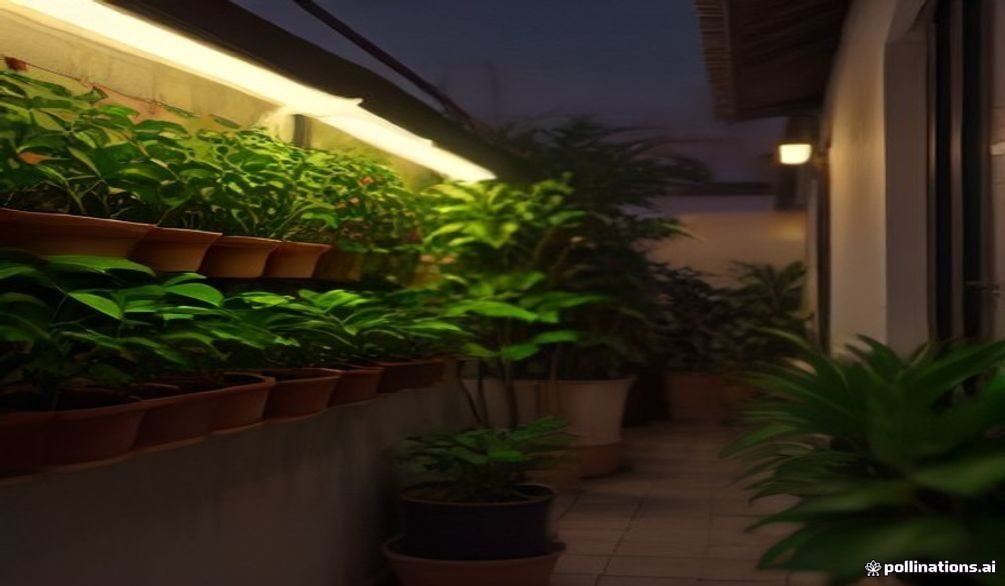
Remember, even indoors, adequate light is important. If natural light is insufficient, consider supplementary grow lights to prevent leaf drop and maintain tree health. This attention to detail dramatically increases your success rate when growing citrus cool climates in containers.
Creating microclimates for successful citrus growth
Creating microclimates for successful citrus growth involves strategically utilizing existing landscape features or adding structures to create warmer, more sheltered pockets in your garden. These localized areas can be significantly warmer than the surrounding environment, making growing citrus cool climates in-ground a real possibility even in borderline zones. Southern Hemisphere grapefruit production, for instance, is forecast to reach 567,477 tons in 2026, a 21.21% increase from 2025, demonstrating how optimal growing conditions, even if localized, can boost yields.
This is where smart gardening really shines. Citrus tree microclimate gardening is about working with your environment, not against it. It’s like finding the perfect cozy nook for your tree.
Microclimate design strategies:
- South-Facing Walls: Planting citrus against a south-facing wall (in the Northern Hemisphere) is perhaps the most effective microclimate strategy. The wall absorbs solar radiation during the day and radiates heat back at night, providing crucial warmth.
- Sheltered Courtyards: Enclosed courtyards or patios offer protection from cold winds, which can exacerbate cold damage. The surrounding walls help trap warmer air.
- Reflective Surfaces: Paved areas, concrete patios, or even light-colored gravel can absorb and reflect heat, warming the area around your citrus.
- Overhead Protection: Large evergreen trees or building overhangs can offer some protection from frost settling directly on the citrus foliage.
- Water Features: While less common, a large body of water nearby can slightly moderate temperatures, as water heats and cools slower than air.
- Temporary Structures: For colder nights, consider building temporary hoop houses or cold frames around your in-ground citrus trees. These can be easily removed when temperatures rise.
By thoughtfully designing your planting locations, you can significantly improve the chances of success for growing citrus cool climates directly in the ground. This approach complements the use of cold-hardy citrus varieties and robust rootstocks.
Nutrient considerations for cold-stressed citrus trees
Nutrient considerations for cold-stressed citrus trees are vital because well-nourished plants are inherently more resilient to environmental stressors, including cold temperatures. Proper fertilization strengthens cell walls and supports overall plant health, which is crucial for growing citrus cool climates. Florida’s lemon production for the 2025-2026 season is projected to be 900,000 boxes, a 29% increase from the 670,000 boxes produced in 2024-2025, according to the U.S. Department of Agriculture (2026), indicating the importance of optimal growing conditions for productivity.
It’s not just about feeding your plants; it’s about feeding them smart. A healthy tree can bounce back from a cold snap much better than a weak one. Fertilizing citrus in winter, however, needs a nuanced approach.
Key nutrient management tips:
- Balanced NPK: Provide a balanced fertilizer with nitrogen (N), phosphorus (P), and potassium (K) during the active growing season. Nitrogen supports leafy growth, phosphorus aids root development, and potassium enhances overall plant vigor and stress tolerance.
- Micronutrients: Citrus trees are particularly susceptible to deficiencies in micronutrients like iron, zinc, and manganese. Look for fertilizers that include these, or apply foliar sprays if deficiencies are noted.
- Magnesium: Often overlooked, magnesium is crucial for photosynthesis. An Epsom salt drench (magnesium sulfate) can be beneficial, especially if leaves show yellowing between veins.
- Avoid Late-Season Nitrogen: Reduce or stop nitrogen fertilization in late summer or early fall. Excess nitrogen promotes tender new growth, which is highly susceptible to cold damage.
- Potassium for Cold Hardiness: Some studies suggest that higher levels of potassium can improve a plant’s cold tolerance by strengthening cell walls and regulating water movement. Consider a fertilizer with a slightly higher K ratio in late summer.
- Compost and Organic Matter: Regularly amend the soil with compost. This improves soil structure, water retention, and provides a slow release of nutrients, fostering a healthier root system that can better withstand stress.
During winter care for potted citrus trees or even in-ground plants, avoid heavy fertilization. The tree’s metabolism slows down, and it won’t effectively absorb nutrients, which can lead to root burn. Instead, focus on maintaining existing health and preparing the tree for spring growth. This strategic nutrient management is a cornerstone of successful growing citrus cool climates.
Frequently asked questions
What is the hardiest citrus tree?
The hardiest citrus tree is generally considered to be the Yuzu, a Japanese citrus variety known for its exceptional cold tolerance. It can survive quite extreme frosts and spells of cold weather, according to Leaf, Root & Fruit (2024). If you’re looking for citrus that can truly withstand the cold, the Yuzu is your best bet.
How do you protect citrus from cold?
To protect citrus from cold, employ physical barriers like frost covers or burlap, water the soil thoroughly before a freeze to retain heat, and apply thick mulch around the base. For severe cold, stringing C9 incandescent Christmas lights through the canopy can provide crucial warmth, as used by gardeners in Zone 8.
Can citrus trees grow in zone 7?
Yes, citrus trees can grow in Zone 7, especially if you choose cold-hardy varieties like Owari Satsuma or Meyer Lemon and utilize container growing. The Owari Satsuma mandarin has been documented to tolerate temperatures as low as 12°F (-11°C) on mature trees, according to “Growing Your Greens” (2020), making it a suitable choice for Zone 7 with proper protection.
What is the best rootstock for cold hardy citrus?
The best rootstock for cold hardy citrus is often Flying Dragon, known for significantly enhancing a tree’s cold tolerance and dwarfing habit. This rootstock can help citrus trees survive to zero degrees Fahrenheit unprotected, as stated by “Growing Your Greens” (2020), making it an excellent choice for colder climates.
How do you overwinter citrus in pots?
To overwinter citrus in pots, move them indoors to a bright, cool location like a sunroom or unheated garage before the first hard frost. Reduce watering frequency but don’t let the soil dry out completely, and avoid fertilizing during this dormant period, focusing instead on maintaining adequate light and humidity.
Conclusion
Successfully growing citrus cool climates is a rewarding endeavor that is well within reach for dedicated gardeners. By embracing cold-hardy varieties like the resilient Yuzu or the delicious Owari Satsuma, choosing the right rootstock, and diligently applying protective measures, you can enjoy fresh citrus fruit no matter your local climate. Whether through optimizing container growing for mobility, strategically creating microclimates in your garden, or meticulously managing nutrient intake, each tip contributes to building a robust and cold-tolerant citrus tree. Don’t let the chill deter you; with these strategies, your citrus dreams can flourish, even in cooler zones. Happy gardening!