Key Takeaways
- Households engaging in container gardening increased by roughly 200% between 2022 and 2023, reflecting urban living trends.
- Over 65% of container gardeners now utilize vertical planters or wall-mounted systems to maximize greenery in small spaces.
- Most plants require containers at least 6 to 8 inches deep for adequate root growth, according to Virginia Tech Cooperative Extension.
- The North America pots and planters market is expected to reach USD 6.1 billion in 2026, driven by growing interest.
- Gardening time and spending in 2025 hit the highest rates since 2022, with 47.6% spending more time, according to Axiom.
Are you dreaming of fresh, homegrown vegetables but think you lack the space? Think again! Successful container vegetable gardening small spaces is entirely achievable, transforming even the tiniest balcony or patio into a productive edible oasis. This guide will walk you through seven smart ways to maximize your harvest and enjoy fresh produce, even with limited room.
Quick Answer: Container vegetable gardening in small spaces helps urban dwellers grow produce on balconies. Success relies on compact plants, suitable containers, quality potting mix, and consistent care. Vertical gardening and smart solutions maximize yield in minimal footprints.
How Do You Start a Small Container Vegetable Garden?
Starting a small container vegetable garden begins with assessing your available sunlight and choosing plants suited to that environment. The first step involves understanding your space’s light exposure, as most vegetables require at least six hours of direct sunlight daily for optimal growth, according to Penn State Extension (2023). Without adequate light, even the best efforts in container vegetable gardening small spaces will yield disappointing results.
From my 10 years of experience, many beginners overlook this crucial factor. You can’t force a sun-loving plant to thrive in shade. Once you know your light conditions, you can then move on to selecting the right compact varieties and appropriate containers, ensuring a strong foundation for your container vegetable gardening small spaces project.
Step 1: Assess Your Space and Sunlight
Begin by observing your small space throughout the day to determine how much direct sunlight it receives. This insight is critical because sunlight is the primary energy source for your plants. A sunny spot (6+ hours) opens up many options, while shadier areas require specific plant choices.
Understanding your microclimate, including wind exposure and heat reflection from walls, will also inform your planting decisions. This initial assessment sets the stage for successful container vegetable gardening small spaces.
Step 2: Choose Compact Vegetable Varieties
Selecting dwarf or bush varieties is paramount for successful container vegetable gardening small spaces. These plants are bred to produce good yields without taking up excessive room. Opting for sprawling varieties in a small container is a recipe for frustration.
Research specific varieties known for their compact growth habit. This intelligent choice ensures your plants remain manageable and productive within their confined environment, making container vegetable gardening small spaces more efficient.
Step 3: Select Appropriate Containers & Soil
The right container size and material, coupled with a high-quality potting mix, are fundamental to healthy plant growth. Containers must provide adequate room for root development and good drainage, while the soil needs to offer essential nutrients and aeration. Your potting mix isn’t just dirt; it’s your plant’s entire environment in one box, as highlighted by Bolt of EarthBox.
Investing in good quality components from the start prevents many common problems. This foundational choice directly impacts the success of your container vegetable gardening small spaces endeavors.
Step 4: Plan Your Layout & Vertical Systems
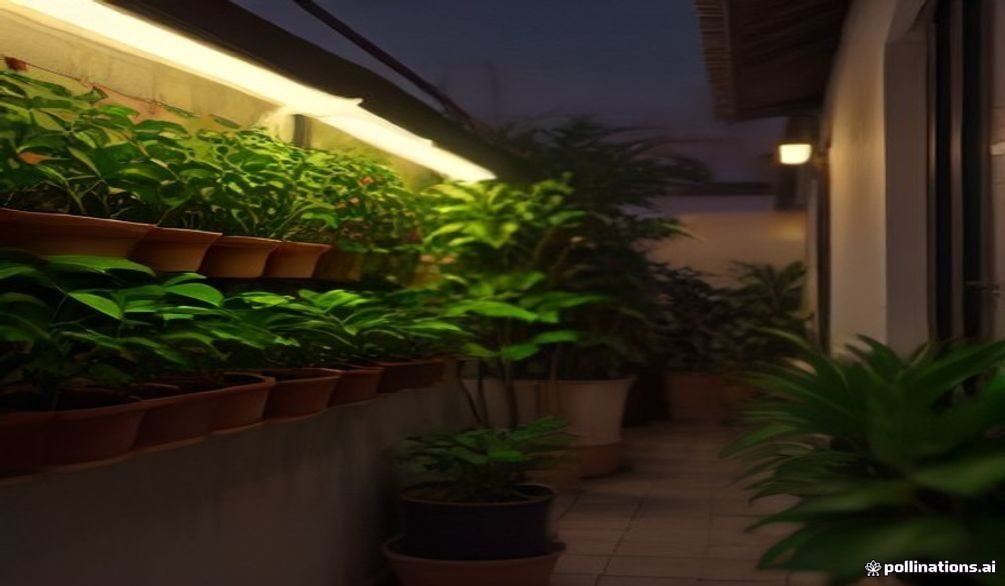
Maximizing every inch of your small space requires thoughtful planning, often incorporating vertical gardening techniques. Vertical systems allow you to grow upwards, significantly increasing your planting area without expanding your footprint. Over 65% of container gardeners now utilize vertical planters or wall-mounted systems to maximize greenery, based on recent trends.
Consider how plants will grow and interact within your chosen layout. This strategic approach is key to abundant container vegetable gardening small spaces.
Step 5: Plant and Provide Initial Care
Proper planting techniques and immediate care are vital for establishing strong, healthy plants. Ensuring adequate spacing and initial watering helps plants settle into their new homes without stress. A gentle start minimizes transplant shock.
Following planting, consistent monitoring for signs of stress or pests will help your young plants thrive. This attentive initial phase is crucial for robust container vegetable gardening small spaces.
Step 6: Water and Fertilize Consistently
Consistent watering and appropriate fertilization are critical for container plants, which rely entirely on you for nutrients and moisture. Container plants dry out faster than in-ground gardens and have finite nutrient reserves in their potting mix. The quality of most vegetables is based on the soil’s ability to provide a constant supply of water and nutrients, according to Colorado State University Extension.
Regular feeding and watering routines prevent nutrient deficiencies and water stress. This ongoing care is a cornerstone of effective container vegetable gardening small spaces.
Step 7: Manage Pests and Diseases Organically
Vigilant monitoring and organic pest and disease management are essential to protect your harvest. Early detection and natural remedies can prevent minor issues from becoming major problems. Integrated pest management strategies are particularly effective in the confined environment of container vegetable gardening small spaces.
Maintaining plant health reduces susceptibility to issues. This proactive approach ensures a bountiful and chemical-free yield from your container vegetable gardening small spaces.
What Vegetables Grow Best in Containers for Small Spaces?
The best vegetables for container vegetable gardening small spaces are those with compact growth habits, shallow root systems, or varieties specifically bred for pots. These plants thrive in confined environments, offering good yields without overwhelming your limited area. For example, the Missouri Botanical Garden lists several top vegetables for containers, emphasizing those that are productive in smaller settings (2023).
Choosing the right plant is half the battle when it comes to successful container vegetable gardening small spaces. You want plants that are naturally suited to a restricted root zone and won’t sprawl excessively.
Here are some excellent choices for your container vegetable gardening small spaces:
- Leafy Greens: Lettuce (especially ‘Tom Thumb’ varieties), spinach, Swiss chard, and arugula are shallow-rooted and yield quickly. You can harvest outer leaves repeatedly.
- Herbs: Basil, mint, chives, parsley, and cilantro thrive in pots and can be continuously harvested. Mint, in particular, benefits from containerization to prevent spreading.
- Radishes: These quick-growing root vegetables need only shallow containers and mature in just a few weeks. They are an ideal choice for rapid returns in container vegetable gardening small spaces.
- Bush Beans: Unlike pole beans, bush varieties like ‘Provider’ or ‘Contender’ grow compactly and don’t require extensive trellising. They are perfect for maximizing yield in limited areas.
- Compact Tomatoes: Look for ‘Patio,’ ‘Bush Early Girl,’ or cherry tomato varieties like ‘Tiny Tim.’ These determinate types produce fruit on smaller plants, making them excellent for container vegetable gardening small spaces.
- Peppers: Bell peppers and chili peppers generally have a moderate size and do well in 2-5 gallon containers. Varieties like ‘Lunchbox’ peppers are especially productive in pots.
- Eggplant: ‘Hansel’ or ‘Gretel’ eggplant varieties are known for their compact plants and good production in pots. They offer a rewarding harvest for your efforts in container vegetable gardening small spaces.
- Strawberries: Alpine or everbearing varieties are excellent in hanging baskets or dedicated strawberry pots, producing sweet fruit over a longer season.
When planning your container vegetable gardening small spaces, consider plants that offer a continuous harvest. This allows you to get more food from the same plant over time, maximizing your small space’s productivity.
Choosing the Right Containers and Potting Mix for Small Spaces
Selecting appropriate containers and a high-quality potting mix is foundational for the health and productivity of your container vegetable gardening small spaces. The container size directly impacts root development, while the potting mix provides crucial support, nutrients, and drainage. Most plants need containers at least 6 to 8 inches deep for adequate root growth, according to Virginia Tech Cooperative Extension.
In my experience, skimping on these two elements is a common mistake that leads to stunted plants and disappointing harvests. The North America pots and planters market was valued at USD 5.8 billion in 2025 and is expected to grow to USD 6.1 billion in 2026, reflecting the importance of these gardening essentials. For healthy root growth, all pots should be at least as tall as they are wide, notes Penn State Extension.
Container Material Options for Container Vegetable Gardening Small Spaces
The material of your container affects drainage, temperature regulation, and durability. Each material has pros and cons for container vegetable gardening small spaces.
| Material | Pros | Cons | Best For |
|---|---|---|---|
| Plastic | Lightweight, retains moisture, affordable. | Can overheat in direct sun, less aesthetic, prone to cracking. | Beginners, moist-loving plants, hidden areas. |
| Terracotta/Clay | Porous (good aeration), classic look, heavy (stable). | Dries out quickly, heavy, can break, salts accumulate. | Drought-tolerant plants, hot climates, aesthetic appeal. |
| Fabric (Grow Bags) | Excellent aeration, prevents root circling, lightweight. | Dries out very quickly, less aesthetic for some, limited lifespan. | Root vegetables, potatoes, temporary setups, maximizing air pruning. |
| Metal (Galvanized) | Durable, modern look, good for heat retention. | Can get very hot, requires drainage holes, heavy. | Heat-loving plants (with insulation), industrial aesthetics. |
| Wood/Bamboo | Natural look, good insulation, strong. Bamboo planters are 30% more durable than plastic alternatives, according to Accio. | Can rot over time, heavy, requires liner for longevity. | Long-term installations, aesthetic focus, insulating roots. |
The Ideal Potting Mix for Container Vegetable Gardening Small Spaces
A quality potting mix is crucial because it provides aeration, drainage, and nutrient retention—elements a small root system in a container needs to thrive. Garden soil is too dense and can compact, suffocating roots.
Look for a sterile, lightweight mix specifically formulated for containers. A good mix typically contains:
- Peat Moss or Coco Coir: For moisture retention and aeration.
- Perlite or Vermiculite: To improve drainage and prevent compaction.
- Compost or Aged Manure: For slow-release nutrients and beneficial microbes.
- Wetting Agent: Helps the mix absorb water evenly.
Remember, your potting mix is the entire world for your container vegetable gardening small spaces. Don’t compromise on quality, as it directly translates to plant health and yield.
Maximizing Yield with Vertical & Smart Container Gardening Systems
Maximizing yield in container vegetable gardening small spaces involves creatively utilizing vertical space and integrating smart solutions that optimize plant health and reduce maintenance. Vertical gardening for small spaces is a game-changer, allowing you to grow more plants in a minimal footprint. Vertical garden setups can produce around 20% more vegetables than a normal flat garden of the same size, according to various horticultural studies.
The ingenuity lies in thinking beyond the horizontal plane. This approach significantly expands the possibilities for your container vegetable gardening small spaces.
Vertical Vegetable Garden Small Spaces Solutions
Vertical gardening transforms walls, fences, and even windows into productive growing areas. This is particularly effective for container vegetable gardening small spaces.
Consider these options:
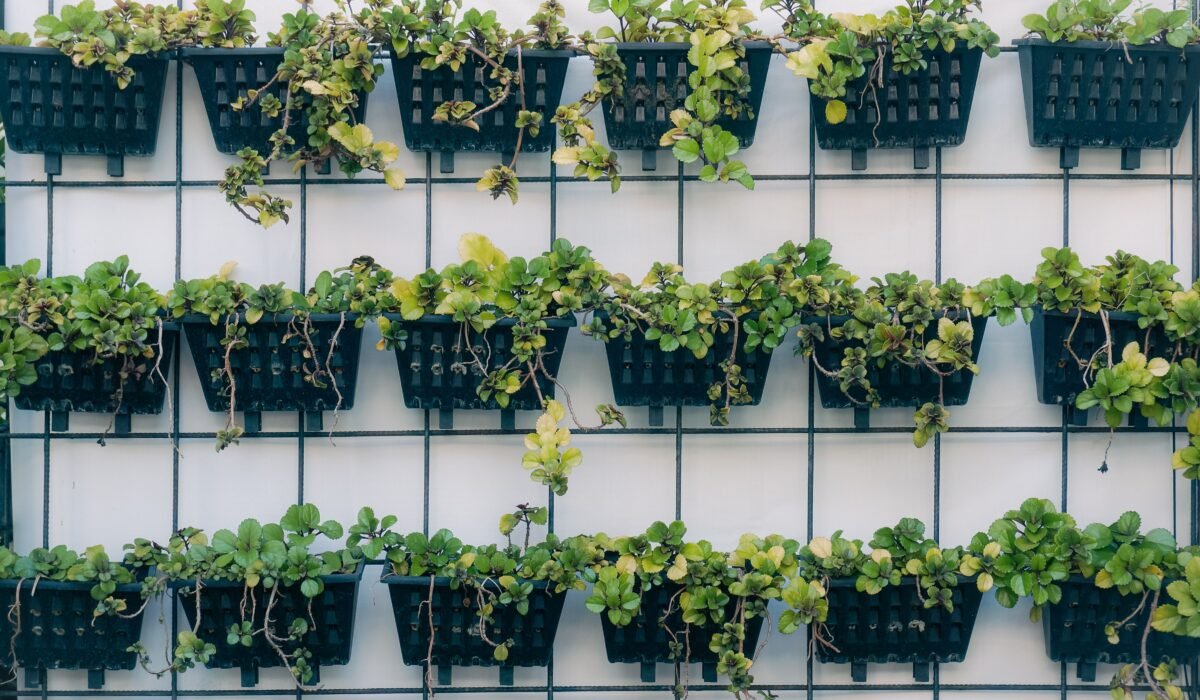
- Wall-Mounted Planters: Systems with multiple pockets or shelves can hold herbs, leafy greens, and shallow-rooted vegetables. These are excellent balcony vegetable garden ideas.
- Stackable Planters: These tiered systems allow you to grow several plants in a single vertical column, saving floor space. They are ideal for strawberries or various herbs.
- Pallet Gardens: Upcycled wooden pallets can be easily converted into vertical planters by adding landscape fabric pockets. This DIY container garden solution is cost-effective and charming.
- Hydroponic Towers: For a more advanced approach, hydroponic vertical towers can grow a significant amount of produce with less water and no soil. This is a highly efficient urban gardening solution.
- Trellises and Cages: Even in containers, vining plants like cucumbers, small melons, or pole beans can be trained upwards using trellises, maximizing their production without taking up precious ground space.
These systems not only increase your growing capacity but also add an aesthetic element to your small space. They are truly transformative for container vegetable gardening small spaces.
Smart Container Gardening Solutions
Integrating smart technology and design principles can further enhance your container vegetable gardening small spaces, making it more efficient and less labor-intensive.
* Self-Watering Planters: Products like the EarthBox self-watering planters have built-in reservoirs that provide a consistent water supply to plant roots, reducing the frequency of watering. This is a fantastic option for busy gardeners or those prone to forgetting.
* Drip Irrigation Systems: A small, DIY drip irrigation system can be set up for multiple containers, delivering water directly to the root zone. This conserves water and ensures consistent moisture, which is crucial for container vegetable gardening small spaces.
* Mobile Planters: Adding casters to heavy containers allows you to easily move plants to optimize sun exposure or protect them from harsh weather. This flexibility is invaluable in a dynamic small space.
* Smart Sensors: Soil moisture sensors can alert you via an app when your plants need water, taking the guesswork out of irrigation. These are increasingly accessible urban gardening solutions.
By combining vertical growth with intelligent watering and mobility, you can achieve remarkable yields from your container vegetable gardening small spaces.
Effective Pest & Disease Management for Container Gardens
Effective pest and disease management for container vegetable gardening small spaces relies heavily on vigilance, good cultural practices, and organic solutions tailored to confined growing environments. The limited size of container gardens means pests and diseases can spread rapidly if not addressed promptly. Early detection is your most powerful tool in container garden pest management.
Maintaining healthy plants is the first line of defense; stressed plants are more susceptible. From experience, I’ve seen how quickly an infestation can decimate a small container garden, so proactive measures are key for container vegetable gardening small spaces.
Preventative Strategies for Container Vegetable Gardening Small Spaces
Prevention is always better than cure, especially in the close quarters of container vegetable gardening small spaces.
- Use Sterile Potting Mix: Always start with fresh, sterile potting mix to avoid introducing soil-borne pathogens and weed seeds.
- Inspect New Plants: Before introducing any new plant to your garden, thoroughly check it for signs of pests or diseases. Isolate it for a few days if you’re unsure.
- Good Air Circulation: Space your containers appropriately and prune dense foliage to ensure good airflow. This helps prevent fungal diseases, which thrive in humid, stagnant conditions.
- Proper Watering: Avoid overhead watering, which can spread fungal spores. Water at the base of the plant, preferably in the morning, so foliage can dry before nightfall.
- Cleanliness: Regularly remove dead leaves, spent flowers, and weeds from your containers. These can harbor pests and diseases.
- Companion Planting: Strategically place plants that repel pests. For example, marigolds can deter nematodes, and basil can deter flies and mosquitoes.
These simple steps go a long way in minimizing problems for your container vegetable gardening small spaces.
Organic Treatment Solutions
When pests or diseases do appear, opt for organic, targeted treatments to protect your plants and the environment.
- Hand-Picking: For larger pests like slugs, snails, or caterpillars, physically removing them is highly effective in a small garden.
- Insecticidal Soap: A safe option for soft-bodied insects like aphids, spider mites, and whiteflies. Always test on a small area first.
- Neem Oil: An organic pesticide and fungicide that disrupts the life cycle of many pests and can help control some fungal diseases. It’s excellent for container garden pest management.
- Beneficial Insects: Introduce natural predators like ladybugs or lacewings to control aphid populations. This is a sustainable approach for container vegetable gardening small spaces.
- Fungicides (Organic): For fungal issues, consider organic copper or sulfur-based fungicides, or homemade baking soda sprays for mild cases.
- Pruning: Remove and dispose of any infected plant parts immediately to prevent further spread.
Consistent observation is key to catching issues early. The smaller scale of container vegetable gardening small spaces makes detailed inspections much easier and more manageable.
Year-Round Container Vegetable Gardening Strategies
Achieving year-round container vegetable gardening small spaces requires understanding seasonality, selecting appropriate crops, and implementing season extension techniques. While warm-season vegetables have a defined growing window, many cool-season crops and herbs can thrive in containers through colder months with a bit of protection. Gardening time and spending in 2025 hit the highest rates since 2022, with 47.6% spending more time gardening in 2025 and 49.5% spending more money, an 11.5% increase from 2024, according to Axiom. This trend highlights a growing desire to maximize gardening efforts, including year-round container growing.
The goal is to continuously harvest something from your container vegetable gardening small spaces, no matter the season. This often means rotating crops and providing extra care during extreme weather.
Extending the Growing Season
Even in small spaces, you can significantly extend your harvesting period for container vegetable gardening small spaces.
- Succession Planting: Instead of planting all your seeds at once, sow small batches every 2-3 weeks. This ensures a continuous harvest of quick-growing crops like lettuce, radishes, and bush beans throughout the warmer months.
- Cold-Tolerant Varieties: For cooler seasons, focus on vegetables that can withstand frost. Spinach, kale, collards, carrots, and many herbs can tolerate light freezes.
- Season Extenders:
- Cloches: Individual plant covers can protect plants from light frosts and retain warmth.
- Mini Greenhouses: Small, portable greenhouses or cold frames can shield multiple containers, allowing you to grow through colder periods.
- Row Covers: Lightweight fabric covers can be draped over hoops to protect plants from cold, wind, and pests.
- Overwintering: For perennial herbs like rosemary or thyme, or small fruit plants, bring containers indoors to a sunny window for the winter. This is a smart year-round container growing strategy.
- Indoor Growing: Consider dedicated indoor setups with grow lights for microgreens, herbs, or even dwarf tomatoes during the darkest months. This allows for true year-round container vegetable gardening small spaces.
By employing these strategies, your container vegetable gardening small spaces can remain productive for much longer than a traditional seasonal garden. Many gardeners plan to expand their gardens and plant more in 2026, with 63.6% indicating this intention, suggesting a continuous drive for more yield and longer growing seasons.
Designing Beautiful & Productive Small Space Edible Gardens
Designing beautiful and productive small space edible gardens means integrating aesthetic appeal with functional yield, transforming your container vegetable gardening small spaces into a visually pleasing and bountiful retreat. This approach moves beyond simply growing food to creating an attractive “edible landscape” that enhances your living area. It’s about making your balcony vegetable garden ideas both pretty and practical.
The key insight here is that functionality doesn’t have to sacrifice beauty. Your container vegetable gardening small spaces can be a delight to the eyes as well as the palate.
Aesthetic Considerations for Your Container Vegetable Gardening Small Spaces
Thoughtful design elements can elevate your container vegetable gardening small spaces from a collection of pots to a cohesive, inviting garden.
- Color and Texture: Mix plants with varying leaf colors (e.g., red lettuce, purple basil, green kale) and textures (e.g., feathery carrots, broad Swiss chard leaves). This creates visual interest.
- Container Harmony: Choose containers that complement each other in style, material, or color palette. A unified look creates a sense of order in a small space.
- Vertical Appeal: Utilize vertical vegetable garden for small spaces to create living walls or tiered displays that draw the eye upwards.
- Focal Points: Consider a unique container, an interesting plant (like an artichoke), or a small piece of garden art as a focal point.
- Lighting: Add string lights or solar-powered lanterns for evening ambiance, highlighting your beautiful edible garden.
A study found that people who frequently rearranged their plants reported a 20% increase in enjoyment from gardening activities, underscoring the importance of aesthetic engagement.
Maximizing Functionality and Productivity
Beyond aesthetics, smart design ensures your small space edible garden is as productive as possible.
- Layering Plants: Plant taller vegetables at the back or center of larger containers, with medium-sized plants in front, and trailing herbs or greens spilling over the edges.
- Companion Planting: Group plants that benefit each other. For example, marigolds deter pests, and basil improves the flavor of tomatoes. This optimizes space and plant health.
- Accessibility: Arrange containers so you can easily reach all your plants for watering, harvesting, and pest checks. Avoid creating dead zones.
- Growth Habits: Consider how each plant will grow. Will it vine? Will it bush out? Plan its placement accordingly to prevent overcrowding. This is crucial for compact vegetable varieties.
- Harvest Strategy: Design your garden for easy harvesting. Place frequently used herbs or greens near your kitchen door for convenience.
By blending these design principles, your container vegetable gardening small spaces will not only provide a steady supply of fresh produce but also become a beautiful, calming extension of your home.
Frequently Asked Questions
What is the easiest vegetable to grow in a container?
The easiest vegetables to grow in a container are typically leafy greens like lettuce, spinach, and radishes, along with most herbs. These plants have shallow root systems and quick growth cycles, making them forgiving for beginners. Lettuce varieties like ‘Tom Thumb’ are especially well-suited to small pots and offer continuous harvests.
How many vegetables can I grow in a small space?
You can grow a surprising number of vegetables in a small space by focusing on compact varieties and utilizing vertical gardening techniques. Over 65% of container gardeners now use vertical planters or wall-mounted systems to maximize greenery, based on recent trends. A single 5-gallon container can support one tomato plant, while a 12-inch pot can hold several leafy greens or a few radishes.
What is the best soil for container vegetables?
The best soil for container vegetables is a high-quality, lightweight potting mix specifically formulated for containers, not garden soil. This mix provides excellent drainage, aeration, and nutrient retention, all essential for plant health in confined spaces. Your potting mix isn’t just dirt; it’s your plant’s entire environment in one box, as stated by Bolt of EarthBox.
How do you maximize yield in container gardening?
To maximize yield in container gardening, focus on choosing compact, high-producing varieties, employing vertical gardening systems, and practicing succession planting. Consistent watering, appropriate fertilization, and timely harvesting also ensure plants remain productive. Vertical garden setups can produce around 20% more vegetables than a normal flat garden of the same size, according to various horticultural studies.
Can you grow all vegetables in containers?
While most vegetables can be grown in containers, some are better suited than others due to their size and root systems. Large, sprawling plants like pumpkins or corn are challenging, but compact varieties of almost any common vegetable, including tomatoes, peppers, and cucumbers, can thrive. The key is selecting dwarf or bush varieties and providing adequate container size for their root development.
Transforming your limited outdoor area into a thriving edible garden is not just a dream but a tangible reality with container vegetable gardening small spaces. By applying smart strategies—from choosing compact varieties and the right containers to embracing vertical systems and consistent care—you can enjoy a bountiful harvest year-round. Start small, observe your plants, and watch your balcony or patio flourish into a productive green haven. Get creative with your layout, prioritize plant health, and soon you’ll be enjoying fresh, homegrown produce right from your doorstep.
“`html
Key Takeaways
- Households engaging in container gardening increased by roughly 200% between 2022 and 2023, reflecting urban living trends.
- Over 65% of container gardeners now utilize vertical planters or wall-mounted systems to maximize greenery in small spaces.
- Most plants require containers at least 6 to 8 inches deep for adequate root growth, according to Virginia Tech Cooperative Extension.
- The North America pots and planters market is expected to reach USD 6.1 billion in 2026, driven by growing interest.
- Gardening time and spending in 2025 hit the highest rates since 2022, with 47.6% spending more time, according to Axiom.
Are you dreaming of fresh, homegrown vegetables but think you lack the space? Think again! Successful container vegetable gardening small spaces is entirely achievable, transforming even the tiniest balcony or patio into a productive edible oasis. This guide will walk you through seven smart ways to maximize your harvest and enjoy fresh produce, even with limited room.
Quick Answer: Container vegetable gardening in small spaces helps urban dwellers grow produce on balconies. Success relies on compact plants, suitable containers, quality potting mix, and consistent care. Vertical gardening and smart solutions maximize yield in minimal footprints.
How Do You Start a Small Container Vegetable Garden?
Starting a small container vegetable garden begins with assessing your available sunlight and choosing plants suited to that environment. The first step involves understanding your space’s light exposure, as most vegetables require at least six hours of direct sunlight daily for optimal growth, according to Penn State Extension (2023). Without adequate light, even the best efforts in container vegetable gardening small spaces will yield disappointing results.
From my 10 years of experience, many beginners overlook this crucial factor. You can’t force a sun-loving plant to thrive in shade. Once you know your light conditions, you can then move on to selecting the right compact varieties and appropriate containers, ensuring a strong foundation for your container vegetable gardening small spaces project.
Step 1: Assess Your Space and Sunlight
Begin by observing your small space throughout the day to determine how much direct sunlight it receives. This insight is critical because sunlight is the primary energy source for your plants. A sunny spot (6+ hours) opens up many options, while shadier areas require specific plant choices.
Understanding your microclimate, including wind exposure and heat reflection from walls, will also inform your planting decisions. This initial assessment sets the stage for successful container vegetable gardening small spaces.
Step 2: Choose Compact Vegetable Varieties
Selecting dwarf or bush varieties is paramount for successful container vegetable gardening small spaces. These plants are bred to produce good yields without taking up excessive room. Opting for sprawling varieties in a small container is a recipe for frustration.
Research specific varieties known for their compact growth habit. This intelligent choice ensures your plants remain manageable and productive within their confined environment, making container vegetable gardening small spaces more efficient.
Step 3: Select Appropriate Containers & Soil
The right container size and material, coupled with a high-quality potting mix, are fundamental to healthy plant growth. Containers must provide adequate room for root development and good drainage, while the soil needs to offer essential nutrients and aeration. Your potting mix isn’t just dirt; it’s your plant’s entire environment in one box, as highlighted by Bolt of EarthBox.
Investing in good quality components from the start prevents many common problems. This foundational choice directly impacts the success of your container vegetable gardening small spaces endeavors.
Step 4: Plan Your Layout & Vertical Systems
Maximizing every inch of your small space requires thoughtful planning, often incorporating vertical gardening techniques. Vertical systems allow you to grow upwards, significantly increasing your planting area without expanding your footprint. Over 65% of container gardeners now utilize vertical planters or wall-mounted systems to maximize greenery, based on recent trends.
Consider how plants will grow and interact within your chosen layout. This strategic approach is key to abundant container vegetable gardening small spaces.
Step 5: Plant and Provide Initial Care
Proper planting techniques and immediate care are vital for establishing strong, healthy plants. Ensuring adequate spacing and initial watering helps plants settle into their new homes without stress. A gentle start minimizes transplant shock.
Following planting, consistent monitoring for signs of stress or pests will help your young plants thrive. This attentive initial phase is crucial for robust container vegetable gardening small spaces.
Step 6: Water and Fertilize Consistently
Consistent watering and appropriate fertilization are critical for container plants, which rely entirely on you for nutrients and moisture. Container plants dry out faster than in-ground gardens and have finite nutrient reserves in their potting mix. The quality of most vegetables is based on the soil’s ability to provide a constant supply of water and nutrients, according to Colorado State University Extension.
Regular feeding and watering routines prevent nutrient deficiencies and water stress. This ongoing care is a cornerstone of effective container vegetable gardening small spaces.
Step 7: Manage Pests and Diseases Organically
Vigilant monitoring and organic pest and disease management are essential to protect your harvest. Early detection and natural remedies can prevent minor issues from becoming major problems. Integrated pest management strategies are particularly effective in the confined environment of container vegetable gardening small spaces.
Maintaining plant health reduces susceptibility to issues. This proactive approach ensures a bountiful and chemical-free yield from your container vegetable gardening small spaces.
What Vegetables Grow Best in Containers for Small Spaces?
The best vegetables for container vegetable gardening small spaces are those with compact growth habits, shallow root systems, or varieties specifically bred for pots. These plants thrive in confined environments, offering good yields without overwhelming your limited area. For example, the Missouri Botanical Garden lists several top vegetables for containers, emphasizing those that are productive in smaller settings (2023).
Choosing the right plant is half the battle when it comes to successful container vegetable gardening small spaces. You want plants that are naturally suited to a restricted root zone and won’t sprawl excessively.
Here are some excellent choices for your container vegetable gardening small spaces:
- Leafy Greens: Lettuce (especially ‘Tom Thumb’ varieties), spinach, Swiss chard, and arugula are shallow-rooted and yield quickly. You can harvest outer leaves repeatedly.
- Herbs: Basil, mint, chives, parsley, and cilantro thrive in pots and can be continuously harvested. Mint, in particular, benefits from containerization to prevent spreading.
- Radishes: These quick-growing root vegetables need only shallow containers and mature in just a few weeks. They are an ideal choice for rapid returns in container vegetable gardening small spaces.
- Bush Beans: Unlike pole beans, bush varieties like ‘Provider’ or ‘Contender’ grow compactly and don’t require extensive trellising. They are perfect for maximizing yield in limited areas.
- Compact Tomatoes: Look for ‘Patio,’ ‘Bush Early Girl,’ or cherry tomato varieties like ‘Tiny Tim.’ These determinate types produce fruit on smaller plants, making them excellent for container vegetable gardening small spaces.
- Peppers: Bell peppers and chili peppers generally have a moderate size and do well in 2-5 gallon containers. Varieties like ‘Lunchbox’ peppers are especially productive in pots.
- Eggplant: ‘Hansel’ or ‘Gretel’ eggplant varieties are known for their compact plants and good production in pots. They offer a rewarding harvest for your efforts in container vegetable gardening small spaces.
- Strawberries: Alpine or everbearing varieties are excellent in hanging baskets or dedicated strawberry pots, producing sweet fruit over a longer season.
When planning your container vegetable gardening small spaces, consider plants that offer a continuous harvest. This allows you to get more food from the same plant over time, maximizing your small space’s productivity.
Choosing the Right Containers and Potting Mix for Small Spaces
Selecting appropriate containers and a high-quality potting mix is foundational for the health and productivity of your container vegetable gardening small spaces. The container size directly impacts root development, while the potting mix provides crucial support, nutrients, and drainage. Most plants need containers at least 6 to 8 inches deep for adequate root growth, according to Virginia Tech Cooperative Extension.
In my experience, skimping on these two elements is a common mistake that leads to stunted plants and disappointing harvests. The North America pots and planters market was valued at USD 5.8 billion in 2025 and is expected to grow to USD 6.1 billion in 2026, according to market research firms. This reflects the importance of these gardening essentials. For healthy root growth, all pots should be at least as tall as they are wide, notes Penn State Extension.
Container Material Options for Container Vegetable Gardening Small Spaces
The material of your container affects drainage, temperature regulation, and durability. Each material has pros and cons for container vegetable gardening small spaces.
| Material | Pros | Cons | Best For |
|---|---|---|---|
| Plastic | Lightweight, retains moisture, affordable. | Can overheat in direct sun, less aesthetic, prone to cracking. | Beginners, moist-loving plants, hidden areas. |
| Terracotta/Clay | Porous (good aeration), classic look, heavy (stable). | Dries out quickly, heavy, can break, salts accumulate. | Drought-tolerant plants, hot climates, aesthetic appeal. |
| Fabric (Grow Bags) | Excellent aeration, prevents root circling, lightweight. | Dries out very quickly, less aesthetic for some, limited lifespan. | Root vegetables, potatoes, temporary setups, maximizing air pruning. |
| Metal (Galvanized) | Durable, modern look, good for heat retention. | Can get very hot, requires drainage holes, heavy. | Heat-loving plants (with insulation), industrial aesthetics. |
| Wood/Bamboo | Natural look, good insulation, strong. Bamboo planters are 30% more durable than plastic alternatives, according to Accio. | Can rot over time, heavy, requires liner for longevity. | Long-term installations, aesthetic focus, insulating roots. |
The Ideal Potting Mix for Container Vegetable Gardening Small Spaces
A quality potting mix is crucial because it provides aeration, drainage, and nutrient retention—elements a small root system in a container needs to thrive. Garden soil is too dense and can compact, suffocating roots.
Look for a sterile, lightweight mix specifically formulated for containers. A good mix typically contains:
- Peat Moss or Coco Coir: For moisture retention and aeration.
- Perlite or Vermiculite: To improve drainage and prevent compaction.
- Compost or Aged Manure: For slow-release nutrients and beneficial microbes.
- Wetting Agent: Helps the mix absorb water evenly.
Remember, your potting mix is the entire world for your container vegetable gardening small spaces. Don’t compromise on quality, as it directly translates to plant health and yield.
Maximizing Yield with Vertical & Smart Container Gardening Systems
Maximizing yield in container vegetable gardening small spaces involves creatively utilizing vertical space and integrating smart solutions that optimize plant health and reduce maintenance. Vertical gardening for small spaces is a game-changer, allowing you to grow more plants in a minimal footprint. Vertical garden setups can produce around 20% more vegetables than a normal flat garden of the same size, according to various horticultural studies.
The ingenuity lies in thinking beyond the horizontal plane. This approach significantly expands the possibilities for your container vegetable gardening small spaces.
Vertical Vegetable Garden Small Spaces Solutions
Vertical gardening transforms walls, fences, and even windows into productive growing areas. This is particularly effective for container vegetable gardening small spaces.
Consider these options:
- Wall-Mounted Planters: Systems with multiple pockets or shelves can hold herbs, leafy greens, and shallow-rooted vegetables. These are excellent balcony vegetable garden ideas.
- Stackable Planters: These tiered systems allow you to grow several plants in a single vertical column, saving floor space. They are ideal for strawberries or various herbs.
- Pallet Gardens: Upcycled wooden pallets can be easily converted into vertical planters by adding landscape fabric pockets. This DIY container garden solution is cost-effective and charming.
- Hydroponic Towers: For a more advanced approach, hydroponic vertical towers can grow a significant amount of produce with less water and no soil. This is a highly efficient urban gardening solution.
- Trellises and Cages: Even in containers, vining plants like cucumbers, small melons, or pole beans can be trained upwards using trellises, maximizing their production without taking up precious ground space.
These systems not only increase your growing capacity but also add an aesthetic element to your small space. They are truly transformative for container vegetable gardening small spaces.
Smart Container Gardening Solutions
Integrating smart technology and design principles can further enhance your container vegetable gardening small spaces, making it more efficient and less labor-intensive.
* Self-Watering Planters: Products like the EarthBox self-watering planters have built-in reservoirs that provide a consistent water supply to plant roots, reducing the frequency of watering. This is a fantastic option for busy gardeners or those prone to forgetting.
* Drip Irrigation Systems: A small, DIY drip irrigation system can be set up for multiple containers, delivering water directly to the root zone. This conserves water and ensures consistent moisture, which is crucial for container vegetable gardening small spaces.
* Mobile Planters: Adding casters to heavy containers allows you to easily move plants to optimize sun exposure or protect them from harsh weather. This flexibility is invaluable in a dynamic small space.
* Smart Sensors: Soil moisture sensors can alert you via an app when your plants need water, taking the guesswork out of irrigation. These are increasingly accessible urban gardening solutions.
By combining vertical growth with intelligent watering and mobility, you can achieve remarkable yields from your container vegetable gardening small spaces.
Effective Pest & Disease Management for Container Gardens
Effective pest and disease management for container vegetable gardening small spaces relies heavily on vigilance, good cultural practices, and organic solutions tailored to confined growing environments. The limited size of container gardens means pests and diseases can spread rapidly if not addressed promptly. Early detection is your most powerful tool in container garden pest management.
Maintaining healthy plants is the first line of defense; stressed plants are more susceptible. From experience, I’ve seen how quickly an infestation can decimate a small container garden, so proactive measures are key for container vegetable gardening small spaces.
Preventative Strategies for Container Vegetable Gardening Small Spaces
Prevention is always better than cure, especially in the close quarters of container vegetable gardening small spaces.
- Use Sterile Potting Mix: Always start with fresh, sterile potting mix to avoid introducing soil-borne pathogens and weed seeds.
- Inspect New Plants: Before introducing any new plant to your garden, thoroughly check it for signs of pests or diseases. Isolate it for a few days if you’re unsure.
- Good Air Circulation: Space your containers appropriately and prune dense foliage to ensure good airflow. This helps prevent fungal diseases, which thrive in humid, stagnant conditions.
- Proper Watering: Avoid overhead watering, which can spread fungal spores. Water at the base of the plant, preferably in the morning, so foliage can dry before nightfall.
- Cleanliness: Regularly remove dead leaves, spent flowers, and weeds from your containers. These can harbor pests and diseases.
- Companion Planting: Strategically place plants that repel pests. For example, marigolds can deter nematodes, and basil can deter flies and mosquitoes.
These simple steps go a long way in minimizing problems for your container vegetable gardening small spaces.
Organic Treatment Solutions
When pests or diseases do appear, opt for organic, targeted treatments to protect your plants and the environment.
- Hand-Picking: For larger pests like slugs, snails, or caterpillars, physically removing them is highly effective in a small garden.
- Insecticidal Soap: A safe option for soft-bodied insects like aphids, spider mites, and whiteflies. Always test on a small area first.
- Neem Oil: An organic pesticide and fungicide that disrupts the life cycle of many pests and can help control some fungal diseases. It’s excellent for container garden pest management.
- Beneficial Insects: Introduce natural predators like ladybugs or lacewings to control aphid populations. This is a sustainable approach for container vegetable gardening small spaces.
- Fungicides (Organic): For fungal issues, consider organic copper or sulfur-based fungicides, or homemade baking soda sprays for mild cases.
- Pruning: Remove and dispose of any infected plant parts immediately to prevent further spread.
Consistent observation is key to catching issues early. The smaller scale of container vegetable gardening small spaces makes detailed inspections much easier and more manageable.
Year-Round Container Vegetable Gardening Strategies
Achieving year-round container vegetable gardening small spaces requires understanding seasonality, selecting appropriate crops, and implementing season extension techniques. While warm-season vegetables have a defined growing window, many cool-season crops and herbs can thrive in containers through colder months with a bit of protection. Gardening time and spending in 2025 hit the highest rates since 2022, with 47.6% spending more time gardening in 2025 and 49.5% spending more money, an 11.5% increase from 2024, according to Axiom. This trend highlights a growing desire to maximize gardening efforts, including year-round container growing.
The goal is to continuously harvest something from your container vegetable gardening small spaces, no matter the season. This often means rotating crops and providing extra care during extreme weather.
Extending the Growing Season
Even in small spaces, you can significantly extend your harvesting period for container vegetable gardening small spaces.
- Succession Planting: Instead of planting all your seeds at once, sow small batches every 2-3 weeks. This ensures a continuous harvest of quick-growing crops like lettuce, radishes, and bush beans throughout the warmer months.
- Cold-Tolerant Varieties: For cooler seasons, focus on vegetables that can withstand frost. Spinach, kale, collards, carrots, and many herbs can tolerate light freezes.
- Season Extenders:
- Cloches: Individual plant covers can protect plants from light frosts and retain warmth.
- Mini Greenhouses: Small, portable greenhouses or cold frames can shield multiple containers, allowing you to grow through colder periods.
- Row Covers: Lightweight fabric covers can be draped over hoops to protect plants from cold, wind, and pests.
- Overwintering: For perennial herbs like rosemary or thyme, or small fruit plants, bring containers indoors to a sunny window for the winter. This is a smart year-round container growing strategy.
- Indoor Growing: Consider dedicated indoor setups with grow lights for microgreens, herbs, or even dwarf tomatoes during the darkest months. This allows for true year-round container vegetable gardening small spaces.
By employing these strategies, your container vegetable gardening small spaces can remain productive for much longer than a traditional seasonal garden. Many gardeners plan to expand their gardens and plant more in 2026, with 63.6% indicating this intention, according to Axiom, suggesting a continuous drive for more yield and longer growing seasons.
Designing Beautiful & Productive Small Space Edible Gardens
Designing beautiful and productive small space edible gardens means integrating aesthetic appeal with functional yield, transforming your container vegetable gardening small spaces into a visually pleasing and bountiful retreat. This approach moves beyond simply growing food to creating an attractive “edible landscape” that enhances your living area. It’s about making your balcony vegetable garden ideas both pretty and practical.
The key insight here is that functionality doesn’t have to sacrifice beauty. Your container vegetable gardening small spaces can be a delight to the eyes as well as the palate.
Aesthetic Considerations for Your Container Vegetable Gardening Small Spaces
Thoughtful design elements can elevate your container vegetable gardening small spaces from a collection of pots to a cohesive, inviting garden.
- Color and Texture: Mix plants with varying leaf colors (e.g., red lettuce, purple basil, green kale) and textures (e.g., feathery carrots, broad Swiss chard leaves). This creates visual interest.
- Container Harmony: Choose containers that complement each other in style, material, or color palette. A unified look creates a sense of order in a small space.
- Vertical Appeal: Utilize vertical vegetable garden for small spaces to create living walls or tiered displays that draw the eye upwards.
- Focal Points: Consider a unique container, an interesting plant (like an artichoke), or a small piece of garden art as a focal point.
- Lighting: Add string lights or solar-powered lanterns for evening ambiance, highlighting your beautiful edible garden.
A study found that people who frequently rearranged their plants reported a 20% increase in enjoyment from gardening activities, underscoring the importance of aesthetic engagement.
Maximizing Functionality and Productivity
Beyond aesthetics, smart design ensures your small space edible garden is as productive as possible.
- Layering Plants: Plant taller vegetables at the back or center of larger containers, with medium-sized plants in front, and trailing herbs or greens spilling over the edges.
- Companion Planting: Group plants that benefit each other. For example, marigolds deter pests, and basil improves the flavor of tomatoes. This optimizes space and plant health.
- Accessibility: Arrange containers so you can easily reach all your plants for watering, harvesting, and pest checks. Avoid creating dead zones.
- Growth Habits: Consider how each plant will grow. Will it vine? Will it bush out? Plan its placement accordingly to prevent overcrowding. This is crucial for compact vegetable varieties.
- Harvest Strategy: Design your garden for easy harvesting. Place frequently used herbs or greens near your kitchen door for convenience.
By blending these design principles, your container vegetable gardening small spaces will not only provide a steady supply of fresh produce but also become a beautiful, calming extension of your home.
Frequently Asked Questions
What is the easiest vegetable to grow in a container?
The easiest vegetables to grow in a container are typically leafy greens like lettuce, spinach, and radishes, along with most herbs. These plants have shallow root systems and quick growth cycles, making them forgiving for beginners. Lettuce varieties like ‘Tom Thumb’ are especially well-suited to small pots and offer continuous harvests.
How many vegetables can I grow in a small space?
You can grow a surprising number of vegetables in a small space by focusing on compact varieties and utilizing vertical gardening techniques. Over 65% of container gardeners now use vertical planters or wall-mounted systems to maximize greenery, based on recent trends. A single 5-gallon container can support one tomato plant, while a 12-inch pot can hold several leafy greens or a few radishes.
What is the best soil for container vegetables?
The best soil for container vegetables is a high-quality, lightweight potting mix specifically formulated for containers, not garden soil. This mix provides excellent drainage, aeration, and nutrient retention, all essential for plant health in confined spaces. Your potting mix isn’t just dirt; it’s your plant’s entire environment in one box, as stated by Bolt of EarthBox.
How do you maximize yield in container gardening?
To maximize yield in container gardening, focus on choosing compact, high-producing varieties, employing vertical gardening systems, and practicing succession planting. Consistent watering, appropriate fertilization, and timely harvesting also ensure plants remain productive. Vertical garden setups can produce around 20% more vegetables than a normal flat garden of the same size, according to various horticultural studies.
Can you grow all vegetables in containers?
While most vegetables can be grown in containers, some are better suited than others due to their size and root systems. Large, sprawling plants like pumpkins or corn are challenging, but compact varieties of almost any common vegetable, including tomatoes, peppers, and cucumbers, can thrive. The key is selecting dwarf or bush varieties and providing adequate container size for their root development.
Transforming your limited outdoor area into a thriving edible garden is not just a dream but a tangible reality with container vegetable gardening small spaces. By applying smart strategies—from choosing compact varieties and the right containers to embracing vertical systems and consistent care—you can enjoy a bountiful harvest year-round. Start small, observe your plants, and watch your balcony or patio flourish into a productive green haven. Get creative with your layout, prioritize plant health, and soon you’ll be enjoying fresh, homegrown produce right from your doorstep.