Key Takeaways
- The global gardening pesticides market is projected to reach US$ 9.6 billion in 2026.
- Biological control is the fastest-growing segment in the insect pest control market, projected at a 6.3% CAGR during 2026-2031.
- Wendell Berry emphasizes that organic gardening improves a piece of the world while producing food.
- Dr. Jeff Gillman advocates manual pest removal as the most targeted control method.
- Organic agriculture is practiced in 187 countries, covering 72.3 million hectares, according to an April 2026 report.
Are you tired of battling garden pests with harsh chemicals, seeking healthier alternatives for your plants and family? Embracing **DIY Organic Pest Control** offers a sustainable and effective path to a thriving garden, allowing you to protect your plants naturally and cultivate a more resilient ecosystem. As a gardener with over a decade of experience and a horticulture background, I’ve seen firsthand how powerful these natural methods can be, transforming gardens into vibrant, chemical-free havens.
Quick Answer: DIY organic pest control involves using natural methods like homemade sprays (neem oil, soap solutions), companion planting, attracting beneficial insects, and practicing Integrated Pest Management to protect your garden from pests without synthetic chemicals.
Why Embrace DIY Organic Pest Control in 2026?
Embracing **DIY Organic Pest Control** is a crucial step for gardeners looking to cultivate healthier, more sustainable environments without relying on synthetic chemicals. The shift towards natural solutions reflects a broader consumer demand for sustainable pest control, as reported in March 2026. This approach safeguards your family’s health, protects beneficial insects, and builds long-term garden resilience.
The global gardening pesticides market is projected to reach US$ 9.6 billion in 2026, highlighting a significant commercial presence for chemical solutions. However, a growing number of gardeners are opting for natural bug repellent and organic garden solutions. Wendell Berry, a renowned farmer and essayist, eloquently states, “A person who is growing a garden, if he is growing it organically, is improving a piece of the world.” This sentiment perfectly captures the ethos of **DIY Organic Pest Control**.
Choosing natural methods helps maintain biodiversity in your garden, which is vital for a balanced ecosystem. Synthetic pesticides can indiscriminately harm beneficial insects like bees and ladybugs, disrupting the natural predator-prey balance that keeps pest populations in check. From my experience, a balanced ecosystem is far more capable of self-regulation.
The rise of organic agriculture, practiced in 187 countries across 72.3 million hectares by at least 3.1 million farmers, according to data cited in an April 2026 report, underscores the global movement towards chemical-free cultivation. This trend reinforces the viability and effectiveness of **DIY Organic Pest Control** at a large scale.
Opting for homemade pest spray recipes means you know exactly what ingredients are being applied to your plants. This transparency is invaluable for those concerned about food safety and environmental impact. My own garden thrives because I prioritize ingredients I can trust.
What Are the Most Effective Homemade Organic Pest Control Sprays?
The most effective homemade organic pest control sprays leverage natural ingredients to deter or eliminate common garden pests without harming plants or the environment. These solutions are key components of any robust **DIY Organic Pest Control** strategy, offering targeted relief for various infestations.
One of the most versatile and widely recommended options is the **Neem Oil Spray**. This natural insecticide, derived from the neem tree, disrupts insect feeding and growth cycles. To prepare it, mix 1-2 teaspoons of cold-pressed Neem Oil with 1/2 teaspoon of mild liquid soap (such as Castile Soap) and 1 gallon of warm water. This solution is particularly effective against aphids, spider mites, whiteflies, and even Japanese beetles, making it a cornerstone of **DIY Organic Pest Control**.
Another highly effective natural bug repellent is a simple **Soap Spray Solution**. This works by suffocating soft-bodied insects, making it an excellent homemade aphid spray. Combine 1-2 teaspoons of mild liquid soap (again, Castile Soap is ideal) with 1 gallon of water. Spray directly onto affected plants, ensuring thorough coverage, especially on the undersides of leaves where pests often hide.
For a more potent deterrent, consider a **Garlic and Chili Pepper Spray**. The strong scent and heat repel a variety of pests. Blend several garlic bulbs and a few hot peppers with water, then strain the mixture and add a small amount of mild soap to help it adhere to plants. This acts as a powerful repellent for aphids, cabbage worms, and leafhoppers. Using these diverse homemade pest spray options is fundamental to successful **DIY Organic Pest Control**.
Here’s a quick comparison of common DIY organic pest control sprays:
| Spray Type | Key Ingredients | Target Pests | Mechanism |
|---|---|---|---|
| Neem Oil Spray | Neem Oil, Castile Soap, Water | Aphids, Spider Mites, Whiteflies, Japanese Beetles | Disrupts feeding, growth, reproduction |
| Soap Spray Solution | Castile Soap, Water | Aphids, Mealybugs, Thrips, Soft-bodied insects | Suffocates pests, dissolves waxy coating |
| Garlic & Chili Spray | Garlic, Hot Peppers, Water, Mild Soap | Aphids, Cabbage Worms, Leafhoppers | Repellent due to strong scent and capsaicin |
| Diatomaceous Earth | Food-grade Diatomaceous Earth | Slugs, Snails, Ants, Cockroaches | Physical abrasion, desiccation |
Diatomaceous Earth (DE) is another excellent physical control method for **DIY Organic Pest Control**. This fine powder, made from fossilized diatoms, works by scratching the exoskeletons of insects and absorbing their moisture, leading to dehydration. It’s effective against slugs, snails, ants, and even some beetle larvae when applied dry.
How Do You Practice Organic Integrated Pest Management (IPM) at Home?
Practicing organic Integrated Pest Management (IPM) at home involves a systematic, multi-faceted approach to pest control that prioritizes prevention and natural interventions over chemical treatments. This comprehensive strategy is the backbone of effective **DIY Organic Pest Control**, ensuring long-term garden health. The consumer demand for sustainable pest control solutions, including IPM, has been steadily rising, as noted in March 2026.
Step 1: Identify Pests & Damage
The first step in any effective **DIY Organic Pest Control** plan is accurate identification of the pest and the damage it causes. Knowing your enemy allows you to choose the most appropriate and least invasive organic garden solutions. Dr. Jeff Gillman, Director of the UNC Charlotte Botanical Gardens, emphasizes that manual controls like simply using one’s “thumb and forefinger” are often the most targeted and effective method once a pest is identified.
Step 2: Implement Preventative Measures
Prevention is always better than cure in organic integrated pest management. This involves creating a healthy garden environment that naturally deters pests. Practices like proper soil fertility management, companion planting, and crop rotation are considered the most important for preventing plant disease, according to many professional horticulturists.
Step 3: Apply Homemade Organic Sprays
When preventative measures aren’t enough, targeted application of homemade pest spray solutions comes into play. Use options like Neem Oil or Castile Soap sprays, applying them directly to the affected areas. This is a crucial step in reactive **DIY Organic Pest Control**, minimizing damage while staying organic.
Step 4: Introduce Beneficial Organisms
Harnessing nature’s own pest controllers is a powerful aspect of organic IPM. Introduce beneficial insects like ladybugs and lacewings, which are voracious predators of aphids and whiteflies. Another effective biological control is Bacillus thuringiensis (Bt), a naturally occurring bacterium that specifically targets caterpillar larvae such as cabbage worms and tomato hornworms. Biological control is, in fact, the fastest-growing segment in the insect pest control market, projected at a 6.3% CAGR during 2026-2031.
Step 5: Monitor & Adjust Strategies
Regularly monitor your garden for pest activity and assess the effectiveness of your **DIY Organic Pest Control** methods. This ongoing observation allows you to adjust your strategies as needed, ensuring you’re always one step ahead. Early detection can prevent small infestations from becoming overwhelming.
Step 6: Maintain Garden Health
A healthy plant is naturally more resistant to pests. Focus on providing optimal growing conditions, including adequate water, proper nutrition, and good air circulation. Maintaining overall garden health is a continuous process that underpins all successful **DIY Organic Pest Control** efforts. For example, ensuring efficient organic garden watering techniques can reduce plant stress and improve resilience.
What Plants Naturally Repel Pests and Attract Beneficial Insects?
Certain plants naturally repel pests and attract beneficial insects, making them invaluable allies in any **DIY Organic Pest Control** strategy. Integrating these plants into your garden design creates a natural defense system, reducing the need for direct intervention. This approach is often referred to as companion planting.
Marigolds (Tagetes spp.) are classic examples of natural bug control plants, known for their ability to deter nematodes, aphids, and whiteflies. Their strong scent acts as a natural repellent, while also attracting beneficial insects. Planting them strategically around susceptible crops is a simple yet effective **DIY Organic Pest Control** method.
Many culinary herbs also double as powerful pest deterrents. Basil can repel flies and mosquitoes, while rosemary and mint are known to keep away cabbage moths, carrot rust flies, and slugs. Growing culinary herbs in pots or directly in the garden adds both flavor to your kitchen and protection to your plants.
Attracting beneficial insects is just as important as repelling pests. Plants with small, accessible flowers, such as dill, cilantro, and cosmos, provide nectar and pollen for ladybugs, lacewings, and parasitic wasps. These helpful insects then prey on common garden pests, forming a living component of your **DIY Organic Pest Control**.
Here are some top plants for natural pest management:
- Marigolds (Tagetes spp.): Deters nematodes, aphids, whiteflies.
- Basil: Repels flies and mosquitoes.
- Rosemary: Deters cabbage moths, carrot rust flies, slugs.
- Mint: Repels ants, slugs, cabbage moths.
- Garlic: Deters aphids, Japanese beetles, spider mites.
- Nasturtiums: Act as a trap crop for aphids, drawing them away from other plants.
- Dill & Cilantro: Attract ladybugs and parasitic wasps.
- Cosmos & Sweet Alyssum: Provide nectar for beneficial insects.
The strategic placement of these natural bug control plants can significantly reduce pest pressure on your vegetable crops and ornamentals. This method of **DIY Organic Pest Control** works by creating a diverse and resilient garden ecosystem where pests find it harder to establish themselves.
Troubleshooting Common DIY Organic Pest Control Challenges
When your initial **DIY Organic Pest Control** efforts don’t yield the desired results, it’s essential to troubleshoot common challenges rather than giving up on natural methods. Many issues stem from incorrect pest identification, improper application, or severe infestations that require a multi-pronged approach. My years of experience have taught me patience and persistence are key.
One frequent problem is misidentifying the pest, leading to the application of an ineffective homemade pest spray. For instance, a soap spray might work wonders on aphids but will have little impact on a fungal issue like powdery mildew. Always take the time to accurately identify the garden pest identification before acting.
Another common pitfall is incorrect application. For sprays like Neem Oil or insecticidal soap, thorough coverage, especially on the undersides of leaves, is critical. Pests often hide where they are not easily reached. Insufficient application or applying at the wrong time (e.g., in direct midday sun, which can cause phytotoxicity) can lead to perceived failure in **DIY Organic Pest Control**.
Severe infestations sometimes overwhelm single **DIY Organic Pest Control** methods. If you have a massive aphid problem, a single application of soap spray might not be enough. In such cases, consider combining methods: manually remove as many pests as possible, then apply a spray, and introduce beneficial insects. For persistent issues like fruit tree diseases pests, a more holistic strategy is necessary.
Here are some troubleshooting tips for your **DIY Organic Pest Control**:
- Re-identify the Pest: Use a magnifying glass to confirm the pest. Is it an insect, a fungus, or a different issue?
- Check Application Technique: Ensure complete coverage, especially on leaf undersides. Apply during cooler parts of the day (early morning or late evening).
- Increase Frequency (Carefully): Some natural sprays require more frequent application than chemical counterparts. However, monitor plants for signs of stress.
- Rotate Methods: If one spray isn’t working, try a different organic garden pest remedies. For example, switch from neem oil to garlic spray.
- Combine Strategies: Integrate physical removal, traps, beneficial insects, and sprays for a comprehensive attack.
- Address Root Causes: Is the plant stressed? Is the soil healthy? Weak plants are more susceptible to pests.
Remember, **DIY Organic Pest Control** is an ongoing process of observation and adaptation. What works one season might need adjustment the next. Don’t be discouraged by setbacks; they are learning opportunities.
Is Homemade Pest Control Safe? Essential Safety Tips for 2026
While homemade pest control is generally considered safer than synthetic alternatives, it’s crucial to understand that “natural” doesn’t always mean entirely risk-free. Implementing essential safety tips for 2026 is vital to ensure your **DIY Organic Pest Control** practices protect both your garden and its inhabitants. My advice comes from years of hands-on experience, where safety is paramount.
One primary concern is **phytotoxicity**, which refers to plant damage caused by certain substances. Even natural ingredients, if used in incorrect concentrations, can burn or stress plants. For example, too much soap in a homemade aphid spray can strip away the plant’s protective waxy layer, leaving it vulnerable. Always test any new spray on a small, inconspicuous part of the plant first and wait 24-48 hours for any adverse reactions before full application.
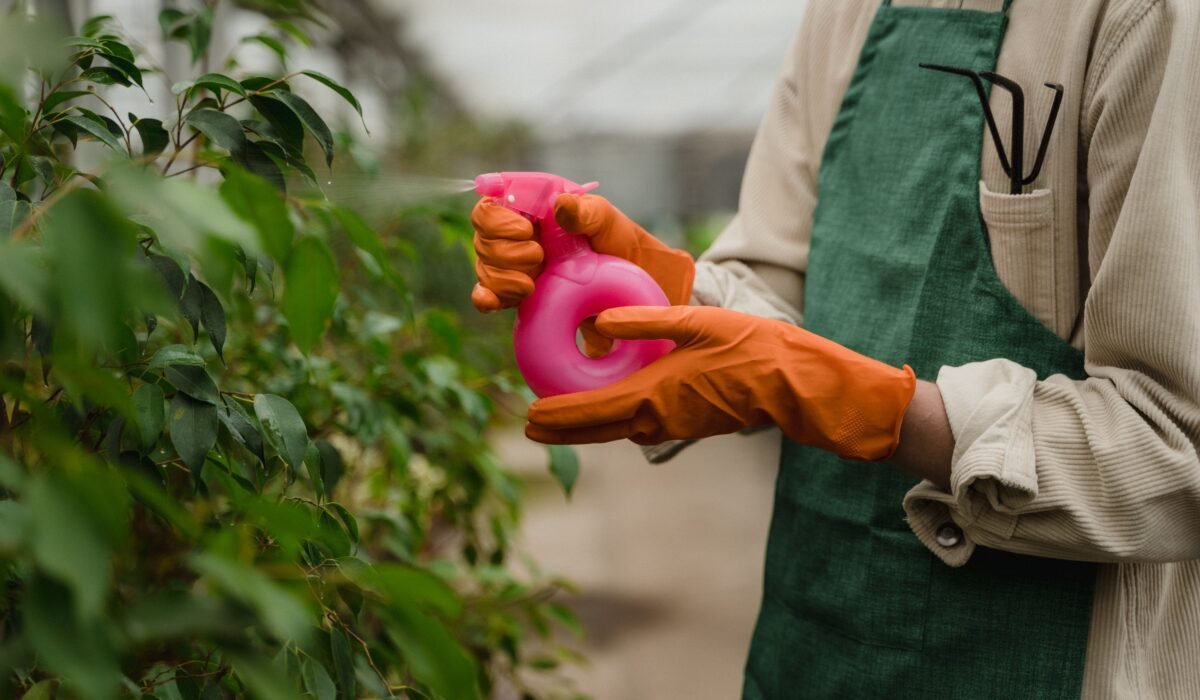
Your personal safety is also important when engaging in **DIY Organic Pest Control**. Ingredients like hot pepper sprays can cause skin and eye irritation. Always wear gloves, eye protection, and a mask when mixing and applying these solutions. Wash your hands thoroughly after handling any homemade pest spray.
Consider the safety of children and pets. While many **DIY Organic Pest Control** ingredients are food-safe, concentrated solutions can still be harmful if ingested. Store all homemade pest spray mixtures and their ingredients in clearly labeled containers, out of reach of curious hands and paws. Diatomaceous Earth, for instance, is food-grade but can irritate lungs if inhaled in large quantities.
Key safety tips for **DIY Organic Pest Control**:
- Always Test First: Apply new solutions to a small area of the plant and observe for 24-48 hours.
- Use Correct Concentrations: Follow recipes precisely. More is not always better and can harm plants.
- Wear Protective Gear: Gloves, eye protection, and a mask are recommended, especially for irritating ingredients like hot peppers.
- Store Safely: Keep all mixtures and ingredients in clearly labeled containers, out of reach of children and pets.
- Apply at Optimal Times: Spray in the early morning or late evening to avoid sun scorch and minimize harm to beneficial insects.
- Avoid Over-Application: Drenching plants excessively can lead to issues. Apply only enough to cover affected areas.
- Understand Ingredients: Research potential side effects of each component in your homemade pest spray.
By taking these precautions, you can confidently practice safe pest control garden techniques, ensuring your **DIY Organic Pest Control** efforts are effective and harmless to your loved ones and the environment.
Designing a Pest-Resistant Organic Garden Ecosystem
Designing a pest-resistant organic garden ecosystem involves a holistic approach that builds resilience from the ground up, moving beyond reactive spraying to proactive, preventative design. This long-term strategy is the most effective form of **DIY Organic Pest Control**, minimizing pest problems before they even begin. In my decade of gardening, I’ve found that a well-designed ecosystem is the best defense.
The foundation of a pest-resistant garden lies in **soil health**. Healthy soil, rich in organic matter and beneficial microorganisms, supports strong, vigorous plants that are naturally more resilient to pest and disease attacks. Incorporating practices like composting for beginners is essential for building this robust soil structure. Organic matter improves drainage, nutrient availability, and microbial diversity, all contributing to plant vitality.
**Biodiversity** is another critical element. A monoculture (planting only one type of crop) is an open invitation for pests that specialize in that plant. By planting a wide variety of species, including different vegetables, herbs, and flowers, you create a more complex ecosystem that confuses pests and supports a diverse population of beneficial insects. This variety is a core principle of effective **DIY Organic Pest Control**.
Strategic plant placement, often through **companion planting**, plays a vital role. As discussed earlier, placing natural bug control plants like marigolds or basil near susceptible crops can deter pests. This thoughtful arrangement creates a living barrier and enhances the garden’s overall defense mechanisms. Thinking about how plants interact is key to successful **DIY Organic Pest Control** design.
Key elements for a pest-resistant organic garden ecosystem:
- Healthy Soil:
- Incorporate ample compost and organic matter.
- Avoid compaction.
- Promote beneficial soil microbes.
- Plant Diversity:
- Mix different plant families and species.
- Include flowers, herbs, and vegetables.
- Vary bloom times to support beneficial insects year-round.
- Companion Planting:
- Strategically place repellent plants (e.g., garlic, marigolds).
- Pair plants that benefit each other (e.g., corn, beans, squash).
- Proper Plant Spacing:
- Ensure good air circulation to reduce fungal diseases.
- Prevent easy pest spread from plant to plant.
- Water & Nutrient Management:
- Provide consistent, appropriate watering.
- Avoid over-fertilization, especially with nitrogen, which can attract sap-sucking pests.
By focusing on these design principles, you cultivate an environment where your **DIY Organic Pest Control** efforts are primarily preventative. This leads to a more balanced, productive, and enjoyable garden with fewer pest outbreaks.
Beyond Sprays: Advanced Organic Pest Prevention Strategies
Moving beyond immediate solutions, advanced organic pest prevention strategies focus on long-term garden health and resilience, offering a deeper commitment to **DIY Organic Pest Control**. These methods aim to prevent pest issues from ever taking hold, reducing the need for even organic sprays. From my perspective, these proactive steps are where true gardening mastery lies.
One fundamental strategy is **crop rotation**. This involves changing the location of specific plant families in your garden beds each season. Pests and diseases often build up in the soil over time, targeting specific plant types. Rotating crops breaks their life cycles and prevents soil-borne pathogens from establishing themselves. This is a powerful, often overlooked, aspect of **DIY Organic Pest Control**.
**Physical barriers** provide direct protection against many common pests. Row covers, for example, can shield young seedlings and susceptible crops from cabbage worms, squash bugs, and flea beetles. Netting can protect fruit trees from birds and larger insects. These barriers are a non-toxic way to implement safe pest control garden practices.
Another effective method involves **sanitation and clean garden practices**. Removing diseased plant material, fallen leaves, and weeds eliminates hiding spots and breeding grounds for pests and pathogens. Regularly cleaning gardening tools also prevents the spread of diseases. A tidy garden is a healthier garden, making **DIY Organic Pest Control** much easier.
Advanced organic pest prevention strategies:
- Crop Rotation:
- Rotate plant families annually to disrupt pest and disease cycles.
- Prevents nutrient depletion in specific soil areas.
- Physical Barriers:
- Use row covers to protect vulnerable crops.
- Install netting over fruit-bearing plants.
- Employ sticky traps for flying insects.
- Garden Sanitation:
- Promptly remove diseased or infested plant parts.
- Clear away fallen leaves and plant debris.
- Weed regularly to reduce pest hiding spots and competition.
- Beneficial Insect Habitats:
- Plant native flowers and provide water sources to encourage predators.
- Create insect hotels or undisturbed areas for overwintering beneficials.
- Water Management & Drainage:
- Ensure adequate drainage to prevent root rot and stress.
- Avoid overhead watering to reduce fungal diseases.
- Choosing Resistant Varieties:
- Select plant varieties known for their natural resistance to common local pests and diseases.
By integrating these advanced strategies, you create a robust, self-sustaining garden ecosystem that inherently resists pest pressure. This holistic approach to **DIY Organic Pest Control** ensures a bountiful harvest year after year without relying on quick-fix solutions.
Frequently Asked Questions
What are natural ways to get rid of bugs in a garden?
Natural ways to get rid of bugs in a garden include using homemade sprays like neem oil or insecticidal soap, practicing companion planting, and introducing beneficial insects. For example, releasing ladybugs can effectively control aphid populations, with a single ladybug consuming up to 5,000 aphids in its lifetime, according to the University of California Agriculture & Natural Resources (2021). These methods are key components of effective **DIY Organic Pest Control**.
What is a good homemade pest control for plants?
A good homemade pest control for plants is a simple soap spray solution, made by mixing 1-2 teaspoons of mild liquid soap (like Castile Soap) with 1 gallon of water. This solution is particularly effective against soft-bodied insects such as aphids and mealybugs. Always test the spray on a small portion of the plant first to ensure no adverse reaction.
How do I make organic pest control at home?
You can make organic pest control at home by combining ingredients like cold-pressed Neem Oil, mild liquid soap, and water for an all-purpose insecticidal spray. For instance, a mixture of 1-2 teaspoons of Neem Oil, 1/2 teaspoon of Castile Soap, and 1 gallon of warm water creates an effective solution against many common garden pests. This homemade pest spray is a cornerstone of **DIY Organic Pest Control**.
What is the best organic pesticide?
There isn’t a single “best” organic pesticide, as effectiveness depends on the specific pest and plant, but Bacillus thuringiensis (Bt) is highly effective for targeting caterpillar larvae. Bt is a naturally occurring soil bacterium that specifically affects caterpillars, leaving other beneficial insects unharmed. Biological control, which includes solutions like Bt, is projected to be the fastest-growing segment in the insect pest control market, with a 6.3% CAGR during 2026-2031.
What plants repel pests naturally?
Plants that repel pests naturally include marigolds, which deter nematodes and aphids, and herbs like basil and rosemary, which repel various flies and moths. For example, planting marigolds (Tagetes spp.) around your vegetable beds can significantly reduce pest pressure on your crops. These natural bug control plants are essential for an integrated **DIY Organic Pest Control** strategy.
Embracing **DIY Organic Pest Control** is a journey towards a more sustainable, healthy, and resilient garden, offering peace of mind that your produce is free from harsh chemicals. By implementing these natural methods—from homemade sprays to ecosystem design—you empower yourself to cultivate a thriving environment. Start by identifying your pests, choosing the right natural remedy, and consistently monitoring your garden to enjoy bountiful, organic harvests for years to come.