Key Takeaways
- The global terrarium market was valued at $3.2 billion in 2025, according to a report verified as of March 2026 (2026).
- Closed terrariums comprised the largest product-type share at 38.4% in 2025, ideal for humidity-loving plants (2026).
- Glass is the dominant material for terrariums, holding a 52.6% revenue share in 2025 due to its clarity and recyclability (2026).
- Creating a DIY indoor plant terrarium promotes humidity control, crucial for tropical plants often struggling in dry indoor air.
- The hashtag #terrarium garnered over 4.2 billion views on TikTok by early 2026, showcasing significant public interest (2026).
Ever wondered how to bring a slice of serene nature into your home with minimal fuss? Creating a DIY indoor plant terrarium offers a captivating way to cultivate a miniature ecosystem, providing lush greenery and a touch of tranquility to any space. This comprehensive guide will walk you through every step, from selecting the right container to maintaining a thriving, self-sustaining environment.
Quick Answer: Creating an indoor plant terrarium involves selecting a container, adding drainage, charcoal, and potting mix. Plant chosen flora, arrange decorative elements, then provide appropriate light and minimal watering to establish a self-sustaining miniature ecosystem.
What is a Terrarium and Why Create One?
A terrarium is essentially a miniature garden housed within a sealed or partially sealed glass container, creating a self-contained environment for plants. These captivating ecosystems offer a unique blend of horticultural beauty and scientific intrigue, making a DIY indoor plant terrarium a rewarding project for any plant enthusiast.
The appeal of terrariums is significant; the global terrarium market was valued at $3.2 billion in 2025 and is projected to reach $5.8 billion by 2034, growing at a CAGR of 6.8% from 2026 to 2034, according to a comprehensive market report (2026).
Why should you consider creating your own terrarium? Beyond their aesthetic appeal, terrariums provide a stable, humid environment that many tropical and moisture-loving plants thrive in, often better than in open pots. They require minimal watering and maintenance once established, making them perfect for busy individuals or those with limited gardening space.
Closed terrariums, which held the largest product-type share at 38.4% in 2025, are particularly effective for humidity-loving plants, according to market research (2026). As terrarium expert Megan Brame notes, “Terrariums are best for small spaces where you’re not in control of the critical elements (heat, light – think like an office) while houseplants are best for places you are in often and can control the essential elements.”
This self-sustaining ecosystem in a jar minimizes typical plant care challenges like dry air and inconsistent watering. A well-constructed DIY indoor plant terrarium becomes a living piece of art that continuously evolves, offering endless fascination.
Essential Materials and Tools for Your DIY Indoor Plant Terrarium
Gathering the right materials and tools is the first crucial step to ensure your DIY indoor plant terrarium project is successful and enjoyable. You’ll need more than just a glass container; each component plays a vital role in establishing a healthy environment for your miniature garden.
Glass containers emerged as the dominant material segment for terrariums with a 52.6% revenue share in 2025, primarily due to their optical clarity, durability, and 100% recyclability, according to industry analysis (2026).
Here’s a comprehensive list of what you’ll need for your DIY indoor plant terrarium:
- Glass Container: Choose clear glass with a wide opening for easy access. Options range from simple jars to elaborate H Potter designs.
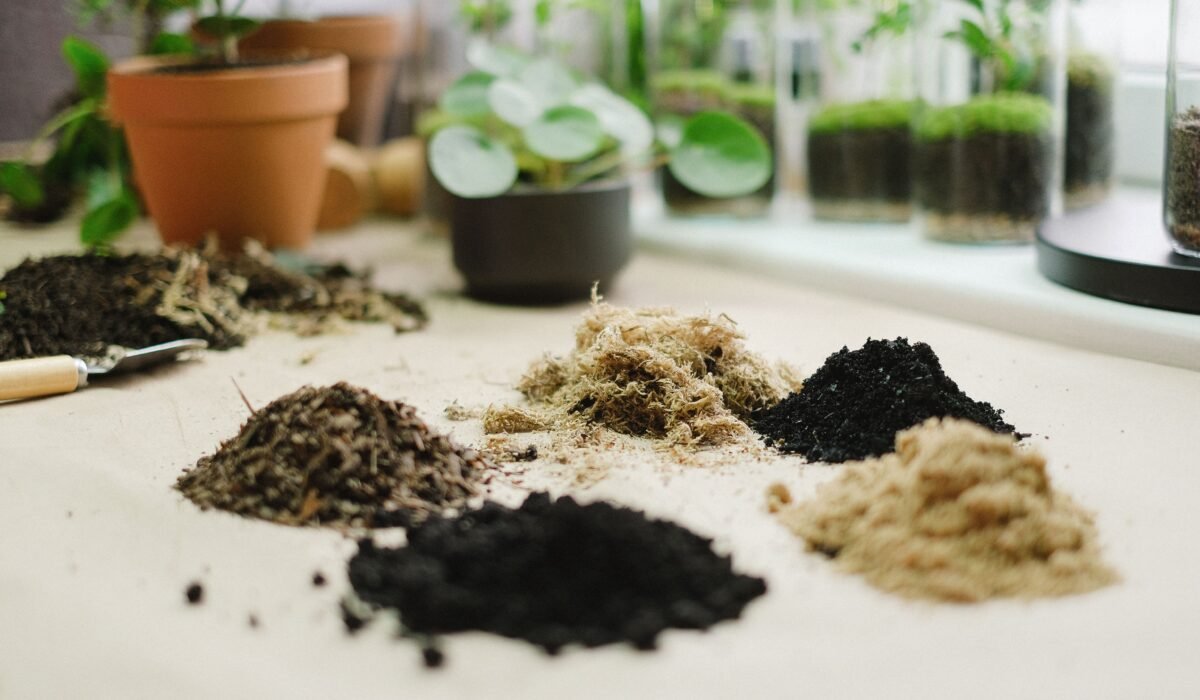
- Drainage Layer: Small pebbles, gravel, or leca balls. This prevents waterlogging, which is critical for plant health.
- Activated Charcoal: A thin layer helps filter the air and water, preventing mold and odors. Esschert Design offers specialized charcoal for terrariums.
- Substrate (Potting Mix): A well-draining, peat-based mix is usually best. Ensure it’s suitable for the plants you choose.
- Plants: Small, slow-growing varieties that thrive in humidity for closed terrariums, or drought-tolerant plants for open ones. Proven Winners offers “leafjoy littles” which are ideal.
- Decorative Elements: Small rocks, driftwood (like manzanita wood), moss, or miniature figurines to enhance the aesthetic.
- Tools: Long-handled tweezers, a small shovel or scoop, a misting bottle, and a soft brush for cleaning the glass. Specialized terrarium tools from brands like Esschert Design make the process much easier.
Having all these items ready before you begin constructing your DIY indoor plant terrarium will streamline the process. My experience shows that proper preparation dramatically reduces frustration and leads to a more beautiful outcome.
Choosing the Best Plants for Your Terrarium
Selecting the right plants is paramount for the long-term success of your DIY indoor plant terrarium, as their specific needs must align with the environment you create. Matching plants to your terrarium type, whether open or closed, is the most crucial decision you’ll make.
Closed terrariums are ideal for humidity-loving plants that are hard to grow in the dry atmosphere of a typical home, such as ferns, mosses, and tropical plants, according to horticultural experts.
For a closed terrarium, which mimics a mini rainforest, you’ll want plants that love high humidity and indirect light. These include:
- Ferns: Maidenhair fern, Lemon button fern, Asparagus fern.
- Mosses: Sheet moss, Cushion moss, Mood moss.
- Fittonia (Nerve Plant): Known for its vibrant, contrasting veins.
- Peperomia: Many small varieties like Peperomia ‘Hope’ or ‘Rosso’.
- Baby Tears (Soleirolia soleirolii): Creates a lush, carpet-like ground cover.
- Orchids: Miniature varieties like Jewel Orchids.
For an open terrarium, which has more air circulation and lower humidity, succulent and arid-loving plants are a better fit. These typically prefer bright light and dry conditions:
- Succulents: Echeveria, Haworthia, Gasteria.
- Cacti: Small, slow-growing varieties.
- Air Plants (Tillandsia): These don’t need soil and can be nestled among rocks.
- Miniature Jade (Portulacaria afra): A resilient, tree-like succulent.
When selecting plants for your DIY indoor plant terrarium, always choose species that remain small or grow very slowly. Proven Winners offers excellent “leafjoy littles” that are perfectly sized for these miniature ecosystems, ensuring they won’t quickly outgrow their glass home.
7 Easy Steps to Build Your Indoor Plant Terrarium
Building a DIY indoor plant terrarium is a straightforward process when approached systematically, and following these seven easy steps will guide you to a beautiful and thriving miniature garden. Each layer and placement serves a specific purpose, contributing to the overall health and aesthetics of your enclosed ecosystem.
From my 10 years of experience in horticulture, I’ve found that patience and attention to detail during assembly are key to preventing common issues like mold or root rot later on.
Step 1: Choose Your Container & Tools
Select a clean, clear glass container with an opening large enough to work through comfortably. The container defines the aesthetic and environment of your DIY indoor plant terrarium, so choose one that complements your space and plant choices.
Glass containers are preferred for their optical clarity, which held a 52.6% revenue share in 2025 for terrarium materials, according to market data (2026).
Step 2: Create the Drainage Layer
Add a 1-2 inch layer of small pebbles, gravel, or leca balls to the bottom of your container. This layer is crucial for preventing water from pooling around plant roots, which is the primary cause of root rot in a closed DIY indoor plant terrarium.
Step 3: Add Activated Charcoal & Soil
Place a thin layer (about 1/2 inch) of activated charcoal over the drainage layer, followed by 2-4 inches of appropriate potting mix. The charcoal helps absorb odors and toxins, maintaining a fresh and clean environment for your DIY indoor plant terrarium, while the soil provides essential nutrients and structure.
Step 4: Select and Prepare Plants
Carefully remove your chosen plants from their nursery pots and gently shake off excess soil from their roots. Trim any overly long or damaged roots, ensuring the plants are ready for their new home within the DIY indoor plant terrarium.
Step 5: Plant Your Terrarium
Using long-handled tweezers or small gardening tools, arrange and plant your flora within the potting mix, leaving enough space for growth. Position taller plants towards the back or center, and smaller plants or ground covers towards the front, creating visual depth in your DIY indoor plant terrarium.
Step 6: Add Decorative Elements
Once plants are in place, add decorative elements like small rocks, interesting pieces of driftwood, or miniature figurines. These elements personalize your DIY indoor plant terrarium, adding character and visual interest to the miniature landscape.
Step 7: Water and Seal (if closed)
Lightly mist the plants and soil with water until the soil is damp but not soggy, then gently clean the inside of the glass. If creating a closed DIY indoor plant terrarium, place the lid on top to begin establishing the self-sustaining cycle, trapping humidity for the plants.
Designing Your Terrarium: Aesthetics and Hardscaping
Designing your DIY indoor plant terrarium is where your creativity truly shines, transforming a simple glass container into a captivating miniature landscape. Beyond just functionality, aesthetic considerations, including thoughtful hardscaping, elevate your terrarium from a collection of plants to a living work of art.
Hardscaping elements, like carefully chosen rocks or wood, provide structure and focal points, guiding the viewer’s eye through the miniature scene.
Consider these principles when designing your DIY indoor plant terrarium:
- Focal Point: Choose one dominant element, whether it’s a particularly striking plant, a unique rock, or a piece of driftwood, to draw attention.
- Rule of Thirds: Imagine dividing your terrarium into a 3×3 grid and place your focal point off-center for a more dynamic composition.
- Layering: Use varying heights of plants and hardscaping to create depth and interest. Taller plants in the back, shorter ones in the front.
- Color and Texture: Mix plants with different leaf shapes, sizes, and colors, alongside varied textures in your hardscaping materials, like smooth river stones or rough manzanita wood.
- Hardscaping Choices:
- Rocks: Smooth river stones, jagged lava rocks, or slate pieces can create pathways or mountain-like structures.
- Wood: Manzanita wood and grapevine wood are excellent choices, known for their toughness and intricate shapes.
- Moss: Sheet moss or cushion moss can cover soil, soften edges, and add a vibrant green carpet.
The best types of wood for terrariums are usually hardwoods like manzanita wood or grapevine wood, which are super tough and resist rot in humid environments, according to gardening experts. By carefully considering these design elements, your DIY indoor plant terrarium becomes not just a plant holder, but a captivating display.
How to Create a Self-Sustaining Terrarium Ecosystem
The magic of a closed DIY indoor plant terrarium lies in its ability to become a self-sustaining ecosystem, requiring minimal intervention once properly established. This miniature world operates on natural cycles, mimicking the larger Earth system within a glass enclosure.
A properly sealed terrarium creates a microclimate where water evaporates from the soil and plants, condenses on the cooler glass, and then trickles back down to the soil, effectively recycling moisture.
To ensure your DIY indoor plant terrarium achieves this delicate balance:
- Choose the Right Container: A tightly sealable glass container is essential for trapping moisture.
- Proper Drainage: The gravel and activated charcoal layers are critical for managing excess water and preventing anaerobic conditions.
- Appropriate Substrate: A good quality, well-draining potting mix provides nutrients and retains enough moisture without becoming waterlogged.
- Humidity-Loving Plants: Select plants like ferns, mosses, and tropical varieties that thrive in high humidity and can withstand the enclosed environment.
- Balanced Watering: Initial watering should be just enough to moisten the soil; observe condensation. Too much water will lead to mold, too little will dry out the plants.
- Indirect Light: Place your DIY indoor plant terrarium in a location with bright, indirect light. Direct sunlight can overheat the interior, cooking the plants.
The goal is to see a light misting of condensation on the glass during the day that largely dissipates at night. If the glass is constantly fogged, it’s too wet; if there’s no condensation, it might be too dry. Achieving this balance is the key to a truly self-sustaining ecosystem in a jar, making your DIY indoor plant terrarium a marvel of natural engineering.
Terrarium Care and Troubleshooting Common Issues
While a DIY indoor plant terrarium is designed for low maintenance, understanding proper care and how to troubleshoot common issues is vital for its long-term health and vibrancy. Even self-sustaining systems can encounter problems that require your attention to prevent decline.
The most common issue in terrariums is overwatering, leading to mold or root rot, which can be prevented by carefully monitoring condensation and soil moisture.
Here’s how to care for your terrarium and address typical problems:
| Issue | Symptoms | Solution for Your DIY Indoor Plant Terrarium |
|---|---|---|
| Excessive Condensation/Mold | Glass constantly fogged, white fuzzy growth on soil or plants. | Open the lid for a few hours daily until condensation reduces. Remove any moldy plants or soil with long tweezers. |
| Foul Odor | Musty or rotting smell. | Indicates too much moisture or decaying organic matter. Open lid, remove decaying material, add more activated charcoal if necessary. |
| Plants Wilting/Yellowing | Leaves droop, turn yellow, or brown. | Could be overwatering (most common) or underwatering. Check soil moisture. For overwatering, open lid to dry out. For underwatering, mist lightly. |
| Algae Growth | Green film on glass or soil. | Too much direct light. Move your DIY indoor plant terrarium to a location with indirect light. Gently scrape algae off glass with a brush. |
| Pests | Small insects, gnats, or spider mites. | Often introduced with new plants. Remove affected plants if possible. Introduce beneficial insects (e.g., springtails) or use organic pest control methods like neem oil. |
| Lack of Growth/Stunted Plants | Plants appear dormant or unhealthy. | Insufficient light or nutrients. Ensure adequate indirect light. Consider a grow light from brands like Soltech if natural light is insufficient. |
Regularly prune any plants that are growing too large or touching the sides of the glass, which can lead to rot. Remember, the key to a thriving DIY indoor plant terrarium is observation and minor adjustments.
Terrarium Ideas for Different Room Environments
Adapting your DIY indoor plant terrarium to specific room environments ensures its success and maximizes its aesthetic impact, as different spaces offer varying light and humidity conditions. Considering your room’s unique characteristics allows you to choose the right plants and terrarium type for optimal performance.
North America dominated regional revenue for terrariums at 34.2% share in 2025, driven by high home-decor spending, highlighting the importance of integrating terrariums seamlessly into home environments (2026).
Here are some tailored ideas for your DIY indoor plant terrarium in various settings:
- Low-Light Bedrooms or Offices:
- Type: Closed terrarium.
- Plants: Ferns, mosses, Peperomia, or Nerve Plants (Fittonia).
- Why: These plants tolerate lower light and the closed environment maintains humidity they crave. Consider adding a small Soltech grow light for an extra boost.
- Humid Bathrooms:
- Type: Closed or open terrarium.
- Plants: Tropical ferns, orchids, or even air plants (Tillandsia) nestled in an open terrarium.
- Why: The natural humidity of a bathroom is perfect for these plants, reducing the need for constant sealing.
- Bright Living Rooms (Indirect Light):
- Type: Closed terrarium for tropical scenes or an open terrarium for succulents.
- Plants: A lush jungle scene with various ferns, fittonias, and small philodendrons for closed. Echeverias, Haworthias, and small cacti for open.
- Why: These rooms often provide ample indirect light, suitable for a wider range of terrarium styles and plants.
- Kitchens:
- Type: Open terrarium, perhaps with miniature herbs.
- Plants: Small basil, thyme, or oregano varieties (ensure they stay small), or traditional open terrarium succulents.
- Why: Kitchens can be functional and decorative. An open terrarium with herbs offers both, though regular trimming is vital.
By thoughtfully matching your DIY indoor plant terrarium to its environment, you create not just a beautiful display, but a thriving ecosystem that complements your home’s unique conditions.
Frequently Asked Questions
What are the 7 steps to make a terrarium?
The 7 steps to make a terrarium involve choosing a container, creating a drainage layer, adding activated charcoal and soil, selecting and preparing plants, planting them, adding decorative elements, and finally watering and sealing. This structured approach ensures a healthy foundation for your miniature ecosystem. The global terrarium market was valued at $3.2 billion in 2025, showcasing widespread interest in these projects (2026).
What do you put in a terrarium in order?
In a terrarium, you first put a drainage layer of pebbles or gravel, followed by a thin layer of activated charcoal, and then a layer of specialized potting mix. After these foundational layers are set, you introduce your chosen plants, followed by any decorative elements like rocks or wood. This specific order ensures proper drainage and a healthy environment for your DIY indoor plant terrarium.
What is the best plant for a beginner terrarium?
For a beginner terrarium, hardy, slow-growing, humidity-loving plants like ferns (e.g., Lemon Button Fern), Peperomia, or Fittonia (Nerve Plant) are best. These plants are forgiving and thrive in the consistent conditions of a closed terrarium, making them easier for newcomers to manage. Proven Winners offers “leafjoy littles” specifically designed for small-scale projects like a DIY indoor plant terrarium.
How do you make a self-sustaining terrarium?
To make a self-sustaining terrarium, use a tightly sealed glass container, ensure proper drainage and a balanced soil mix, and select humidity-loving plants. The key is to establish a natural water cycle where condensation forms and returns moisture to the soil, requiring minimal external watering. Closed terrariums held the largest product-type share at 38.4% in 2025, precisely because of their self-sustaining nature (2026).
How do you prevent mold in terrariums?
To prevent mold in terrariums, ensure adequate ventilation by occasionally opening closed terrariums, use a layer of activated charcoal, and avoid overwatering. Promptly remove any decaying plant matter or dead leaves, as these provide a food source for mold. Maintaining a proper moisture balance is critical for a healthy DIY indoor plant terrarium.
Creating your own DIY indoor plant terrarium is a truly rewarding endeavor, blending horticultural expertise with artistic expression. By following these steps and understanding the underlying principles, you can cultivate a beautiful, low-maintenance ecosystem that brings a vibrant touch of nature into your home or office. Embrace the journey, and watch your miniature world flourish! Ready to get started? Gather your materials and begin building your unique glass garden today.