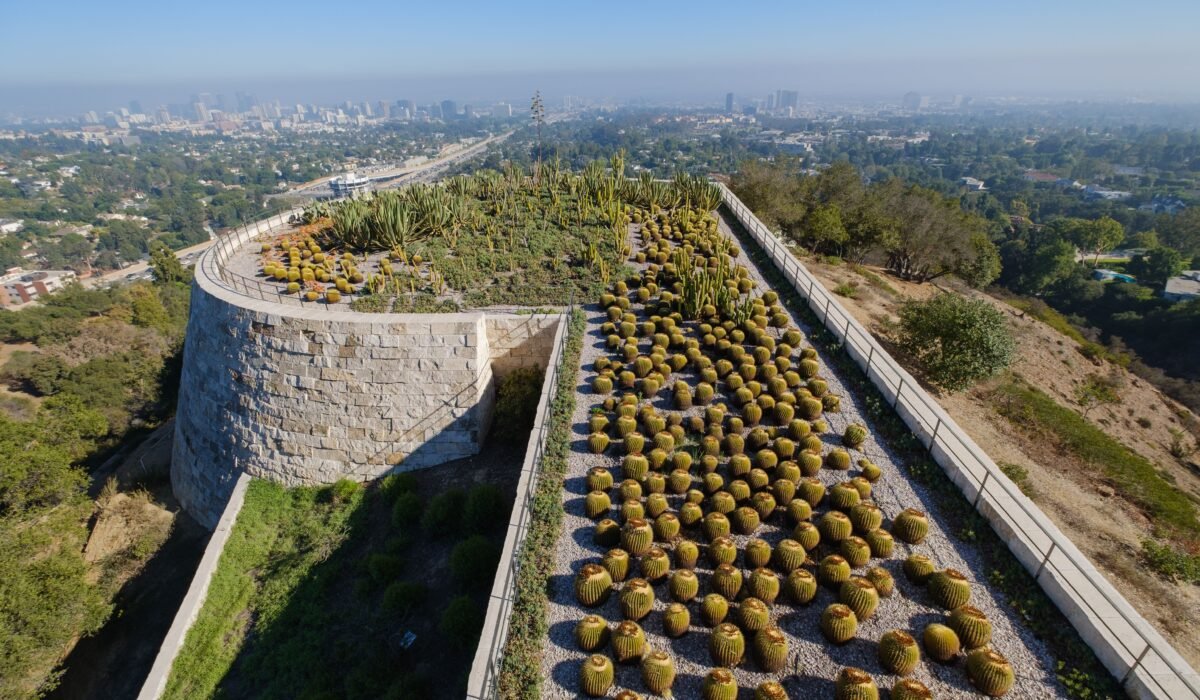
Key Takeaways
- Water-wise landscaping can reduce water usage by 50% to 70% compared to traditional perennial beds once established, according to Almanac.com (2026).
- The demand for native and drought-tolerant plants is increasing in 2026 due to legislation and water restrictions, as noted by Jake Leman, CEO of Singing Hills Landscape, Inc. (2026).
- Many roses, such as the ‘Flower Carpet Rose’, are drought-tolerant once established, thriving on rainfall in subsequent growing seasons (HGTV, 2026).
- Selecting plants with features like succulent leaves, silvery foliage, or deep root systems significantly enhances their resilience in dry conditions.
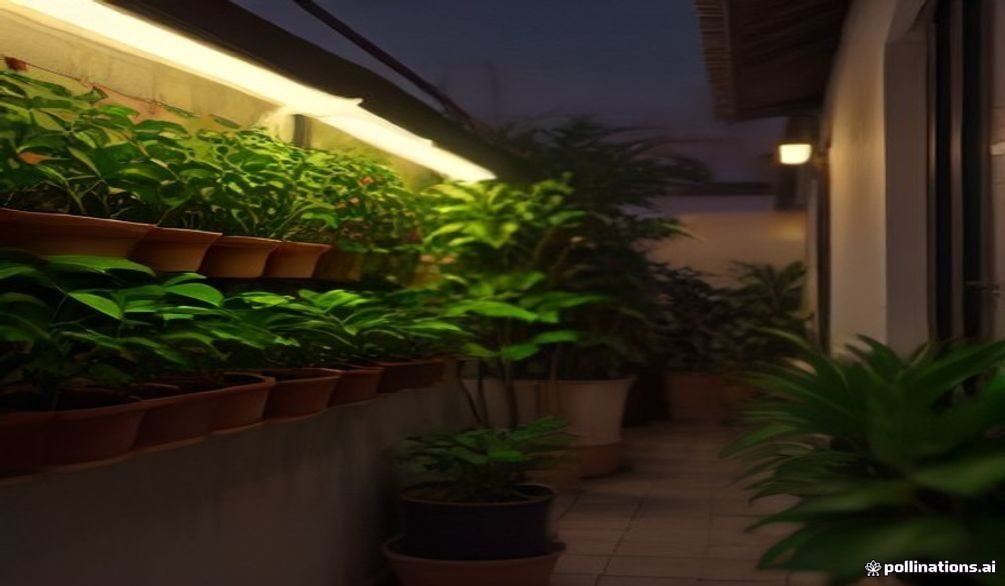
- Designing a drought-tolerant terrace garden involves strategic plant placement, appropriate container selection, and considering wind exposure.
As a gardener with over 10 years of experience, I understand the challenges of creating a vibrant green space, especially when water conservation is a priority. This guide will introduce you to the Best Drought-Tolerant Plants for Terrace Gardens, helping you cultivate a beautiful and sustainable oasis with minimal watering. We’ll explore resilient varieties that thrive in containers, withstand harsh terrace conditions, and bring enduring beauty to your elevated space.
Quick Answer: For water-wise terrace gardens, choose resilient plants like Lavender, Sedum, Salvia, Catmint, and Yucca. They thrive in dry conditions, need minimal watering once established, and offer vibrant blooms or attractive foliage for containers.
Why Choose Drought-Tolerant Plants for Your Terrace Garden?
Choosing drought-tolerant plants for your terrace garden is a smart decision that offers numerous benefits, primarily focused on water conservation and reduced maintenance. Water-wise landscaping can result in 50% to 70% less water usage than a traditional perennial bed once established (year three on), according to Almanac.com (2026). This significant saving is crucial, especially in regions facing water restrictions or for gardeners seeking sustainable practices.
Beyond just saving water, these plants are inherently resilient, making them perfect for the often harsh conditions of a terrace. Terraces can experience intense sun exposure, strong winds, and rapid soil drying in containers, all of which stress traditional plants. By selecting the Best Drought-Tolerant Plants for Terrace Gardens, you are essentially setting your garden up for success.
The demand for native and drought-tolerant plants is strong in some markets, driven by legislation, water restrictions, or a desire for low-maintenance landscapes, according to Jake Leman, CEO of Singing Hills Landscape, Inc. (2026). This trend reflects a growing understanding of the environmental and practical advantages these varieties offer. Tyler Bigham, principal lead designer for Alterra Landscape Design, expects the demand for native plants to grow in 2026 as homeowners shift towards more natural, organic landscapes.
Opting for drought-tolerant varieties frees up your time, allowing you to enjoy your terrace rather than constantly worrying about watering. My experience shows that these plants typically require less fuss with pests and diseases once established, further simplifying your gardening routine. It’s about creating a beautiful space that works with nature, not against it.
What Makes a Plant Ideal for Drought-Tolerant Terrace Gardening?
A plant is ideal for drought-tolerant terrace gardening if it possesses specific physiological adaptations that allow it to conserve water and thrive in dry, exposed conditions. These adaptations can significantly reduce the need for frequent watering, making them the Best Drought-Tolerant Plants for Terrace Gardens. For instance, plants with succulent leaves or stems store water, while those with deep root systems can access moisture deeper in the soil.
Many of these resilient plants feature silvery or fuzzy foliage, which helps reflect sunlight and reduce water loss through transpiration. This is particularly beneficial on terraces where plants are often exposed to full sun and higher temperatures. Plants that thrive in hot dry conditions in pots often have these characteristics.
Consider plants that are naturally accustomed to local droughts and heat, as Karla, owner of Nativo Gardens in Texas, notes that using native plants will lead to a beautiful, thriving garden (2025). Such plants are pre-adapted to challenging conditions, requiring less intervention from you. When selecting the Best Drought-Tolerant Plants for Terrace Gardens, always check their hardiness zones and sun requirements.
Terrace gardens also face unique challenges like wind exposure, which can accelerate soil drying in containers. Therefore, robust plants that can withstand strong gusts without toppling or suffering excessive desiccation are also ideal. Look for varieties with strong stems and a compact growth habit.
The 7 Best Drought-Tolerant Plants for Terrace Gardens
Selecting the right varieties is key to a flourishing, low-water terrace garden. Here are the 7 Best Drought-Tolerant Plants for Terrace Gardens, perfect for creating a vibrant, water-wise display. These plants are known for their resilience, beauty, and ability to thrive in containers, even in full sun.
- Lavender (Lavandula spp.)
- Why it’s great: Lavender is a classic choice for xeriscape terrace design, beloved for its fragrant flowers and silvery-green foliage. It thrives in full sun and well-draining soil, needing very little water once established. Proven Winners offers several compact varieties perfect for pots.
- Terrace tip: Use terracotta pots which allow for good air circulation and drainage, mimicking its native Mediterranean environment. Ensure good air circulation to prevent fungal issues.
- Sedum (Stonecrop)
- Why it’s great: Sedums are incredibly versatile and are among the best succulents for outdoor pots. They come in various forms, from ground covers to upright varieties like ‘Autumn Joy’, all boasting fleshy leaves that store water. They are excellent heat tolerant plants for rooftop gardens.
- Terrace tip: Ideal for shallow containers or mixed arrangements. They tolerate neglect and perform well even in harsh, exposed conditions.
- Salvia (Sage)
- Why it’s great: Salvia nemorosa (woodland sage) is highlighted as an excellent low-maintenance, drought-tolerant flower for pots, thriving in exposed patios and containers where other plants struggle (Homes and Gardens, 2026). It offers long-lasting spikes of blue, purple, or pink flowers.
- Terrace tip: Plant in containers that allow for good drainage. Deadhead regularly to encourage continuous blooming throughout the season. Many varieties from Monrovia are excellent for container gardening water conservation.
- Catmint (Nepeta spp.)
- Why it’s great: Catmint is a tough, aromatic perennial with a cloud of lavender-blue flowers. It’s incredibly forgiving, resisting pests and deer, and requires minimal water once established. It’s a fantastic sun-loving patio plant.
- Terrace tip: Its sprawling habit looks beautiful cascading over the edges of pots. Cut back after the first flush of flowers for a second bloom.
- Yucca
- Why it’s great: Yucca ‘Dragon Slayer’ (Zone 5-9) is a 2025 introduction with sword-like powdery blue leaves and a rigid structure that thrives in harsh conditions, making a bold statement in dry gardens (GrowJoy, 2025). Yuccas are architectural and virtually indestructible.
- Terrace tip: Choose large, heavy pots to prevent top-heavy plants from blowing over. They are perfect for a modern, minimalist xeriscape terrace design.
- Portulaca (Moss Rose)
- Why it’s great: For vibrant color in full sun, Portulaca is unbeatable. It produces cheerful, cup-shaped flowers in a rainbow of colors and thrives in intense heat and dry soil. These are plants that thrive in hot dry conditions in pots.
- Terrace tip: Excellent for hanging baskets or containers where you want a splash of continuous color. They don’t mind drying out between waterings.
- Rosemary (Rosmarinus officinalis)
- Why it’s great: This aromatic herb is also one of the Best Drought-Tolerant Plants for Terrace Gardens, offering evergreen foliage and delicate blue flowers. It’s perfect for Mediterranean plants for small spaces and serves a dual purpose in cooking.
- Terrace tip: Ensure excellent drainage. Rosemary can be pruned into various shapes, adding structure to your terrace garden.
| Plant Name | Sun Exposure | Water Needs (Established) | Key Terrace Benefit |
|---|---|---|---|
| Lavender | Full Sun | Low | Fragrant, compact varieties |
| Sedum | Full Sun to Partial Shade | Very Low | Water-storing foliage, diverse forms |
| Salvia | Full Sun | Low | Long blooming, pest resistant |
| Catmint | Full Sun to Partial Shade | Low | Aromatic, cascading habit |
| Yucca | Full Sun | Very Low | Architectural, bold statement |
| Portulaca | Full Sun | Low | Vibrant, continuous blooms |
| Rosemary | Full Sun | Low | Aromatic, edible, evergreen |
How to Design a Beautiful Drought-Tolerant Terrace Oasis?
Designing a beautiful drought-tolerant terrace oasis involves thoughtful planning, focusing on aesthetics, functionality, and the unique challenges of elevated spaces. Start by considering the overall theme you envision, whether it’s a Mediterranean vibe or a modern, minimalist look, which will guide your choice of the Best Drought-Tolerant Plants for Terrace Gardens. For instance, combining plants with varied textures and foliage colors can create visual interest even with limited blooms.
Incorporating different heights and forms is crucial for dynamic design. Use taller plants like Yucca as focal points, mid-height salvias for color, and trailing sedums or catmint to soften container edges. Vertical gardening solutions can also maximize space on a terrace, allowing for more plants without increasing footprint, and are excellent low maintenance terrace garden ideas. You can find more tips on maximizing space in your terrace garden here: Maximize Space Terrace Garden: 7 Smart Ways.
Container selection plays a vital role; choose pots that complement your design and are large enough to support mature plant root systems. Terra cotta pots are excellent for drought-tolerant plants as they allow for good aeration and drainage, which is critical for preventing root rot in water-wise plants. Tyler Bigham of Alterra Landscape Design notes that clients are moving away from overly rigid designs and instead want spaces that feel relaxed and connected to nature (2026).
Consider incorporating hardscaping elements like decorative gravel, stone pavers, or even a small water feature to enhance the aesthetic and reduce the need for more plants. These elements contribute to a xeriscape terrace design, minimizing water use while adding visual appeal. Karla of Nativo Gardens advises that using native plants accustomed to local droughts and heat will lead to a beautiful, thriving garden (2025).
Beyond Watering: Low-Maintenance Tips for Terrace Plants
Maintaining your terrace plants extends beyond just mindful watering; focusing on proper soil, feeding, and pest management will ensure your drought-tolerant selections thrive with minimal fuss. One crucial aspect is using high-quality potting mix specifically designed for containers, which often includes amendments for drainage and aeration. For example, Proven Winners offers excellent potting mixes that support healthy root development for the Best Drought-Tolerant Plants for Terrace Gardens.
Mulching your containers can drastically reduce water evaporation from the soil surface, keeping roots cooler and suppressing weeds. A layer of gravel, small stones, or even a light organic mulch around the base of your plants will help maintain soil moisture. This practice is especially valuable for water wise plants for balconies, where exposed soil can dry out quickly.
While drought-tolerant, these plants still benefit from occasional feeding to support their growth and flowering. Use a slow-release granular fertilizer at the beginning of the growing season or a diluted liquid feed every few weeks. My experience shows that over-fertilizing can sometimes reduce a plant’s natural resilience, so less is often more.
Regular, light pruning can keep your plants looking tidy and encourage bushier growth or more blooms, depending on the species. For instance, deadheading Salvias will promote continuous flowering, while shaping Rosemary helps maintain its form. Monitoring for pests is also important, though many drought-tolerant varieties are naturally more resistant; a quick spray with insecticidal soap can often resolve minor infestations.
What are the Best Low-Maintenance Plants for a Terrace?
The best low-maintenance plants for a terrace are those that tolerate neglect, require infrequent watering, resist pests, and generally thrive with minimal intervention. For instance, Sedums are exceptionally low-maintenance, needing very little water and rarely suffering from pests, making them a top choice among the Best Drought-Tolerant Plants for Terrace Gardens. Their ability to store water in their leaves means less frequent watering is needed.
Lavender is another stellar low-maintenance option; once established, it’s incredibly tough, needing only occasional pruning for shape and thriving in full sun with minimal water. Its natural pest resistance further reduces the need for constant attention, making it perfect for busy gardeners. Many varieties from Monrovia are specifically bred for their robust, easy-care nature.
Beyond these, plants like Catmint and Yucca also stand out for their resilience. Catmint is known for its long blooming period and ability to bounce back even if neglected, while Yucca’s architectural form and extreme drought tolerance mean it practically cares for itself. These varieties are excellent choices for heat tolerant plants for rooftop gardens, where conditions can be particularly challenging.
In my 10 years of gardening, I’ve found that choosing plants that naturally suit your climate and terrace conditions is the ultimate low-maintenance strategy. This approach minimizes the need for supplemental care, allowing you to enjoy your garden more. For a beautiful and effortless display, focus on the Best Drought-Tolerant Plants for Terrace Gardens that are inherently robust.
FAQs About Drought-Tolerant Terrace Gardening
What plants can withstand full sun and no water?
No plant can withstand absolutely “no water” indefinitely, but certain drought-tolerant container plants full sun varieties, like Portulaca and Sedum, can survive extended dry periods. Many roses, such as the ‘Flower Carpet Rose’, can tolerate drought once established, thriving on rainfall in subsequent growing seasons (HGTV, 2026). They do best with occasional deep watering, especially during prolonged droughts.
What plants thrive in hot dry pots?
Plants such as Lavender, Salvia, and Yucca thrive exceptionally well in hot, dry pots due to their adaptations for water conservation. In 2025, new drought-tolerant plants are being introduced that are bolder, brighter, and more resilient, specifically designed to thrive in full sun and dry spells, according to GrowJoy (2025). These plants often have thick, waxy, or silvery leaves to reduce moisture loss.
What are the best low maintenance plants for a terrace?
The best low maintenance plants for a terrace include Lavender, Sedum, Catmint, and Rosemary, as they require minimal watering and care once established. These varieties are resilient to common terrace challenges like wind and intense sun, making them ideal for busy gardeners. They are among the Best Drought-Tolerant Plants for Terrace Gardens because they are naturally self-sufficient.
What plants are good for terrace gardening?
Good plants for terrace gardening are those that are adaptable to containers, can handle varying sun and wind exposure, and are ideally drought-tolerant for reduced maintenance. Examples include compact shrubs, ornamental grasses, and herbaceous perennials like Salvia and Sedum. Plant Select introduces new collections annually, including UNFORGETTABLE™ hummingbird trumpet and GRANITA® pussytoes, tested for resilience in diverse conditions (2025).
How often should I water drought-tolerant plants in containers?
You should water drought-tolerant plants in containers thoroughly but infrequently, allowing the soil to dry out completely between waterings. The exact frequency depends on plant type, container size, and weather, but typically it’s much less than traditional plants. Water-wise landscaping can save 50% to 70% more water compared to a traditional perennial bed once established, according to Almanac.com (2026).
Creating a beautiful and sustainable terrace garden doesn’t have to be a constant battle against thirst. By choosing the Best Drought-Tolerant Plants for Terrace Gardens, you can enjoy a vibrant outdoor space that demands less water and effort. Embrace these resilient varieties and thoughtful design principles to cultivate a thriving, low-maintenance oasis that brings joy for years to come. Start planning your water-wise terrace today and experience the lasting beauty of drought-tolerant gardening.