Key Takeaways
- 63.6% of gardeners plan to expand their gardens and plant more in 2026, according to Axiom’s 2026 Gardening Outlook Study.
- More than 70% of adults aged 18 to 35 are interested in gardening, as highlighted by garden trade show Glee in 2025.
- Herbs like basil and mint thrive with ample sunlight and well-drained soil, making them ideal for an essential herbs for beginner garden.
- Felco pruning shears are recommended for their durability, providing a reliable tool for harvesting fresh herbs from your garden.
- Propagating herbs like rosemary from cuttings allows for cost-effective garden expansion, a technique beneficial for any essential herbs for beginner garden.
Starting your own garden can feel daunting, but growing your own fresh ingredients is incredibly rewarding. If you’re wondering which plants offer the best start, then focusing on **essential herbs for beginner garden** is the perfect solution. These resilient plants thrive with minimal fuss, transforming your kitchen and garden with vibrant flavors and aromas.
Quick Answer: Starting an herb garden is simple and rewarding, even for beginners. Focus on easy-to-grow herbs like basil, mint, rosemary, thyme, parsley, chives, and oregano, providing them with ample sunlight and well-drained soil to enjoy fresh flavors for cooking.
What are the 7 essential herbs for a beginner’s garden?
The seven essential herbs for a beginner’s garden are basil, mint, rosemary, thyme, parsley, chives, and oregano, all selected for their ease of cultivation and widespread culinary uses. These herbs are known for their resilience and ability to thrive even with minimal gardening experience, making them perfect for anyone starting an **essential herbs for beginner garden**.
In my 10+ years of gardening experience, I’ve found that these specific varieties consistently perform well for novices. They require basic care, yet yield abundant harvests, encouraging new gardeners to continue their green journey. Monty Don famously advises, “Gardening is easy. Stick it in the ground the right way up and most plants will grow perfectly well,” a sentiment that perfectly applies to these forgiving herbs.
Let’s dive into each of these indispensable selections for your **essential herbs for beginner garden**:
- Basil (Ocimum basilicum): This aromatic annual is a cornerstone of Italian cuisine, perfect for pesto, salads, and pasta dishes. Basil loves warmth and sunlight, requiring at least 6-8 hours daily to flourish.
- Mint (Mentha spp.): Known for its vigorous growth and refreshing aroma, mint is incredibly versatile in teas, desserts, and cocktails. However, mint can be invasive, so it’s often best grown in containers within an **essential herbs for beginner garden**.
- Rosemary (Salvia rosmarinus): A woody perennial, rosemary offers piney, pungent notes ideal for roasted meats and potatoes. It prefers full sun and well-drained soil, making it a low-maintenance choice once established.
- Thyme (Thymus vulgaris): This hardy perennial boasts tiny, fragrant leaves that are a staple in Mediterranean cooking, excellent with poultry, vegetables, and soups. Thyme thrives in full sun and tolerates drier conditions, embodying the “easy to grow herbs” category.
- Parsley (Petroselinum crispum): Available in flat-leaf and curly varieties, parsley is a biennial herb packed with vitamins and fresh flavor, used as a garnish or in sauces. It prefers moist, well-drained soil and partial to full sun.
- Chives (Allium schoenoprasum): These mild, onion-flavored perennials produce delicate purple flowers and are fantastic in eggs, salads, and potato dishes. Chives are very low-maintenance and can be easily divided to expand your **essential herbs for beginner garden**.
- Oregano (Origanum vulgare): A robust perennial, oregano is essential for pizza, pasta, and Greek dishes, offering a strong, earthy flavor. Like many Mediterranean herbs, it prefers full sun and dry conditions, making it one of the easiest herbs to grow in pots.
These selections represent the best initial foray into growing your own food, offering both culinary delight and gardening success. Creating an **essential herbs for beginner garden** provides a direct connection to fresh ingredients, enhancing every meal.
Why choose these easy-to-grow herbs?
These specific herbs are ideal for beginners because they are remarkably resilient, adapt well to various growing conditions, and offer significant culinary rewards with minimal effort. Their robust nature means they can withstand common novice gardening mistakes, providing a positive and encouraging experience. More than 70% of adults aged 18 to 35 are interested in gardening, highlighting a growing desire for accessible plant options, according to garden trade show Glee (2025).
The appeal of an **essential herbs for beginner garden** extends beyond just ease of growth; it’s about the immediate gratification and practical benefits. You get to enjoy fresh, organic flavors right from your backyard or windowsill, significantly enhancing your cooking. 70% of Gen Zers consider sustainability essential in their food choices, making homegrown herbs a popular choice, as found by consumer research firm Attest (2025).
Here’s why these herbs are consistently recommended for an **essential herbs for beginner garden**:
- Low Maintenance: Most of these herbs, particularly rosemary and thyme, are low maintenance herbs for gardening, thriving on neglect once established. They generally require less frequent watering than many vegetables.
- High Yield: Even small plants can produce a continuous supply of leaves for cooking. Regular harvesting encourages more growth, ensuring a steady supply of culinary herbs for beginners.
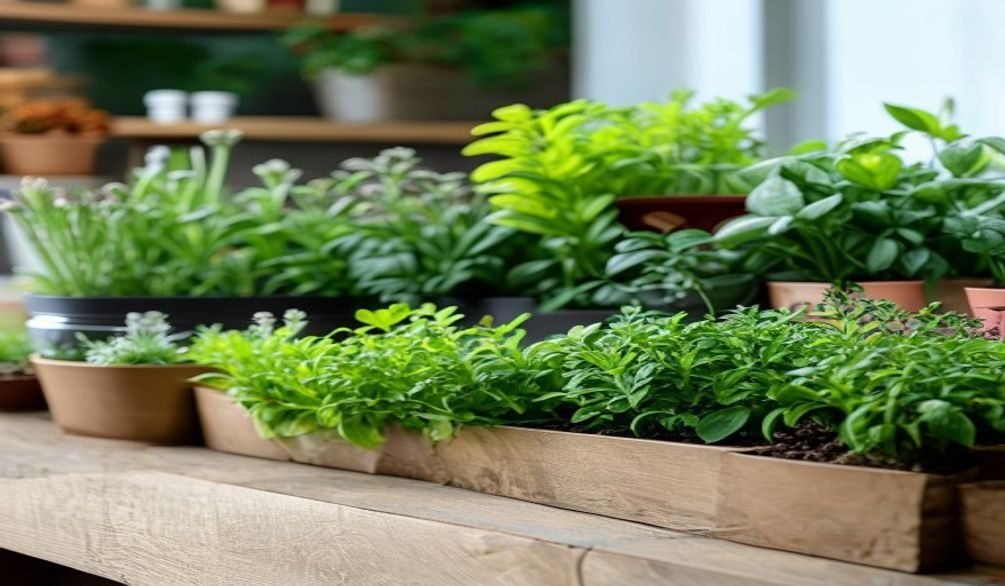
- Adaptability: They perform well in various settings, from sunny garden beds to containers on a balcony, making them perfect for starting a small herb garden regardless of space.
- Pest Resistance: Many herbs have natural compounds that deter common garden pests, reducing the need for chemical interventions. This makes your **essential herbs for beginner garden** healthier and more sustainable.
- Culinary Versatility: Each herb on this list is a staple in diverse cuisines, allowing you to experiment with new flavors and elevate everyday dishes. The fresh taste is incomparable to dried alternatives.
Choosing these easy-to-grow herbs ensures a fulfilling gardening journey, paving the way for more complex gardening endeavors. The success you find with these **essential herbs for beginner garden** will build confidence and a deeper connection to nature.
Beyond planting: simple propagation for your herb garden
Propagating your herbs from cuttings is a straightforward and cost-effective way to expand your **essential herbs for beginner garden**, creating new plants from existing ones. This method allows you to multiply your favorite herbs without purchasing new seedlings, making your garden more sustainable and budget-friendly. Charles Dowding, a renowned expert, emphasizes that consistent care benefits soil and plants, a principle that certainly applies to successful propagation.
Many of the herbs on our list are excellent candidates for simple propagation, empowering you to share plants with friends or replace older ones. This process fosters a deeper understanding of plant life cycles and can be a truly satisfying aspect of maintaining an **essential herbs for beginner garden**. It’s about more than just growing; it’s about nurturing life.
Here’s a simple guide to common herb propagation methods suitable for an **essential herbs for beginner garden**:
Stem cuttings for bushy herbs
Herbs like mint, rosemary, and basil are easily propagated from stem cuttings, allowing you to create new plants from a healthy parent. This method is particularly rewarding for expanding your collection of these fragrant and useful plants.
To propagate, select a healthy, non-flowering stem about 4-6 inches long. Remove the leaves from the bottom 2 inches of the stem, then place the cutting in a glass of water or moist potting mix. Roots typically form within a few weeks, ready for planting into your **essential herbs for beginner garden**. Use a product like Felco pruning shears for clean, precise cuts, which helps prevent damage to the parent plant.
Division for clumping herbs
Clumping herbs such as chives and oregano can be easily propagated by dividing their root ball, which also helps rejuvenate mature plants. This ensures your **essential herbs for beginner garden** remains vibrant and productive.
Dig up the entire plant, then gently separate the root ball into smaller sections, ensuring each section has roots and some foliage. Replant these divisions directly into new spots in your garden or into containers. This method is excellent for maintaining plant vigor and expanding your herb patch.
Seed starting for annuals
While many perennial herbs are best propagated by cuttings or division, annuals like basil and parsley are typically grown from seed. Starting seeds indoors can give you a head start on the growing season for your **essential herbs for beginner garden**.
Plant seeds in a quality seed-starting mix, ensuring adequate warmth and light for germination. Once seedlings are strong enough, transplant them to their final location. This approach allows you to grow a larger quantity of these essential herbs for beginner garden members.
Container gardening tips for beginner herb enthusiasts
Container gardening is an excellent starting point for any **essential herbs for beginner garden**, especially for those with limited space like balconies or small patios. It offers flexibility, control over soil conditions, and the ability to move plants to optimize sunlight, making it a highly accessible method. In 2025, 49.5% of gardeners spent more money on gardening, an 11.5% increase from 2024, indicating growing investment in flexible gardening solutions like containers, according to Axiom Marketing (2025).
Choosing the right containers and understanding basic care are crucial for successful container gardening, ensuring your herbs thrive. This approach empowers urban dwellers and those new to gardening to cultivate their own fresh flavors. Remember, even a small collection of **essential herbs for beginner garden** plants in pots can yield significant culinary benefits.
Here are some key tips for growing your **essential herbs for beginner garden** in containers:
- Choose the Right Container Size: Select pots that are at least 6-8 inches in diameter for individual herbs. Larger containers, 10-12 inches or more, can accommodate multiple herbs or provide more room for vigorous growers like mint. Ensure containers have drainage holes.
- Opt for Quality Potting Mix: A well-draining potting mix is vital for container herbs. Avoid using garden soil, which can compact in pots and hinder root growth. A good mix retains moisture while allowing excess water to escape, preventing root rot.
- Ensure Adequate Sunlight: Most essential herbs for beginner garden varieties require at least 6 hours of direct sunlight daily. Place your containers in the sunniest spot available, rotating them occasionally to ensure even growth.
- Water Consistently: Container plants dry out faster than in-ground plants. Check soil moisture daily by sticking your finger about an inch deep. Water when the top inch feels dry, ensuring water drains from the bottom. Avoid overwatering, which is a common indoor plant watering mistake.
- Consider Vertical Planters: Brands like GreenStalk Vertical Planters offer space-saving solutions for growing multiple herbs in a compact footprint. This is an innovative way to maximize your **essential herbs for beginner garden** yield.
- Fertilize Sparingly: Herbs generally don’t require heavy feeding. A diluted liquid fertilizer once a month during the growing season is usually sufficient. Over-fertilizing can reduce the potency of herb flavors.
Container gardening makes an **essential herbs for beginner garden** achievable for almost anyone, regardless of space limitations. It truly simplifies the process of bringing fresh flavors to your kitchen.
Common problems & easy fixes for beginner herbs
Even the most resilient essential herbs for beginner garden can encounter issues, but understanding common problems and their simple fixes ensures your plants remain healthy and productive. Proactive observation and timely intervention can prevent minor setbacks from becoming major failures, building confidence in your gardening abilities. As Holly Shimizu of the Herb Society of America defines, herbs are valued for their various qualities, underscoring the importance of nurturing them.
Many common herb problems stem from environmental factors like watering, sunlight, or nutrient deficiencies, all of which are easily managed with a bit of knowledge. Addressing these issues promptly is key to maintaining a thriving **essential herbs for beginner garden**.
Here’s a table outlining common problems and their straightforward solutions for your **essential herbs for beginner garden**:
| Problem | Symptoms | Common Cause | Easy Fix for Essential Herbs for Beginner Garden |
|---|---|---|---|
| Yellowing Leaves | Leaves turn yellow, sometimes with stunted growth. | Overwatering (most common), nutrient deficiency, lack of light. | Reduce watering frequency, ensure good drainage. Consider a balanced liquid feed. Move to a sunnier spot. |
| Wilting Plants | Leaves droop and look limp, even after watering. | Underwatering (initial wilting), overwatering (root rot), excessive heat. | Check soil moisture: if dry, water thoroughly. If wet, let dry out. Provide shade during intense heat. |
| Leggy Growth | Stems are long and stretched, with sparse leaves. | Insufficient sunlight. | Move plants to a location with at least 6-8 hours of direct sun. Prune regularly to encourage bushiness. |
| Small or Faded Leaves | Leaves are smaller than usual or lack vibrant color. | Nutrient deficiency, insufficient light, infrequent harvesting. | Apply a balanced liquid fertilizer. Increase light exposure. Harvest regularly to stimulate new growth for your essential herbs for beginner garden. |
| Pests (Aphids, Spider Mites) | Sticky residue, tiny insects on undersides of leaves, webbing. | Warm, dry conditions; lack of natural predators. | Spray with insecticidal soap or neem oil. A strong jet of water can dislodge pests. Encourage beneficial insects. |
Staying vigilant and addressing these issues quickly will ensure your **essential herbs for beginner garden** remains a source of fresh, flavorful ingredients. “Your soil and plants are friends that benefit from constant care and attention,” advises Charles Dowding, highlighting the importance of observation.
Harvesting & using your fresh herbs
Harvesting your fresh herbs correctly is crucial for encouraging continuous growth and maximizing their flavor, ensuring a steady supply for your culinary adventures. Proper technique not only provides you with delicious ingredients but also promotes a bushier, healthier plant, extending the life of your **essential herbs for beginner garden**. Monty Don’s philosophy of simple, effective gardening certainly applies here.
Beyond just harvesting, knowing how to best use and preserve your herbs unlocks their full potential in the kitchen. This direct connection from your **essential herbs for beginner garden** to your plate is one of the most rewarding aspects of gardening.
Here are tips for harvesting and using your **essential herbs for beginner garden**:
General harvesting guidelines
Always use clean, sharp scissors or Felco pruning shears to harvest your herbs, making clean cuts that minimize plant stress. Aim to harvest in the morning after the dew has dried but before the heat of the day, when essential oils are most concentrated.
- Basil: Pinch off leaves or snip stems just above a leaf node to encourage branching. Avoid taking more than a third of the plant at a time.
- Mint: Snip stems above a set of leaves. Mint grows vigorously, so regular harvesting is beneficial.
- Rosemary: Snip off sprigs as needed. For larger harvests, cut stems back by up to a third.
- Thyme: Snip small sprigs. You can shear back larger plants to encourage new growth.
- Parsley: Cut outer stems at the base of the plant. This encourages new growth from the center.
- Chives: Snip leaves about an inch from the ground with scissors. They will quickly regrow.
- Oregano: Pinch off individual leaves or snip stems. Regular harvesting prevents flowering and keeps flavor potent.
Regular harvesting is key to maintaining a productive **essential herbs for beginner garden**. It signals to the plant to produce more foliage, rather than focusing on flowering and seed production.
Culinary uses and preservation
The beauty of an **essential herbs for beginner garden** lies in its fresh flavors, but knowing how to use and preserve them extends their utility. Fresh herbs elevate any dish, from simple salads to complex sauces.
- Fresh Use: Most herbs are best used fresh. Chop them finely and add them at the end of cooking to retain their vibrant flavor and aroma.
- Drying: Herbs like rosemary, thyme, and oregano dry beautifully. Hang small bunches upside down in a cool, dark, well-ventilated area. Once crisp, store them in airtight containers.
- Freezing: Basil, parsley, and chives freeze well. Chop them and freeze in ice cube trays with a little olive oil or water, then transfer to freezer bags. This is an excellent way to preserve the fresh taste of your **essential herbs for beginner garden**.
- Storage: Keep fresh herbs like parsley and cilantro in a jar of water on the counter or in the fridge, covered loosely with a plastic bag. Products like the Prepara Herb Savor Eco Pod can keep herbs fresh for up to three weeks, fitting conveniently in your fridge.
Experiment with different culinary pairings. Basil is perfect for pesto, mint for mojitos, and rosemary for roasted potatoes. Your **essential herbs for beginner garden** provides endless possibilities.
Frequently asked questions about essential herbs
What herbs are easiest to grow for beginners?
The easiest herbs to grow for beginners include basil, mint, rosemary, thyme, parsley, chives, and oregano, due to their resilience and minimal care requirements. These plants readily adapt to various conditions, making them ideal for an **essential herbs for beginner garden**. In 2025, Gen Y (66.7%) and Gen Z (63.8%) spent more time gardening, often starting with these easy varieties, according to Axiom Marketing.
What 5 herbs should every gardener grow?
Every gardener should consider growing basil, mint, rosemary, thyme, and parsley, as these five are incredibly versatile, easy to cultivate, and widely used in cooking. They form the core of any successful **essential herbs for beginner garden**, offering a broad spectrum of flavors. These choices provide a fantastic foundation for both culinary exploration and gardening success.
What herbs should not be planted next to each other?
Some herbs should not be planted next to each other to prevent competition or inhibit growth, such as mint (which can be invasive) and strongly scented herbs like fennel near delicate ones. Mint, for instance, should often be contained in pots to prevent it from overtaking other plants in your **essential herbs for beginner garden**. Always research companion planting for specific pairings.
What is the easiest herb to grow indoors?
The easiest herbs to grow indoors include mint, chives, and basil, as they adapt well to container life and can thrive with adequate light from a sunny window or grow light. Providing these **essential herbs for beginner garden** plants with consistent light and moisture ensures year-round fresh harvests. More than 70% of adults aged 18 to 35 are interested in gardening, often starting with indoor herbs due to convenience, as highlighted by Glee (2025).
How do i start a small herb garden?
To start a small herb garden, choose 3-5 easy-to-grow herbs, select appropriate containers with drainage, use quality potting mix, and ensure they receive at least 6 hours of sunlight daily. This simple approach to an **essential herbs for beginner garden** minimizes initial investment and maximizes success. 63.6% of gardeners plan to expand their gardens in 2026, often starting with small, manageable projects, according to Axiom’s 2026 Gardening Outlook Study.
Embarking on your gardening journey with an **essential herbs for beginner garden** is a decision you won’t regret. These resilient, flavorful plants offer a rewarding experience, transforming your meals and connecting you with nature. With the right knowledge and a little care, you’ll be harvesting fresh, aromatic herbs in no time. Start your own essential herbs for beginner garden today and savor the vibrant tastes of homegrown goodness!