Key Takeaways
- Over 81% of homeowners prefer eco-friendly pest control for plants, according to Modern Pest Services (2026).
- 91% of homeowners plan to garden in 2026, as reported by Modern Pest Services (2026).
- Building healthy soil is foundational for preventing flower garden pests organically, as emphasized by expert Jessica Sowards (2022).
- Neem Oil disrupts insect hormonal systems and is effective against various pests, offering a powerful organic solution.
- Companion planting French Marigolds can deter whiteflies and nematodes, enhancing natural pest prevention.
Are you tired of seeing your beautiful blooms ravaged by uninvited guests, and wondering how to **Prevent Flower Garden Pests Organically**? In my 10 years of experience in horticulture, I’ve learned that a thriving flower garden doesn’t need harsh chemicals; it thrives on a holistic, preventative approach. This guide will equip you with seven essential, eco-friendly strategies to protect your cherished flowers naturally.
Quick Answer: Prevent common flower garden pests organically by fostering healthy soil, strategically companion planting pest-repelling and beneficial-attracting flowers, regularly inspecting plants, hand-picking visible pests, and utilizing organic sprays like neem oil or insecticidal soap as targeted treatments.
Understanding Organic Pest Prevention for Flower Gardens
Organic pest prevention for flower gardens involves using natural methods and ecological principles to manage pests without synthetic chemicals, focusing on long-term garden health. This approach protects not only your plants but also crucial pollinators and the broader ecosystem. “Natural pest control for flower gardens is not about creating a perfect garden with zero damage,” notes gardening expert Stacy Ling (2026), “It is about learning how to spot problems early, grow stronger plants, and use the right solution at the right time.”
Opting for organic methods is increasingly popular among gardeners. Over 4 in 5 (81%) of homeowners prefer eco-friendly pest control for plants, according to a March 2026 survey by Modern Pest Services. This preference highlights a growing awareness of the environmental benefits and the desire to **prevent flower garden pests organically**.
Organic methods support biodiversity. Pollinating birds, bees, butterflies, and moths are vital for the earth’s health, and organic practices ensure their safety, as highlighted by Teri Silver (2026). These natural approaches also prevent pests from developing resistance, unlike many chemical methods, according to Azure Farm (2021).
Building a Resilient Flower Garden Ecosystem
Building a resilient flower garden ecosystem primarily involves cultivating healthy soil and embracing plant diversity, which naturally deters pests and encourages beneficial life. A thriving soil biome is the cornerstone of a strong, pest-resistant garden. Expert Jessica Sowards of Roots and Refuge (2022) advocates for building up soil with microorganisms and organic matter, asserting, “before you know it, you’ll no longer need amendments because there is such life in that soil!”
Healthy soil supports robust plants better equipped to withstand pest attacks. This foundational step is crucial when you aim to **prevent flower garden pests organically**. Robust root systems and strong plant defenses begin beneath the surface.
Step 1: Foster Healthy Soil
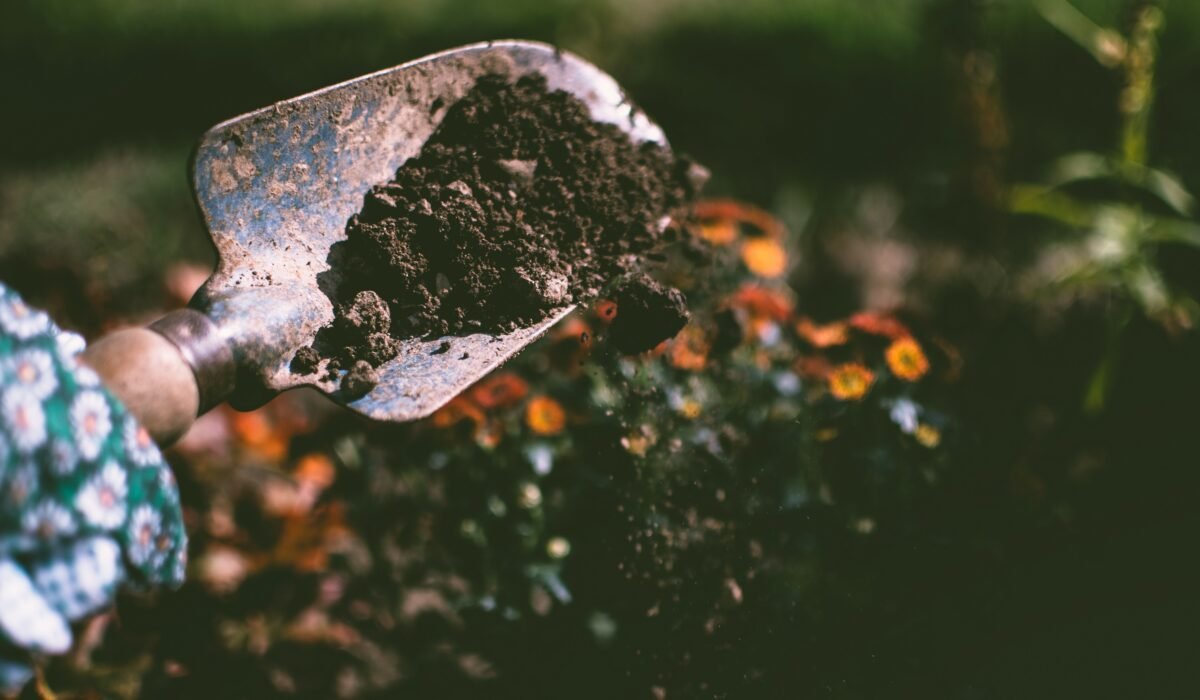
Begin by enriching your soil with organic matter to create a vibrant foundation for your flowers. Healthy soil provides essential nutrients and beneficial microorganisms that strengthen plant immunity.
* Incorporate Compost: Regularly add well-rotted compost to your garden beds. This improves soil structure, aeration, and nutrient availability, which are vital for plant health.
* Use Organic Mulch: Apply a 2-3 inch layer of organic mulch, such as straw or wood chips, around your plants. Mulch conserves moisture, regulates soil temperature, and suppresses weeds, reducing plant stress.
* Avoid Chemical Fertilizers: Synthetic fertilizers can harm beneficial soil microbes and promote rapid, weak growth that is more attractive to pests. Stick to organic soil amendments.
* Practice Crop Rotation (where applicable): For annual flower beds, rotating plant families can break pest cycles and prevent nutrient depletion in specific areas.
Step 2: Choose Pest-Repelling Plants
Select and strategically place plants known for their natural pest-repelling properties to create a defensive perimeter in your flower beds. Companion planting is a time-tested strategy to **prevent flower garden pests organically**.
* Marigolds (French and African): French Marigolds (Tagetes patula) are particularly effective at deterring nematodes, whiteflies, and even some slugs. Their roots release compounds that can suppress these pests.
* Lavender: The strong scent of lavender (Lavandula angustifolia) repels moths, fleas, flies, and mosquitoes, making it a beautiful and functional addition to your garden.
* Basil: Plant basil (Ocimum basilicum) near flowers to repel flies, mosquitoes, carrot flies, asparagus beetles, and whiteflies. Its aromatic oils are a natural deterrent.
* Geraniums: These vibrant flowers are known to deter mosquitoes, leafhoppers, and corn earworms, adding beauty while contributing to `natural pest repellent` efforts.
What are the Best Natural Pest Repellents for Gardens?
The best natural pest repellents for gardens are often aromatic plants that confuse or deter pests, alongside methods that promote overall plant vigor. These `organic pest control methods` leverage nature’s own defenses to protect your blooms. For instance, French Marigolds are renowned for deterring whiteflies, nematodes, and eelworms, while also attracting beneficial insects like ladybugs through their pollen.
Integrating these plants into your flower beds forms a living shield. This proactive strategy helps `prevent flower garden pests organically` by creating an environment less appealing to common garden invaders. It’s a key component of `eco-friendly garden pest management`.
Here’s a comparison of popular pest-repelling plants and the pests they target:
| Repellent Plant | Primary Pests Deterred | Benefits for Flowers |
|---|---|---|
| French Marigolds | Whiteflies, Nematodes, Eelworms, Some slugs | Discourages root-knot nematodes, attracts ladybugs |
| Lavender | Moths, Fleas, Flies, Mosquitoes | Aromatic, attracts pollinators like bees |
| Basil | Flies, Mosquitoes, Carrot flies, Whiteflies | Companion plant for many flowers, edible leaves |
| Geraniums | Mosquitoes, Leafhoppers, Corn earworms | Adds vibrant color, low maintenance |
| Nasturtiums | Aphids, Whiteflies, Squash bugs | Acts as a trap crop, edible flowers and leaves |
Step 3: Attract Beneficial Insects
Cultivate an environment that welcomes beneficial insects, as these natural predators are highly effective at keeping pest populations in check. Ladybugs, lacewings, and parasitic wasps are invaluable allies in your quest to `prevent flower garden pests organically`.
* Plant Nectar and Pollen Sources: Flowers like cosmos, dill, fennel, and sweet alyssum provide nectar and pollen for beneficial insects. Cosmos flowers attract lacewings, parasitic wasps, tachinid flies, and hoverflies, all of which prey on pest insects. Sweet alyssum is particularly good for attracting hoverflies, which are excellent for `aphids on flowers natural control`.
* Provide Water Sources: A shallow dish with pebbles for insects to perch on can attract and retain beneficials.
* Avoid Broad-Spectrum Pesticides: Even organic broad-spectrum sprays can harm beneficial insects. Use targeted treatments only when necessary.
* Create Shelter: Leave small piles of leaves or provide insect hotels to give beneficials a place to live and overwinter. This supports a healthy population of `beneficial insects for garden`.
Step 4: Inspect Plants Regularly
Make routine inspections of your flower garden a habit to catch pest infestations early, before they become widespread problems. Early detection is a critical strategy to **prevent flower garden pests organically** and allows for immediate, localized intervention.
* Weekly Visual Checks: Spend 10-15 minutes each week closely examining the tops and undersides of leaves, stems, and flower buds. Look for discoloration, chewed leaves, sticky residue (honeydew), or visible insects.
* Focus on Vulnerable Plants: Pay extra attention to plants that have shown signs of stress in the past or are known to be particularly susceptible to certain pests.
* Understand Pest Habits: Learn about the life cycles and preferred locations of common flower garden pests. For example, aphids often congregate on new growth, while spider mites prefer dry conditions and hide on leaf undersides.
Step 5: Hand-Pick Visible Pests
Manually remove larger, visible pests from your flower plants to immediately reduce their numbers and prevent further damage. Hand-picking is a direct and highly effective way to `prevent flower garden pests organically` without any sprays.
* Gloves and Container: Wear gardening gloves and have a bucket of soapy water ready. Drop collected pests directly into the soapy water to drown them.
* Target Specific Pests: This method is particularly effective for larger pests like Japanese beetles, slugs, snails, and tomato hornworms. For `slugs and snails organic prevention`, hand-picking early in the morning or after rain is most effective.
* Consistency is Key: Regular hand-picking, especially during peak pest activity, can significantly control populations. 50% of gardeners plan to remove pests by hand in 2026, according to Modern Pest Services (2026), demonstrating its proven effectiveness.
How Do I Keep Bugs Off My Flowers Naturally with Organic Sprays?
You can keep bugs off your flowers naturally with organic sprays by using targeted, plant-derived solutions like Neem Oil or insecticidal soap, which disrupt pest life cycles without harming beneficials or the environment. These `homemade bug spray for plants` options offer a powerful tool when prevention alone isn’t enough. Neem Oil, derived from the neem tree, is particularly effective because it acts as an insect growth regulator and antifeedant, disrupting hormonal systems in pests.
When applying any organic spray, always follow label instructions carefully and test on a small area of the plant first to ensure there’s no adverse reaction. This is crucial for `organic pest control for flowering plants` and to `prevent flower garden pests organically`.
Step 6: Utilize Organic Sprays
Employ organic sprays as a targeted treatment for pest outbreaks, choosing formulations that are effective against specific pests while minimizing harm to desirable insects. These sprays are part of an integrated strategy to **prevent flower garden pests organically** when pest pressure increases.
* Neem Oil: A powerful botanical insecticide, Neem Oil is effective against a wide range of pests including caterpillars, leaf miners, whiteflies, thrips, and mealybugs. It works by disrupting insect feeding and reproduction. Apply according to product directions, typically diluted with water, making sure to coat all plant surfaces.
* Insecticidal Soap: A simple solution of potassium salts of fatty acids, insecticidal soap smothers soft-bodied insects like aphids, whiteflies, and spider mites. You can make a homemade version using Dr. Bronner’s Castile Soap diluted (e.g., 1-2 tablespoons per gallon of water), but commercial formulations are often more consistent. This is excellent for `how to get rid of aphids on flowers organically`.
* Bacillus thuringiensis (Bt): This naturally occurring bacterium specifically targets caterpillar larvae, such as cabbage worms and tomato hornworms, without affecting other insects. It is a highly effective and selective organic solution to **prevent flower garden pests organically**.
* Pyrethrin: Derived from chrysanthemums, Pyrethrin is a fast-acting, broad-spectrum organic insecticide. While effective, it can also affect beneficial insects, so use it sparingly and as a last resort for severe infestations. Always follow safety instructions.
* Garlic Spray: A homemade garlic spray can act as a general pest deterrent due to its pungent odor. Blend garlic cloves with water, strain, and dilute before spraying.
Harnessing Beneficial Insects for Organic Pest Control
Harnessing beneficial insects for organic pest control means actively attracting and protecting natural predators and parasites that feed on garden pests, creating a self-sustaining pest management system. This strategy is one of the most effective and sustainable ways to `prevent flower garden pests organically`. By supporting these helpful creatures, you reduce reliance on interventions and foster a healthier ecosystem.
These `beneficial insects for flower gardens` act as a living biological control. They patrol your plants, hunting down common pests like aphids, spider mites, and caterpillars, ensuring a balanced garden environment.
* Ladybugs: Both adult ladybugs and their larvae are voracious predators of aphids, mealybugs, and spider mites. You can purchase them, but it’s more effective to attract them naturally with plants like dill, cilantro, and cosmos.
* Lacewings: Green lacewing larvae are often called “aphid lions” due to their insatiable appetite for aphids, as well as whiteflies, thrips, and small caterpillars. Attract them with flat-topped flowers like dill, fennel, and yarrow.
* Parasitic Wasps: Tiny parasitic wasps lay their eggs inside or on pests like aphids, cabbage worms, and whiteflies, effectively killing the host. They are attracted to small-flowered plants such as sweet alyssum and dill.
* Hoverflies: Also known as flower flies, adult hoverflies feed on nectar and pollen, but their larvae are highly effective predators of aphids and other soft-bodied insects. Plant daisies, marigolds, and sweet alyssum to attract them.
* Ground Beetles: These nocturnal predators consume slugs, snails, cutworms, and other soil-dwelling pests. Provide them with shelter by using mulch and avoiding excessive soil disturbance.
Seasonal Organic Pest Prevention Calendar for Flower Gardens
A seasonal organic pest prevention calendar for flower gardens provides a proactive, month-by-month guide to implementing strategies that minimize pest issues throughout the year. Planning ahead is paramount to successfully `prevent flower garden pests organically`. This calendar helps you anticipate pest cycles and apply preventative measures before problems escalate.
By integrating these tasks into your gardening routine, you can maintain a vigilant and responsive approach to `natural pest control for roses` and all your flowering plants. This systematic plan keeps your garden healthy and vibrant.
Step 7: Implement Physical Barriers
Use physical barriers to protect vulnerable plants from common pests, especially during critical growth stages. These barriers provide a direct line of defense and are an excellent non-toxic method to `prevent flower garden pests organically`.
* Row Covers: Lightweight floating row covers can protect young plants from flying insects like cabbage moths, squash bugs, and cucumber beetles. Ensure they are securely anchored to prevent pests from crawling underneath.
* Collars for Seedlings: Place cardboard or plastic collars around the base of seedlings to deter cutworms from severing young stems.
* Copper Tape: For slugs and snails, copper tape creates a mild electrical charge they dislike, forming an effective barrier around raised beds or pots. This is a targeted `slugs and snails organic prevention` method.
* Fencing: Install appropriate fencing to keep out larger pests like rabbits and deer, which can cause significant damage to flower beds.
* Netting: Drape fine netting over fruit-bearing plants or specific flower clusters to protect them from birds or larger insects.
Step 8: Create a Seasonal Prevention Plan
Develop a comprehensive seasonal plan that integrates all organic pest prevention methods throughout the year, ensuring continuous protection for your flower garden. This holistic approach ensures you can consistently `prevent flower garden pests organically`. A well-thought-out plan anticipates pest activity and aligns your actions with natural cycles.
* Spring:
* Soil Prep: Amend soil with compost.
* Planting: Introduce companion plants and beneficial insect attractors.
* Monitoring: Begin weekly plant inspections for emerging pests like aphids.
* Barriers: Install row covers over susceptible young plants.
* Summer:
* Watering: Ensure proper watering to reduce plant stress.
* Monitoring: Intensify inspections for common summer pests (Japanese beetles, spider mites).
* Hand-picking: Regularly remove visible pests.
* Sprays: Apply Neem Oil or insecticidal soap if infestations occur.
* Fall:
* Cleanup: Remove diseased plant material and fallen leaves to eliminate overwintering sites for pests.
* Soil Health: Add a fresh layer of compost or mulch.
* Planning: Review the season’s pest challenges and plan for next year’s crop rotation and plant selections.
* Winter:
* Tool Maintenance: Clean and sterilize gardening tools to prevent disease and pest transmission.
* Garden Rest: Allow the garden to rest, but consider cover crops in empty beds to improve soil health.
Troubleshooting Common Organic Pest Control Challenges
Troubleshooting common organic pest control challenges involves identifying the root cause of an persistent issue and adapting your strategies with a multi-pronged approach, rather than relying on a single solution. Sometimes, despite best efforts, pests can still overwhelm a garden. For example, if aphids persist despite attracting ladybugs, you might need to supplement with a targeted insecticidal soap application. The key is to be observant and flexible to `prevent flower garden pests organically` effectively.
Understanding that organic gardening is about balance, not eradication, is crucial. A few pests are normal; a raging infestation signals an imbalance that needs attention. My 10 years of experience have taught me that persistence and observation are your best tools.
* Persistent Aphids: If beneficial insects aren’t enough, consider a gentle blast of water to dislodge them or apply insecticidal soap (like diluted Dr. Bronner’s Castile Soap) directly to affected areas. Ensure good air circulation.
* Slugs and Snails: Beyond hand-picking, create beer traps, use copper barriers, or apply organic slug baits containing iron phosphate. Good garden hygiene, removing debris, also helps. This is vital for `slugs and snails organic prevention`.
* Spider Mites: These tiny pests thrive in dry, dusty conditions. Increase humidity around plants, mist foliage with water, or use Neem Oil. Introduce predatory mites if the problem is severe.
* Caterpillar Damage: For specific caterpillar issues, Bacillus thuringiensis (Bt) is a highly effective and safe organic spray. Hand-picking is also very effective for larger caterpillars.
* Whiteflies: Use yellow sticky traps to monitor and catch whiteflies. Apply insecticidal soap or Neem Oil, ensuring thorough coverage of leaf undersides. Attracting parasitic wasps can also help.
Creating Your Holistic Flower Garden Organic Pest Management Plan
Creating your holistic flower garden organic pest management plan involves integrating all the discussed strategies into a cohesive, year-round system that prioritizes prevention, observation, and targeted organic interventions. This comprehensive approach is the most effective way to consistently `prevent flower garden pests organically`. By building a resilient ecosystem, you create a garden that largely manages itself.
Your plan should be dynamic, evolving with the seasons and based on your garden’s specific needs. Remember, a healthy garden is a vibrant ecosystem where pests are just one part of the natural balance. This holistic plan empowers you to maintain beautiful blooms without compromising ecological health.
Frequently Asked Questions
What is the best natural pest repellent for gardens?
The best natural pest repellent for gardens often involves a combination of strong-scented plants like French Marigolds and Lavender, which deter a wide range of common pests. French Marigolds deter nematodes and whiteflies, while Lavender repels moths and mosquitoes. Integrating these `plants that repel pests in flower beds` creates a natural protective barrier.
How do I keep bugs off my flowers naturally?
You keep bugs off your flowers naturally by maintaining healthy soil, strategically companion planting, attracting beneficial insects, and using organic sprays like Neem Oil or insecticidal soap for targeted issues. 50% of gardeners will remove pests by hand in 2026, according to Modern Pest Services (2026), highlighting the effectiveness of direct methods. Consistent monitoring helps catch problems early.
What are 5 ways to control pests?
Five effective ways to control pests organically include fostering healthy soil, companion planting with pest-repelling flowers, attracting beneficial insects, regularly hand-picking visible pests, and utilizing organic sprays like Neem Oil. These `organic pest control methods` work synergistically to protect your garden. Over 81% of homeowners prefer eco-friendly pest control for plants, according to Modern Pest Services (2026).
What is a natural way to get rid of bugs on outdoor plants?
A natural way to get rid of bugs on outdoor plants involves using insecticidal soap, Neem Oil, or Bacillus thuringiensis (Bt) as targeted organic sprays, alongside physical removal and environmental enhancements. Dr. Bronner’s Castile Soap can be diluted to create an effective `homemade bug spray for plants` against soft-bodied pests like aphids. This multi-faceted approach minimizes harm to the environment.
How do you get rid of aphids on flowers organically?
You can get rid of aphids on flowers organically by attracting beneficial insects like ladybugs and hoverflies, spraying them off with a strong stream of water, or applying insecticidal soap directly to affected areas. Sweet alyssum is excellent for attracting hoverflies, which are key for `aphids on flowers natural control`. Regular inspection is crucial for early intervention.