Key Takeaways
- The global indoor plant market was valued at approximately $20–21 billion in 2025.
- Online platforms for indoor plant sales are expected to grow at a 10.05% CAGR through 2031.
- Pothos and Heartleaf Philodendron are excellent candidates for propagating indoor plants from cuttings due to their ease of rooting.
- Successful plant propagation requires healthy parent plants and sterilized tools, according to Penn State Extension (2026).
- Early spring is the ideal time to propagate plants by cuttings, though most houseplants can be propagated any time of year, according to Iowa State University Extension and Outreach (2025).
Ever wonder how to expand your indoor plant collection without spending a fortune? You can easily grow indoor plants from cuttings, transforming one beloved plant into many. This guide will walk you through seven simple steps to successfully propagate houseplants, helping you multiply your green companions and share the joy of gardening.
Quick Answer: To grow indoor plants from cuttings, take a healthy cutting with at least one node, optionally dip it in rooting hormone, and place it in water or a moist rooting medium in a warm spot with bright, indirect light until roots develop.
What is the easiest indoor plant to propagate from a cutting?
The easiest indoor plants to propagate from cuttings are often those with prominent nodes and resilient growth habits, making them ideal for beginners looking to grow indoor plants from cuttings. Pothos (Epipremnum aureum) and Heartleaf Philodendron (Philodendron hederaceum) are consistently cited as excellent candidates for water propagation due to their ease of rooting from stem cuttings with nodes.
In my 10 years of experience, these two plants almost always root successfully, even if you just stick them in a glass of water on a windowsill. Many guides suggest specific conditions, but with Pothos, you often get roots even with minimal effort. Because of their reliability, they are perfect for anyone wanting to grow indoor plants from cuttings for the first time.
Other easy options include:
- Spider Plants (Chlorophytum comosum): These produce “spiderettes” or plantlets that are essentially ready-made cuttings, making them incredibly simple to grow indoor plants from cuttings.
- Coleus (Plectranthus scutellarioides): Known for their vibrant foliage, Coleus cuttings root quickly in water or soil.
- African Violets (Saintpaulia spp.): These can even be grown from a single leaf, which is a different but equally rewarding way to grow indoor plants from cuttings.
How do you root indoor plant cuttings successfully?
To root indoor plant cuttings successfully, you need to provide the right conditions for root development, starting with a healthy mother plant. “To ensure your propagation efforts are successful, begin with plants that are free of disease, insects, and stress,” advises Penn State Extension (2026). This means selecting a vibrant, well-hydrated parent plant that is actively growing.
The key insight here is that the healthier your source material, the better your chances of success. I’ve seen countless attempts fail because people tried to propagate from a struggling plant. Don’t do it! A strong start makes all the difference when you grow indoor plants from cuttings.
Step 1: select a healthy mother plant
Choose a mature, robust plant that shows no signs of pests or disease. A vigorous plant will have more energy reserves to put into root development, giving your new cuttings a head start. Think about the stem—is it firm and pliable, or weak and leggy? Opt for the former.
Step 2: take a clean stem cutting
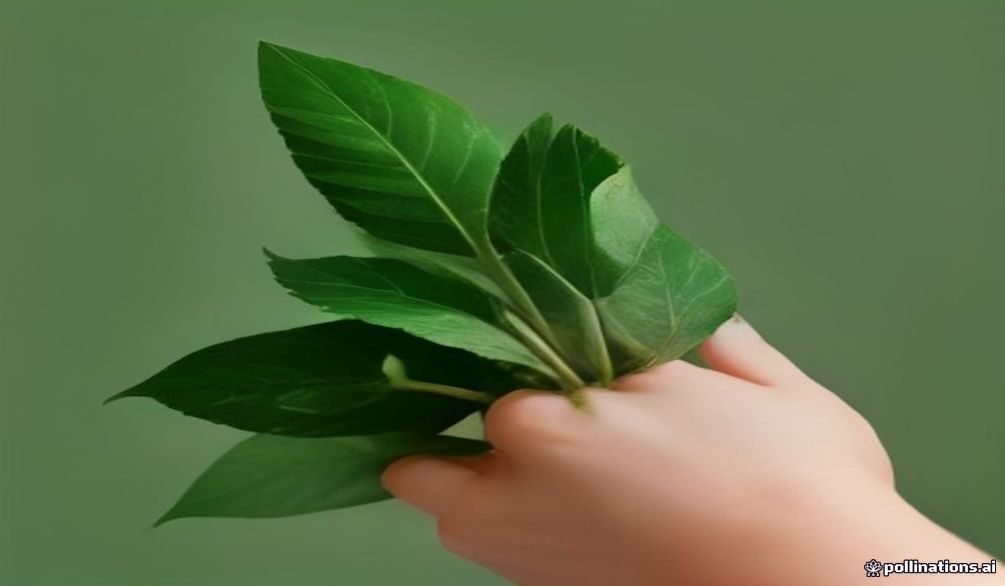
Using sharp, sterilized tools like Fiskars bypass pruners, take a cutting that is 4-6 inches long. Make your cut just below a node, which is the bump on the stem where leaves or roots emerge. This node contains meristematic tissue, essential for new root growth. What most people miss is how important sterile tools are—dirty shears can introduce diseases, ruining your efforts to grow indoor plants from cuttings.
Step 3: prepare your cutting for rooting
Remove any leaves from the bottom 1-2 inches of the cutting. This prevents them from rotting in water or soil and directs the plant’s energy towards root production instead of leaf maintenance. This step is critical; rotting leaves can quickly lead to fungal issues.
Step 4: choose your rooting medium
You have a few options here: water, soil, or a soilless mix. Water propagation is often the easiest for beginners to grow indoor plants from cuttings, allowing you to see root development. But in practice, soil or a soilless mix can sometimes lead to stronger roots. Pick what feels right for your plant and your comfort level.
Here’s a quick comparison of common rooting mediums:
| Medium | Pros | Cons | Best For |
|---|---|---|---|
| Water | Easy to monitor roots, simple setup | Roots can be fragile, prone to rot if not changed | Pothos, Philodendron, Coleus |
| Potting Mix | Stronger roots, less transplant shock | Harder to see root development, requires consistent moisture | Ficus, many woody plants |
| Perlite/Vermiculite | Excellent aeration, good moisture retention | No nutrients, needs supplemental feeding | Plants prone to rot, delicate cuttings |
Step 5: provide optimal rooting conditions
Place your cutting in a warm spot with bright, indirect light. A temperature between 70-80°F is ideal for most plants. A VIVOSUN Waterproof Seedling Heat Mat can provide stable bottom heat, which significantly speeds up root growth. Dennis’ 7 Dees Landscaping Services & Garden Centers notes that “the science behind successful propagation comes down to totipotency: a plant cell’s innate ability to develop into a full new plant when given the right conditions” (2025). Providing these conditions is how we tap into that potential to grow indoor plants from cuttings.
Step 6: monitor for root development
Check your cuttings regularly. For water propagation, change the water every few days to keep it fresh and oxygenated. For soil or soilless mixes, keep the medium consistently moist but not soggy. Roots typically appear within a few weeks, but this varies by plant. Patience is key when you grow indoor plants from cuttings.
Step 7: pot up your new plant
Once roots are about 1-2 inches long, your new plant is ready for potting. Gently transfer it to a small pot with fresh potting mix. Water thoroughly after potting. This is a delicate stage, so handle your newly rooted plant with care.
How long does it take for indoor plant cuttings to root?
The time it takes for indoor plant cuttings to root varies significantly depending on the plant species, environmental conditions, and the method used. Some fast-growing plants like Pothos can show roots in as little as 1-2 weeks, while others, particularly those with woody stems, might take several months to grow indoor plants from cuttings.
Early spring is often considered the best time to propagate, with Iowa State University Extension and Outreach stating that “Early spring is the ideal time to propagate by cuttings” (2025). However, most houseplants can be successfully propagated any time of the year, especially with controlled indoor conditions. So, if you want to grow indoor plants from cuttings in winter, it’s definitely possible.
Factors influencing rooting time:
- Plant Species: As mentioned, some plants are simply quicker to root than others.
- Temperature: Warmer temperatures generally accelerate root growth.
- Humidity: High humidity reduces water loss from leaves, allowing the cutting to focus energy on roots.
- Light: Bright, indirect light is crucial for photosynthesis, providing energy for growth.
- Rooting Hormone: Products like Clonex can significantly speed up the process, according to The Plant Manual (2026).
Do indoor plant cuttings need rooting hormone?
No, indoor plant cuttings do not always need rooting hormone, but it can significantly increase the success rate and speed of root development, especially for more challenging plants. Rooting hormones contain auxins, which are plant growth regulators that stimulate cell division and root formation. I’ve found that while many easy-to-propagate plants will root without it, using a rooting hormone often results in a more robust root system, which helps your new plants thrive. It’s a small investment that pays off when you grow indoor plants from cuttings.
Clonex is a widely recognized rooting hormone gel that not only speeds up initial root growth but also seals and protects fresh cut stems, preventing disease and dehydration. “Optimal rooting hormone…cuts rooting time in half,” states The Plant Manual (2026). This really highlights its value.
When to consider using rooting hormone:
- When propagating plants that are known to be difficult to root.
- If you want to speed up the rooting process for any plant.
- To increase your overall success rate, especially when taking many cuttings.
- To grow indoor plants from cuttings with stronger, healthier root systems.
Can you put plant cuttings straight into soil?
Yes, you can put many plant cuttings straight into soil, and for some plants, this method can actually lead to stronger root systems than water propagation. The key is to use a light, well-draining potting mix that stays consistently moist but not soggy. My personal observation is that while water rooting is visually satisfying, soil-rooted cuttings often experience less transplant shock when moved to a permanent pot. This is a big win if you want to grow indoor plants from cuttings that are robust from day one.
When planting directly into soil, it’s important to:
- Use a sterile mix: This prevents fungal issues that can rot your delicate cuttings.
- Keep it moist: The soil needs to be consistently damp, mimicking the constant hydration of water propagation.
- Provide humidity: Covering the pot with a clear plastic bag or dome can create a mini-greenhouse effect, crucial for preventing cuttings from drying out before roots form. This is particularly helpful if you aim to grow indoor plants from cuttings in a drier environment.
What indoor plants can be grown from a single leaf?
Several indoor plants possess the remarkable ability to grow from a single leaf cutting, showcasing the plant cell’s totipotency. African Violets (Saintpaulia spp.) are perhaps the most famous example, where a single leaf with a short petiole (leaf stem) can develop into an entirely new plant. This is a fascinating way to grow indoor plants from cuttings, almost like magic!
Other plants that can be propagated from leaf cuttings include:
- Snake Plants (Sansevieria spp.): You can cut a leaf into several 2-4 inch sections and root them. However, a quick note before we move on: variegated Snake Plants may lose their variegation when propagated this way.
- Begonias (Rex Begonias, in particular): Many Begonia varieties can be rooted from leaf sections, often by simply laying a leaf flat on moist soil and pinning it down.
- Succulents (e.g., Echeveria, Sedum): Many succulents readily root from individual leaves, which is a very popular method to grow indoor plants from cuttings in the succulent community.
Long-term care for your newly propagated plants
Once your cuttings have rooted and been potted up, the journey to grow indoor plants from cuttings isn’t over—it’s just beginning. These young plants are still delicate and require attentive care to establish themselves and grow into thriving specimens. Think of them as plant toddlers; they need a little extra TLC.
Here’s how to ensure their long-term success:
- Gradual Acclimatization: If your cuttings rooted in a high-humidity environment (like under a dome), gradually expose them to normal room humidity over several days. This prevents shock.
- Appropriate Lighting: Continue to provide bright, indirect light. Direct, harsh sunlight can scorch tender new leaves.
- Consistent Watering: Keep the soil consistently moist but never waterlogged. Young plants are more susceptible to root rot. As a general rule, let the top inch of soil dry out before watering again.
- Avoid Early Fertilization: New roots are sensitive. Wait a few weeks after potting before introducing a diluted, balanced liquid fertilizer.
- Monitor for Pests: Young plants can be more vulnerable to pests. Regularly inspect leaves and stems for any signs of trouble.
- Repotting: Once your plant outgrows its initial pot—usually when roots start emerging from the drainage holes—it’s time to move it to a slightly larger container.
By following these steps, you’ll successfully grow indoor plants from cuttings and enjoy a flourishing indoor garden. This is where most guides stop—we won’t. Nurturing these new plants is just as important as the initial propagation.
Frequently asked questions
What is the best time of year to take cuttings from indoor plants?
The best time of year to take cuttings from indoor plants is generally early spring, as plants are entering a period of active growth. However, most houseplants can be successfully propagated any time of the year, according to Iowa State University Extension and Outreach (2025). This flexibility means you can grow indoor plants from cuttings whenever you feel inspired.
How do i know if my cutting is rooting?
You’ll know your cutting is rooting when you see small, white rootlets emerging from the stem, especially near the nodes. If rooting in soil, gently tug on the cutting—a slight resistance indicates root development, but be careful not to disturb new growth. This visual confirmation is incredibly satisfying when you grow indoor plants from cuttings.
Can you use regular tap water to root cuttings?
Yes, you can typically use regular tap water to root cuttings, provided your tap water isn’t excessively hard or treated with high levels of chlorine. Letting tap water sit out for 24 hours can help dissipate chlorine, making it more favorable for sensitive cuttings. Using tap water is a simple and accessible way to grow indoor plants from cuttings.
What are the signs of a struggling cutting?
Signs of a struggling cutting include yellowing or browning leaves, wilting despite adequate moisture, or a soft, mushy stem, which often indicates rot. If you notice these signs, reassess your conditions like light, humidity, and moisture levels immediately. Addressing these issues quickly can often save your efforts to grow indoor plants from cuttings.
How often should i change the water for water propagation?
You should change the water for water propagation every few days, ideally every 2-3 days, to keep it fresh and oxygenated. Stagnant water can lead to bacterial growth and rot, hindering root development. Consistent fresh water is important for healthy cuttings when you grow indoor plants from cuttings.
Learning to grow indoor plants from cuttings is a truly rewarding aspect of gardening, transforming a single plant into an entire collection. By following these seven simple steps—from selecting a healthy mother plant to providing optimal long-term care—you’ll be well on your way to expanding your indoor jungle. Don’t be afraid to experiment with different plants and methods; the satisfaction of nurturing a tiny cutting into a thriving plant is immense. Start your propagation journey today and discover the joy of creating new life right in your home!