
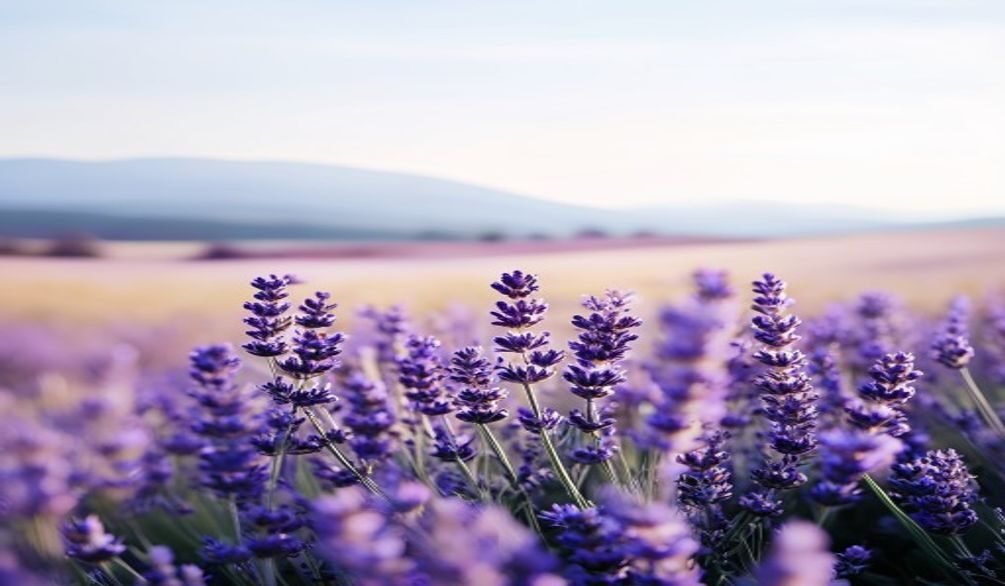
Key Takeaways
- Lavender plants require a minimum of 6 to 8 hours of direct sunlight daily for healthy growth, according to Monrovia.
- The most common cause of lavender plant death for new growers is overwatering.
- Lavender thrives best in slightly alkaline soil with a pH level between 6.5 and 7.5, as advised by Bonnie Plants (2023).
- English lavender varieties like ‘Hidcote’ are cold-hardy and suitable for USDA Zones 5-8.
- Annual pruning after flowering in late summer keeps lavender plants compact and prevents woodiness, notes the Royal Horticultural Society (RHS).
When you’re tending your balcony garden in the scorching Indian summer, nothing’s more disheartening than seeing your beloved plants wilt, especially when you’re trying to figure out **how to grow lavender successfully**. Many of us struggle with getting these fragrant beauties to thrive in our specific climates, often because generic advice doesn’t quite fit our intense sun or monsoon humidity. This guide will walk you through the precise steps and Indian-specific tips you need to cultivate beautiful, healthy lavender, even if you’ve had trouble before.
Quick Answer: To grow lavender successfully, provide at least 6-8 hours of full sun daily and plant in well-drained, slightly alkaline soil (pH 6.5-7.5). Water deeply but infrequently, allowing soil to dry between waterings, and prune annually after flowering.
What is the secret to growing lavender successfully?
The real secret to growing lavender successfully lies in mimicking its native Mediterranean environment: lots of sun, excellent drainage, and minimal fuss. Lavender needs “an open sunny position; no half measures,” according to Learning with Experts. This means prioritizing sunlight and proper soil above almost everything else. If you can get these two foundational elements right, you’re well on your way to figuring out how to grow lavender successfully.
Many gardeners, especially those in humid Indian cities like Mumbai or Chennai, often struggle because they treat lavender like other moisture-loving plants. But lavender is a drought-tolerant plant, preferring drier conditions once established. It’s all about understanding its unique needs, not just following a generic watering schedule.
Step 1: choose the right lavender variety
Picking the right lavender variety for your climate is a critical first step for how to grow lavender successfully. While many types exist, English lavenders (Lavandula angustifolia) like ‘Hidcote’ and ‘Munstead’ are popular choices because they’re known for their cold hardiness, thriving in zones 5-8. If you’re in a cooler Indian region, these are great bets. For hotter, more humid areas, some French or Spanish lavenders might tolerate the heat better, but always check their specific requirements.
Step 2: select an ideal planting location
Finding the perfect spot for your lavender means choosing somewhere it gets at least 6 to 8 hours of direct sunlight every single day. More sun is almost always better, especially for flowering. In my own terrace garden in Bangalore, I’ve noticed that the lavender plants placed on the western side, which gets intense afternoon sun, bloom much more profusely than those on the eastern side. This full sun exposure is non-negotiable if you want to grow lavender successfully.
Step 3: prepare the soil for optimal drainage
Good soil drainage is absolutely paramount for lavender plants. Lavender thrives in slightly alkaline soils with a pH level between 6.5 and 7.5, as Bonnie Plants advises. Here’s a contrarian point: You might have heard that adding a lot of compost is good for all plants. In practice, for lavender, especially in containers in our humid Indian climate, a 50% compost ratio actually suffocates roots because it holds too much moisture. I’ve found that 20–30% compost, mixed with plenty of sand and grit, is the sweet spot for most vegetables and certainly for lavender.
For potted lavender, I recommend a mix of 40% garden soil, 30% coarse river sand (not fine sand, which compacts), and 30% cocopeat or compost. Adding a handful of bone meal, like Espoma Bone Meal, to each planting hole can also boost root development.
Step 4: plant your lavender correctly
When planting, dig a hole twice as wide as the root ball but no deeper. Gently loosen any circling roots before placing the plant in the hole. The top of the root ball should be level with the soil surface. Backfill with your prepared soil mix, pressing gently around the base. Give it a good initial watering. This careful planting helps establish strong roots, which is key to how to grow lavender successfully.
Step 5: water lavender properly for establishment
Overwatering is the most frequent killer of lavender plants, especially for new growers. Monrovia states that “lavender plants are drought-tolerant and need less watering than most plants.” During the first summer, water regularly—about once a week—to help it get established. Once established, lavender rarely needs watering unless there’s an extended period of drought. I once over-watered a curry leaf plant for three weeks straight because I was following a fixed schedule instead of checking the soil. By the time the leaves started yellowing it was already too late—roots had rotted. Now I always push my finger 2 inches into the soil before watering anything, and this rule is doubly important for lavender.
Step 6: prune lavender annually for health
Regular pruning is essential to keep lavender plants compact, attractive, and productive. The Royal Horticultural Society (RHS) advises trimming annually in late summer, just after flowering has finished. Remove spent flower stalks and about 2.5cm (1 inch) of leaf growth. Avoid cutting into old, woody stems that have no leaves, as lavender often struggles to regrow from these. Tools like Fiskars bypass pruners work perfectly for smaller plants.
What are common mistakes new lavender growers make?
New lavender growers often make a few critical mistakes that prevent them from learning how to grow lavender successfully, primarily related to overwatering, insufficient sunlight, and improper soil. The biggest culprit, as I mentioned, is overwatering. Many beginners think more water equals a healthier plant, but for lavender, it leads to root rot quickly. Another common error is planting in heavy, clayey soil without amending it for drainage, which is a death sentence for these Mediterranean beauties.
It’s also common to skip pruning, which results in leggy, woody plants with fewer flowers. A lack of sunlight is another major hurdle; trying to grow lavender in partial shade just won’t yield the vibrant blooms and strong fragrance you expect. These missteps can quickly turn a hopeful gardening endeavor into a frustrating experience.
When is the best month to plant lavender?
The best month to plant lavender generally depends on your specific climate, but spring, after the last frost, is ideal for most regions, allowing the plant ample time to establish roots before extreme summer heat or winter cold. In many parts of India, this means planting in late winter or early spring (February-March) before the intense pre-monsoon heat kicks in, or in the post-monsoon period (September-October) when temperatures are milder. Planting at the right time significantly improves your chances of figuring out how to grow lavender successfully.
If you’re planting in a region with mild winters, like Bangalore, you might get away with fall planting, allowing the roots to develop over the cooler months. Monrovia highlights that their own established plants can survive fall planting through winter, suggesting their quality and hardiness. However, always prioritize avoiding extreme temperatures right after planting.
How much sun does lavender need to thrive?
Lavender needs a lot of sun—at least 6 to 8 hours of direct sunlight daily to grow lush and healthy. Frankly, more is often better, with some recommendations even going up to 8-10 hours during the growing season. This intense sun exposure is crucial for both robust growth and abundant flowering. If you’re trying to grow lavender successfully, don’t skimp on the sunlight.
In my experience, especially with the strong Indian sun, placing pots on a south-facing balcony or terrace where they get uninterrupted light from morning till late afternoon makes all the difference. Without adequate sun, your lavender plant will become leggy, produce fewer flowers, and be more susceptible to disease. It’s a non-negotiable requirement for anyone wondering how to grow lavender successfully.
What kind of soil does lavender like best?
Lavender absolutely loves well-drained, slightly alkaline soil with a pH level between 6.5 and 7.5. This preference is deeply rooted in its Mediterranean origins, where soils are often rocky and lean. Bonnie Plants advises adding “builder’s sand to the soil before planting to increase drainage, which is vital because lavender will not tolerate excessive soil moisture or humidity.” Heavy clay soils, common in many parts of India, need significant amendment with sand, grit, and organic matter to improve drainage.
Here’s a quick breakdown of what your lavender soil mix should aim for:
- Excellent Drainage: This is the single most important factor. Lavender roots rot quickly in standing water.
- Slightly Alkaline pH: Aim for 6.5-7.5. You can test your soil with a pH kit, available at most nurseries for ₹100-200.
- Low Fertility: Lavender doesn’t need rich soil. In fact, too much nitrogen can lead to excessive foliage at the expense of flowers, according to Monrovia.
- Sandy/Gritty Texture: Incorporate coarse sand, perlite, or small gravel to ensure water moves through quickly.
If you’re growing lavender in pots, which many Indian urban gardeners do, ensure your container has ample drainage holes. Elevating the pot slightly can also help with airflow and prevent waterlogging.
How to care for established lavender plants?
Caring for established lavender plants primarily involves proper watering, annual pruning, and avoiding unnecessary fertilization. Once your lavender is established (typically after its first year), it becomes quite drought-tolerant. You’ll only need to water it during extended dry spells, allowing the soil to dry out completely between waterings. This minimalist approach is key to how to grow lavender successfully.
| Care Aspect | Recommendation | Notes for Indian Climates |
|---|---|---|
| Watering | Deeply but infrequently; allow soil to dry completely. | In Indian summer heat (40°C+), check soil every 3-5 days. During monsoon, almost no supplemental watering needed. |
| Pruning | Annually after flowering (late summer/early fall). Remove spent blooms and about 1 inch of new growth. | Use sharp shears like Fiskars. Avoid cutting into old, woody stems. |
| Fertilizing | Generally not needed. Lavender prefers lean soil. | Too much nitrogen reduces flowering. If soil is very poor, a light, balanced organic feed once a year is enough. |
| Sunlight | Full sun (6-8+ hours daily). | Essential for flowering and preventing leggy growth. |
| Pest/Disease | Good airflow prevents fungal issues. Minimal pests usually. | Watch for mealybugs in humid conditions; neem oil spray can help. |
Honestly, the biggest mistake I’ve seen with established plants is over-fertilizing. Monrovia clearly states that “lavender plants are not heavy feeders. In fact, these plants prefer soil that’s low in nutrients, so steer clear of adding fertilizers.” An excess of nitrogen can actually cause your plant to produce excess foliage and fewer flowers – which is the opposite of what we want when we try to grow lavender successfully!
What are the best lavender varieties for your garden?
Choosing the best lavender varieties for your garden depends on your climate, space, and intended use, but some stand out for their reliability and beauty. For cold hardiness and strong fragrance, English lavenders (Lavandula angustifolia) like ‘Hidcote’ and ‘Munstead’ are excellent choices, thriving in zones 5-8. ‘Hidcote’ is famous for its deep violet-blue flowers, while ‘Munstead’ is an early bloomer with lovely lilac-purple flowers. These are usually available at local nurseries for ₹80–150 per plant.
If you’re looking for vigorous growth and high oil yield, often preferred for commercial use, Lavandin varieties (Lavandula x intermedia) such as ‘Grosso’ and ‘Provence’ are fantastic. These are sterile hybrids that produce long stems and combine the best features of English and Spike lavender. For those in hotter, more humid regions, some French or Spanish lavenders (Lavandula stoechas) might be more tolerant, though their scent profile is different. Always check with your local nursery to see which varieties perform best in your specific Indian climate zone.
Frequently asked questions
What is the easiest lavender to grow?
English lavender varieties like ‘Munstead’ and ‘Hidcote’ are generally considered the easiest to grow due to their robust nature and cold hardiness. They are known for thriving in USDA Zones 5-8 and are quite forgiving, making them ideal for gardeners learning how to grow lavender successfully. These varieties are widely available and tolerate a range of conditions better than some other types.
Does lavender come back every year?
Yes, most common lavender varieties are perennial shrubs, meaning they come back year after year if properly cared for and grown in suitable climates. English lavender, for instance, is a hardy perennial. Regular annual pruning is crucial to prevent them from becoming woody and to encourage new, healthy growth each season, as recommended by the Royal Horticultural Society (RHS).
How long does it take to grow lavender from seed?
Growing lavender from seed can take a significant amount of time, with germination alone often taking 2-4 weeks, and plants typically not flowering until their second year. Many gardeners find it easier and quicker to start with small plants or cuttings from nurseries like Bonnie Plants. This method gives you a head start and a better chance of seeing blooms in the first season.
Can lavender grow in pots?
Yes, lavender can absolutely grow successfully in pots, making it perfect for balcony and terrace gardens. The key is to use a large pot (at least 12 inches in diameter), ensure excellent drainage, and use a well-draining soil mix that mimics its preferred conditions. Growing lavender in pots also allows you to move them to optimize sun exposure throughout the day, which is a great advantage for how to grow lavender successfully.
What are the signs of an overwatered lavender plant?
An overwatered lavender plant will typically show yellowing leaves, wilting despite moist soil, and soft, mushy stems. This is because excess moisture suffocates the roots, leading to root rot, which is cited as the most frequent killer of lavender plants. If you notice these signs, immediately stop watering and ensure the plant is in a well-draining spot to recover.
Mastering how to grow lavender successfully might seem tricky at first, especially with our unique Indian weather patterns, but it’s entirely achievable with the right approach. Focus on providing abundant sunshine, ensuring impeccable drainage, and practicing mindful watering. Remember my curry leaf plant story—always check the soil! By following these practical tips and choosing varieties suited for your region, you’ll be enjoying the fragrant beauty of your own lavender plants in no time. So, go ahead, give it a try; your garden (and your senses) will thank you for learning how to grow lavender successfully.







