
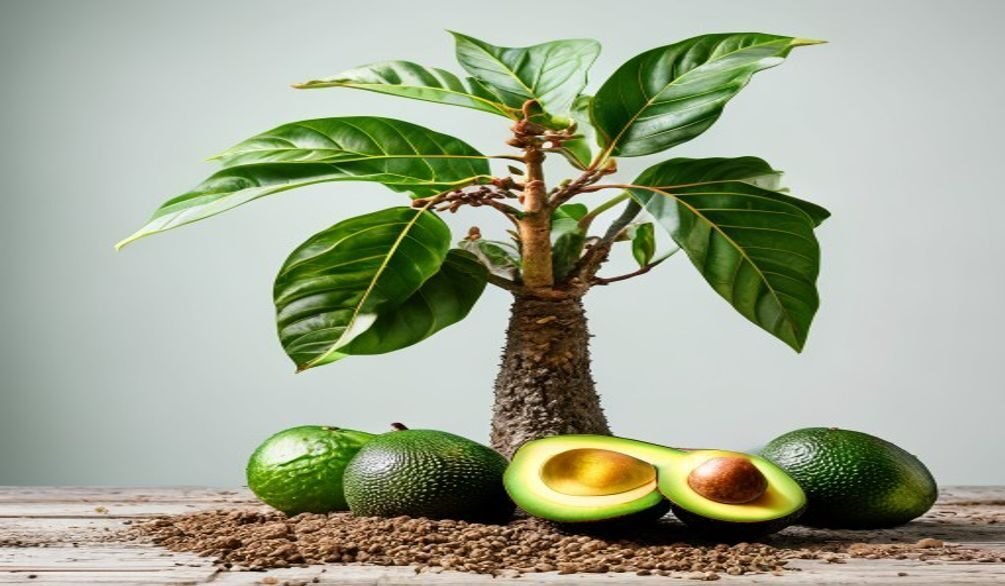
Key Takeaways
- California avocado production is projected to reach 330 million pounds in 2025/26, according to industry projections.
- Hass and Hass-like varieties make up about 94% of California’s total avocado output.
- Avocado trees need well-aerated soil; most feeder roots are in the top six inches, according to UC Riverside.
- The United States imported a record 2.87 billion pounds of fresh avocados in 2025, a 7% increase from the previous year.
- Young avocado trees benefit from a year or two of container growing before being planted in the ground, advises Four Winds Growers.
Quick Answer: To grow abundant avocados, select a sunny, well-drained location (USDA Zones 8-11), plant a grafted tree in spring, ensure proper watering and a slightly acidic soil pH (6.0-6.5), fertilize regularly, and protect young trees from extreme temperatures and wind.
Are you struggling to get your avocado tree to produce fruit, or just starting out and wondering how to ensure a bountiful harvest? Successfully growing avocado trees involves more than just planting a seed; it requires specific care, environmental conditions, and a bit of patience. In my 10 years of experience as a gardener, I’ve learned the ins and outs of growing avocado trees, and I’m here to share the essential steps to help you achieve abundant harvests.
What helps avocado trees produce fruit?
Several key factors contribute significantly to avocado tree production, primarily consistent sunlight, proper soil, and adequate water. Avocado trees thrive in sunny, well-drained locations, needing at least 8 hours of sunlight daily, according to Four Winds Growers. This intense sun exposure is critical for the tree’s energy production and subsequent fruit development.
What most people miss is that the soil quality is just as important as the sun. Dr. Mary Lu Arpaia and Dr. Ben Faber from UC Riverside emphasize that avocado trees are shallow-rooted, with most feeder roots in the top six inches of soil, requiring excellent aeration. This means compacted, poorly draining soil is a death sentence for fruit production. I’ve seen countless growers struggle because their soil was too heavy.
Here’s a breakdown of what makes a difference when growing avocado trees:
- Sunlight: Aim for full sun exposure – 8+ hours a day.
- Soil Drainage: Absolutely non-negotiable. Avocados hate wet feet. A slightly acidic pH between 6.0 and 6.5 is ideal.
- Watering: Regular, deep watering, especially during dry spells and fruit development.
- Nutrition: A balanced fertilizer specifically for citrus and avocado trees, rich in nitrogen, phosphorus, potassium, and micronutrients like zinc.
- Pollination: While many varieties are self-fertile, understanding A and B flower types can boost yield.
- Climate: USDA Hardiness Zones 8-11 are generally best, with protection from frost. For instance, ‘Zutano’ can tolerate temperatures as low as 26°F, according to The Home Depot.
In practice, providing these conditions means you’re setting your tree up for success. It’s not just about planting; it’s about creating the perfect environment for growing avocado trees.
How long does it take for an avocado tree to bear fruit?
The time it takes for an avocado tree to bear fruit varies significantly depending on whether it’s grown from seed or is a grafted tree. A grafted avocado tree, which is what most nurseries sell, typically begins to produce fruit within 3 to 5 years. This is a much faster timeline compared to trees grown from seed.
When you grow an avocado from a seed (like the one from your morning toast), it can take anywhere from 5 to 13 years, or even longer, before it produces any fruit, and there’s no guarantee the fruit will be of good quality. This surprised me the first time I tried it; I patiently waited for years only to get small, unappetizing avocados. That’s why, if your goal is fruit production, investing in a grafted tree from a reputable nursery like Four Winds Growers is always the better choice. Grafted trees are clones of mature, fruit-bearing trees, ensuring both faster fruiting and predictable fruit quality. So, while the allure of growing avocado trees from a pit is strong, for actual harvests, go grafted.
Do you need two avocado trees to produce fruit?
No, you generally do not need two avocado trees to produce fruit, as most commercial avocado varieties are self-fertile. However, planting both “A” type and “B” type flowering avocado trees can significantly increase fruit production due to improved cross-pollination. This is because “A” type flowers are female in the morning and male in the afternoon, while “B” type flowers are male in the morning and female in the afternoon.
This staggered flowering ensures that when one type is receptive as a female, the other is shedding pollen as a male, maximizing the chances of successful pollination. For example, a Hass avocado, an “A” type, will produce fruit on its own, but planting it near a “B” type like a ‘Fuerte’ or ‘Zutano’ can lead to a much larger yield. I’ve observed this firsthand in orchards – the mixed plantings always have more fruit. It’s not strictly necessary, but it’s a smart strategy for maximizing your return when growing avocado trees.
What is the best fertilizer for avocado trees?
The best fertilizer for avocado trees is a balanced formula specifically designed for citrus and avocado trees, rich in nitrogen, phosphorus, potassium, and important micronutrients like zinc. A good example is Espoma’s Citrus-tone, which provides these essential nutrients in an organic blend. UC Riverside recommends applying approximately 1/3 cubic yard of coarse yard mulch per tree when planting, keeping it 6-8 inches away from the trunk, which also contributes to soil health and nutrient availability.
Here’s why a specialized fertilizer is key for growing avocado trees:
* Nitrogen (N): Promotes lush foliage and strong vegetative growth.
* Phosphorus (P): Supports root development and flower formation, which directly impacts fruit set.
* Potassium (K): Important for overall tree vigor, disease resistance, and fruit quality.
* Zinc: A critical micronutrient for avocado trees; deficiency can lead to “little leaf” and reduced yields.
I typically recommend applying fertilizer 3-4 times a year for young trees and 2-3 times for mature trees, adjusting based on soil test results. Always follow the product’s instructions for application rates. Over-fertilizing can be just as detrimental as under-fertilizing, sometimes leading to root burn or excessive leaf growth at the expense of fruit.
How to plant and care for your growing avocado trees?
Successfully planting and caring for your growing avocado trees involves careful site selection, proper planting techniques, and consistent maintenance. This is where the rubber meets the road for abundant harvests.
Step 1: choose the right variety and location
Start by selecting an avocado variety suited to your local climate and planting it in a location that receives full sun and has excellent drainage. Four Winds Growers suggests that young trees benefit from a year or two of container growing before being planted directly in the ground under full sun. For those in USDA Hardiness Zones 8-11, cold-tolerant varieties like ‘Zutano’ or ‘Mexicola’ are good choices, while UF/IFAS Gardening Solutions recommends West Indian types for South Florida.
Step 2: plant your avocado tree correctly
When planting, dig a hole that is as deep as the root ball and twice as wide. Dr. Mary Lu Arpaia and Dr. Ben Faber from UC Riverside advise against planting too deep, as avocado trees have shallow root systems that need good aeration. Gently remove the tree from its container, loosen any circling roots, and place it in the hole so the top of the root ball is level with or slightly above the surrounding soil line. Backfill with native soil, avoiding amendments that can create a “pot in the ground” effect.
Step 3: water and fertilize consistently
Water your newly planted tree immediately and ensure consistent moisture, especially during dry periods. Young trees may need watering 2-3 times a week, while mature trees need deep watering when the top few inches of soil are dry. Fertilize regularly with an appropriate avocado tree fertilizer, like Espoma’s Citrus-tone, following package directions. Many people skip this step, but consistent nutrition is crucial for growing avocado trees that produce well.
Step 4: prune for optimal fruit production
Pruning for avocado trees is primarily about shaping the tree for light penetration and managing its size for easier harvesting. In my experience, a common mistake is over-pruning young trees, which removes potential fruit-bearing wood. Focus on removing dead, diseased, or crossing branches. For mature trees, light annual pruning after harvest can encourage new growth and maintain an open canopy.
Step 5: manage pests and diseases naturally
Regularly inspect your trees for signs of pests or diseases. Common avocado tree diseases include root rot (often due to poor drainage) and anthracnose. Pests like avocado lace bugs or thrips can be managed with horticultural oil or neem oil. Attracting beneficial insects can also help; check out our guide on how to attract beneficial insects for more tips.
Step 6: protect trees from environmental stress
Young avocado trees are particularly vulnerable to environmental stress. Protect them from frost by covering them or using frost cloths. Wind can also be damaging, so consider planting in a sheltered location or using windbreaks. Mulching around the base of the tree (but not touching the trunk) helps regulate soil temperature and retain moisture.
Step 7: harvest your avocados at peak ripeness
Unlike most fruits, avocados do not ripen on the tree. They need to be picked to soften. Harvest when the fruit has reached full size and the skin color changes slightly, depending on the variety. Gently twist the fruit off the stem, being careful not to damage the stem end, which can lead to rot. Then, allow them to ripen at room temperature.
Protecting your avocado trees from pests and diseases
Effective protection against pests and diseases is fundamental for the health and productivity of your growing avocado trees. Healthy trees are less susceptible to issues, so maintaining optimal growing conditions is your first line of defense.
| Problem | Symptoms | Solution for Growing Avocado Trees |
|---|---|---|
| Root Rot (Phytophthora) | Yellowing leaves, wilting, branch dieback, dark root discoloration. | Improve drainage immediately. Avoid overwatering. Consider resistant rootstocks. This is a common issue with growing avocado trees in heavy clay. |
| Anthracnose | Dark, sunken spots on fruit; irregular spots on leaves. | Prune to improve air circulation. Apply copper-based fungicides if severe. Harvest promptly. |
| Avocado Lace Bug | Stippling (small white dots) on upper leaf surface, black tarry spots on underside. | Horticultural oil or insecticidal soap. Encourage natural predators like ladybugs. |
| Thrips | Silvery streaks on leaves, scarring on fruit surface. | Neem oil applications. Keep surrounding areas free of weeds. |
| Sunburn | Brown, scorched areas on trunk or fruit. | Paint trunks with diluted white latex paint. Provide shade for young trees in intense heat. |
Real talk: prevention is always easier than cure when it comes to avocado tree diseases. Ensuring proper drainage, consistent watering, and good air circulation through thoughtful pruning are crucial. When I see signs of trouble, I act quickly. Early detection can save your tree.
Advanced tips for maximizing your avocado harvest
Once you’ve mastered the basics of growing avocado trees, you can implement some advanced strategies to significantly boost your harvest. These methods often involve a deeper understanding of the tree’s biology and environmental interactions.
One key insight here is consistent soil health. Regularly performing soil tests every 2-3 years allows you to precisely tailor your fertilization program. This goes beyond generic NPK values and targets specific micronutrient deficiencies, like boron or iron, which can impact flowering and fruit set. What most people miss is that even with good fertilizer, if the soil pH is off, the tree can’t absorb those nutrients effectively.
Consider these advanced techniques for growing avocado trees:
* Girdling: For stubborn trees, a light girdling (removing a narrow strip of bark around the trunk) in late spring can sometimes induce flowering and fruiting. This is a delicate process, and if not done correctly, it can harm the tree, so proceed with caution.
* Canopy Management: Beyond basic pruning, strategically thin out the canopy to ensure sunlight penetrates throughout the tree. This encourages fruit production on interior branches, not just the outer ones. This also improves air circulation, reducing disease risk.
* Pollination Enhancement: If you only have one type of avocado tree (A or B), consider introducing beehives or hand-pollinating during peak flowering times. While avocado flowers are complex, a soft brush can transfer pollen between flowers on the same tree or between different trees if you have them.
* Water Stress for Flowering: In certain climates, a short period of controlled water stress before the flowering season can sometimes encourage a stronger bloom. This is a nuanced technique and requires careful monitoring to avoid damaging the tree.
* Rootstock Selection: If you’re planting new trees, research rootstocks that offer disease resistance (e.g., to root rot) or better adaptability to your specific soil conditions. This foundational choice can make a huge difference in the long-term success of growing avocado trees.
The short answer is that advanced care for growing avocado trees moves beyond simple maintenance to a more proactive, tailored approach. This is where dedication truly pays off in terms of yield.
Frequently asked questions
How many times a year do avocado trees produce fruit?
Avocado trees typically produce fruit once a year, with a main harvest season that varies by variety and climate. However, in regions like Michoacán, Mexico, the varying elevations allow for avocados to grow in different temperatures, leading to four blooms per year, according to industry reports. This means some regions can achieve continuous production.
What is the best time to plant avocado trees?
The best time to plant avocado trees is in the spring after the last danger of frost has passed, allowing the young tree ample time to establish its root system before winter. Young trees do benefit from a year or two of container growing before planting directly in the ground, advises Four Winds Growers. This timing helps minimize transplant shock and promotes vigorous growth.
How much water do avocado trees need?
Avocado trees need regular, deep watering, especially during dry periods and when fruit is developing, but they are very sensitive to overwatering and poor drainage. UC Riverside notes that avocado trees are shallow-rooted and require good aeration, meaning consistent moisture without waterlogging is key. It’s often better to water deeply and less frequently than to water lightly every day.
What are the ideal growing conditions for avocado trees?
Ideal growing conditions for avocado trees include full sun exposure (at least 8 hours daily), well-drained soil with a slightly acidic pH (6.0-6.5), and protection from strong winds and frost. Hass and Hass-like varieties account for approximately 94% of California’s total avocado output, indicating their suitability for specific Mediterranean climates. These conditions are critical for healthy growth and fruit production.
Can i grow an avocado tree in a pot?
Yes, you can grow an avocado tree in a pot, especially when they are young or if you live outside of USDA Zones 8-11. Start with a large container (at least 15-gallon) with excellent drainage, and be prepared to repot into progressively larger containers as the tree grows. Container growing allows you to move the tree indoors during cold weather, extending its growing range.
Successfully growing avocado trees is a rewarding endeavor that brings delicious, fresh fruit right to your backyard. By focusing on the seven essential steps we’ve discussed—from choosing the right variety and location to advanced pruning and pest management—you’re well on your way to abundant harvests. Remember, consistency in watering, proper fertilization with products like Espoma, and protecting your trees from environmental stress are key to long-term success. With a little dedication and the right knowledge, you’ll be enjoying your homegrown avocados in no time.







