
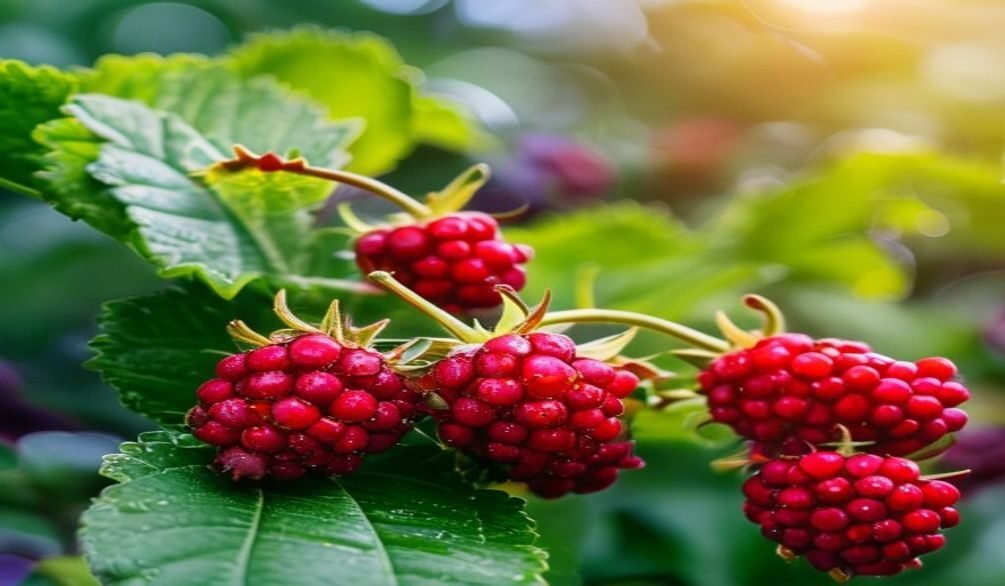
Key Takeaways
- The global fresh berries market is estimated at USD 36.73 billion in 2026, according to Mordor Intelligence (2026).
- Strawberries drove 61% of incremental growth in the berry category, as reported by the California Strawberry Commission’s 2025 Strawberry Shopper Playbook (2026).
- Most berries thrive with at least 6-8 hours of direct sunlight daily and slightly acidic, well-draining soil.
- Organic pest control methods like companion planting and beneficial insects are crucial for healthy berry patches.
- Consistent watering and proper pruning techniques significantly boost fruit production and plant longevity when growing berries.
If you’ve ever dreamt of stepping into your garden and plucking ripe, juicy berries directly from the bush, then **Growing Berries in Your Garden** is a goal within reach. Many aspiring gardeners face challenges knowing where to start, from selecting the right varieties to managing pests, but with the right guidance, you can achieve a bountiful harvest. This guide, drawing on my 10+ years in horticulture, will walk you through the seven essential steps for successfully growing berries in your garden, ensuring sweet success.
Quick Answer: Growing berries successfully involves choosing the right location with ample sunlight, preparing well-draining, slightly acidic soil, selecting appropriate berry varieties, providing consistent watering, pruning for optimal growth, and protecting plants from pests to ensure a bountiful harvest.
Choosing the best berry varieties for your garden
Selecting the right berry varieties is the foundational step for successful **Growing Berries in Your Garden**, directly impacting your harvest potential and the effort required. Different berry types have specific needs regarding climate, space, and care, so understanding these is crucial. For instance, blueberries recorded the highest projected Compound Annual Growth Rate (CAGR) at 6.92% through 2031, indicating their rising popularity and market demand, according to WifiTalents (2026).
When you’re thinking about **Growing Berries in Your Garden**, consider your local climate and USDA hardiness zone. This will help you narrow down options that will genuinely thrive rather than merely survive. In my experience, choosing varieties suited to your region significantly reduces future headaches.
Many people overlook the importance of disease resistance in their chosen berry varieties. Opting for resistant cultivars can save you considerable time and effort in organic pest and disease management down the line. This is a smart move for sustainable **organic berry gardening**.
Here are some popular berry varieties and their ideal growing conditions, making your decision for **Growing Berries in Your Garden** easier:
- Strawberries: These versatile berries are excellent for **Growing Berries in Your Garden**, thriving in full sun and well-drained soil. Varieties like “Ozark Beauty” are everbearing and well-suited for container growing berries, offering continuous harvests.
- Blueberries: Known for their tart-sweet flavor, blueberries require acidic soil (pH 4.5-5.5) and full sun. Monrovia, a well-known plant nursery, notes that planted in the correct location with plenty of light and water, blueberries will live and produce fruit for decades (2017).
- Raspberries: These can be either summer-bearing or everbearing (primocane-fruiting) and prefer full sun with good air circulation. Thorny varieties are common, but thornless blackberries and raspberries are also available, simplifying harvesting.
- Blackberries: Similar to raspberries in growth habit, many blackberry varieties are vigorous growers and benefit from trellising. Thornless varieties exist, making **planting berry bushes** less intimidating.
This table helps illustrate some key differences when considering **Growing Berries in Your Garden**:
| Berry Type | Sunlight Needs | Soil pH Range | Growth Habit |
|---|---|---|---|
| Strawberries | Full Sun (6-8+ hours) | 5.5-6.8 | Low-growing, spreading |
| Blueberries | Full Sun (6-8+ hours) | 4.5-5.5 | Bush |
| Raspberries | Full Sun (6-8+ hours) | 5.5-6.5 | Cane (needs support) |
| Blackberries | Full Sun (6-8+ hours) | 5.5-6.5 | Cane (needs support) |
Site selection and soil preparation for growing berries
The right site selection and meticulous soil preparation are paramount when **Growing Berries in Your Garden**, as they directly influence plant health and fruit production. Berries are sun-loving plants, and most varieties require at least 6-8 hours of direct sunlight daily, a fact emphasized by Land Guard (2025). Without adequate sun, your plants will produce fewer, smaller fruits.
Beyond sunlight, proper drainage is non-negotiable for **Growing Berries in Your Garden**. Berries despise “wet feet,” which can lead to root rot and other fungal diseases. I always tell my clients that if water pools after a rain, that spot isn’t ideal for berries.
Step 1: assess your sunlight
To assess your sunlight, observe your garden throughout the day, noting how many hours of direct sun different areas receive. A spot that gets full morning sun and some afternoon shade can be beneficial, especially in hotter climates, as it prevents scorching while still providing ample light for **Growing Berries in Your Garden**. This careful observation ensures your plants receive the energy they need to thrive.
Step 2: test and amend your soil
Testing your soil’s pH and nutrient content is a critical step for **Growing Berries in Your Garden**, as most berries prefer slightly acidic, well-draining soil with a pH between 5.5 and 6.5, according to Land Guard (2025). A soil test kit, readily available at garden centers, provides invaluable data to guide your amendments. Once you have your results, you can amend the soil with organic matter like compost to improve drainage and fertility. For blueberries, which need significantly more acidic conditions, incorporating peat moss or elemental sulfur can help lower the soil pH for optimal **Growing Berries in Your Garden**.
Planting your berry bushes: essential steps
Properly planting your berry bushes is crucial for their establishment and long-term productivity, laying the groundwork for successful **Growing Berries in Your Garden**. Getting the timing right can significantly impact your berry harvest, with early spring typically being ideal for planting tender berries like strawberries in cooler climates, while warmer areas might allow for late winter planting, as advised by Land Guard (2025). This ensures the plants have time to establish their root systems before the stress of summer heat.
When you’re ready for **planting berry bushes**, dig a hole that is twice as wide as the root ball and just as deep. This provides ample space for roots to spread and establish without compaction. My experience shows that giving roots room makes a huge difference.
Here’s a step-by-step guide for planting berry bushes, ensuring a strong start for **Growing Berries in Your Garden**:
- Prepare the hole: Dig a wide, shallow hole. If planting bare-root, create a small mound of soil in the center of the hole.
- Position the plant: Place the berry plant in the center, ensuring the crown (where roots meet stem) is at soil level. For bare-root plants, spread the roots over the mound.
- Backfill with soil: Gently backfill the hole with amended soil, lightly tamping to remove air pockets.
- Water thoroughly: Water deeply immediately after planting to settle the soil around the roots. This is vital for new plants.
- Mulch: Apply a 2-4 inch layer of organic mulch around the plant, keeping it a few inches away from the stem. Mulch helps retain moisture, suppress weeds, and regulate soil temperature, all beneficial for **Growing Berries in Your Garden**.
For container growing berries, especially varieties like “Ozark Beauty” strawberries, choose pots that are at least 10-12 inches in diameter to allow for root growth. The GrowScripts Berry Bush Care Kit is designed to help container-grown berry bushes thrive, providing high-quality nutrition for up to 5 medium berry bushes.
Watering, fertilizing, and pruning for healthy berry plants
Consistent watering, appropriate fertilization, and strategic pruning are vital practices for maintaining healthy berry plants and maximizing yields when **Growing Berries in Your Garden**. These care routines directly influence fruit quality and plant vigor, ensuring your efforts in **Growing Berries in Your Garden** pay off with a generous harvest. Neglecting any of these can lead to stressed plants and diminished returns.
Step 3: provide consistent watering
Consistent watering is crucial, especially during dry spells and fruit development, as most berries need about 1 inch of water per week, either from rain or irrigation. In my decade of gardening, I’ve seen how proper watering techniques prevent issues like fruit splitting and blossom end rot. Hydroponic strawberry systems use 90% less water than soil-based farming, according to WifiTalents (2026), highlighting the efficiency of targeted water delivery.
A slow, deep watering method is always preferable to frequent, shallow watering, as it encourages deeper root growth. This makes plants more resilient to drought and improves nutrient uptake, which is essential for healthy **berry bush care**. Consider using drip irrigation or soaker hoses to deliver water directly to the root zone, minimizing evaporation.
Step 4: fertilize thoughtfully
Fertilizing thoughtfully provides essential nutrients for robust growth and abundant fruit production, but the specific needs vary by berry type. A balanced organic fertilizer applied in early spring is generally beneficial for **Growing Berries in Your Garden**. However, blueberries, with their specific acidic soil requirements, benefit from fertilizers formulated for acid-loving plants.
Always follow package directions, as over-fertilizing can harm plants and lead to excessive foliage at the expense of fruit. A soil test can help you determine precise nutrient deficiencies, allowing for targeted fertilization for optimal **Growing Berries in Your Garden**.
Step 5: master pruning berry plants
Mastering pruning berry plants is an art that encourages new growth, improves air circulation, and boosts fruit production, making it indispensable for successful **Growing Berries in Your Garden**. Pruning practices differ significantly between berry types, so understanding the specific needs of your plants is key. For raspberries, for example, you’ll prune out floricanes (canes that fruited) after harvest, while primocane-fruiting varieties are often cut back to the ground in late winter.
For blueberry bushes, pruning involves removing old, unproductive canes and thinning out crowded growth to promote air circulation and encourage new fruiting wood. **Pruning berry plants for beginners** might seem daunting, but it’s essential for maintaining plant health and maximizing yield. Proper pruning also helps manage plant size and shape, which is particularly useful for **container growing berries**.
Organic pest and disease control for berry patches
Effective organic pest and disease control is fundamental for maintaining a healthy berry patch and ensuring a successful harvest when **Growing Berries in Your Garden**. Relying on organic methods protects beneficial insects, pollinators, and your family from harmful chemicals, aligning perfectly with sustainable **organic berry gardening**. The goal is prevention and early intervention, rather than reactive chemical treatments.
Many common berry pests, such as aphids, spider mites, and Japanese beetles, can significantly reduce your yield if left unchecked. Diseases like powdery mildew, anthracnose, and various blights can also spread rapidly, especially in humid conditions. This is where vigilant **pest and disease management** becomes critical.
Here are some organic strategies for pest and disease management, crucial for **Growing Berries in Your Garden**:
- Regular Inspection: Frequently check your plants for any signs of pests or disease. Early detection is your best defense, allowing you to address issues before they become severe.
- Hand-Picking: For larger pests like Japanese beetles or slugs, simply hand-picking them off plants and dropping them into soapy water can be highly effective.
- Neem Oil: A natural insecticide and fungicide, neem oil can deter a wide range of pests and help control fungal diseases. Always apply according to package directions.
- Beneficial Insects: Encourage natural predators like ladybugs, lacewings, and parasitic wasps by planting diverse flowers. These insects prey on common berry pests.
- Crop Rotation: For strawberries, rotating planting areas every few years can help break pest and disease cycles in the soil.
- Good Sanitation: Remove and dispose of any diseased plant material promptly to prevent the spread of pathogens. Keep the area around your berry plants free of weeds and debris.
Bumblebee pollination, for instance, increases blueberry yields by up to 20%, according to WifiTalents (2026), underscoring the importance of a healthy ecosystem. Driscoll’s, a leading berry brand, partners with approximately 1,000 independent growers worldwide, focusing on proprietary berry genetics and grower support, which often includes pest management strategies.
Harvesting and storing your berry bounty
Properly harvesting and storing your berry bounty is the gratifying culmination of your efforts in **Growing Berries in Your Garden**, ensuring you enjoy the freshest, most flavorful fruit. The timing and technique of harvesting vary slightly by berry type, but the universal rule is to pick when the berries are fully ripe for the best taste. Strawberries, for example, represent 60% of total berry category volume and drove 61% of incremental growth, as reported by the California Strawberry Commission’s 2025 Strawberry Shopper Playbook (2026), highlighting their popularity and the importance of good harvesting practices.
Step 6: know when and how to harvest
Knowing when and how to harvest your berries ensures maximum flavor and avoids damaging the plant, which is key for continued production when **Growing Berries in Your Garden**. Berries do not ripen significantly after being picked, so wait until they are fully colored and easily detach from the plant. For strawberries, this means a vibrant red color; for blueberries, a deep blue.
To harvest, gently pull or snip the berries, being careful not to bruise them or damage the delicate plant stems. Harvest frequently, ideally every 1-3 days during peak season, to encourage more fruit production and prevent overripe berries from attracting pests. This diligent approach will maximize your yield from **Growing Berries in Your Garden**.
Storing your fresh berries
Storing your fresh berries correctly extends their shelf life and preserves their delightful taste, allowing you to savor the fruits of your labor from **Growing Berries in Your Garden**. Berries are perishable, so prompt and proper storage is essential. The global fresh berries market size is estimated at USD 36.73 billion in 2026, according to Mordor Intelligence (2026), underscoring the value of these delicate fruits.
Here’s how to store different berry types:
- Strawberries: Do not wash until just before eating. Store unwashed strawberries in a single layer in a shallow container lined with a paper towel in the refrigerator for 3-5 days.
- Blueberries: Store unwashed in their original container or a breathable container in the refrigerator for up to 1-2 weeks. Wash just before serving.
- Raspberries and Blackberries: These are the most delicate. Store unwashed in a single layer in a shallow, breathable container in the refrigerator for 2-4 days.
For longer storage, most berries freeze exceptionally well. Simply wash, dry thoroughly, and spread them in a single layer on a baking sheet to freeze. Once frozen solid, transfer them to freezer-safe bags or containers. This method is perfect for preserving your **Growing Berries in Your Garden** harvest for smoothies, jams, or baking throughout the year.
Troubleshooting common berry growing challenges
Encountering challenges is a natural part of **Growing Berries in Your Garden**, but understanding common issues and their solutions can help you maintain healthy, productive plants. Even with the best care, problems like yellowing leaves, lack of fruit, or pest outbreaks can arise. Addressing these promptly is key to preventing them from escalating.
One frequent issue is yellowing leaves, which can indicate nutrient deficiencies, improper soil pH, or overwatering. For blueberries, yellow leaves often signal iron chlorosis due to alkaline soil. A soil test will confirm the pH and nutrient levels, guiding your amendments.
Another common frustration is a lack of fruit, despite healthy-looking plants. This can be due to insufficient sunlight, poor pollination, or incorrect pruning. Ensuring your plants receive at least 6-8 hours of direct sun, encouraging bumblebee activity, and understanding specific **pruning berry plants** techniques for your variety will significantly improve fruit set.
Companion planting for a thriving berry garden
Companion planting for a thriving berry garden is an organic strategy that leverages beneficial plant relationships to enhance growth, deter pests, and improve soil health, making your efforts in **Growing Berries in Your Garden** more sustainable. This method involves strategically placing different plant species near your berries to create a mutually supportive ecosystem. In my experience, it’s one of the simplest yet most effective ways to bolster your berry patch naturally.
For instance, planting marigolds near your strawberries can help deter nematodes and other soil pests. Borage is another excellent companion, known to attract pollinators and improve the flavor of strawberries while also deterring tomato hornworms, which can sometimes affect berry plants. This type of strategic placement supports your goal of **organic berry gardening**.
Here’s a look at some effective companion plants for **Growing Berries in Your Garden**:
- Strawberries: Borage, bush beans, spinach, lettuce, thyme, and marigolds are great companions. Avoid planting near cabbage or broccoli, as they can stunt growth.
- Blueberries: Pine trees (for acidic leaf litter), rhododendrons, azaleas, and cranberries are good acidic soil companions. Herbs like thyme and basil can also be beneficial, attracting pollinators.
- Raspberries and Blackberries: Garlic, onions, and chives can help deter pests, particularly Japanese beetles. Yarrow and tansy attract beneficial insects.
**Companion planting berries** not only contributes to pest control but also enriches biodiversity in your garden. This approach reduces the need for synthetic interventions, aligning with the principles of **organic berry gardening tips** and fostering a resilient, productive environment for **Growing Berries in Your Garden**.
Frequently asked questions
What is the easiest berry to grow for beginners?
Strawberries are generally considered the easiest berry to grow for beginners due to their adaptability and relatively quick harvest. Varieties like “Ozark Beauty” are especially forgiving and can even thrive in containers, making **Growing Berries in Your Garden** accessible. They typically produce fruit in their first year, offering quick gratification.
What month do you plant berries?
The ideal month to plant berries depends on your climate, but generally, early spring after the last frost is best for most varieties. In warmer climates, you might plant as early as late winter, while cooler regions often wait until April or May, ensuring the ground is workable and frost danger has passed for successful **Growing Berries in Your Garden**. This timing allows roots to establish before summer heat.
Do berries need full sun?
Yes, most summer berries, including strawberries, raspberries, and blueberries, require full sun, meaning at least 6-8 hours of direct sunlight daily for optimal fruit production. Land Guard (2025) highlights this as a critical factor for a bountiful harvest when **Growing Berries in Your Garden**. Insufficient sunlight will lead to fewer, smaller, and less flavorful fruits.
What kind of soil do berries like?
Most berries prefer well-draining, slightly acidic soil with a pH between 5.5 and 6.5, rich in organic matter. Blueberries are an exception, requiring more acidic soil with a pH of 4.5-5.5, a specific requirement noted by Monrovia (2017) for successful **Growing Berries in Your Garden**. Proper soil pH for berries is crucial for nutrient uptake and overall plant health.
How can i protect my berry plants organically?
You can protect your berry plants organically by using methods like companion planting to deter pests, hand-picking larger insects, applying neem oil for pest and disease control, and encouraging beneficial insects. Regular inspection and good garden sanitation are also vital for **organic pest and disease control for berry patches**, reducing the need for chemical interventions when **Growing Berries in Your Garden**. Organic strawberries cost approximately 30% to 35% more to produce than conventional strawberries, according to Driscoll’s CEO Soren Bjorn (2026), partly due to these intensive care methods.
Growing Berries in Your Garden is a deeply rewarding endeavor that brings fresh, delicious fruit right to your doorstep. By carefully following these seven essential steps—from choosing the right varieties and preparing your soil to consistent care, organic pest management, and thoughtful harvesting—you’ll set yourself up for years of sweet success. Don’t hesitate to start your berry patch today and transform your garden into a vibrant, productive haven. Happy gardening!







